
Lane
-
Posts
1,042 -
Joined
-
Last visited
Content Type
Profiles
Forums
Downloads
Gallery
Store
Everything posted by Lane
-
Do you plan to load solid copper, or is it for testing/demonstration purposes? Years ago; I looked at trying to reduce lead in projectiles because I like to shoot at home. Certainly not a lot of lead free ammo on the shelves around here... But if this is a realistic option; you might have made my day. That gun is hot looking by the way; I don't know why I haven't tried a handguard that extends out to the barrel length on a build yet. I can't tell for sure if that lower is longer than standard or not; the magazine catch makes it look long. I do see a radius at the rear... I can only guess that it might be a different cut on a DPMS style 308 type lower?
-
Every time you trickle an update this just keeps getting better; and it was already off the charts. I have to ask; are those solid copper projectiles pictured above?
-
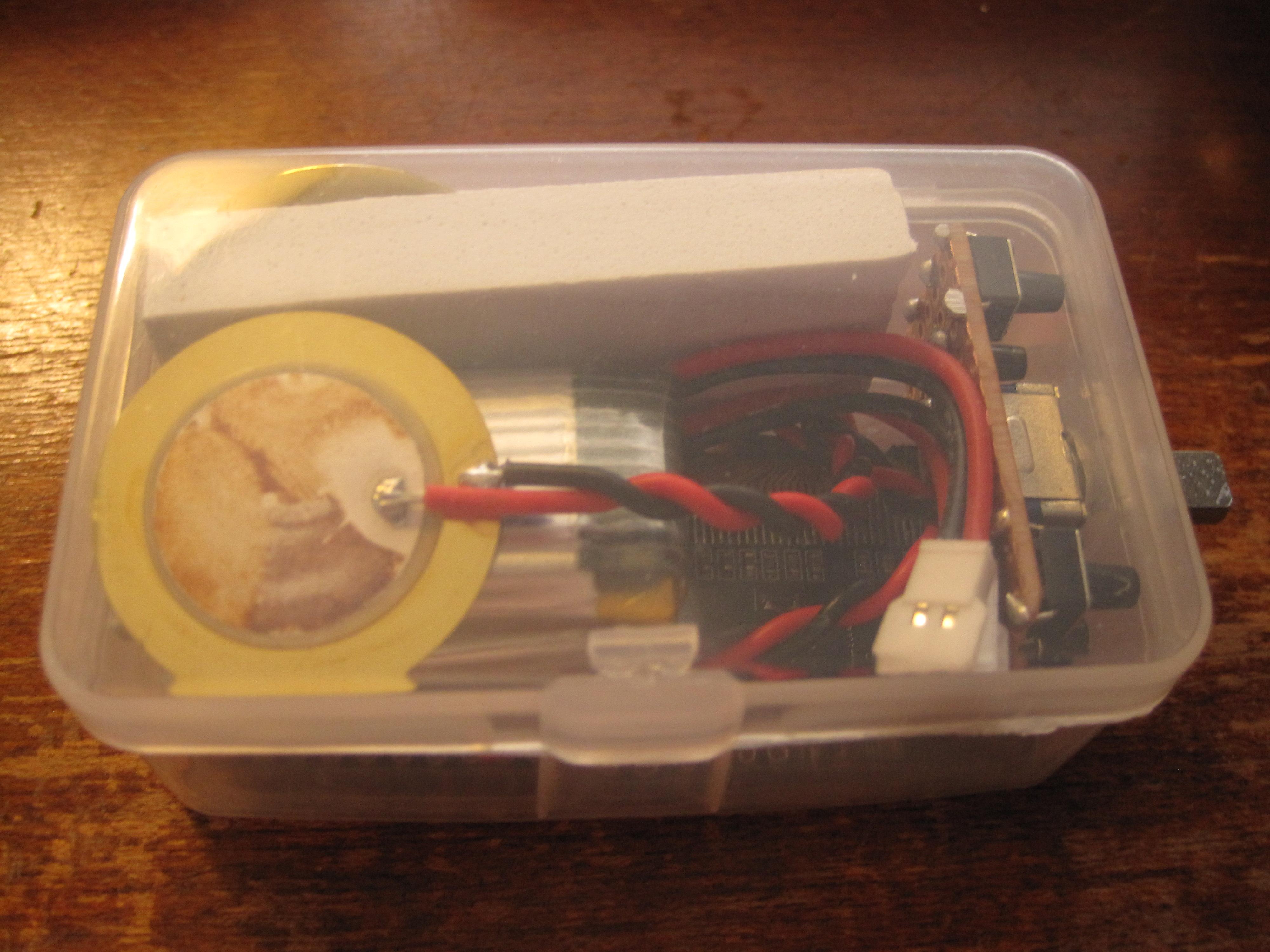
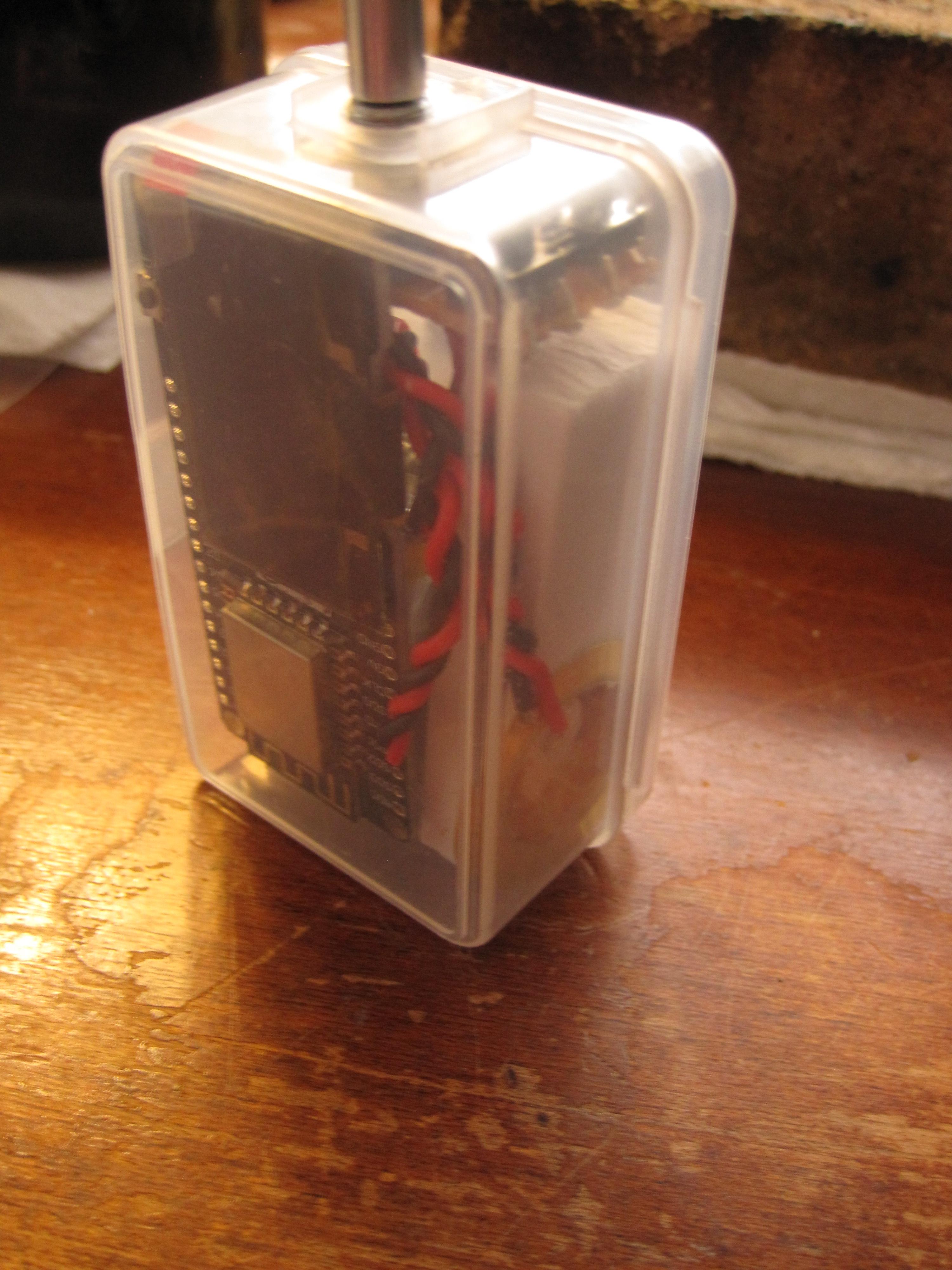
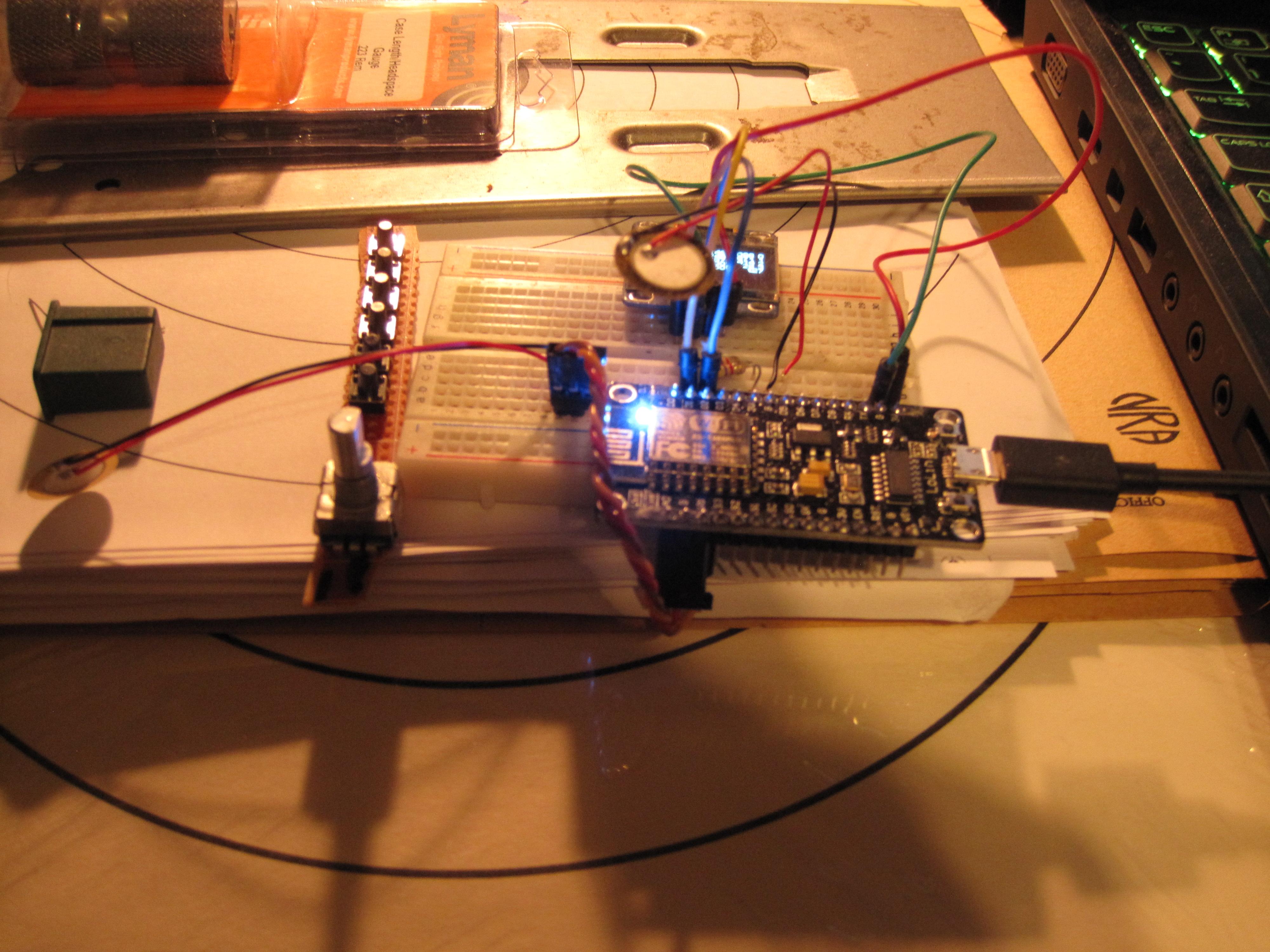
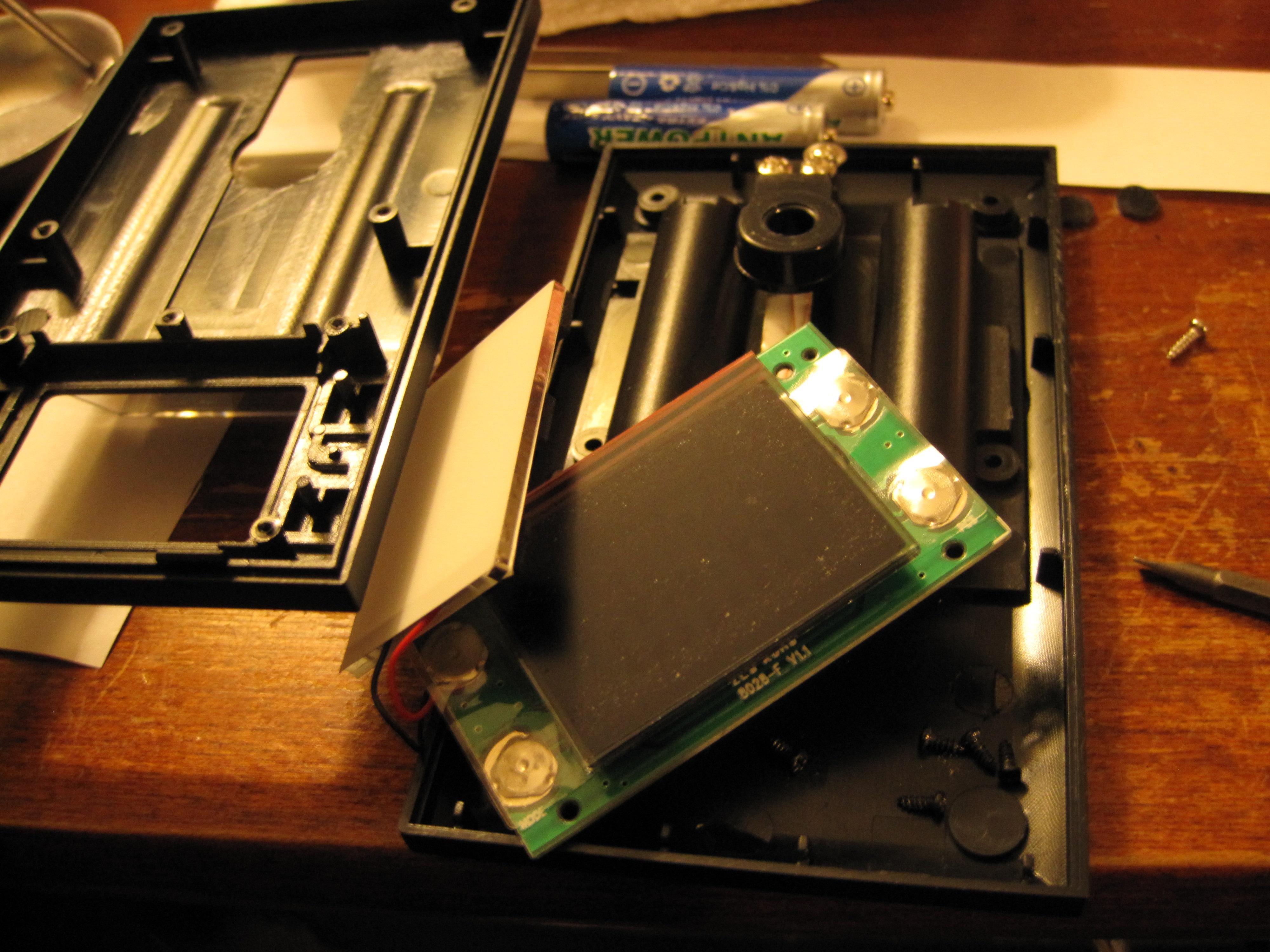
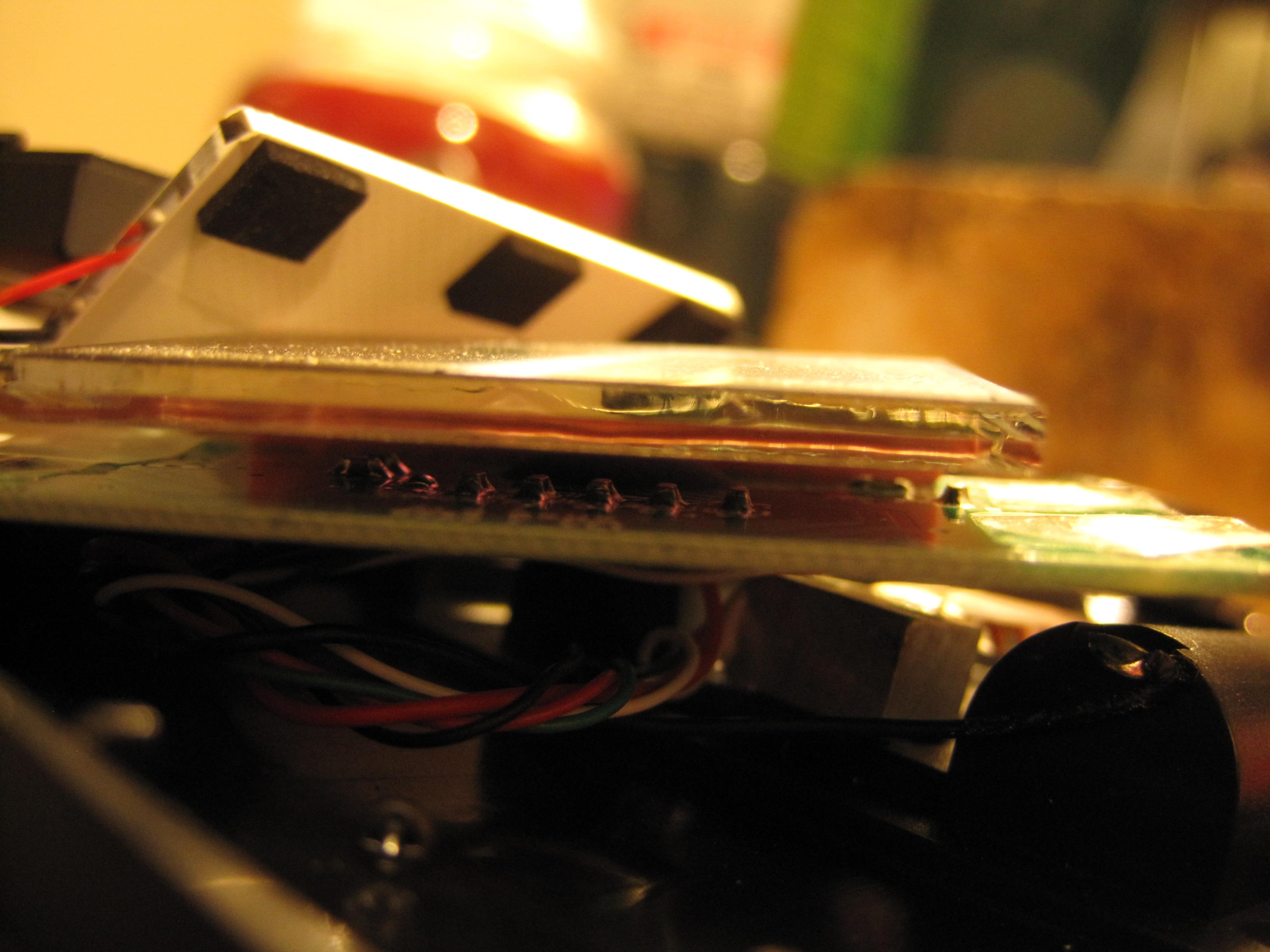
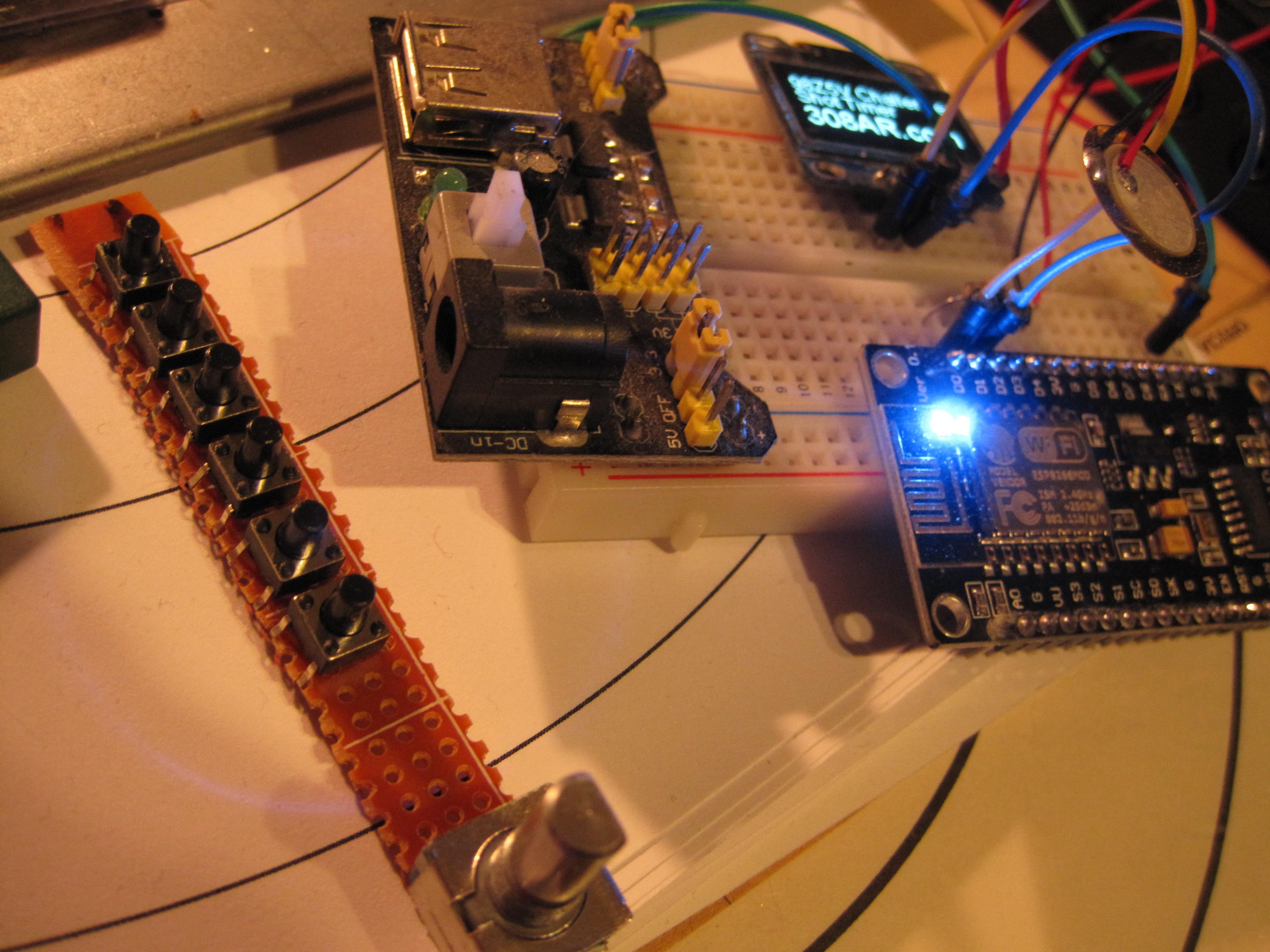
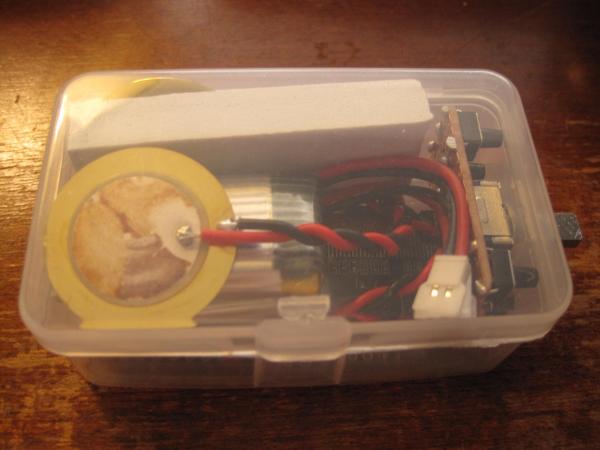
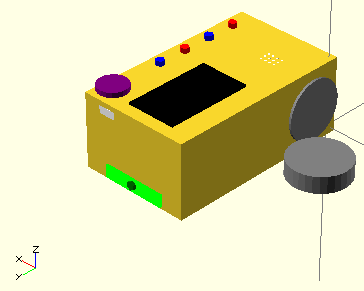
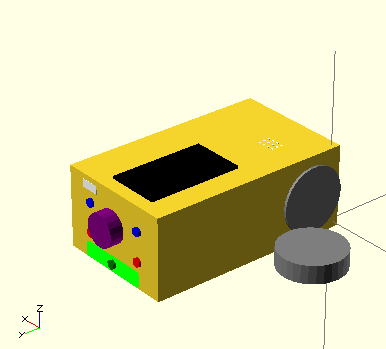
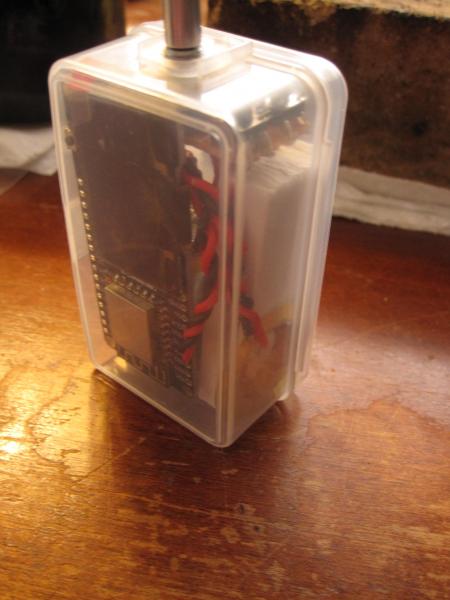
Getting ready to wrap up the first version of the shot timer hardware. I have to solder on some connectors and header pins yet, and I'm waiting for a lithium charger and voltage regulator module; plenty of room inside for both. The big white thing is a foam spacer to keep things intact until I can design a suitable skeleton or tray to hold all the components in place where they need to be. I also need to 3d print some button hats for the tact switches, and drill for those controls and USB port; the only one currently punched is the jog wheel. Quite frankly I'm less than sold on this particular case material and design. It was convenient because that's what the microcontroller shipped in; but either wood or metal would be better in the long run. The case is currently less than 2" wide, so if I used a hardwood 2x4 I could get ~35 cases out of a 6' board. That comes out to about $0.60 a piece for a wood enclosure. Finding a pre-made aluminum enclosure in these specific dimensions isn't quite as simple. It would probably have to be either a custom build or a redesign of the internals to fit what is available. I updated my CAD drawing to match this current prototype, and another with top side controls which also appears to be an option in terms of fitment and ease of use.
-
I've had issues with my .308 ACS mag. I have yet to modify the feed lips at all, but I had to file the mag catch hole to even make it work. I am sure that polishing the feed lips on mine would be enough to fix it; but a slight bend wouldn't hurt. The quality on the magazine was great, just needs to be adjusted. On a side note; I can't even load the last round in mine because it's so tight in the wrong way.
-
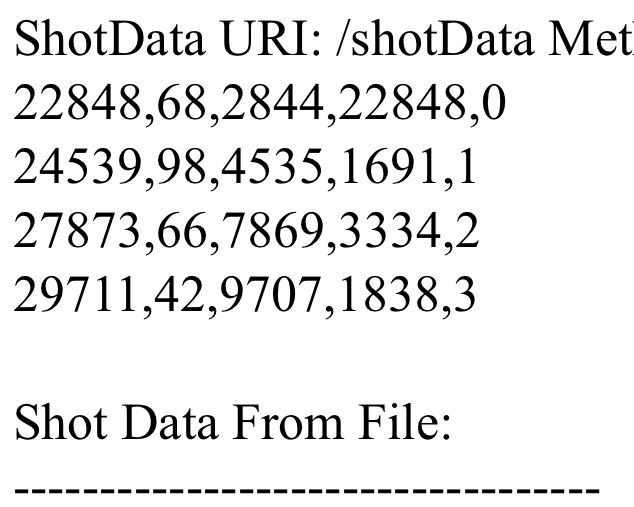
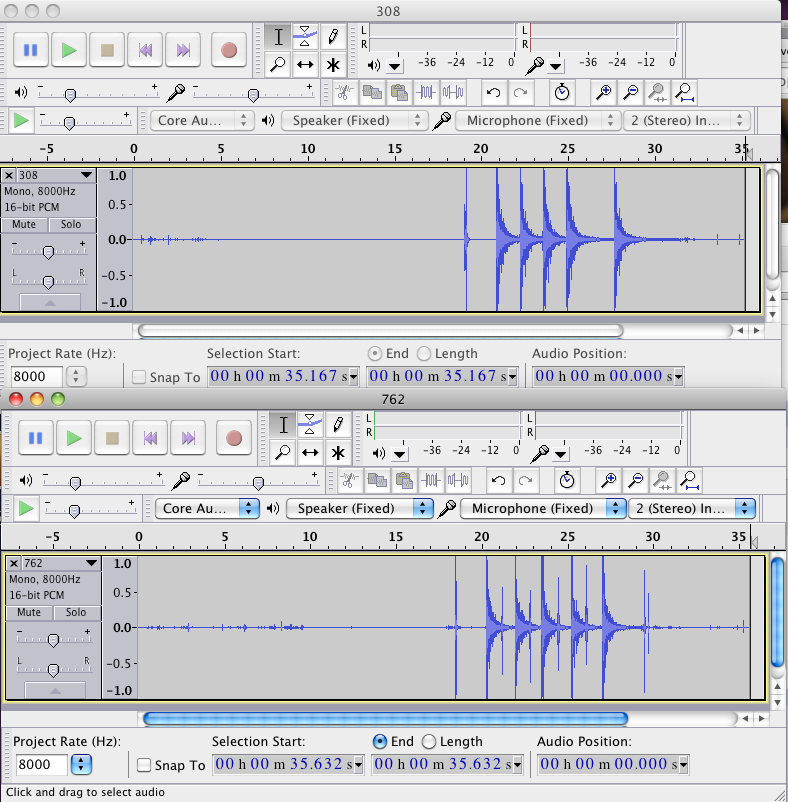
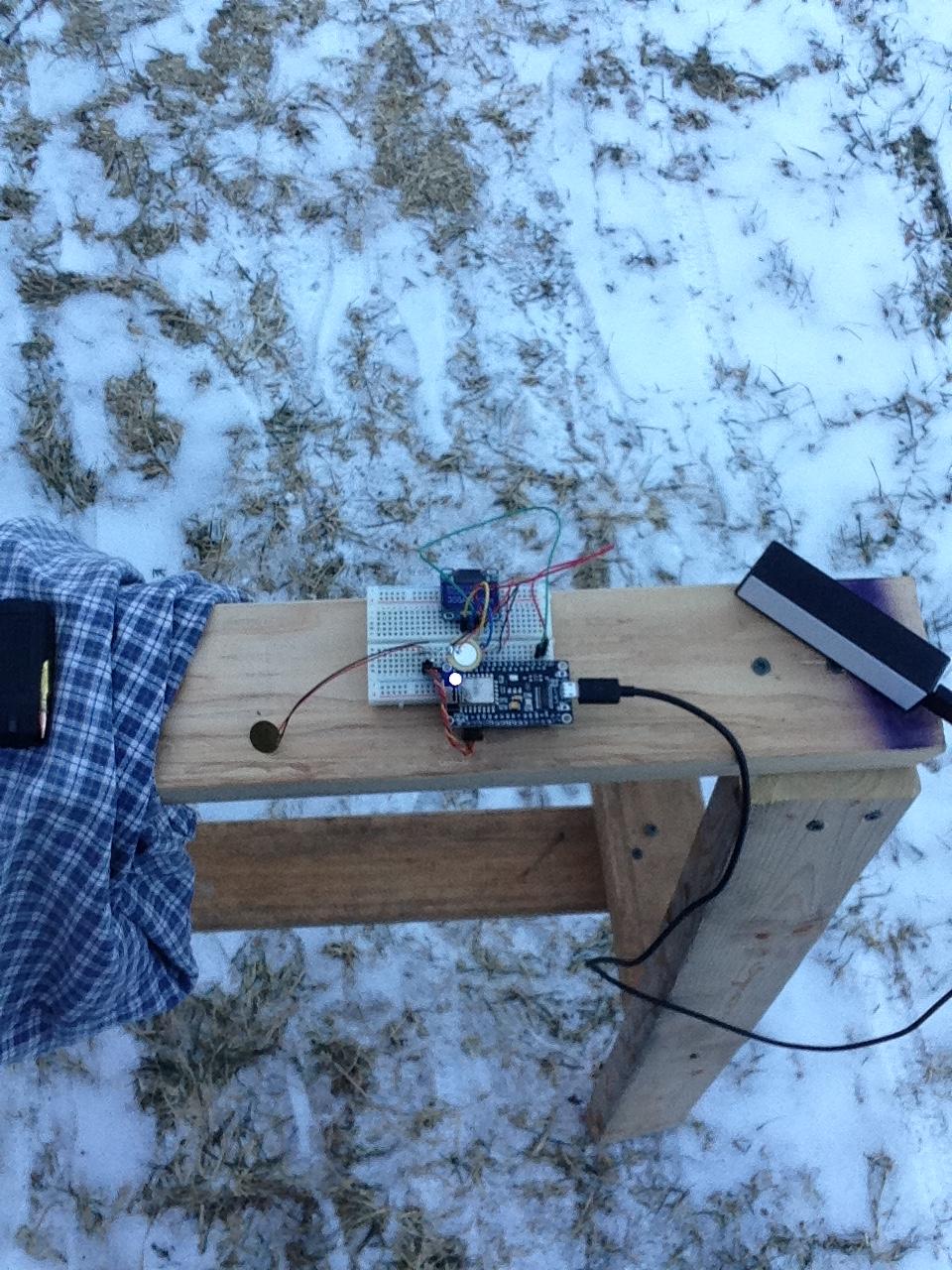
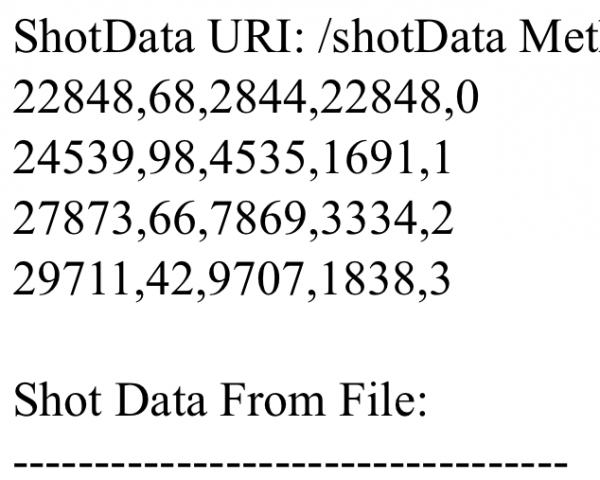
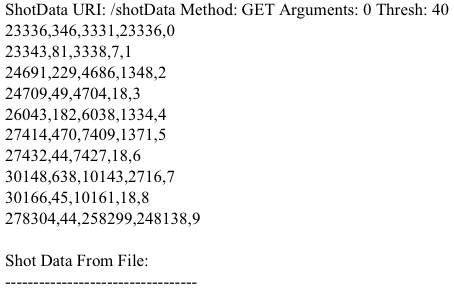
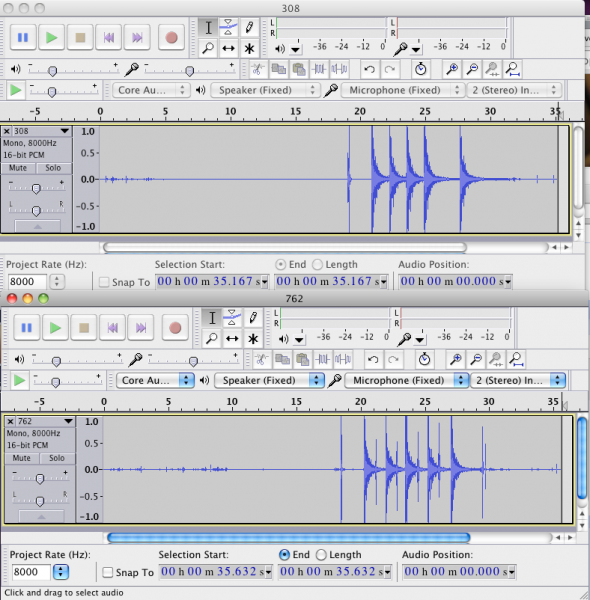
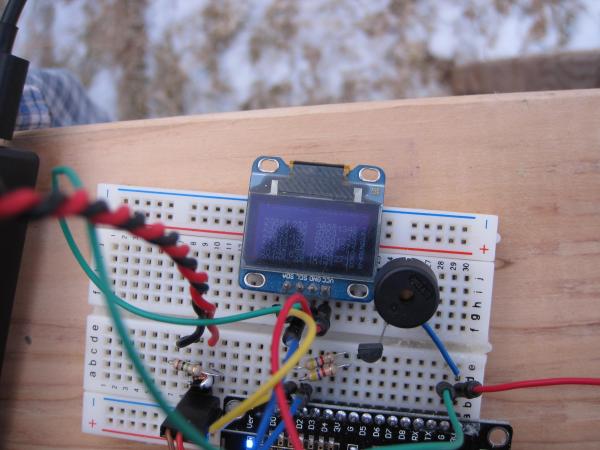
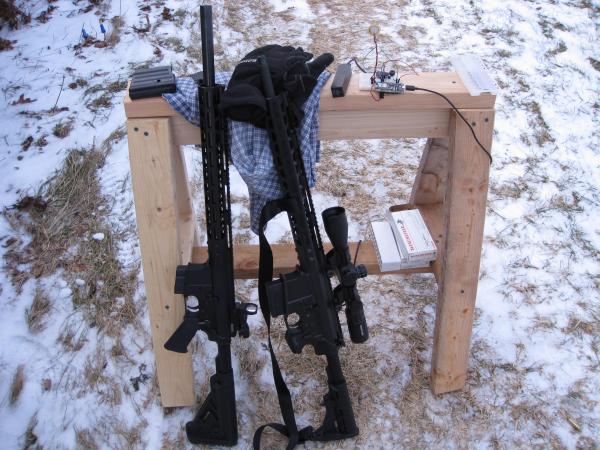
I got all my storm prep done this morning and took everything out for a shot timing test. The 7.62x39 build is cycling much better already, and I don't need gloves to extract the rounds anymore (though it is quite cold outside). The shells fall right next to me so policing the brass is a breeze. My battery died just after my first shot test, so I had to charge it up and go back out for more. The second time around I remembered to make an audio recording along side the timer to check my work. Then right after I saved the Ceratac audio file, my phone shut down, presumably because it was too cold (the battery had plenty of charge but it wouldn't turn back on). So here is a rundown of the shot timer data collected (ignoring garbage data and the missed shot).Buzzer goes off; I close the bolt on the 7.62x39 and my first shot is 2.844 seconds later. Follow up shots are 1.691, 1.677, 1.677, 1.838 seconds. The two matching numbers are simple division of the delay of to account for the missed shot. The Ceratac build is only marginally better in terms of time between follow up shots. In that case, my first shot was 3.331 seconds after the buzzer, follow ups were 1.348, 1.334, 1.371, 2.716 (yeah, I lost track of the target on that last one). The missing shot was a known issue, because my audio recording resolution isn't fully optimized; I knew that I could fire a shot in that 2-3ms window between readings. In this case only one shot was missed, and I might have been able to pick it up with a smaller shot volume threshold. That should actually work itself out when I'm done with the code; turning off WiFi alone should bring me below 1ms resolution. I have yet to analyze the audio recordings but I'm quite sure I'm within the 2-3ms range in terms of accuracy at this point. That's all I have for the time being. I've worked out the button layout, so I'll start building a final unit soon. The code is perhaps a few more days from being finished as well. I can actually hear this buzzer through hearing protection; but it will be replaced with something much louder. I'll order a lithium battery charging circuit in a few minutes; that should let me finish up sometime next week.
-
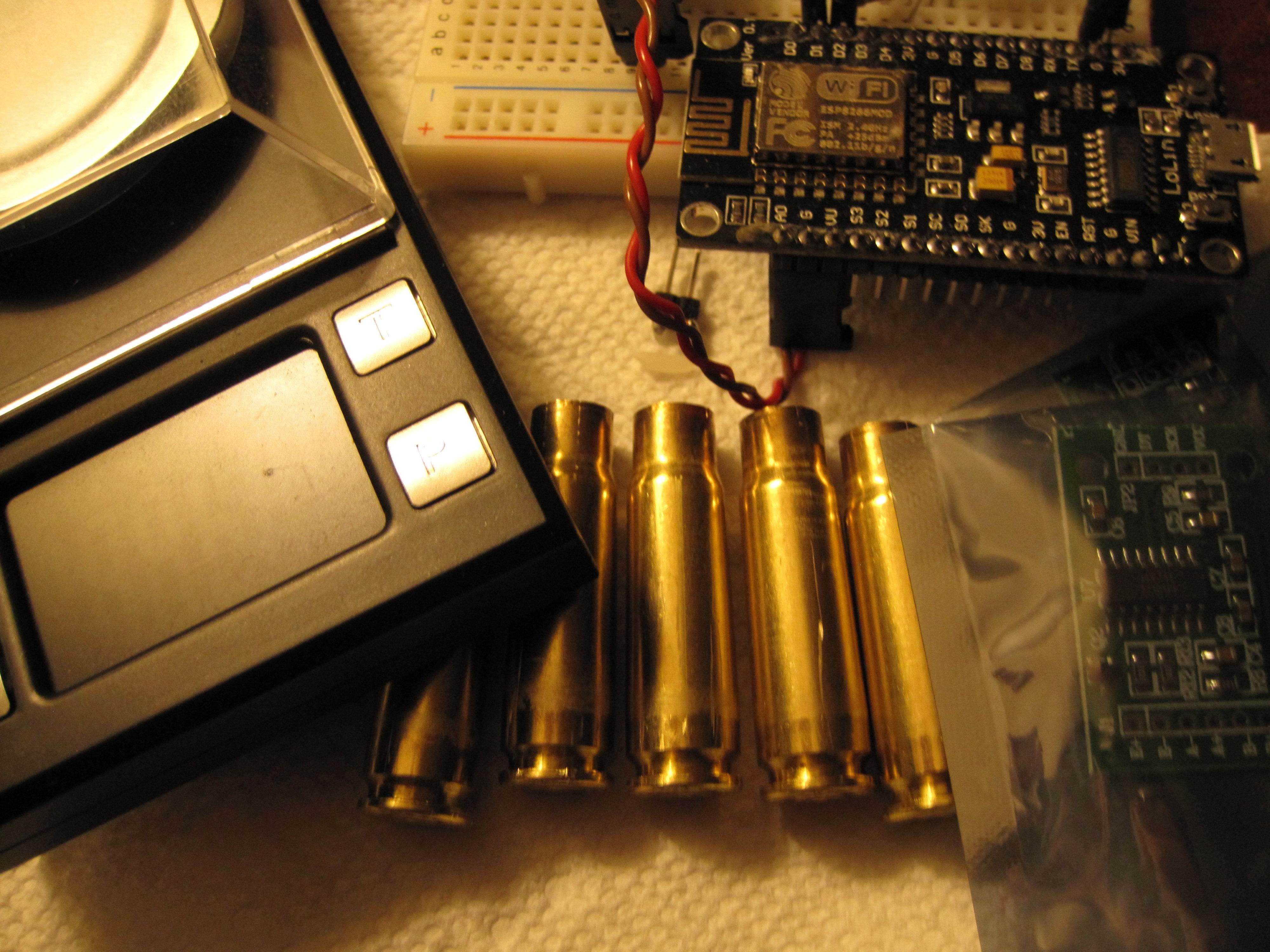
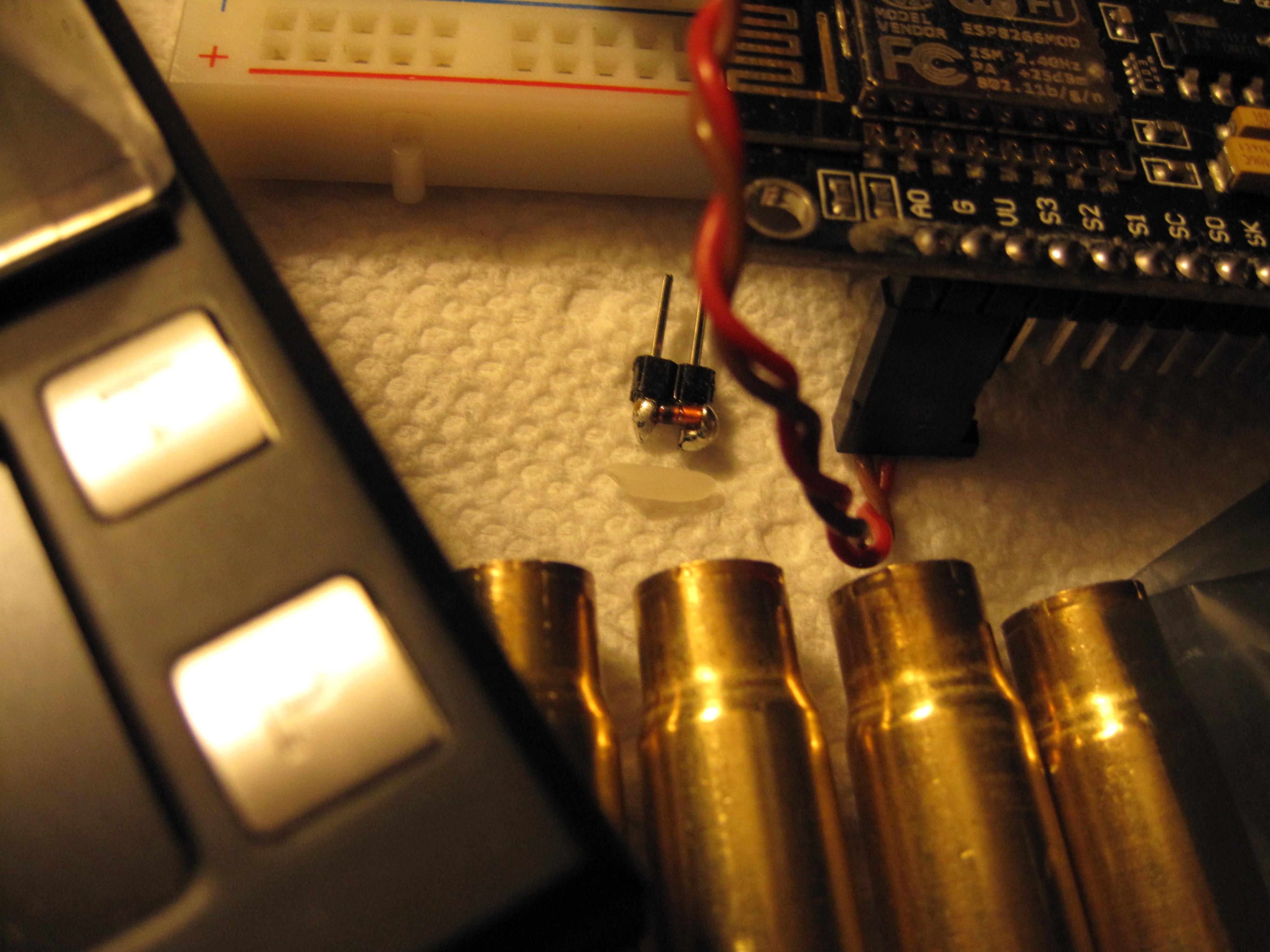
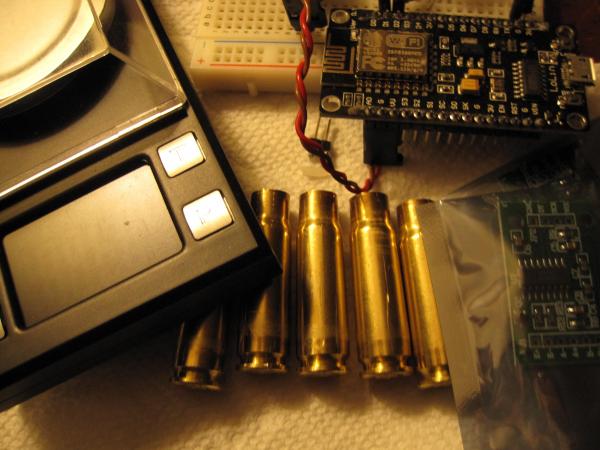
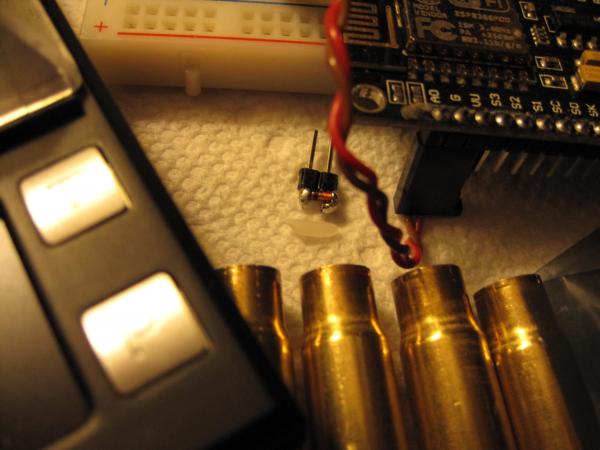
I brought you some rice to the dinner table. Along side the protection diode. I got two 24 bit ADCs in the mail today. I haven't received the two donor scales yet; but the one I disassembled already is better now than it ever was. After taking it apart and reassembling it with care of course. I think the load cell cup mount was rubbing on the case initially... Very easy to do given the way it secures with two screws from the bottom. They need to add a third screw to make sure everything centers up; and torque accordingly. Leveling the unit is not even addressed with the plastic case, much less the screw arrangement.
-
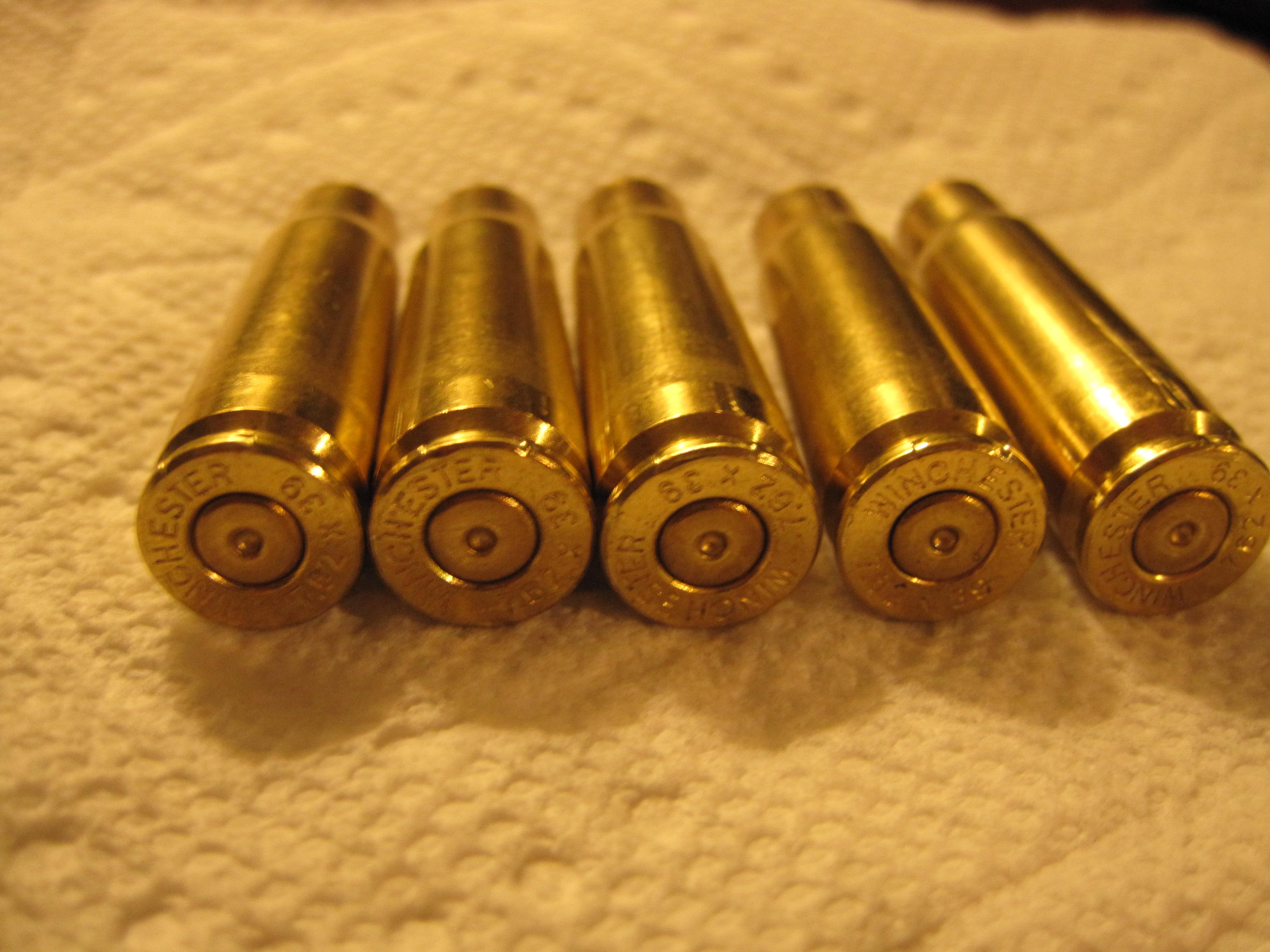
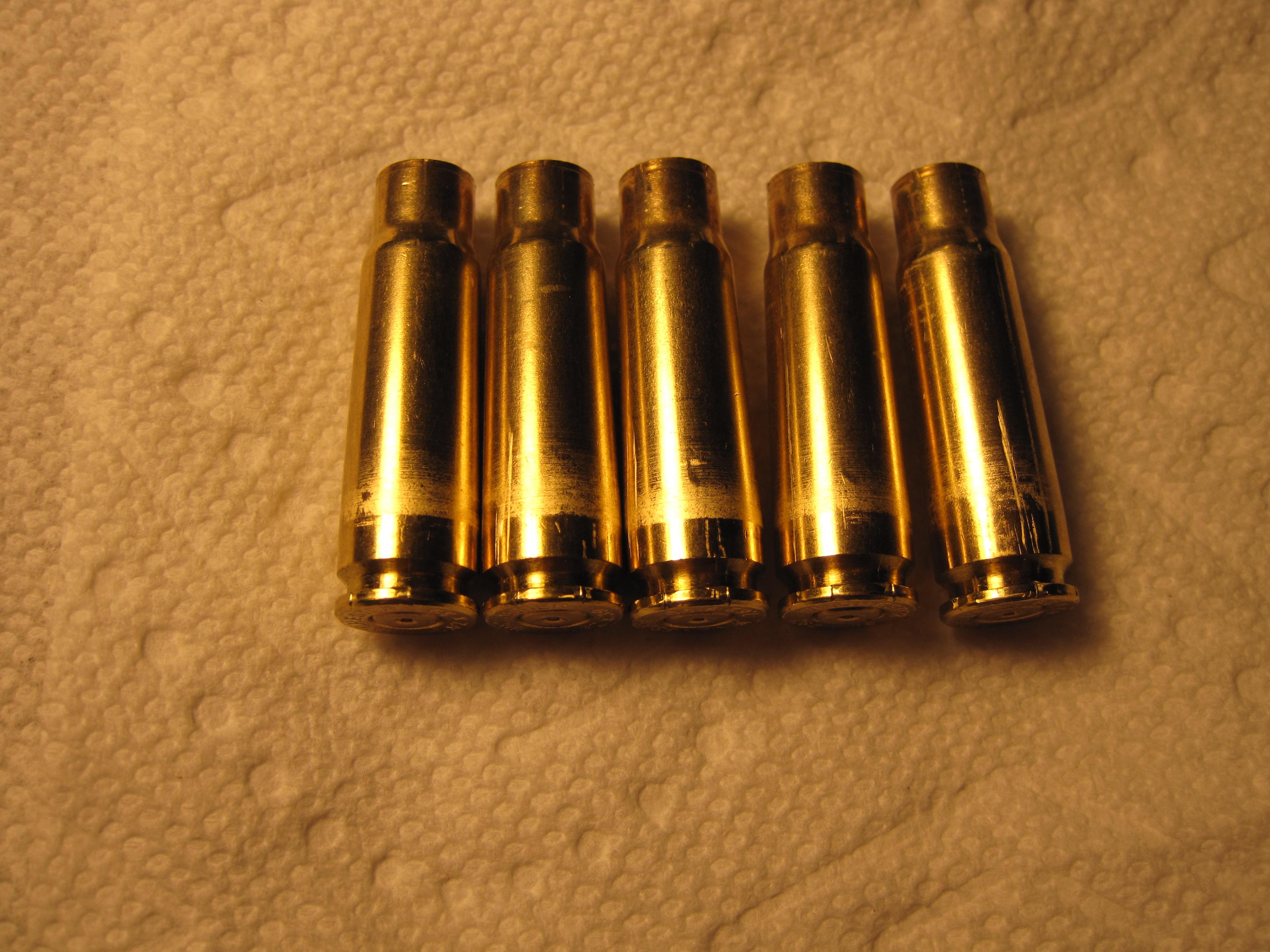
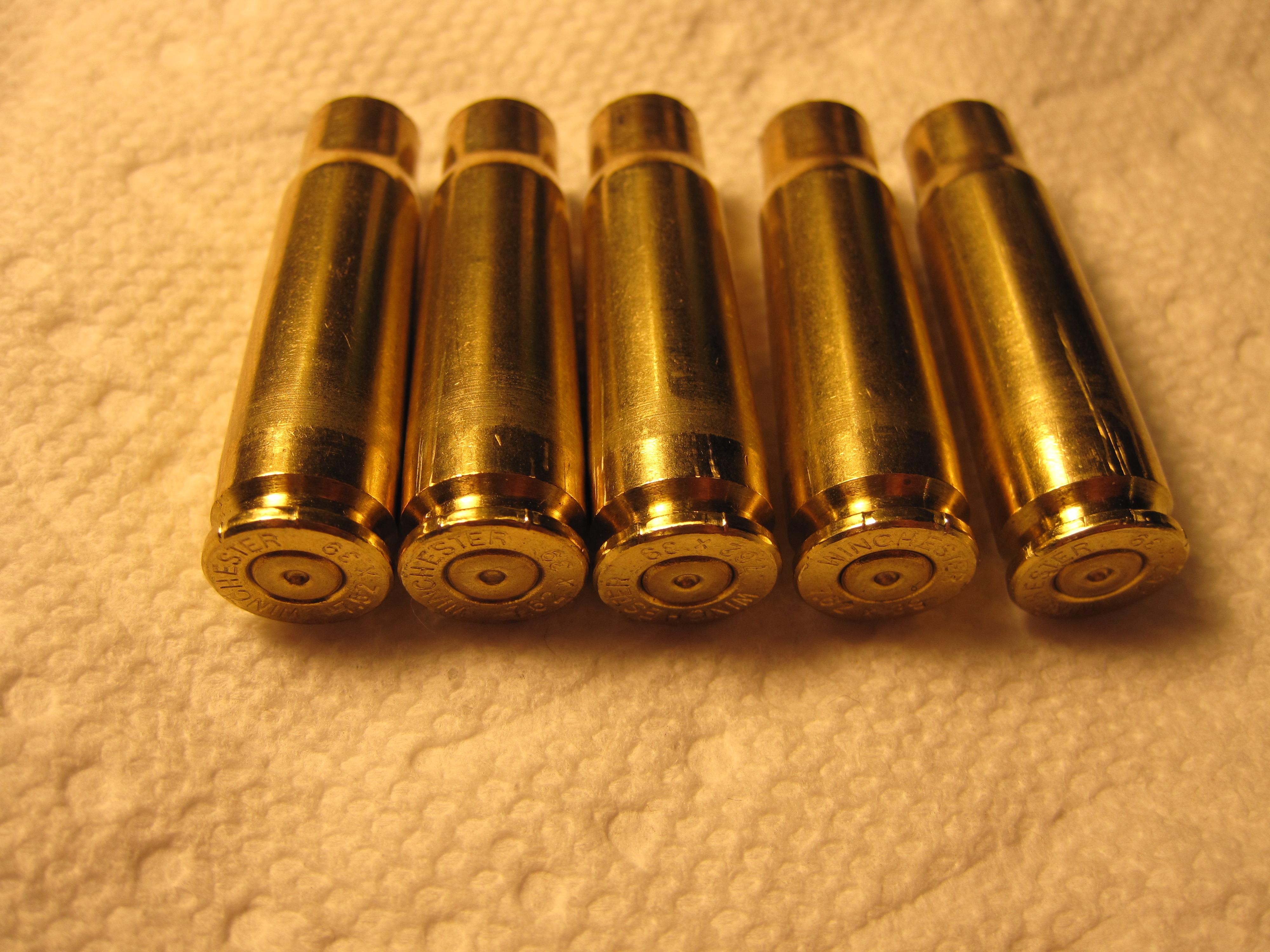
Barrel nut tightened three times and timed up to mount the handguard straight. Headspace checked out and closed snug on the go; not even close to closing on the no-go. The extractor was an absolute nightmare to get back in the bolt. I should have known when it took a hammer to get the pin out; I had to squeeze the spring end with vice grips to get it to align properly. I assume that will wear in some, but it doesn't seem right. No range report tonight; but I did fire off five rounds of Winchester brass. The first one was a bear to extract; the subsequent rounds were only marginally easier. The brass appears to have gotten chewed up somewhere in the works. Hard to see in the picture but there are some long gouges along the case. Could well be the magazine because I saw marks before I ever chambered a round. I'm going to need to wear gloves to be able to cycle the gun more than a few times in a row. It honestly feels like shooting a .22 though; there is no noticeable recoil, and it wasn't even loud enough that I felt like I needed ear protection. I should be able to take it out tomorrow with the shot timer and test it along side the Ceratac 308. I think my times will be similar despite the 7.62x39 being a straight pull build. I still haven't picked out sights or optics for this build; thought I might find something else to attach for tomorrow.
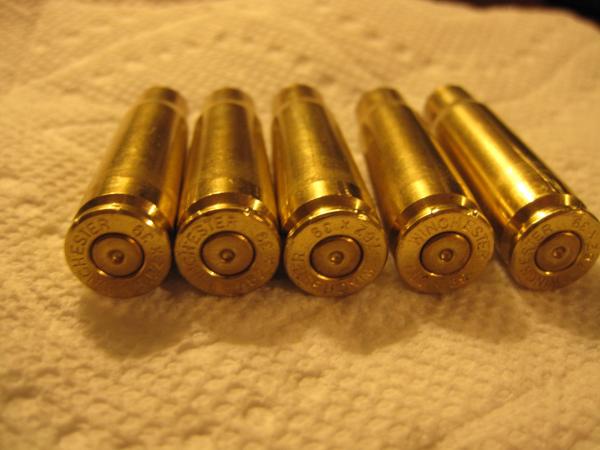
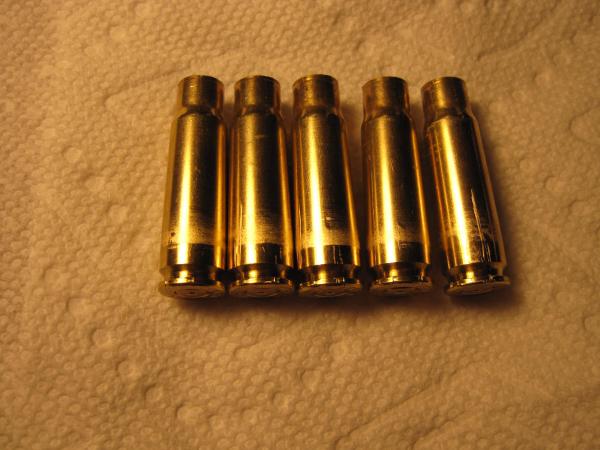
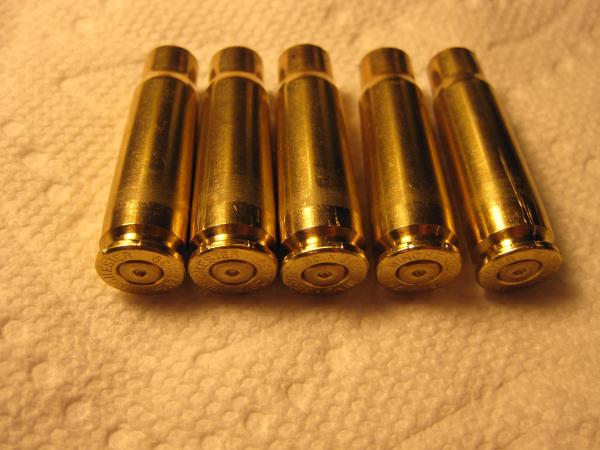
-
Minor 7.62x39 update. I stopped by the local gun shop today for some odds and ends. I couldn't find a .30 caliber patch loop, but they did have a brass jag. I asked about online ammo purchases, and they offered to hand it over free of charge since I'm a regular customer. Sweet deal! Either they can order it for me, or I can order online and just stop by and pick it up. I guess I'll be able to stock up on 7.62x39 in brass at $0.40 a round after all. I called green mountain about the barrel. They said the bore is between 0.300"-0.302", and the groves are 0.310"-0.312". Seems like I'll want to buy .311 projectiles for reloads. Interestingly the load data sheet that came with my dies explicitly warns that the minimum load is the max load for shooting .311s out of a .308 barrel. I'll probably get my build ready to fire later tonight. There are two snow storms coming through this weekend; so it's either now, or sometime next week before I'll be able to shoot again.
-
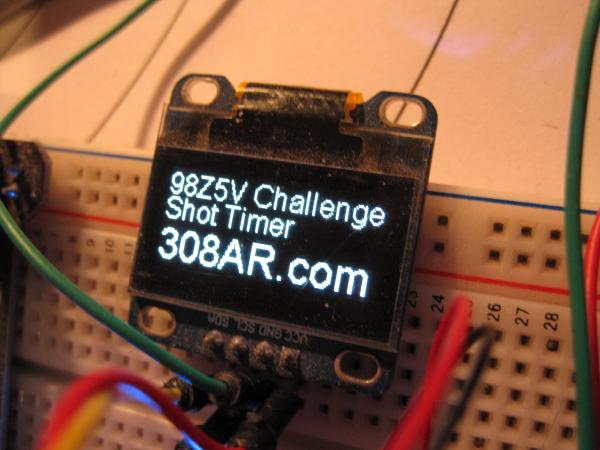
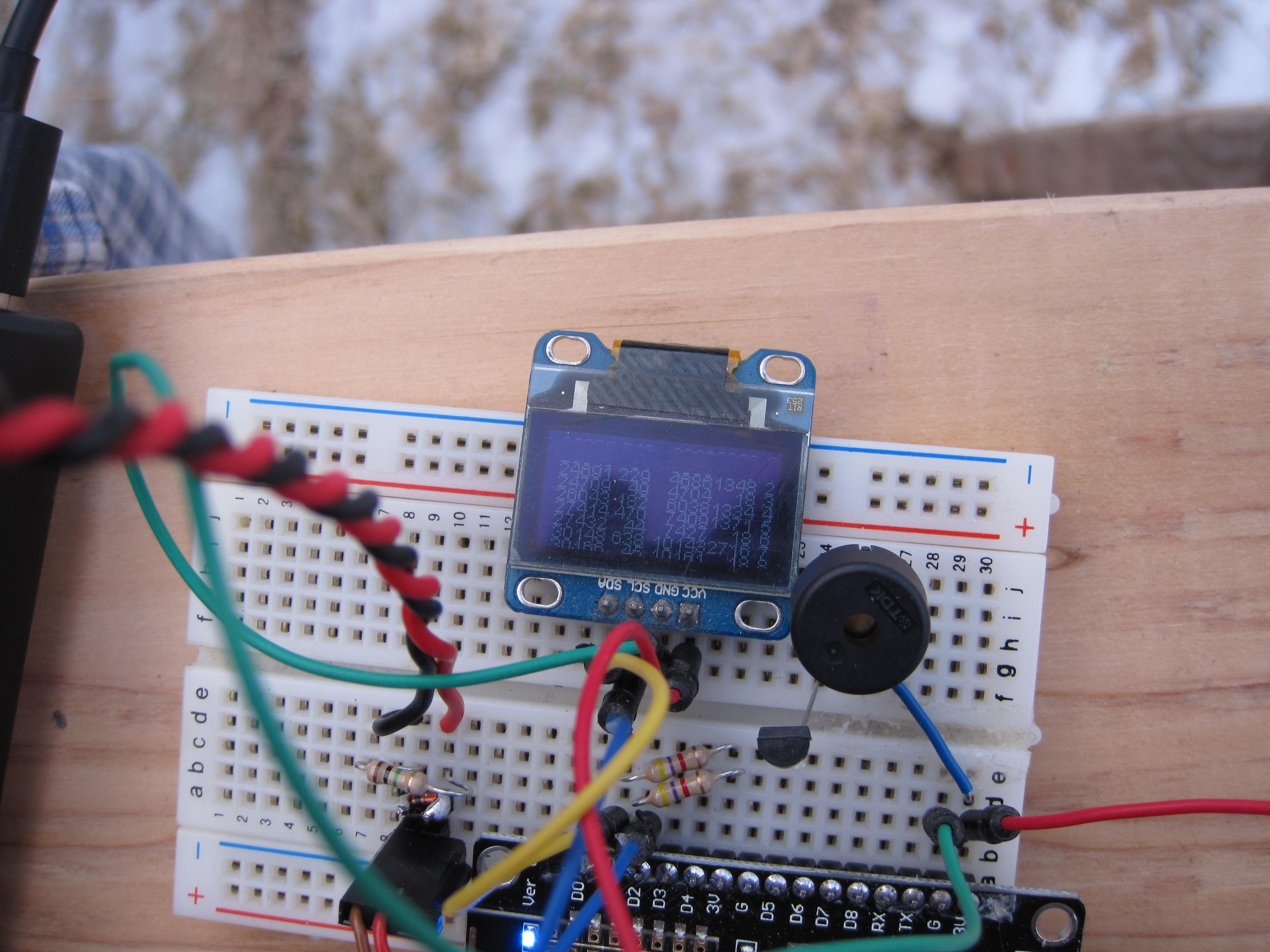
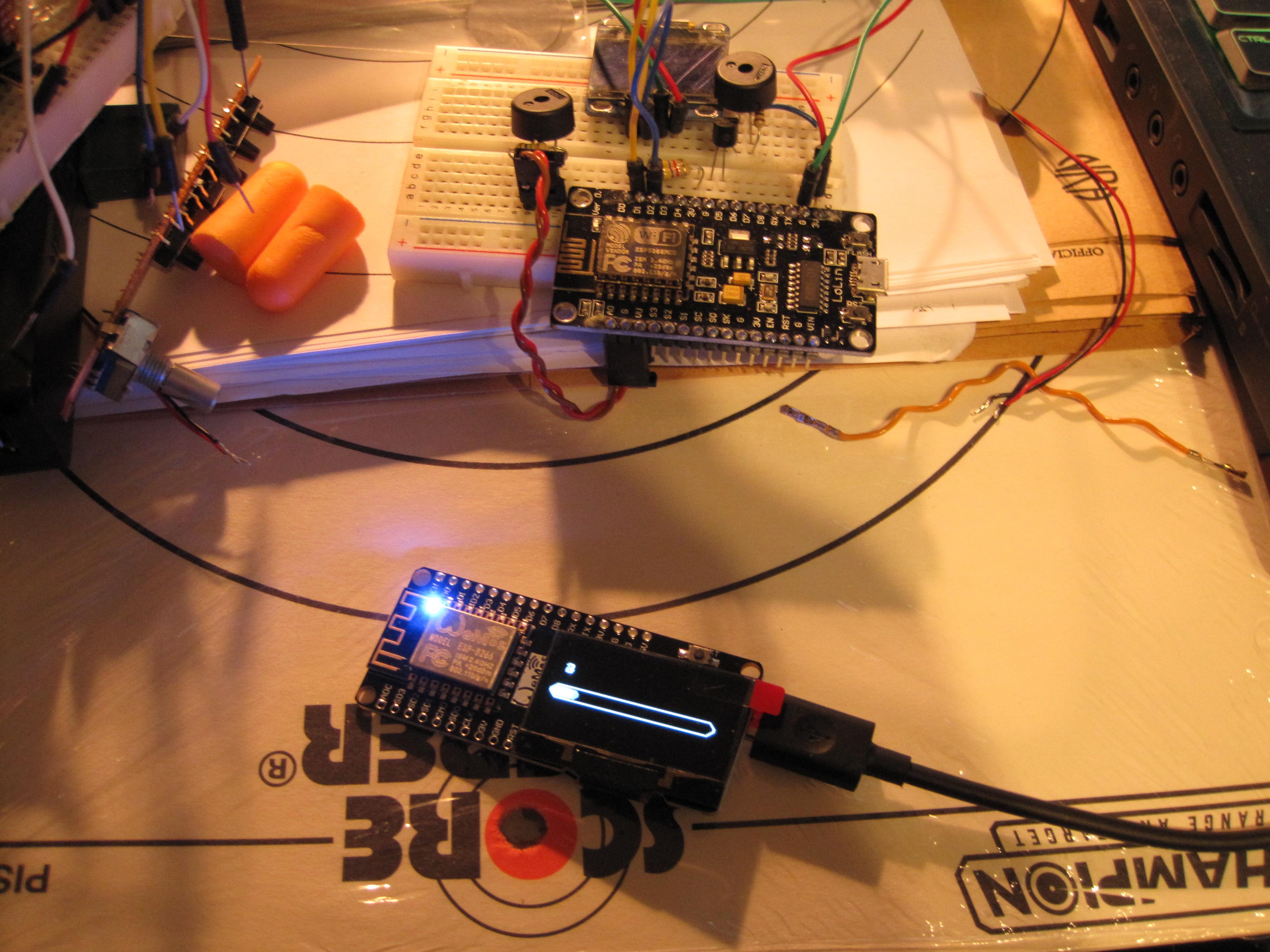
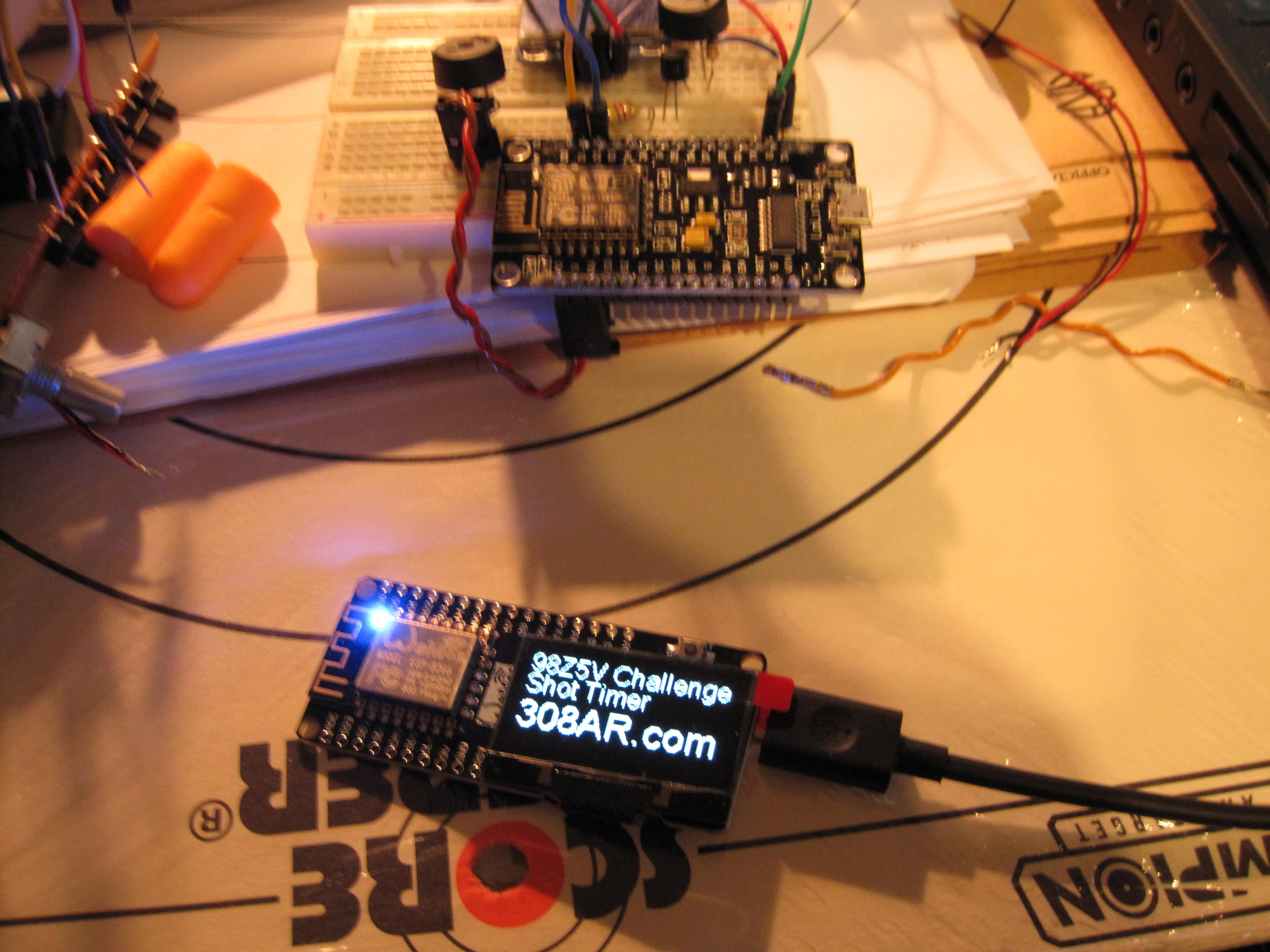
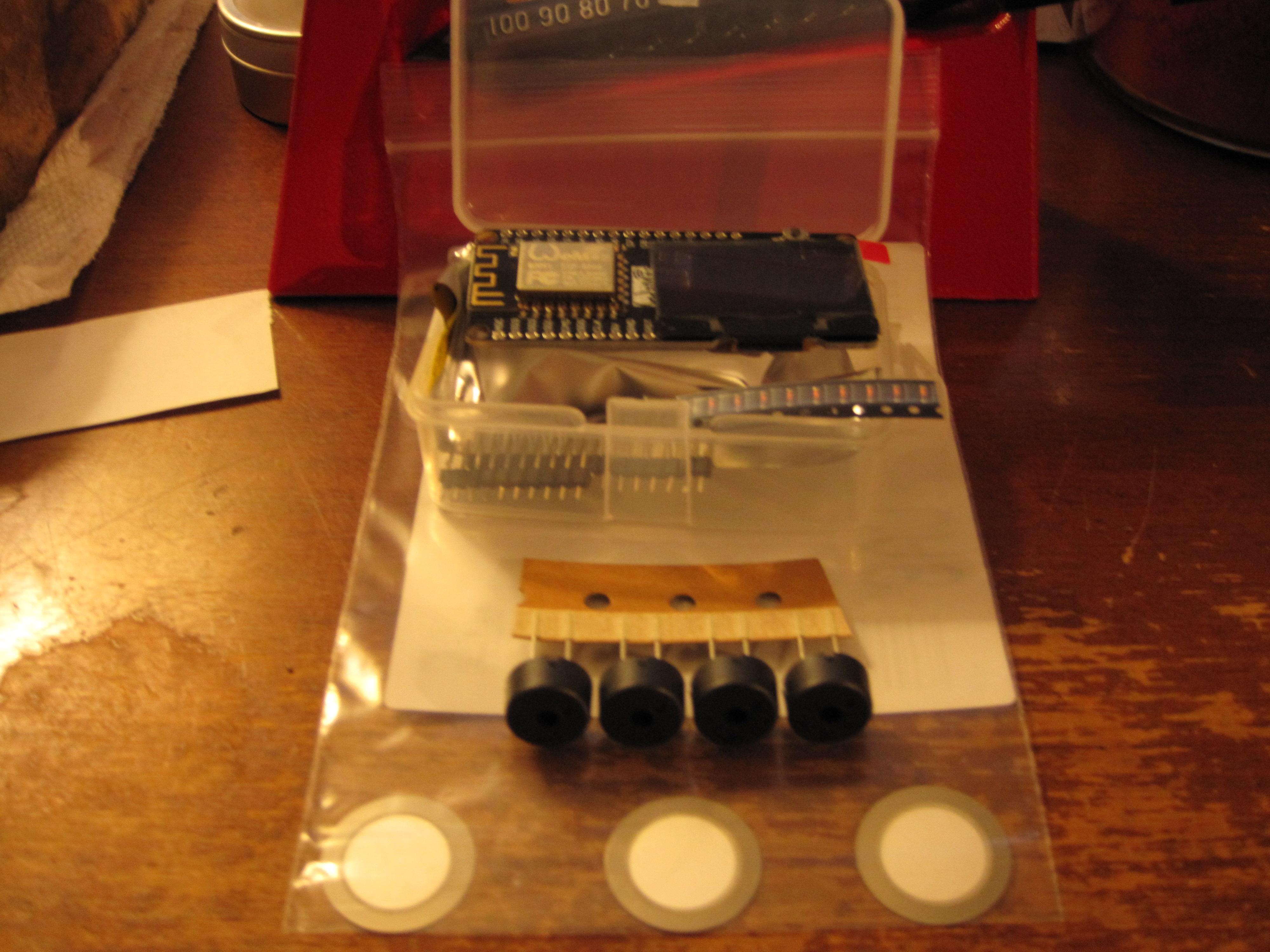
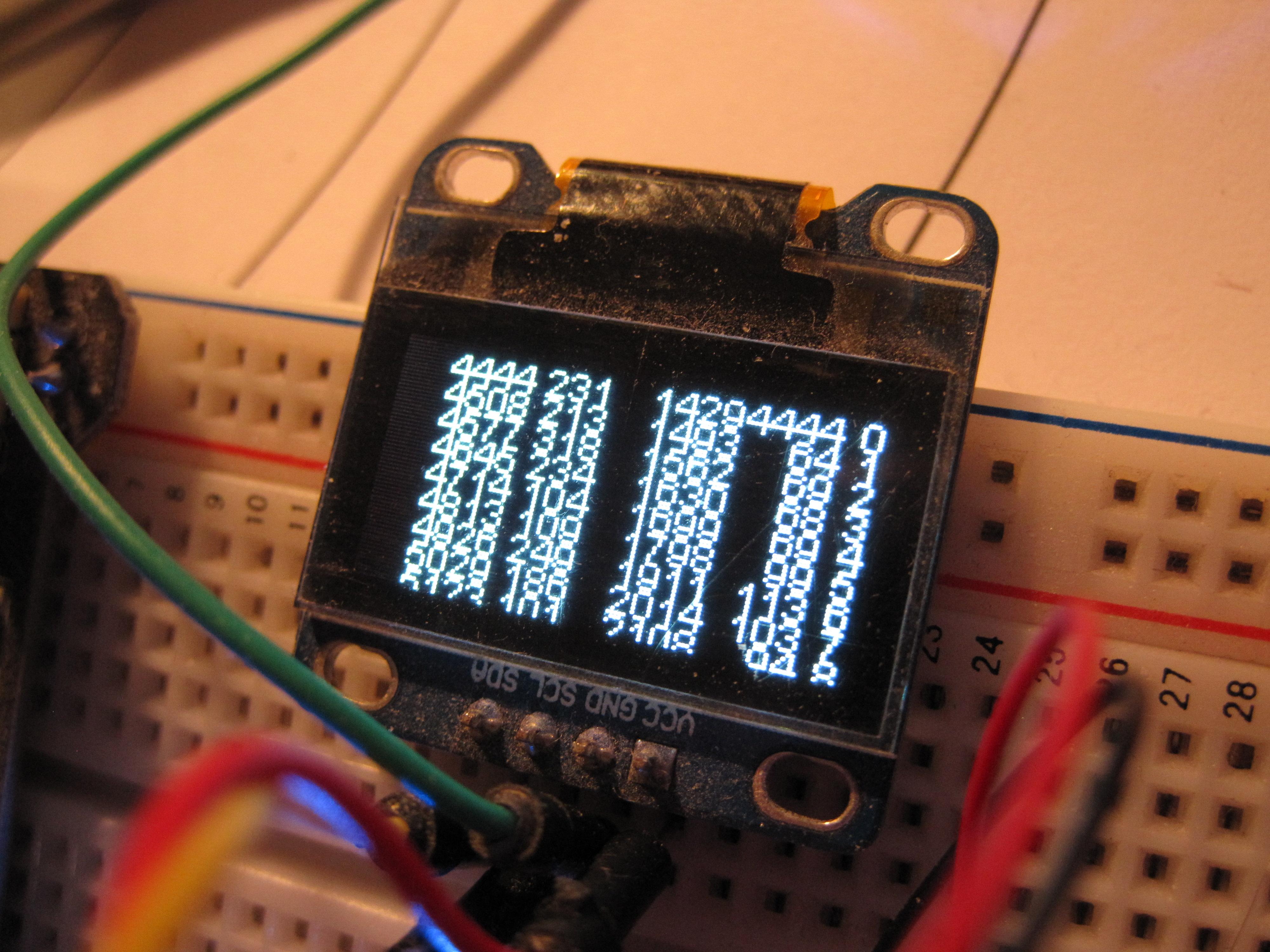
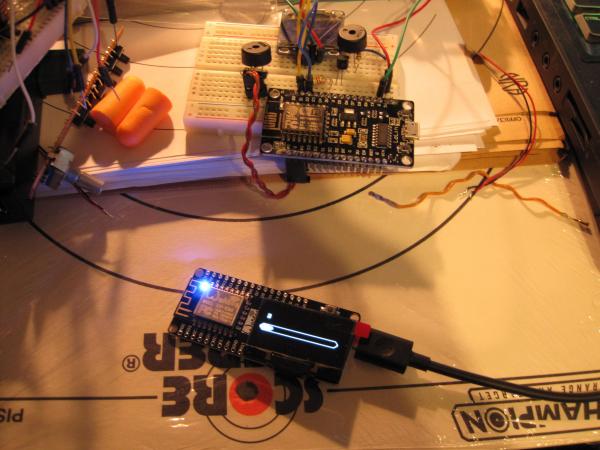
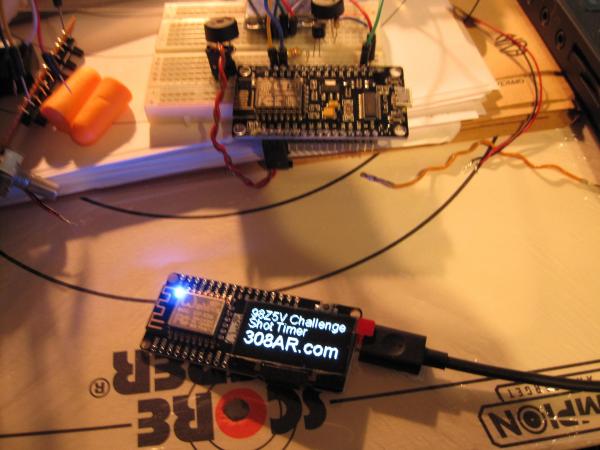
Still plugging away at the code but there have been a number of improvements since last night. Turns out some of my file writing woes were due to an undocumented oddity in the file mode commands. You can only seek a file in r+ mode (read+write); but not in w+ (write+read), or a+ (append+read). My programming to do list is shrinking rapidly, but I'm still not sure what day I'll have a fully functional unit. I will soon need to commit to a button layout, solder it, and mount it in the case. The only other thing I really haven't messed with is the battery power supply, and a charger powered by the USB port. I had used a standard USB battery bank for my outdoor testing the other day. I ported the code to the new larger display microcontroller to work out the first time file initialization functions; turns out the display has a different driver chip, but it is mapped to the same pins. That only took a few minutes to figure out and resolve. Somewhat surprisingly the ADC wiring on the circuit board must be routed much more intelligently; the noise on the new board is about 1/3rd of what I was getting on the module without built in display. On the electronics side, I had tried one of the silver piezo transducers I picked up from mouser; but couldn't solder to the silver surface no matter what I tried. Then the connection to the crystal element snapped off; so that's a no-go. Looks like they could be mechanically mounted with spring terminals, but that's not a good solution. I ordered some pre-wired 27mm piezo pickups which should have good low frequency response, and also fit perfectly inside the width of the enclosure. The buzzer had always been quiet; so I swapped that with a new unit also from Mouser. That was quite a bit louder but still not loud enough. Even with transistor amplification, it isn't cutting it in terms of volume. The other options are differential drive, or a charge pump; but a quick test of differential drive crashed the microcontroller. I bought a few active and passive buzzer modules which should be louder. If that's not enough, I'm going to have to find and disassemble a LiPo battery alarm that has a deafeningly loud buzzer. Here is a look at the OSD for the shot timing function. I may have to slow down display updates in the future; but the progress bar currently shows a live view of sound amplitude. I still need to write some code to display timing data for a short period of time; but I don't want to clutter up the screen with nonsense either. One thing I was still curious about is; how many shots would reasonably be recorded in a single shot string (or shot timing program)? I currently record up to 127 shots to RAM as the maximum before dumping it to the filesystem. The only problem with a huge number here is RAM consumption. Writing shot data to the file takes time though too; so I want avoid any interruption to the shot timing capture process.
-
No real update today. A ton of strange issues writing to the file system in the shot timer. It usually works ok; but I need to work out an initialization function for first time programming/first boot. I have the settings file reading and writing from the web interface. It's a tiny bit of copy/paste, and variable modification to do the same for the shot timer programming web page. The shot time data already writes to a file, but I haven't worked out the ability to download it; outside of a copy/paste of the webpage. Many updates in the electronics side of things; but it just made me order more parts, again. Nothing expensive; I think the final unit is still around $20 in component cost. I did a tiny bit of optimization in the shot recording code. I can get 2-3ms audio resolution while still running the display, WiFi, and webserver functions so far. If I turn off the big ones, I should be well below 1ms resolution; and there can be further tuning beyond that. There is very little bounce with the piezo pickup, with an appropriate threshold set, it does not pickup any echo noise at all. One of the new electronic scales showed up; but it is worse than the first one. Even after warming up and calibration it can't measure small amounts. Interestingly the packaging has cutouts for smaller calibration weights; but none are included or usable in the calibration process. Should have the load cell ADC by Friday if package tracking is accurate. I measured about 15 kernels before the balance of my Lee powder scale moved. I don't think the improvement in weight accuracy is necessary, but I will try to ensure consistency if possible. This 7.62x39 build needs to be cleaned and broken down yet. Too cold outside to care right now.
-
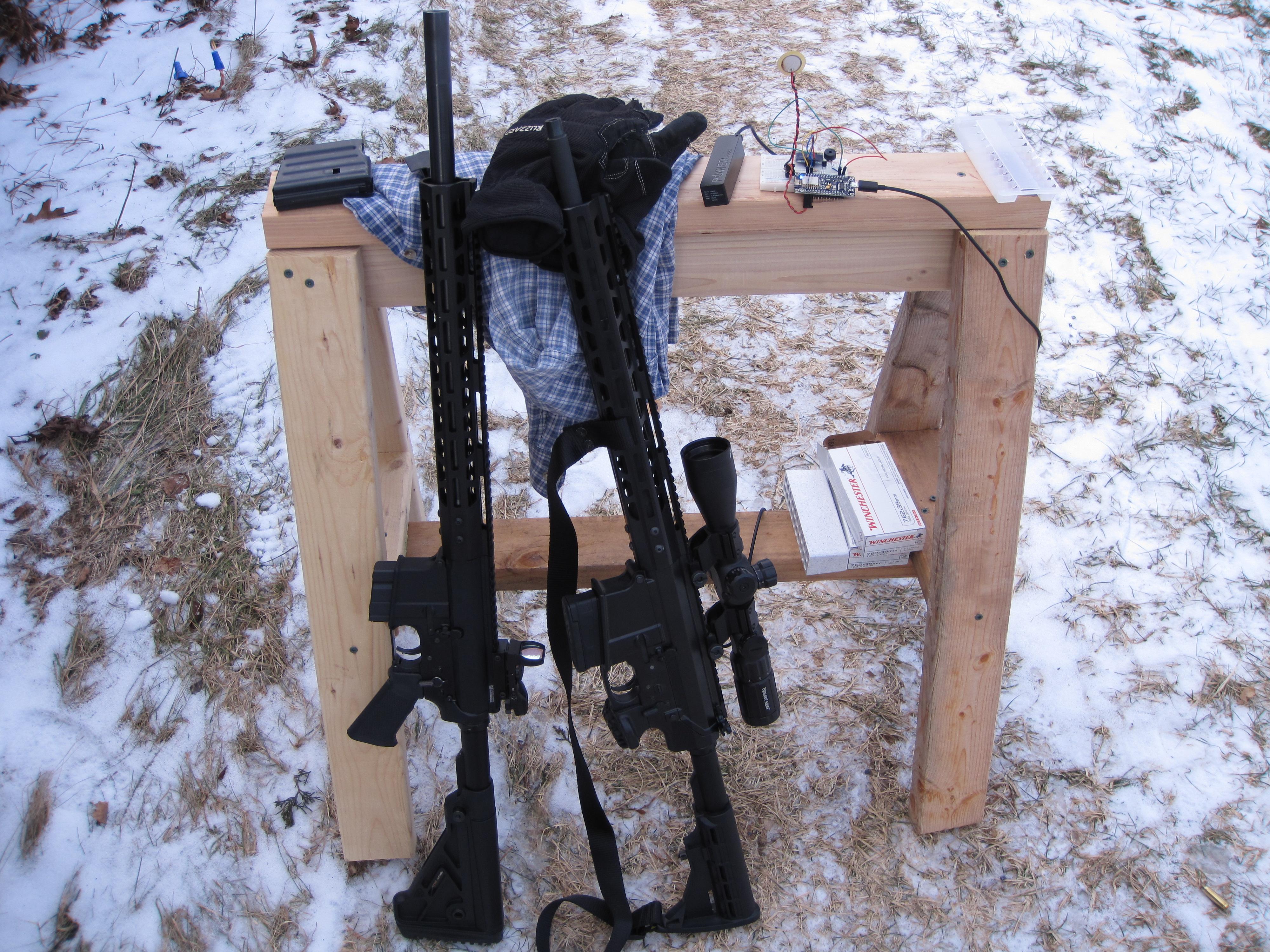
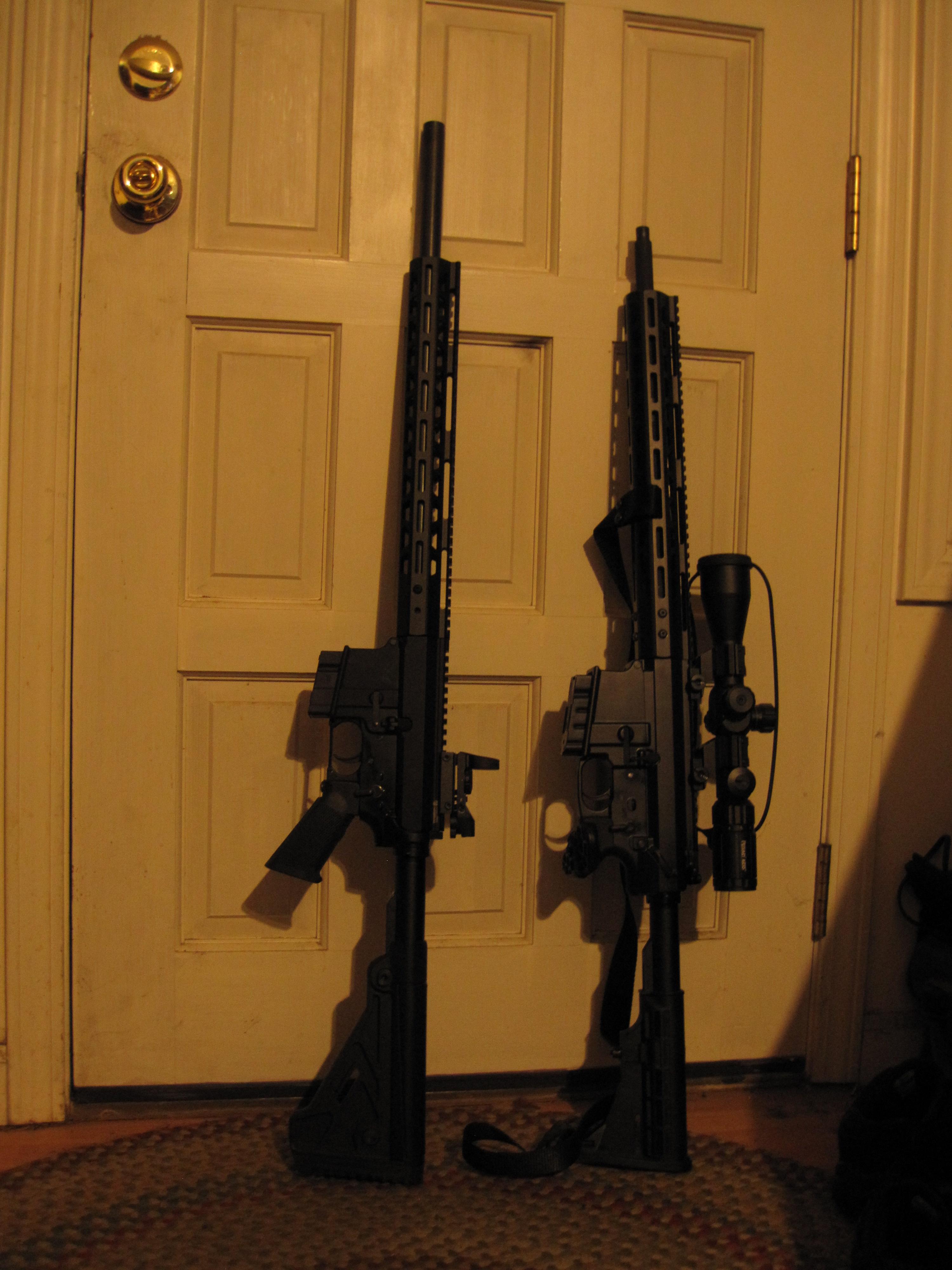
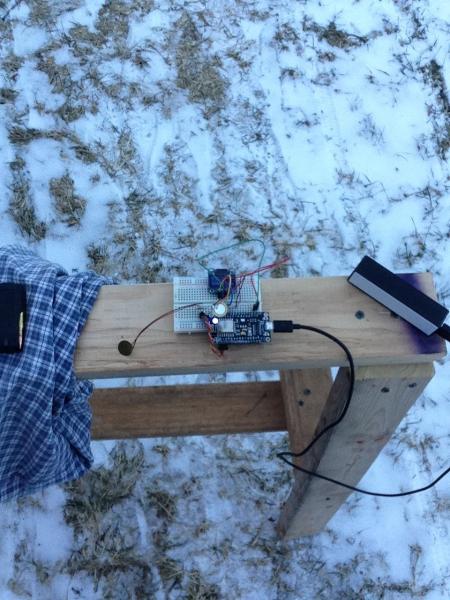
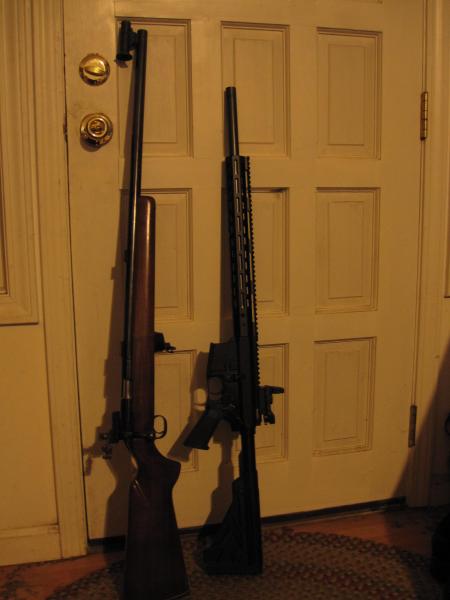
Beautiful guns they are; I wish I pulled this out for comparison earlier. I know it's a bit nitpicky, but I might have gone with a 12" handguard to match the profile better. I had to go outside and scare off a squirrel, so I figured it was a good time to test the shot timer. It sure was a different experience shooting on command. Not too surprisingly it picked up the shots just fine even with the low input volume. Plenty of programming work left to do, but it is nice to see it functioning in a real world test.
-
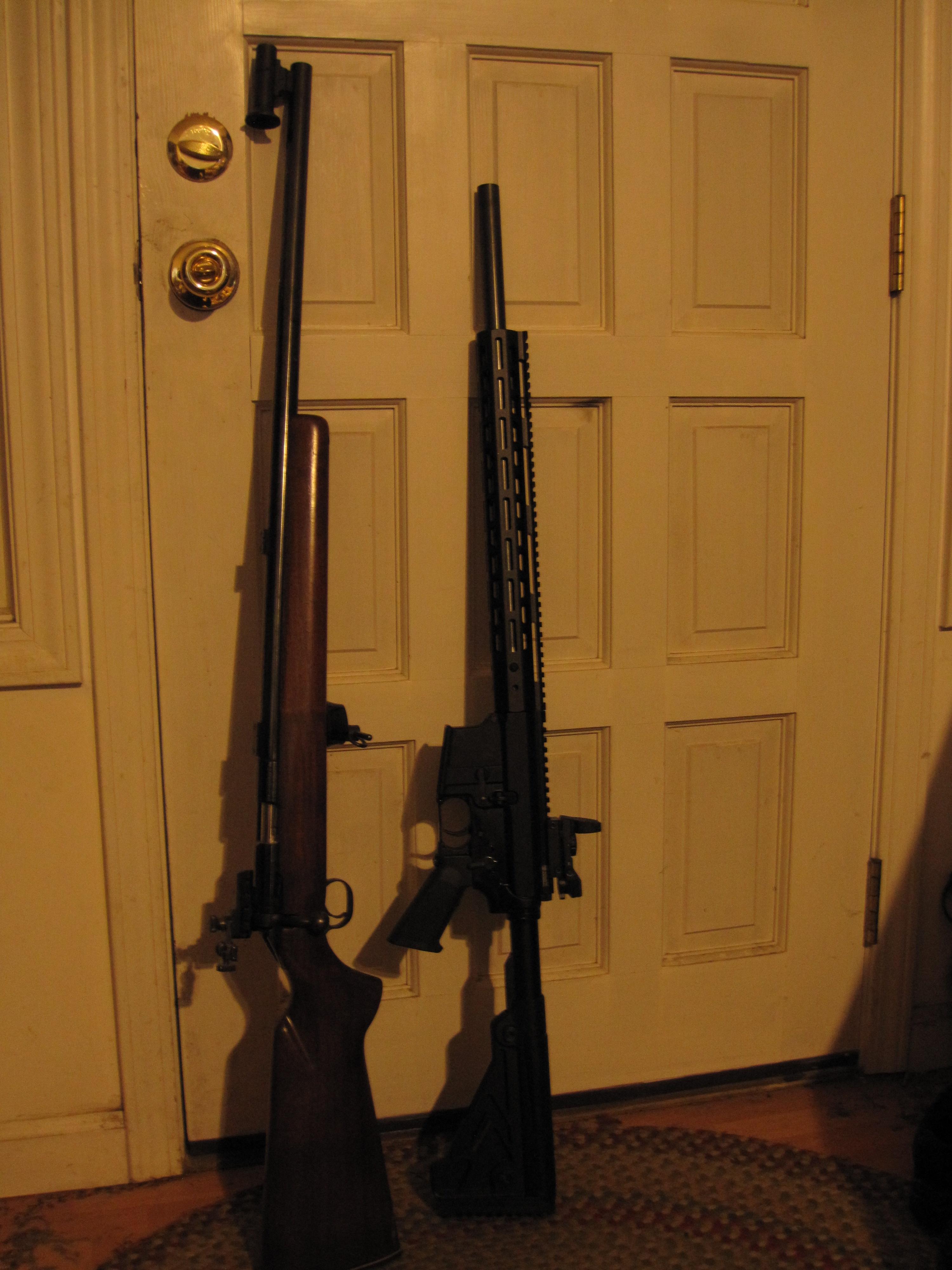
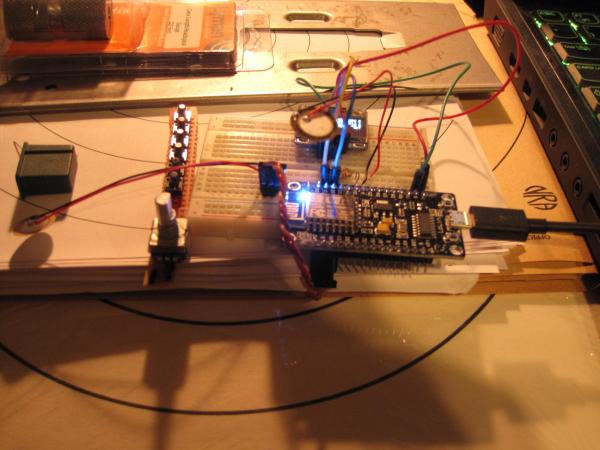
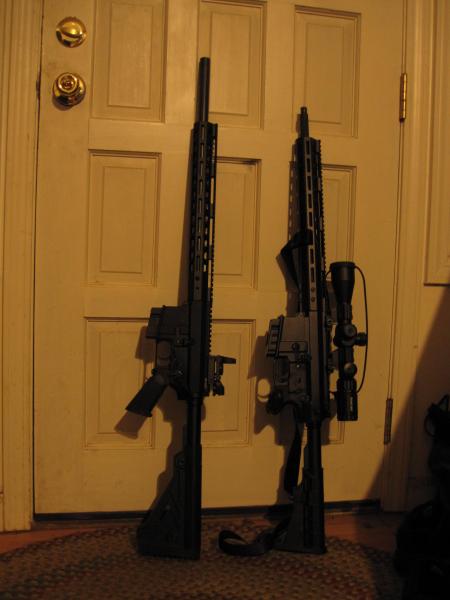
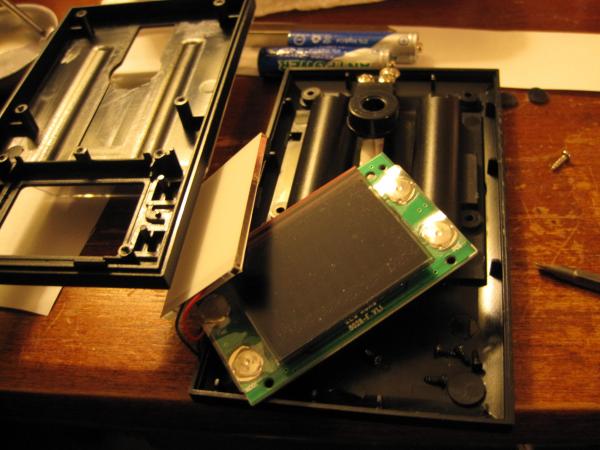
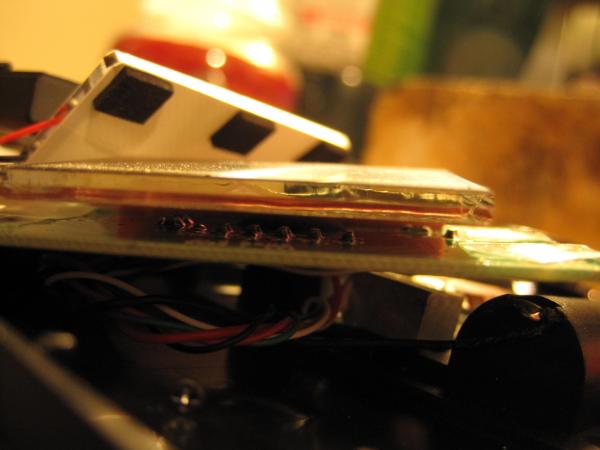
Shot timer has an audio input wired. The resolution isn't even close to what I was expecting; but it could be amplified. An electrolet microphone may be a better choice in the end, but it too needs and amplifier so I'll test both next. I have a MEMS microphone already, but will pick up one other variant in the mean time. Clocking the digital only MEMS unit at 2.4MHz would require quite a bit of code not suitable for the initial prototype. The piezo should function fine for this purpose since the shots are loud, but I believe I will need the extra headroom to help with noise rejection and dry firing. Here is a shot of the 7.62x39 on a donor lower next to the Ceratac 308 build as well as the Model 52 for comparison. I measured; and the Model 52 barrel is finished 0.30" smaller in O.D., .22 caliber of course. I still have to torque the barrel nut and check headspace. There is also a new 80% aluminum lower for it when I get around to that part. This package also contained the balance of parts minus barrel for a future .300 AAC Blackout build; because, why not? I did some more research into the scale, and also took it apart. Difficult to see, but under the LCD display is an epoxy blob IC. No idea what's under it, and it's not worth the effort to decap in this project. After a little reading about the load cell I found inside, I ordered up a few extra scales and a high resolution ADC. Electrical shielding is missing from this design; which means they are likely performing some kind of math on the output to reduce garbage fluctuations. I highly doubt they even tried to calibrate out the non-linearity either since the unit calibrated with a single 50g weight. Because I can't look at their existing code, I will have to start fresh with all of that (for the better really). The real benefit of doing so is to drive a trickler to hit a specific weight, in conjunction with tight measuring ability. I saw some scales that had adjustable feet; I suspect leveling the unit (and load cell) properly would give me the best results. The load cell was very crudely attached to the plastic case in this cheap scale; a sturdy enclosure is probably going to be required.
-
If you dump a load on fast with a drum charger, or dropping the cup gently on the plate, it is reliable. I didn't open this one up yet. The weighing unit appears the same as all the other 50x0.001g scales. I would want to buy a selection of models to reverse engineer the design. I'll be sure to order up every model I can find in the next few days.
-
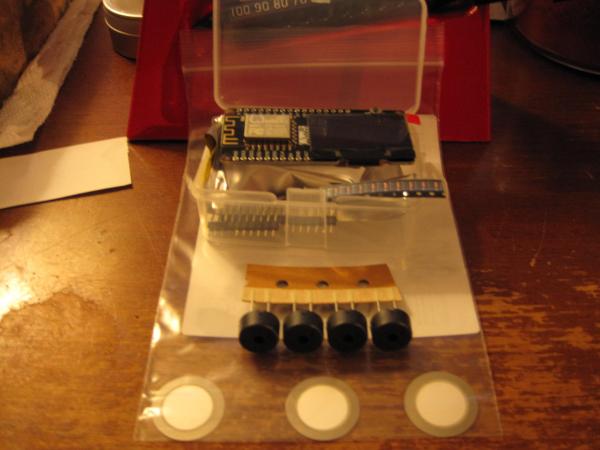
I counted out a few sticks of IMR 8208 XBR and they weigh almost exactly 0.01 grains each. Hitting balance, or tripping a digital scale to the next digit should be giving you a similar resolution in your loads already. You really got me thinking about automating the charging process; it is absolutely the part of reloading I spend the most time on. Having an accurate charge filled and waiting for me every time would certainly streamline things. In the end; this is all that matters. I don't believe increasing measurement accuracy could make any difference in shot accuracy. I simply enjoy testing the limits of the process. I got a few sets of reloading dies in the mail today; 7.62x39, 300 AAC Blackout, and 50 Beowulf. Some powders have a very small window in 7.62x39 (IMR 4198 is 1.4 grains starting to max load, H322 is 1.0 grains). That's part of what got me thinking about measurement accuracy. No 7.62x39 build parts today; the package arrived late to the distribution facility; should be here tomorrow now. I did get all the rest of the shot timer electronics, including the new microcontroller/display module. Looks like the same resolution display with larger pixels. It came in a nice plastic shipping box, so I won't even need to find/make and enclosure. It's even clear enough to read the display through the plastic. I'm going to finish the build with my original hardware first, and use these new boards for final builds. Next task is to solder the diode to the piezo and test real shot timing. Still have a bunch of back end programming to do; but I should have full shot timing functionality and testing ability by the time the gun fires first rounds.
-
I guess that's still the point here; it made me laugh when I saw how the numbers actually came out. I don't think anyone is stressing out over 10 feet per second in a load. I didn't find any indication of the Green Mountain barrel's bore. I presume a chrono would tell me if I shot both .308 and .311 projectiles out of it; but I think I'm going to call and ask.
-
That's what I was curious about. I giggled a little at the absurdity of 1fps resolution on reloads; I'm certainly not paying extra for it at this point. That is a different story. A scale that cuts off a tricker would be up my alley though. It only needs one extra variable; the cutoff delay to turn off the faucet (auger). Similar to the Fuk 'rD counting function on this crap scale I have; it's a simple programming effort.
-
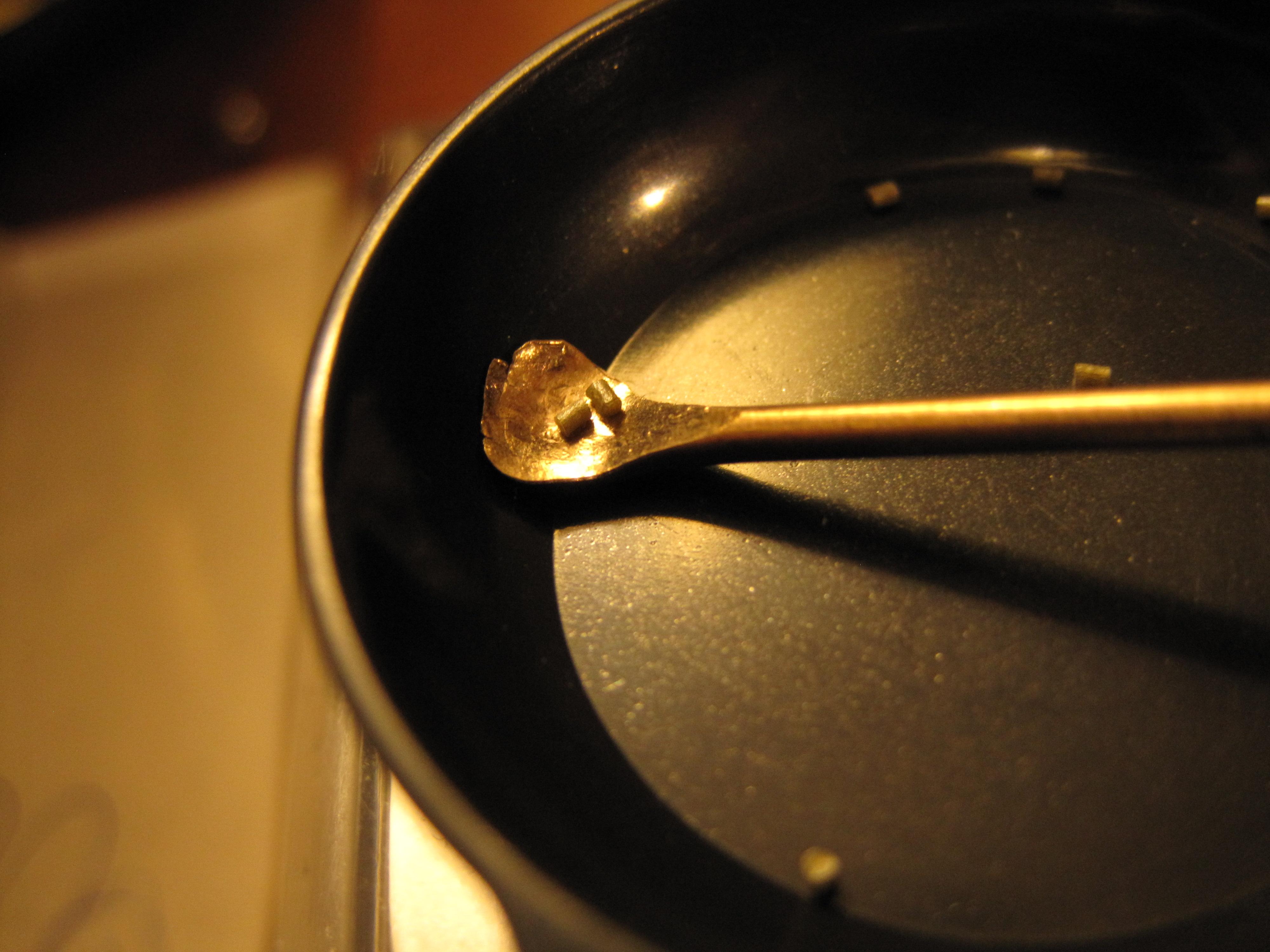
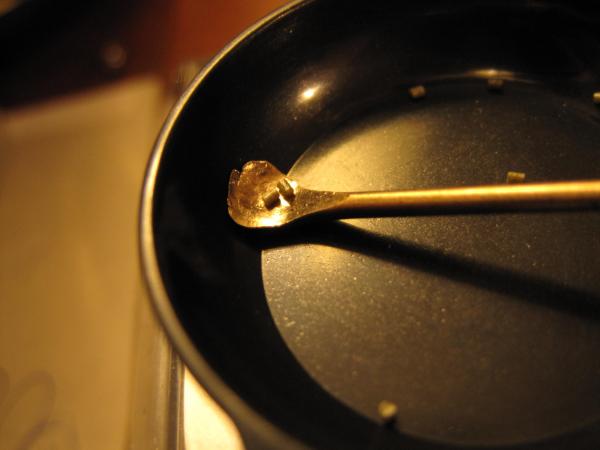
This particular cheap scale seems to have a bug that tries to accumulate when adding very small amounts of powder or trickling. That's why I had to make a spoon to get these results. It can be seen after dumping the pan even; which is kind of strange (it's really a programming glitch from what I can tell). It has the ability to count the items being weighed; so perhaps there was a variable transposition or something. Not unheard of in cheap chinese gadgets. There are a number of other similar looking $20 scales with a resolution of 50x0.001g that apparently work much better. That's a lot of money to still be off by 0.1 grains. Does it really take 10 seconds to dispense a 20 grain charge (20 seconds for 40 grains)? The other day I meant to try and figure out exactly how many fps 0.01 grain would amount to in the loads I was charging... If it is linear (should be close enough in that range); that would be 1.06 fps per 0.01 grains of powder between starting and max loads. I have no technical need for that precision at the moment; but I would be curious to see how consistent they can be in real world testing. No chrono for me this week; but as long as I don't get snowed in it could be soon. Expecting the necessary 7.62x39 parts tomorrow. Way too cold to go outside and have any real fun at the moment; but I'm getting excited to see it assembled. I'm actually considering another swept back grip despite being allowed a full pistol grip. I think it just flows better visually; but it also seems faster to grab after charging. Shot timer is coming along slowly now, but with intense purpose. In generating large configuration pages (16 programs in this case); I can overrun the available RAM. Easy to see why when I look at the raw HTML, which is quite verbose. I'm going to need to start watching my memory footprint. This doesn't constrain shot timing at all; only the web browser interface used to (make it easy to) program the device, and download timing data.

-
Welcome from the snow covered hills of New York.
-
Are you using a balance scale? I've only tried two digital scales for reloading (have other options); first one I used with success reads a floppy 0.1 grains, and this one gets close to 0.01 grains if not disturbed too much. Neither of them was more than $20. The pan could be a little bigger on the milligram scale; but that's not difficult to resolve. Looks like all the 7.62x39 parts will be here by the end of the week.
-
I knew it was Chinese well enough; but didn't know that Korean was that similar. I read about it for a while which was interesting. How tight do you tune your charges by weight? Not my finest work; but I made a tiny spoon that got me down to about +/- 0.02 grains now. At this point I'm banging up against some flaws in the scale. I think having 2 or 3 scales to verify weight would work ok.
-
I looked long and hard at that picture and couldn't read a bit of it. Learning to draw just one of those characters is a study in calligraphy; I can't imagine having to learn so many different characters though. I did make some progress on the shot timer's guts today. Apparently writing to the internal file system was a success, so I need to code the I/O of the settings menu parameters, shot timer programs, and finally the shot timing data into separate files. Already added the shot timer programming form to the web interface, but still need to add settings, and shot timer data display. Had ordered a whole assortment of diodes, only to realize the one value I explicitly need is not included. After much searching I had to place a Mouser order which has already shipped out; DigiKey didn't even have that specific part on hand, oddly enough. Had to get SMDs instead of axial leads because that's all that was in stock anywhere I looked. I picked up a couple extra buzzers to try out since I had to pay for shipping anyway. 7.62x39 parts are still on the way. The last thing I need to do with parts on hand is disassemble the bolt so I can check headspace once it's built. Sort of hoping to see everything by Friday; but who knows for sure. I loaded a few rounds today; measuring powder with a milligram scale for the first time. I doubt it will make a difference in these particular loads; but I was able to tune the charges to +/- 0.05 grains without even trying. Will need to forge a rice grain sized spoon to get it any tighter.
-
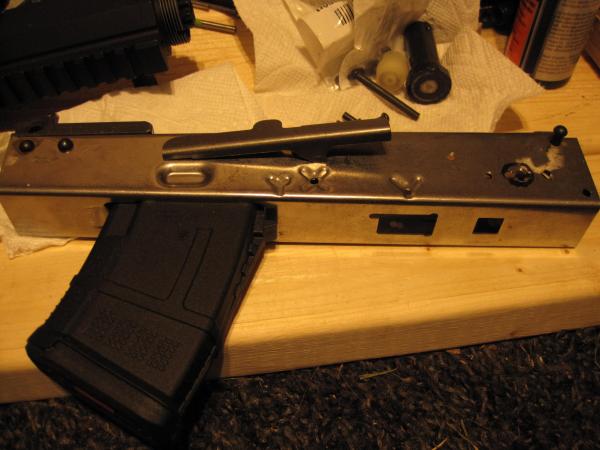
I've been playing with this for a while; but I figured I would show a picture of my progress and begin the build log. She is a 1972, Romanian made, battlefield pickup. That has been a very slow build for me, despite having all the necessary tools on hand for months. I opted not to buy any of the jigs or commercial building aids; the few things I really need are easy enough to assemble myself. The one thing that plagues me is the order of operations. While I know I need to rivet my front trunnion soon; it is apparently best to weld the rails first, and do the heat treating beforehand so the trunnion doesn't sink the heat. I also decided pretty early on that I want to hand finish as much of this as possible. That means using a drill and hand file to make each hole correct. I also opted to meet my 922(r) requirements by making all the furniture myself. That lets me keep the original FCG that came with my parts kit, and use a foreign made magazine if I want. I can't use the donkey dick hand grip anyway; so that's totally fine with me. That and the upper handguard has tally marks, so I might as well save that someone who could appreciate it, one day... Somewhere else but here... So far: Brand new US made barrel is blued, most of the lower holes are roughly drilled inside of tolerances, all front trunnion rivets fit well, most of the rear trunnion holes are close to finished, magazine fits very well with front trunnion position. Still to finish: clamp, drill pilots, and weld on the rails, grind rails for mag fit, trigger guard install, center support hole, make the trigger/hammer holes work perfect, rivet it all together, finish milling the wood furniture, press the barrel in again while setting headspace (again), populate the barrel, assemble, test, fix, test, fix, shoot, adjust front sight, clean and blue the lower. Not quite in that order though... Oh yeah; and no pistol grip is allowed here; so picture that abomination of a spur on an AK.
-
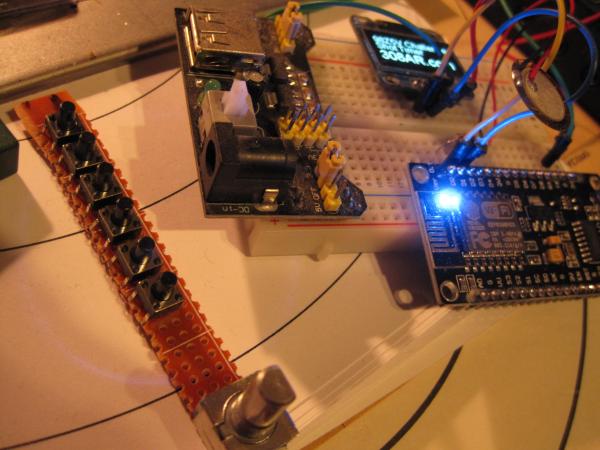
I'll try to slow down a little bit for you all. I didn't do any actual work today on the shot timer; other than make a list of everything I still need to finish up. I'm still waiting for diodes to show up in the mail at the moment. I did read about writing data to files (SPIFFS) and it seems like it could work even better than writing to flash the other way (which isn't working anyway). I might plug in a separate microcontroller just to test that outside of my existing code. I still have to solder up a button matrix and the rotary encoder. I broke up a bunch of perf boards for it; but haven't committed to the testing configuration. I added one more button; presumably for power on/off; but all of that is both programmable and not set in stone yet. The optical encoder also has a push button which could replace one of the other dedicated buttons as well. I was going to do some shooting today but found I didn't have any more .223 reloads on hand. I have boxes of clean, already primed cases; but nothing made up. All my other boxes were sealed, so that was a no-go. I did shoot off three magazine of .22lr and didn't even get one dud! I will never again buy American Eagle (Federal marked cartridge) .22lr; almost every box of 40 had at least one dud that required a second hit; and I found more than a few cracked cases. I'm just trying to waste them now so they aren't cluttering up my supply. The Green Mountain barrel will probably get 2 more coats of perma-blue near the barrel extension tonight. I think when I did the heat application, that area was sinking all the heat (and it still was attached to the upper). There is a distinct fade in darkness near that end; probably never visible with a handguard attached; but I might as well address it now while I can. I read somewhere that the point of applying that Fe3O4 finish is to hold oil, to prevent red Fe2O3 from forming. You can tell I'm a fan of bluing; I've also bought those compounds by the bag to make thermite; for casting of course.
-
Not really "real" split times. That debug measures the slop in timing from: code, a delay function, and some other nonsense with the ADC, etc... I'm actually running a ton of code in the display loop and still getting decent numbers. I even tried clocking up to 160MHz from 80 and didn't see many changes in those numbers. Taking the shot timing functions out of the main display function, and doing display updates only on shot input could bring me well below 1ms resolution. The clock cycle time on an 80MHz clock is 12.5 nanoseconds. Even at 10 clock cycles per execution it could be 1/8 millisecond resolution. For reference; CD quality 44.1kHz sound is sampled every ???. Does anything currently qualify 1ns resolution?
-
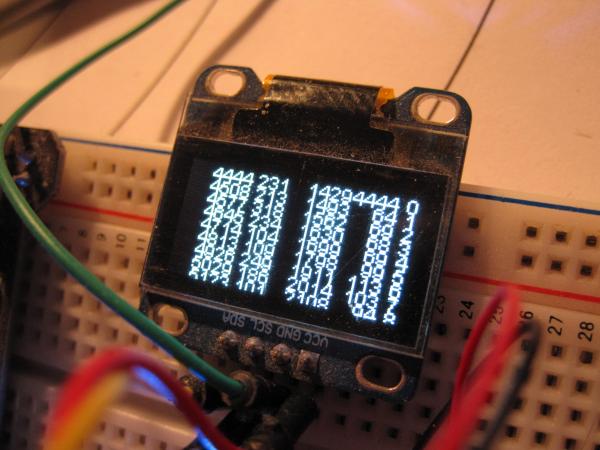
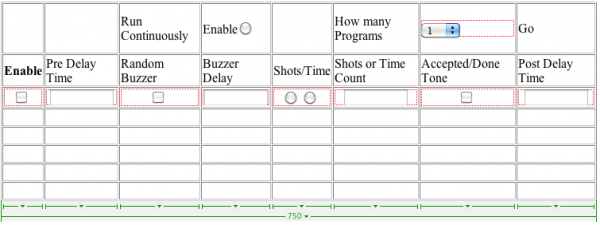
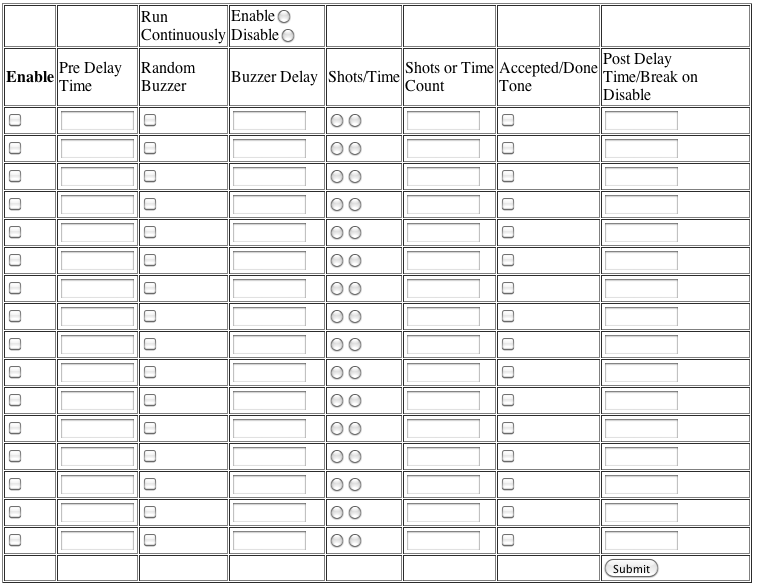
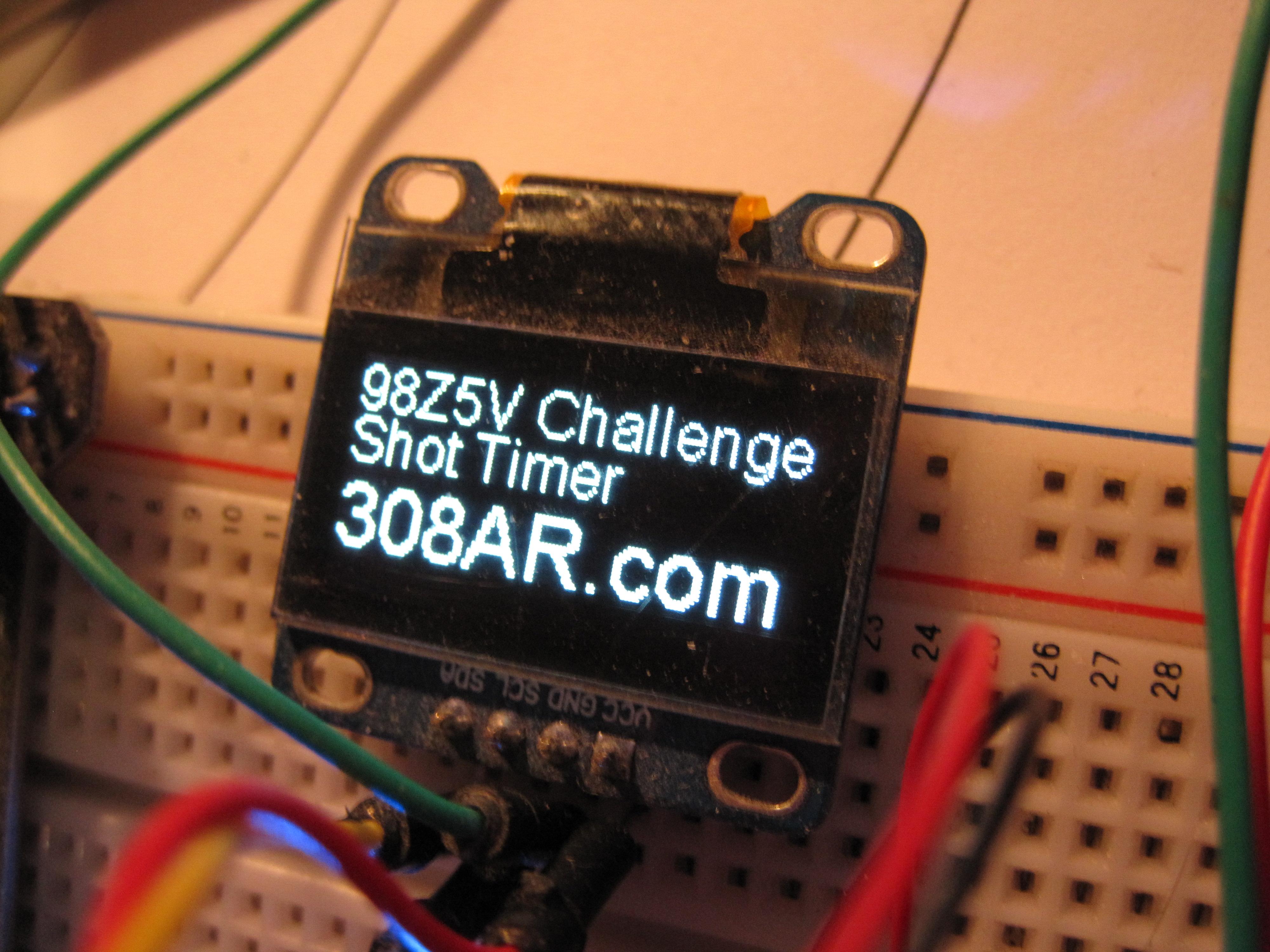
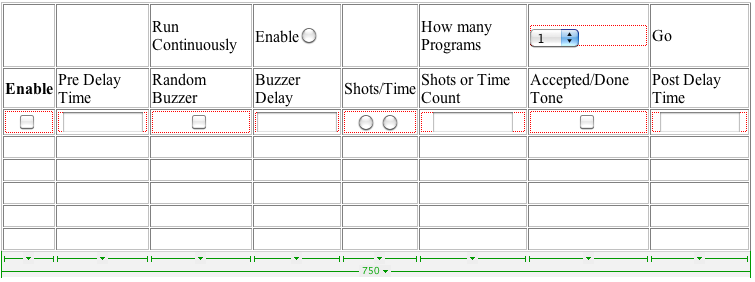
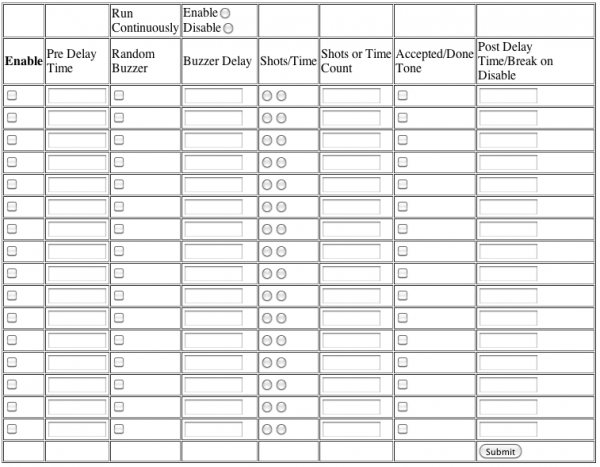
I looked back at my own post and saw I wasn't actually displaying the split time. Fixed that and went down a few more rabbit holes. Now the debug shows: raw time, amplitude, time from buzzer, split time, stored memory location. Current menu options are: Go, Mode, Program, Settings, WiFi, Shutdown. Menus are actually animated without any significant code or memory usage. The web interface isn't much use in programming without being able to write shot timing to flash memory, though I do recall some kind of file writing option. There is certainly a work around here one way or another. The other image is a fast and dirty web based form for configuration of a program. I believe it can handle every scenario you described and then one. They can be chained together, or run individually with the go button. You can also just set a super long recording time for your last case; with one total program like this. Still working out a few details, but the buzzer plays, and times are measured (real split times now too).