
Lane
-
Posts
1,042 -
Joined
-
Last visited
Content Type
Profiles
Forums
Downloads
Gallery
Store
Everything posted by Lane
-
A couple of final questions on this build... I looked at the sticky thread about checking headspace and the .pdf file that was linked from the Armalite website is not longer available. Does anyone have a copy of that? I asked Ceratac directly about the headspace today; and apparently they don't check if you buy the kit unassembled. Could have paid $15 more for all that, but I didn't know it or think about it at the time. I went to my local gun shop this evening and asked about getting a headspace check; their gunsmith quit around the time the NY SAFE act went into effect (what a shock). Apparently there are very few left around. They only had one recommendation and it's very much out of the way for me. It looks like I'm going to have to invest in a set of gauges myself; but if I do that I might as well keep building more .308s for that kind of investment. Does anyone trust the hack method with a 3x5 card; using a round, and then padding the bolt face with a small piece of a 3x5 card as the extra length of a No Go gauge? What about test firing it from a distance and checking the brass? I'm not saying I want to cheap out on this (surgery is far more expensive), but I figured I would ask anyway. I think I'm going to drill out the FCG holes on an AR-15 lower I milled out a few weeks back just so I get my bearings. I would much rather make a mistake on that at a mere $30 than the .308 lower which is close to $100. Once I feel like I've got the confidence; I'm going to go for it (but without a headspace check it's not a rush tonight). I have a vise bolted to the table that is perfectly centered right now; I'm going to have to use a different method than I have in the past since I don't have any stubby 3/8" bits. I would have to remove the vise to use a full length bit and I'm just not ready to do that yet.
-
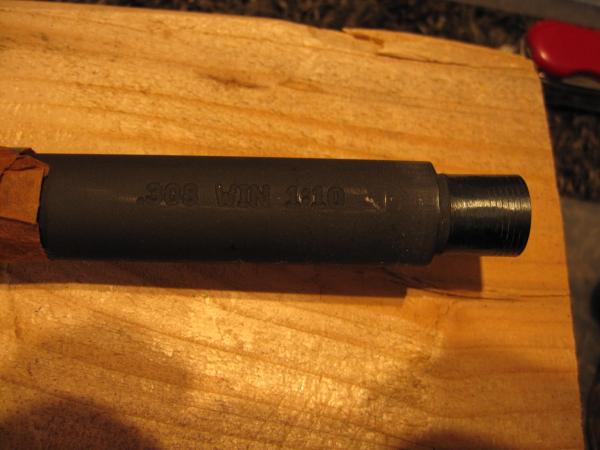
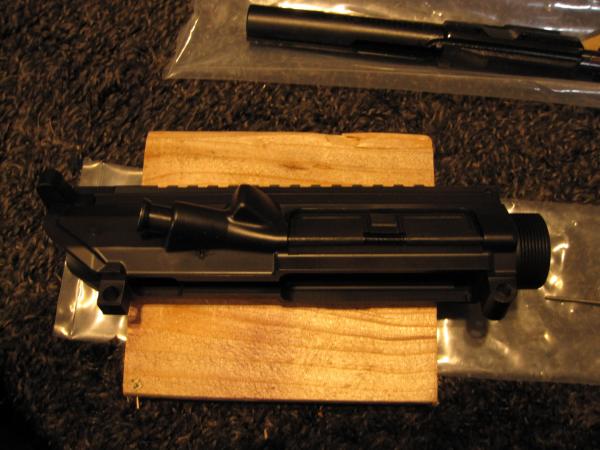
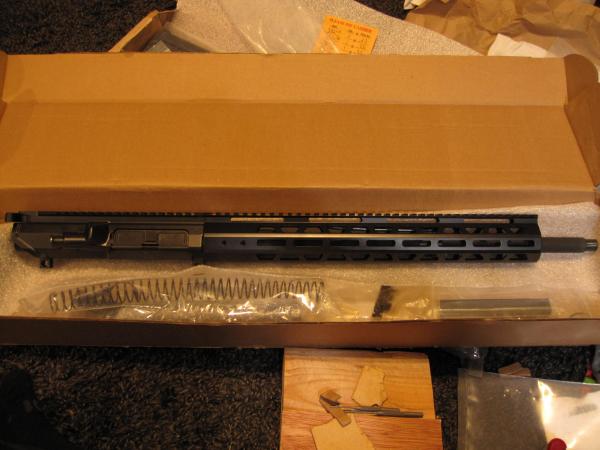
I got the threads ground off the barrel and blued it. Assembled the upper receiver, attached the barrel, and torqued down the nut. Installing the gas block roll pin was a huge pain; I'm glad Ceratac keeps shipping two with their kits as I ended up punching it out and installing the second one. I had difficulty getting the gas tube to clear the barrel nut and feed into the upper receiver. That as the reason I pulled the pin before determining I could tweak the gas tube to help it clear. I ended up tweaking it a bit more to get the gas block to mount correctly in the dimple as well. It all looks good now and the bolt carrier group feels nice and smooth all the way home. I will get back to the lower again in a bit and should have that together fairly soon. I just want to double check all my measurements and layout before I go ahead with that. So far it all looks good though.
-
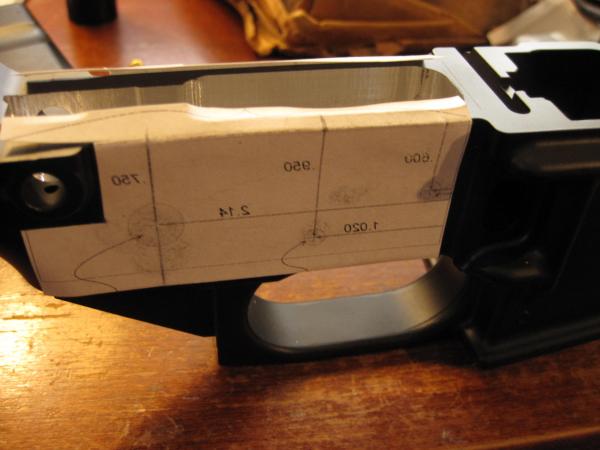
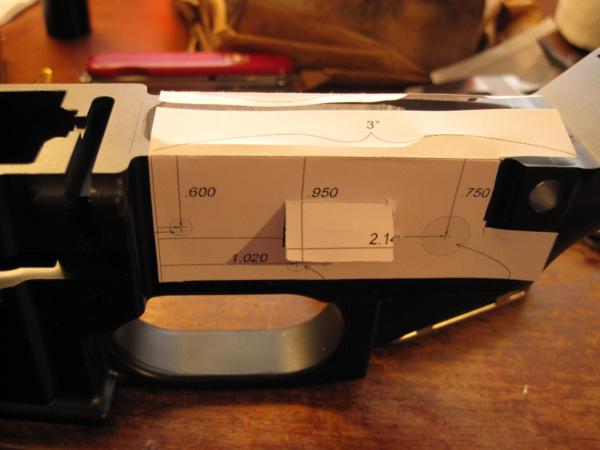
I laid out the fire control group and checked all the vertical measurements. I think I'm going to go grind the threads off my barrel (thanks NY), and work on the upper build for a while while I think everything over. I think it's worth installing the rear takedown pin and double checking all my horizontal measurements from that before I go ahead and drill. I don't have anything else in mind at the moment but that's why I'm going to take a break to make sure I'm totally confident. Moving right along now...
-
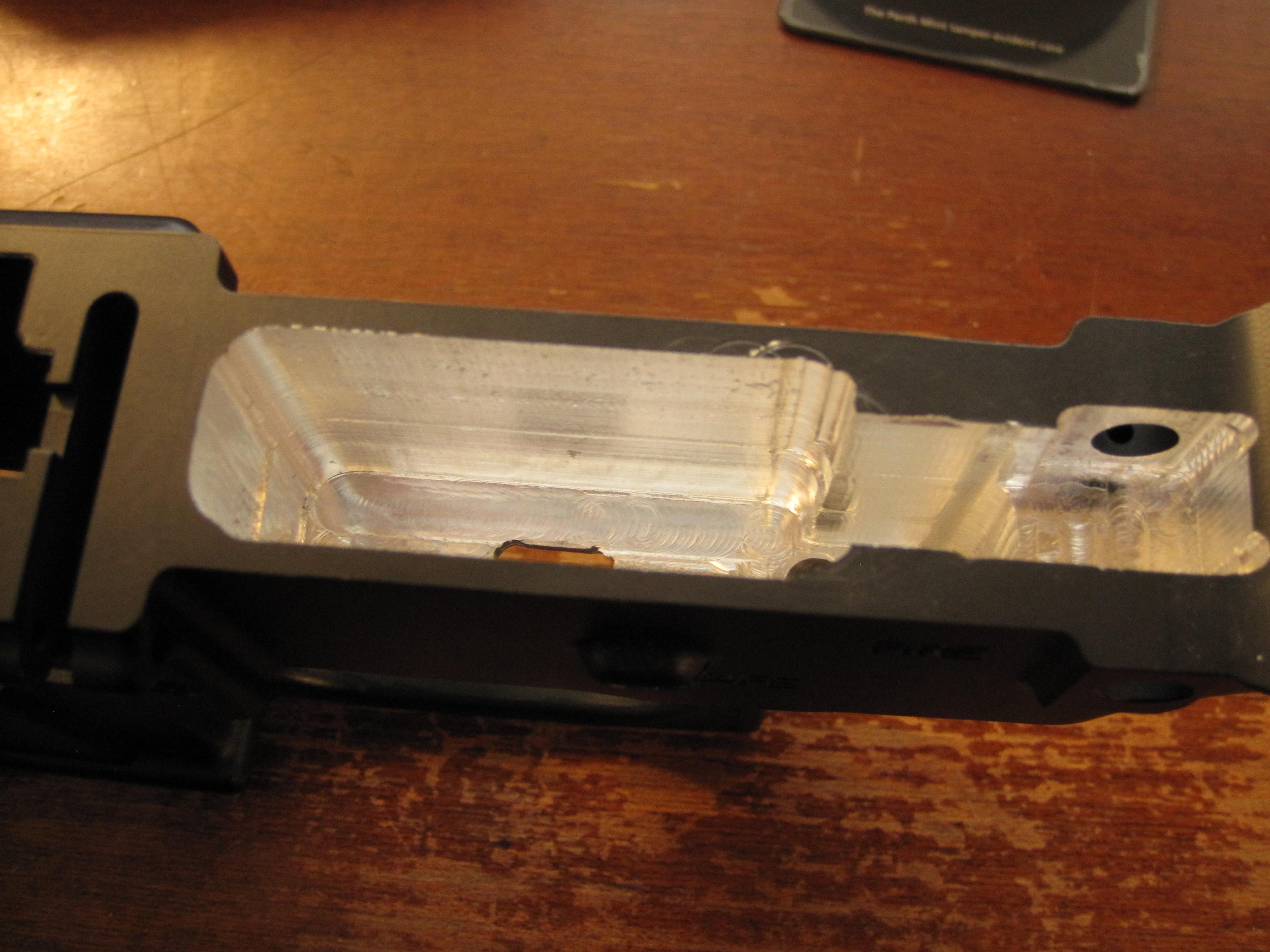
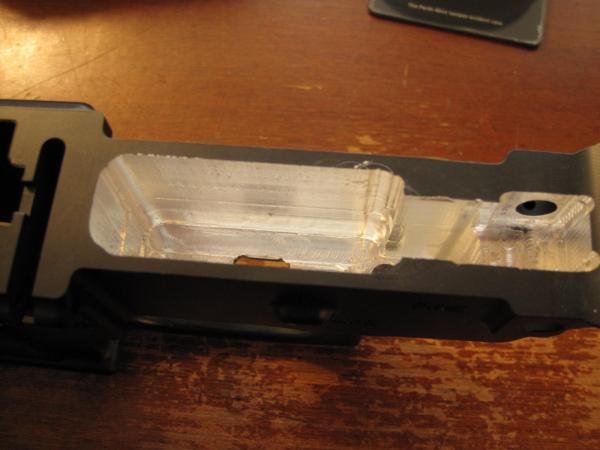
I am roughly finished with the milling now. I left a bit extra on the bottom and front of the pocket to trim out at the very end once I have the fire control group installed and checked for clearances. The trigger fits nice and snug so the side walls are just right. I simply like to take my time on those last bits so that I don't have to make modifications if I were to take too much off now. I left a little extra in the selector area walls because I don't think it matters. I will likely clean that up during any finishing work on the mill. I might even simply trim the front only for hammer fitment since there isn't anything else that matters in that location. Once I lay out the fire control group holes I'm ready to blast them out and finish this up. It's been a lot of fun so far and I can't wait to get it assembled. Unfortunately I don't have headspace gauges for the .308 so I'm going to have to figure out what to do in that respect. At least I can lube it up and break in the mechanics in the short term. Thanks a lot 98Z5V; I wouldn't have jumped in this deep without your help.
-
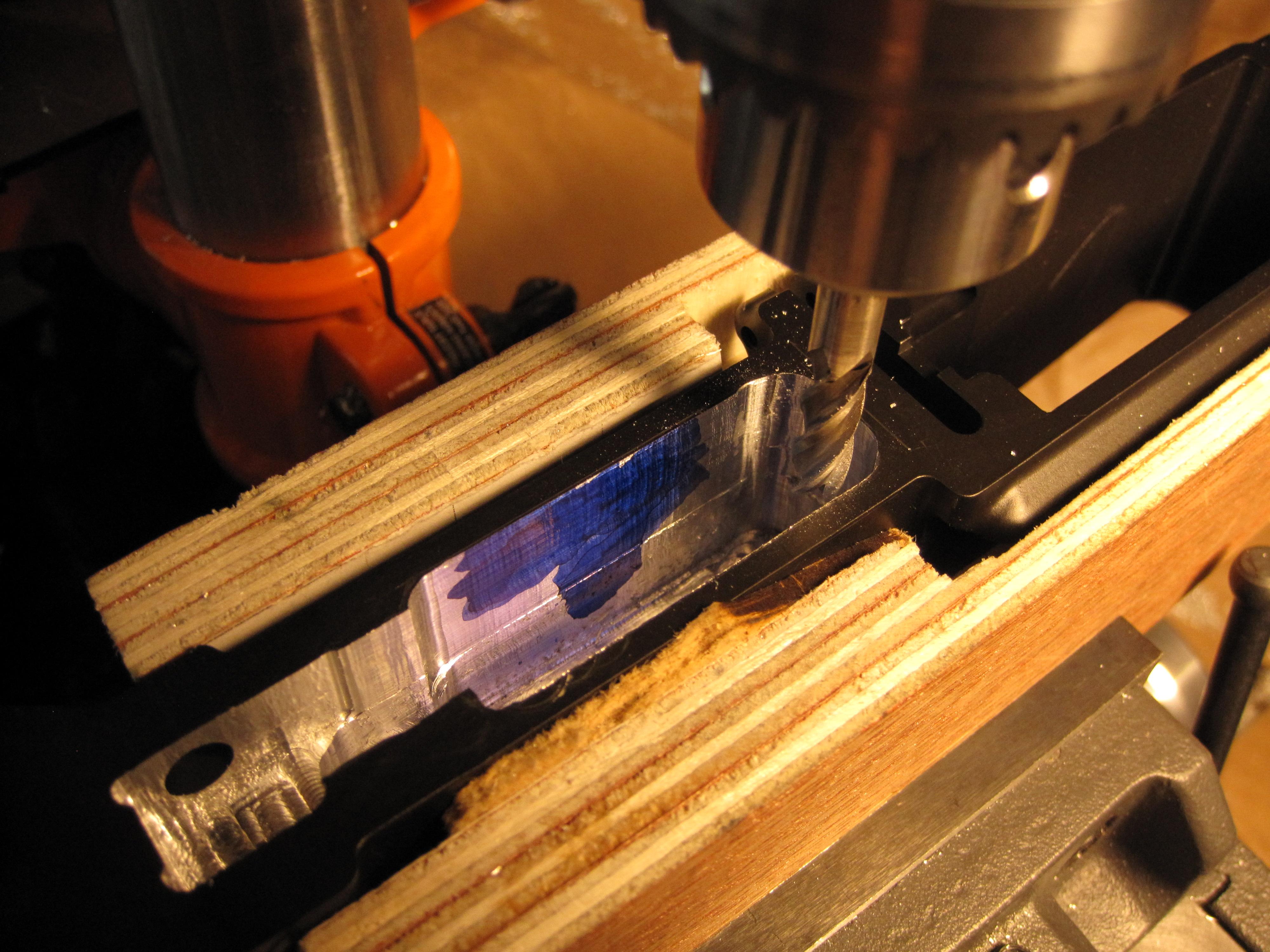
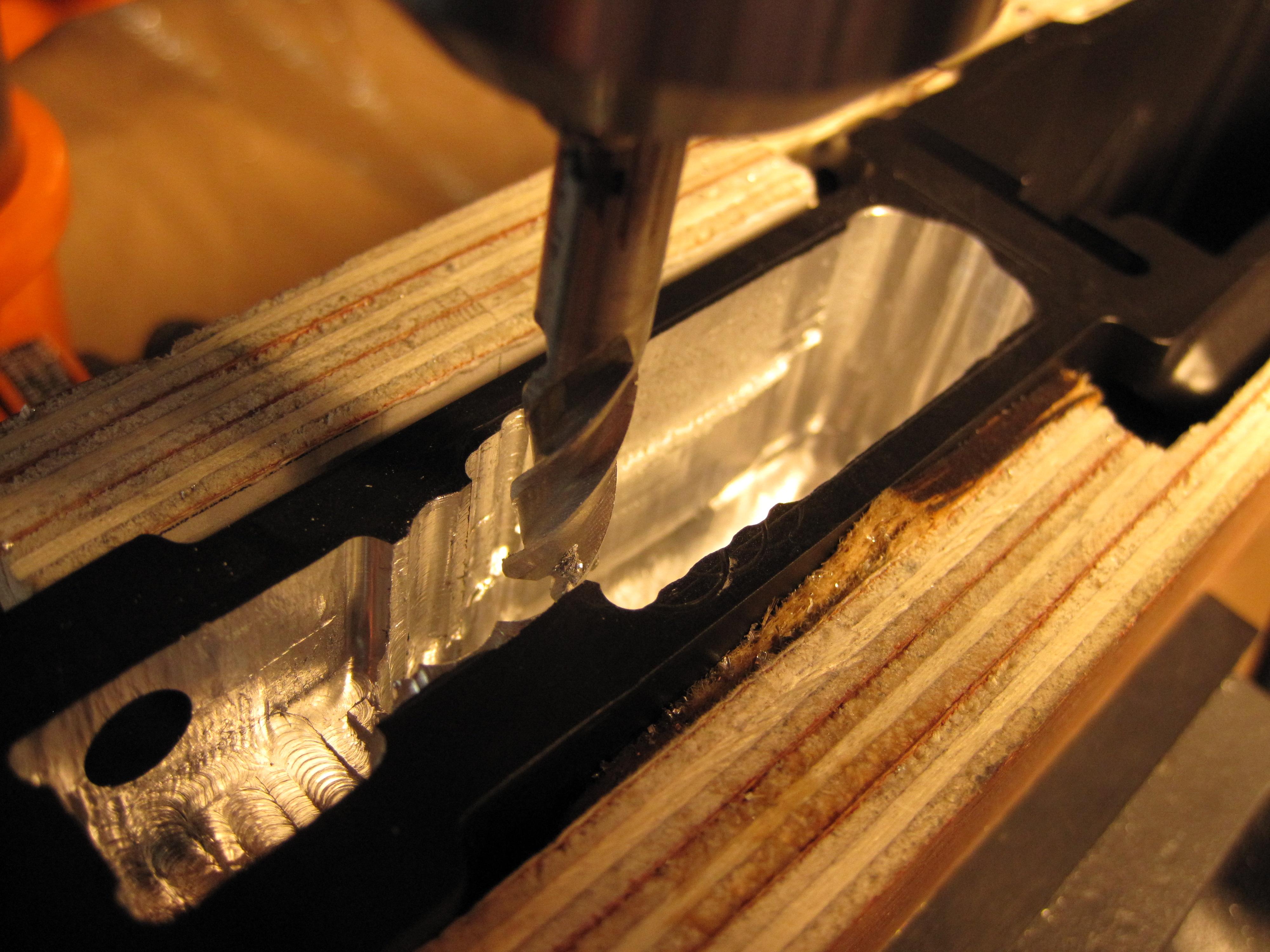
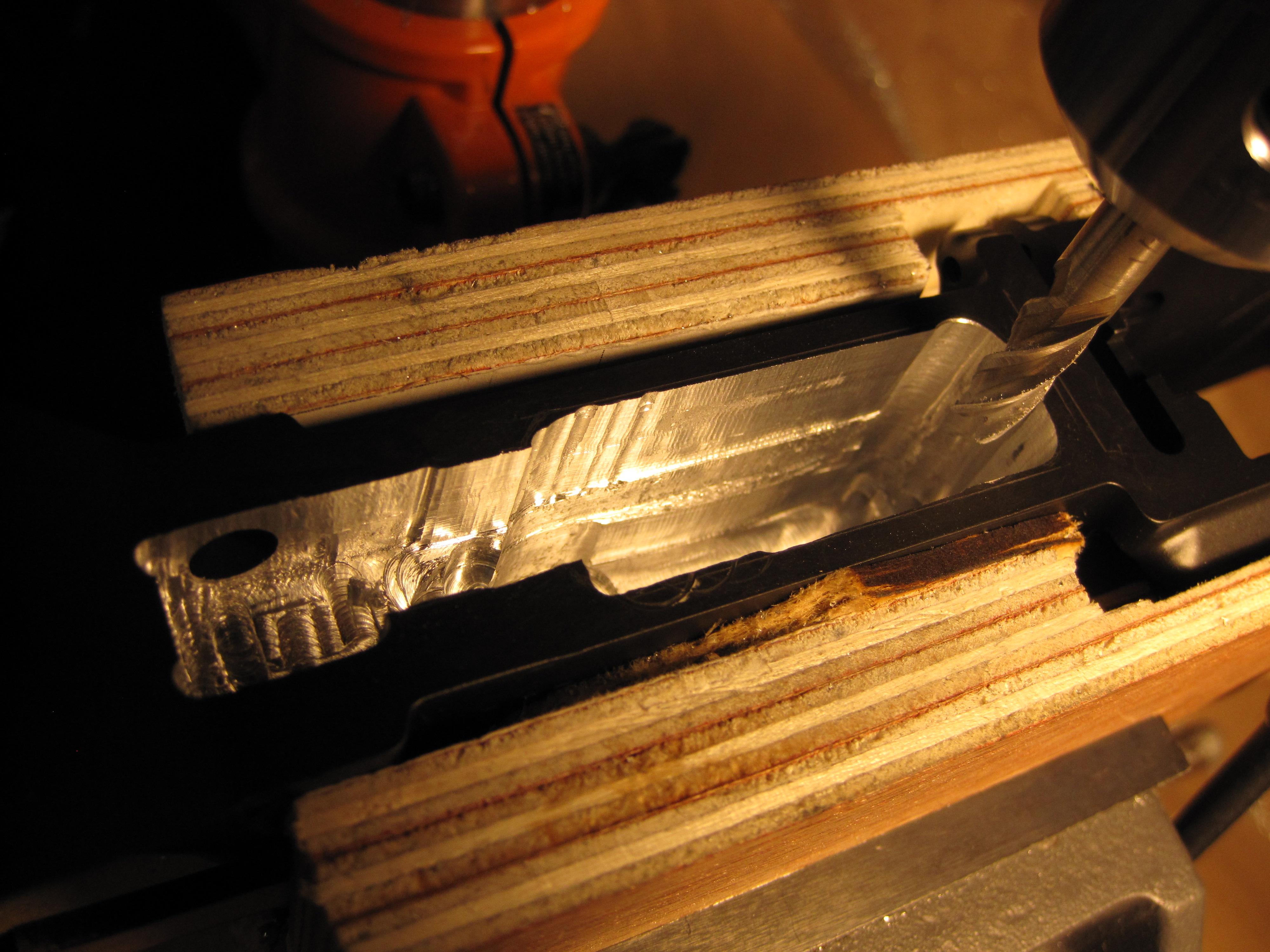
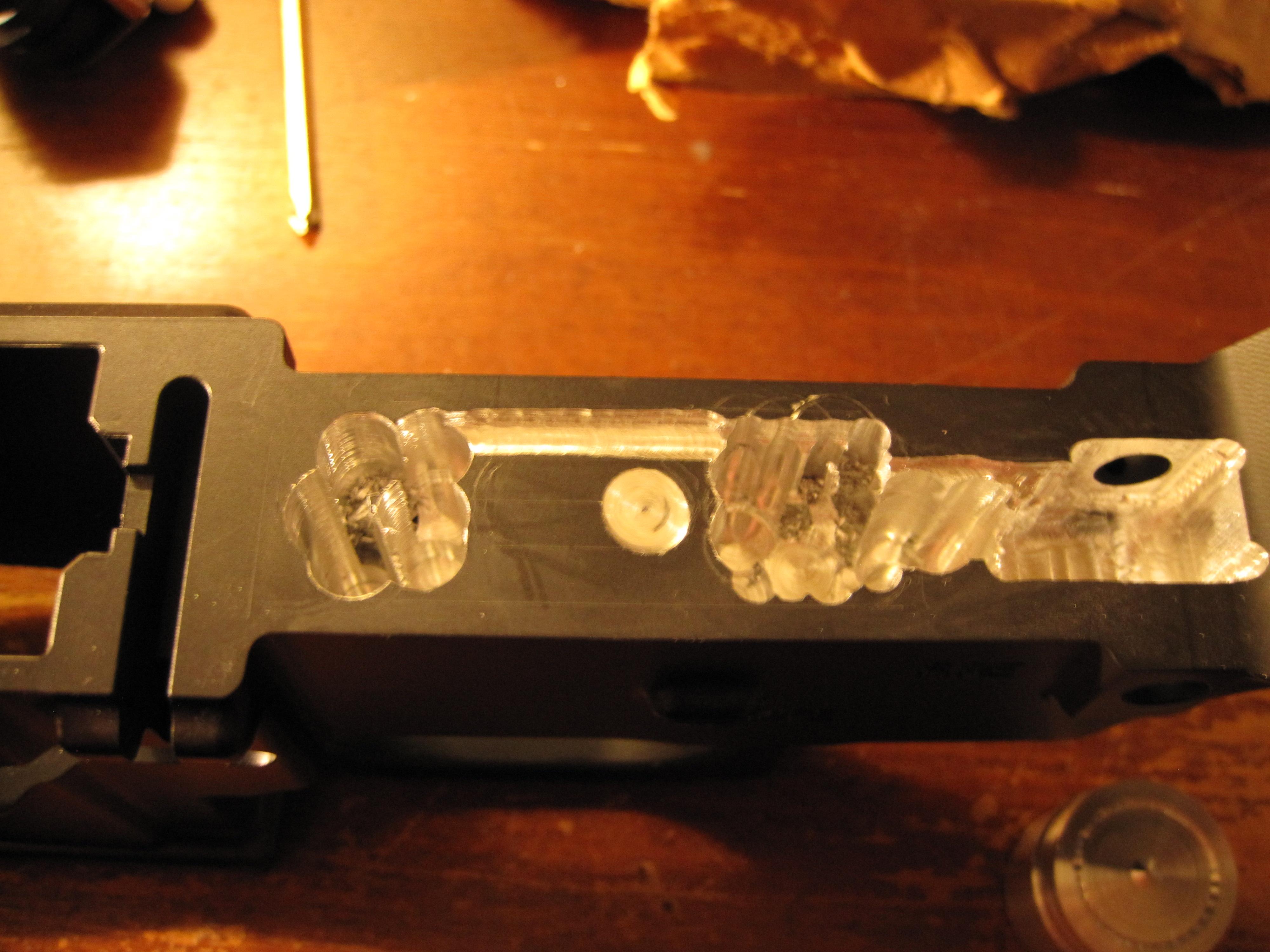
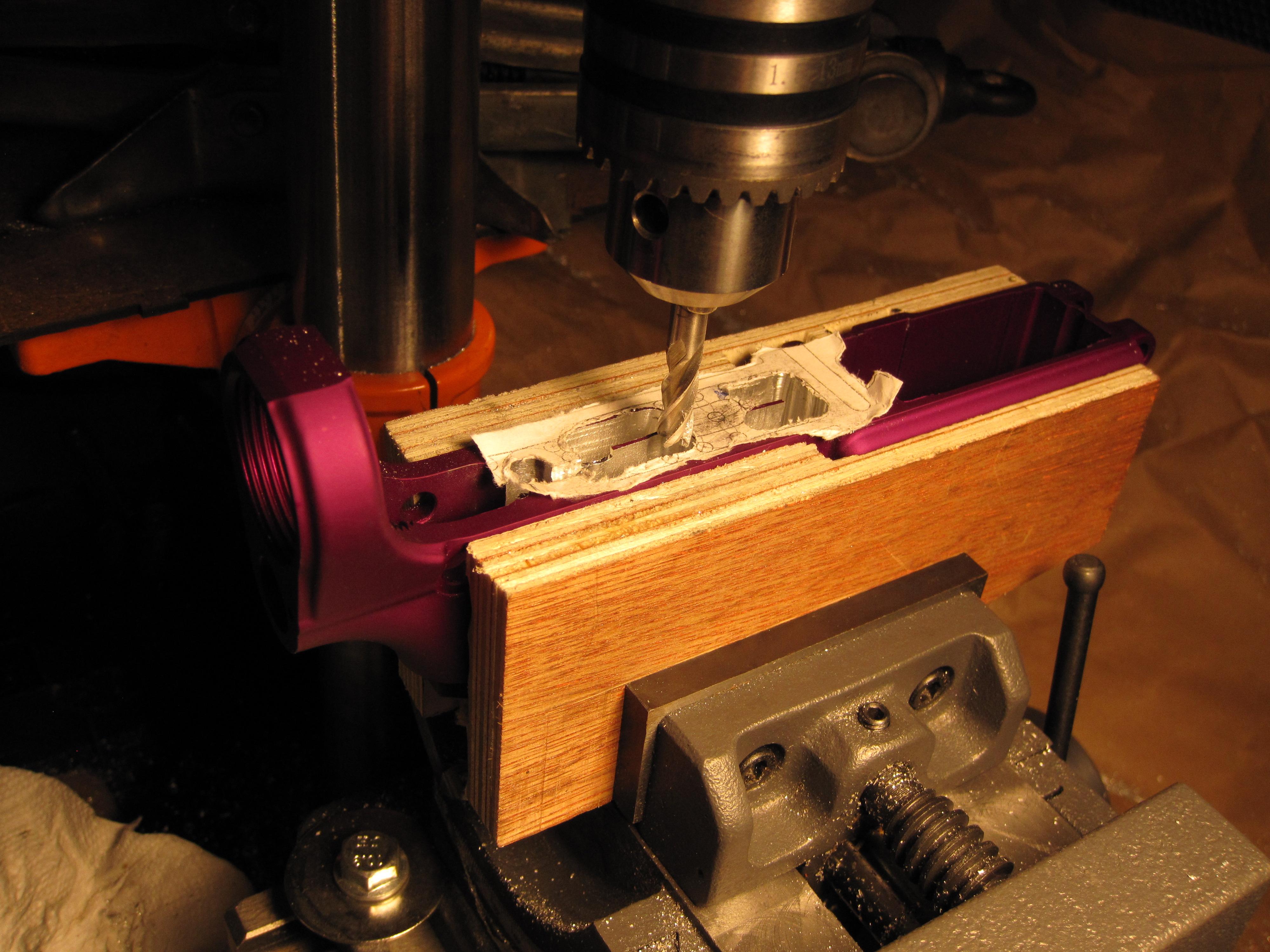
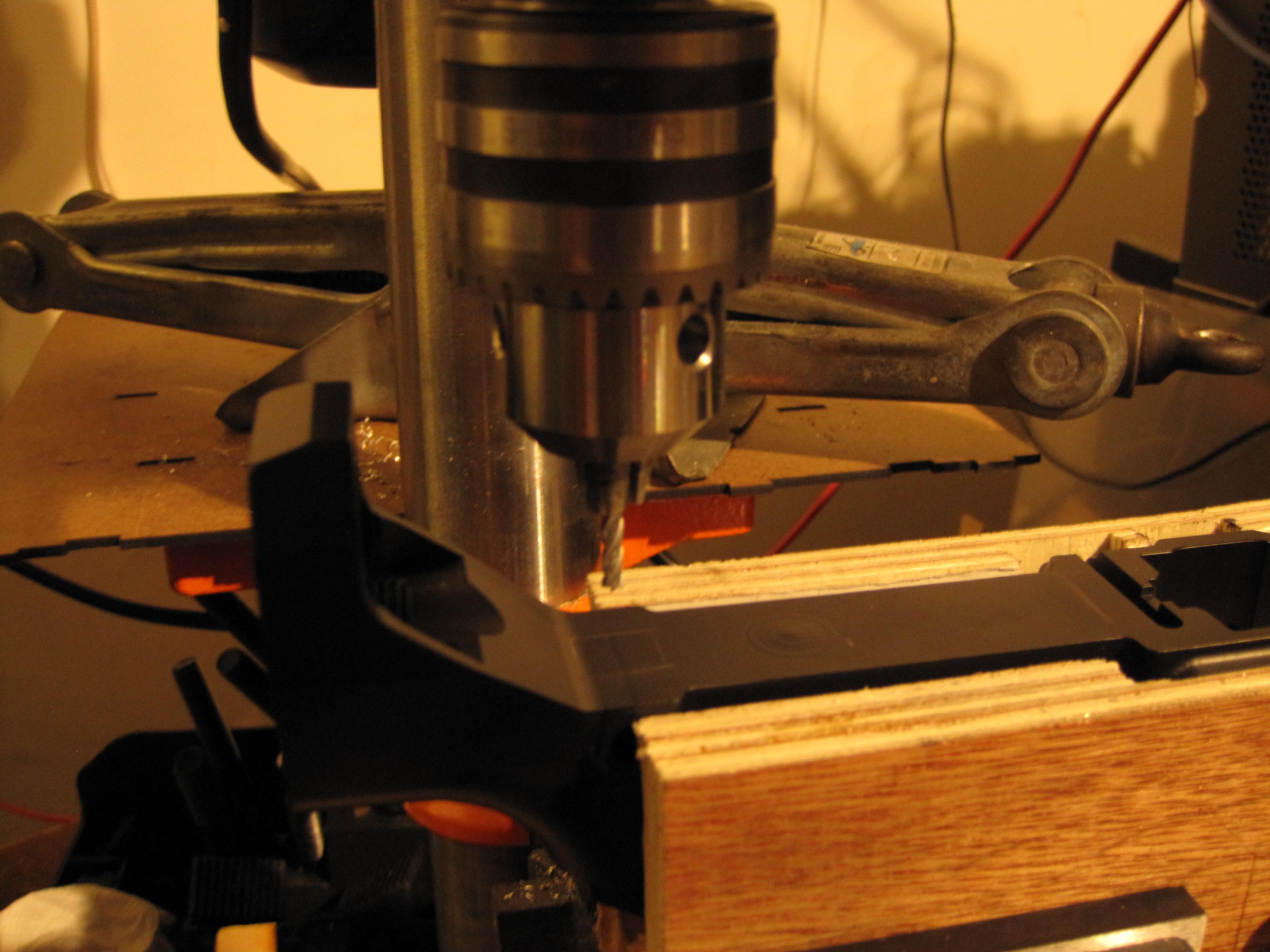
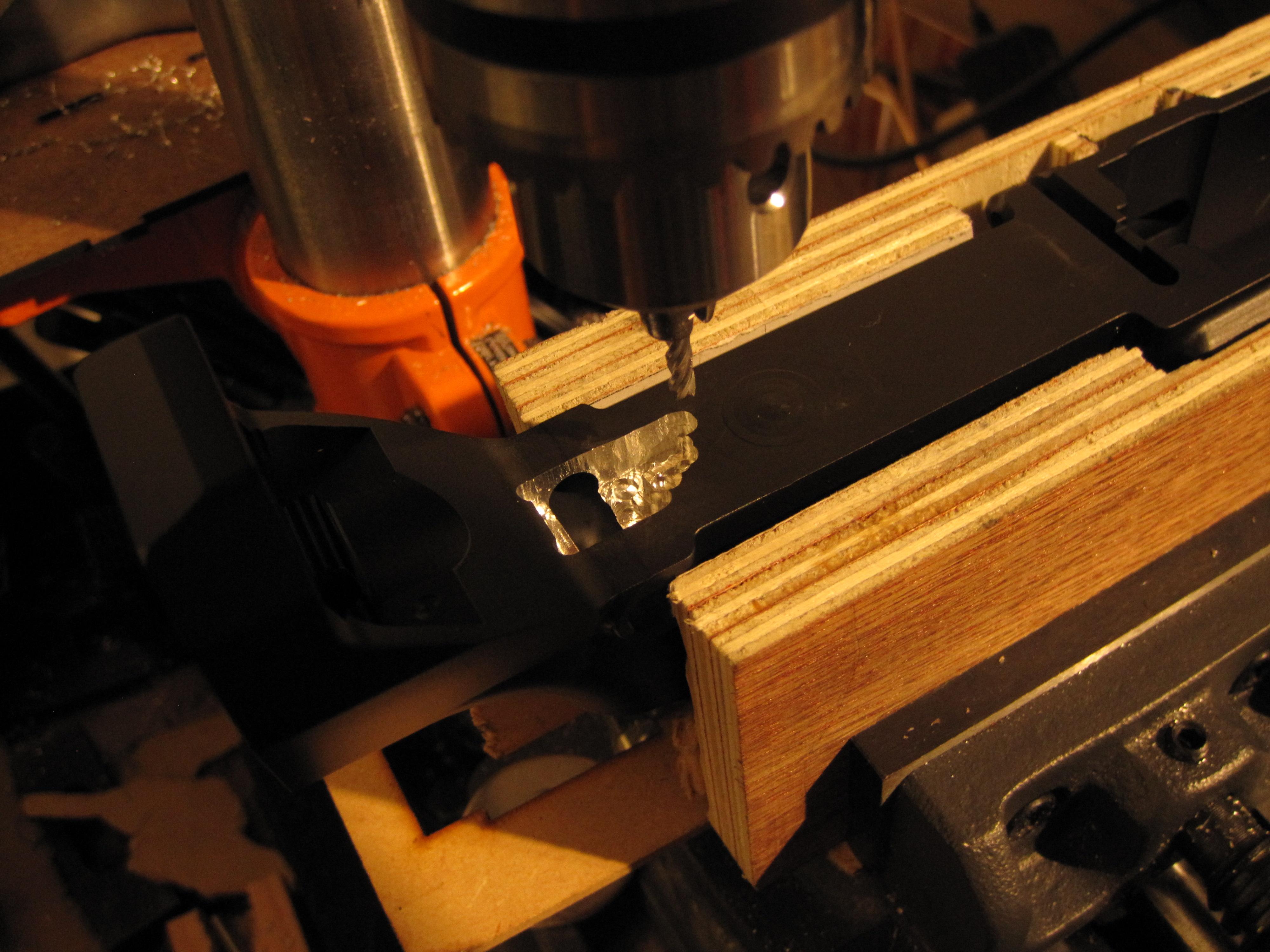
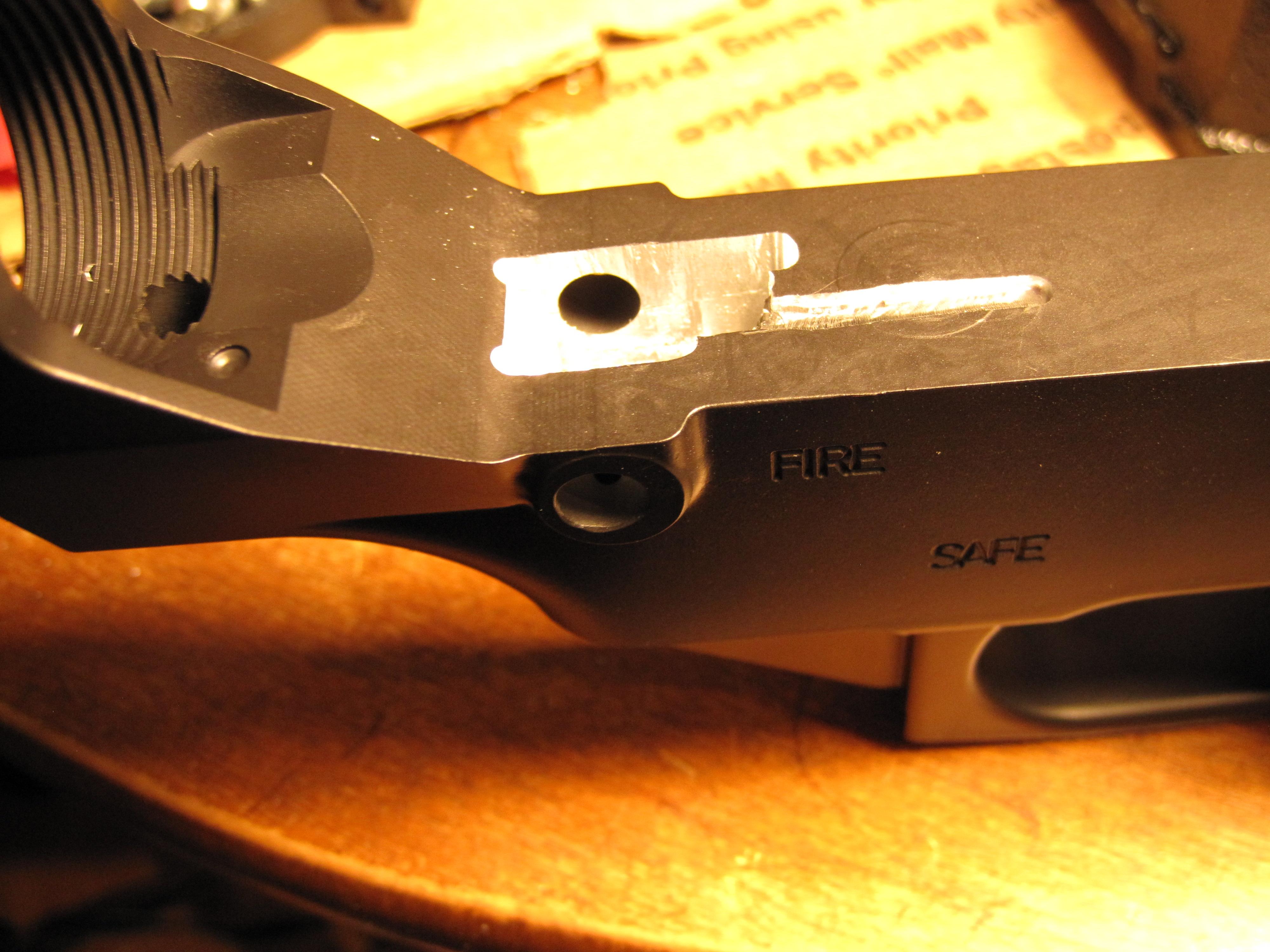
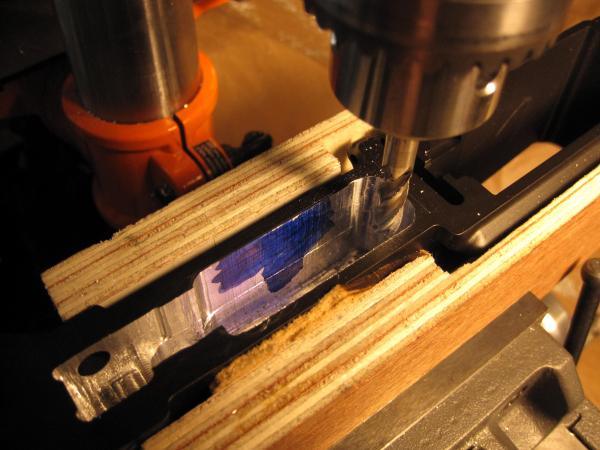
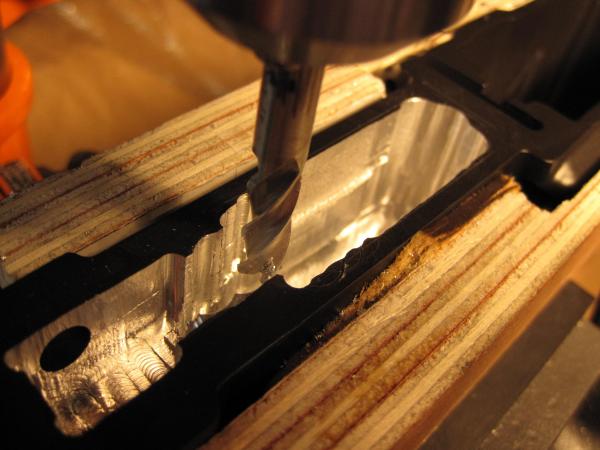
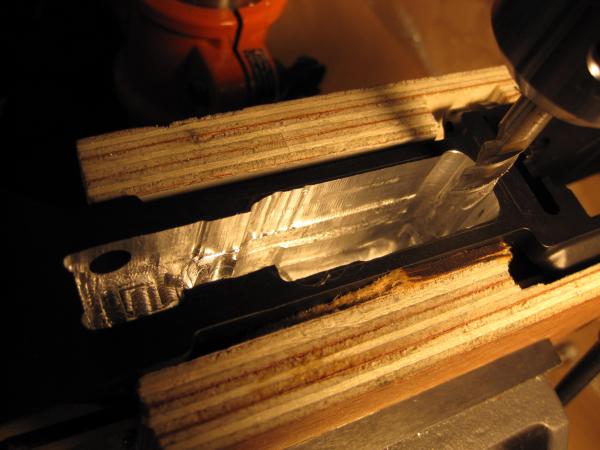
This is by far my favorite part of any build. The pocket is nearly to depth and the edges are cleaning up nicely. I've punctured through the trigger hole but might finish this one with a file in the end. It is far too easy to make it lopsided or too wide when milling that deep in the pocket. I had a momentary freakout when the end mill slipped out considerably while I was hogging out the floor of the pocket. It did it to me twice actually before I searched around for a marker to darken up my depth marking. Can't say I've ever had that happen before but after measuring everything no harm was done. I was definitely getting a little bit excited about how far along I was and taking off about 1/4" at a time while side cutting with a 1/4" bit. From here on I measure everything over and over with the calipers as I work slowly. I also switch over to carbide end mills as opposed to the much cheaper high speed steel. I do like the HSS mill bits for roughing though since they can take serious abuse without breaking. They do get dull pretty quickly, even cutting aluminum; and have tough time punching through the hard anodizing on the top. I'll likely be done with the milling later today but want to take extra care laying out the FCG pin holes. The hardest part is going to be adjusting them up 0.010" and I haven't yet settled on a method for that.
-
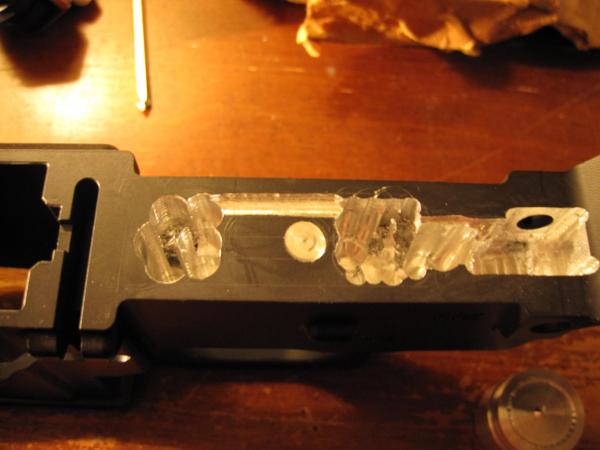
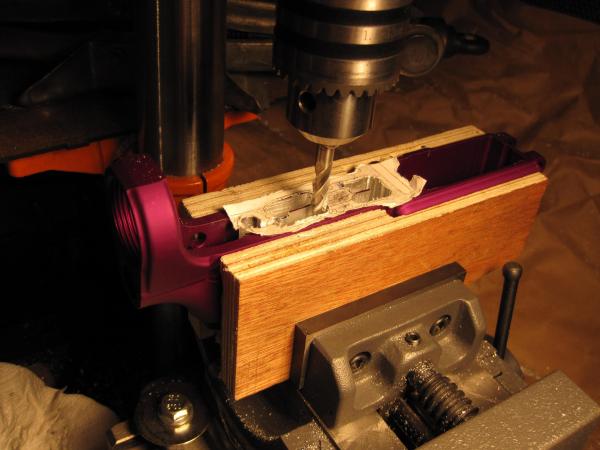
I ripped on my .308 lower for a while after getting the measurements but couldn't clear the chips with the vacuum at 3:30 in the morning. I broke a few bits when I started again in the morning; in a bad mood. I'm still saving my favorite end mills for her and the finishing process. Progress at least, and the few marks on the top don't upset me at all. I like to have characteristic markings on all my lowers as a substitute for a serial number. I love NY. The lady of the house asked to chuck up for her lower so I've taken a break. She did great work by herself while I cooked her dinner. I think she is further along than I am in terms of pocket depth, removal, and cleanliness now. I'm going to give her a chance to finish up tomorrow before I take it out of the vise and keep ripping mine. I have plenty of other things to do and I know better than to attack a lower without a clear head. I still haven't milled outside the lines on my .308, so I'm not at all worried about the finished product. And so it goes.
-
The 0.215" measurement looks like as perfect a match as I can get based on the selector detent hole. That measurement is a mere 0.102" on the AR-10 print. I purposely estimated long because I knew I could take off more later without doing any irreparable harm. I'm going to start on this as soon as I clamp it up level and straight again. I really appreciate you taking the time to measure that out for me. I feel a lot more comfortable that I can begin cutting with purpose now. I'll double check everything again; but I think I'm in the clear.
-
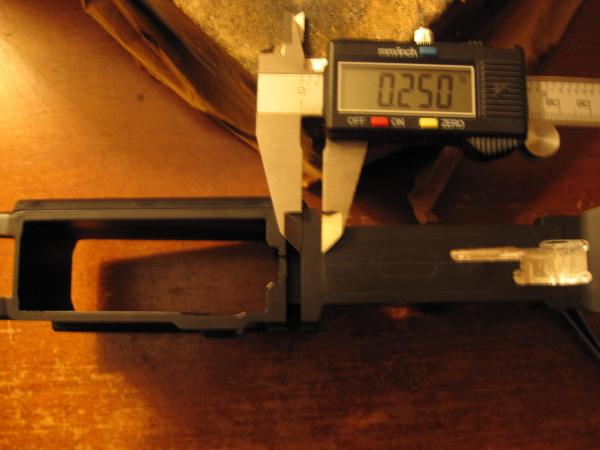
I meant the measuring from the back of that slot into the FCG pocket, but it looks like the radius of that FCG pocket corner might make it tough to be accurate. You might have to eyeball it with the calipers open and sight across the top looking from the right side of the receiver. Appears that it might be less than the 0.250" that I marked on mine; my minimum estimate there was 0.230".
-
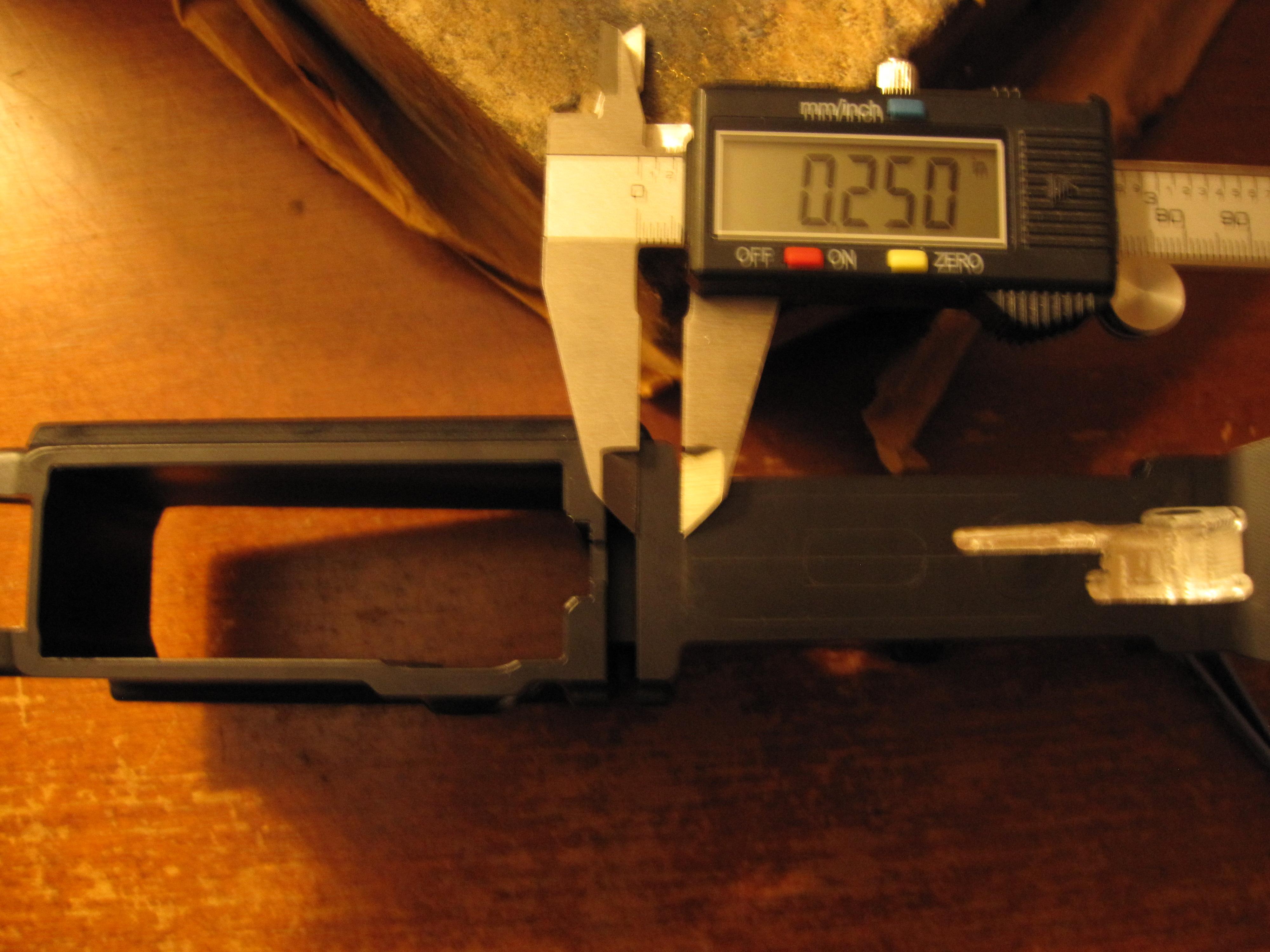
That fits almost exactly what I measured for receiver thickness, and what I was expecting for a pocket depth. I assume that means I need to shift my FCG up by the same difference to make the trigger work right. Only other thing I care to double check is that bolt catch slot to pocket measurement. It looks like there is enough space to get an accurate measurement without removing the catch itself. I've got mine marked off at 0.250" but it might be a little less (pocket further forward) which is easy enough to fix later. Seems like I can get started anytime now.
-
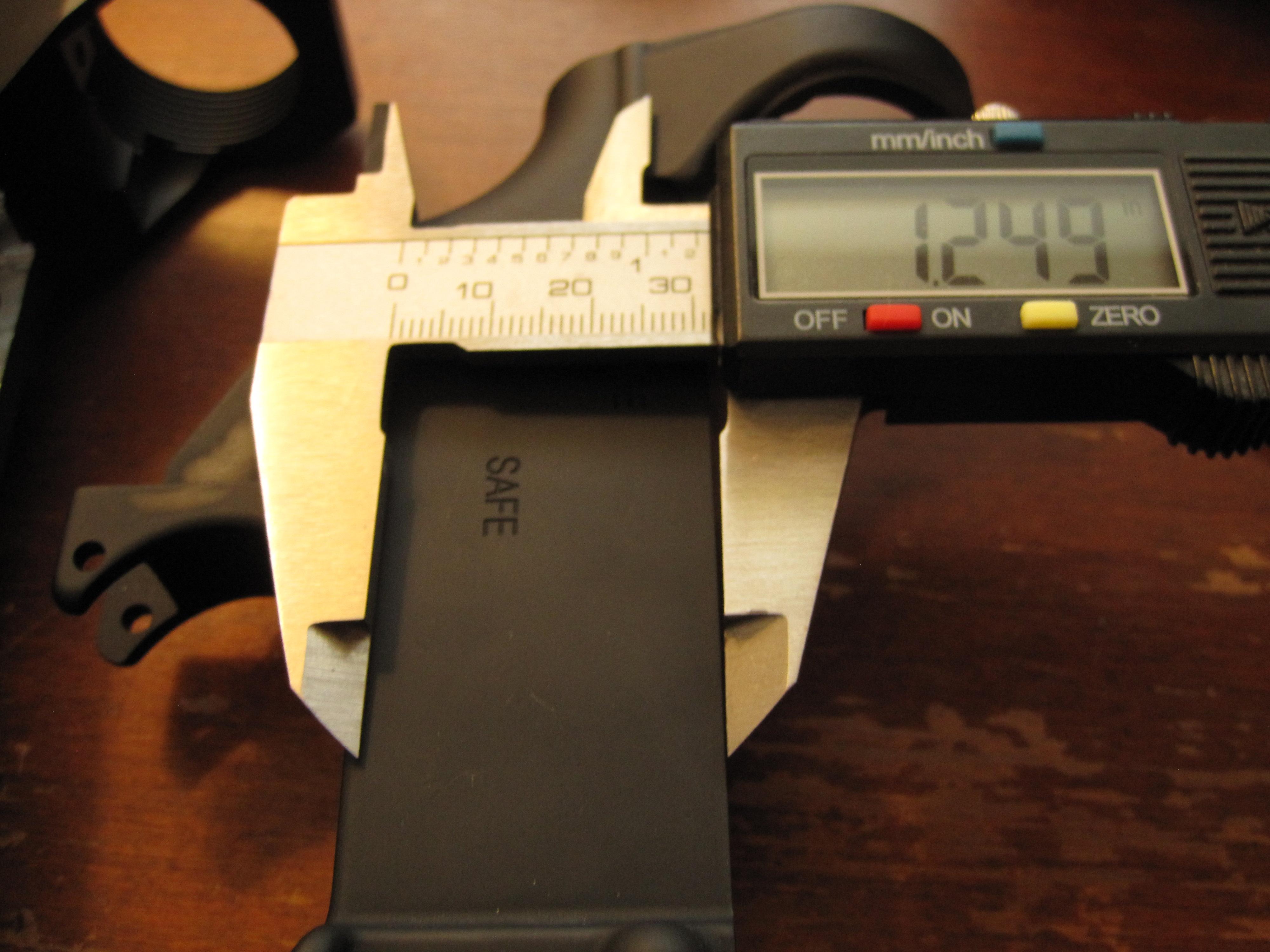
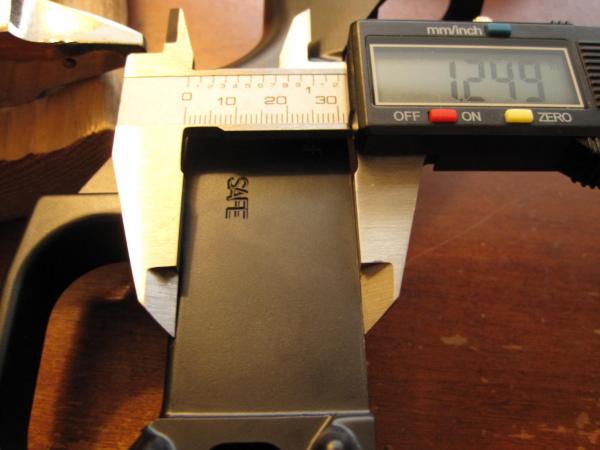
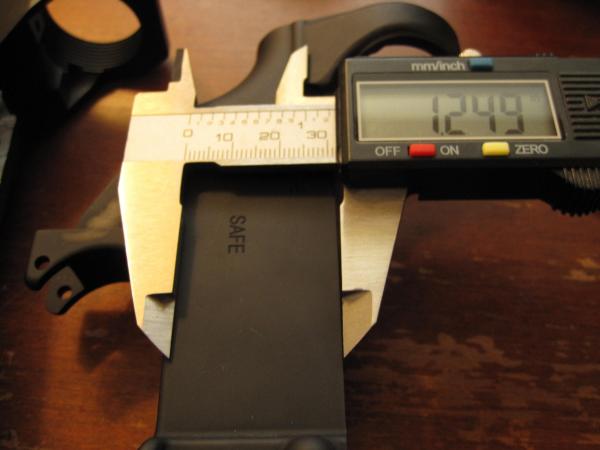
Take your time sir, I had read some of your other posts lately and can only imagine what you are up to. Working on some one mile loads?! The pocket depth can also be measured pretty easily with a set of calipers; tail dropped down into the FCG pocket without taking anything out. I just noticed how thin the bottom would be at 1.249" when I was checking things over today and began to think twice. I already triple checked my templates against prints and everything else is looking pretty straight forward. As you can see I could easily gouge out the pocket to 1.200" deep and keep myself busy for a while. In my searching around today I also found that SMF Tactical appears to be selling an 80% lower (SMF Tac-10) which they say is an AR-10a cut for $249; again no published measurements for that. This has been a lot of fun for me and I'm still hoping to grasp some of the nuances between AR308s and AR-10s as I continue to work through this.
-
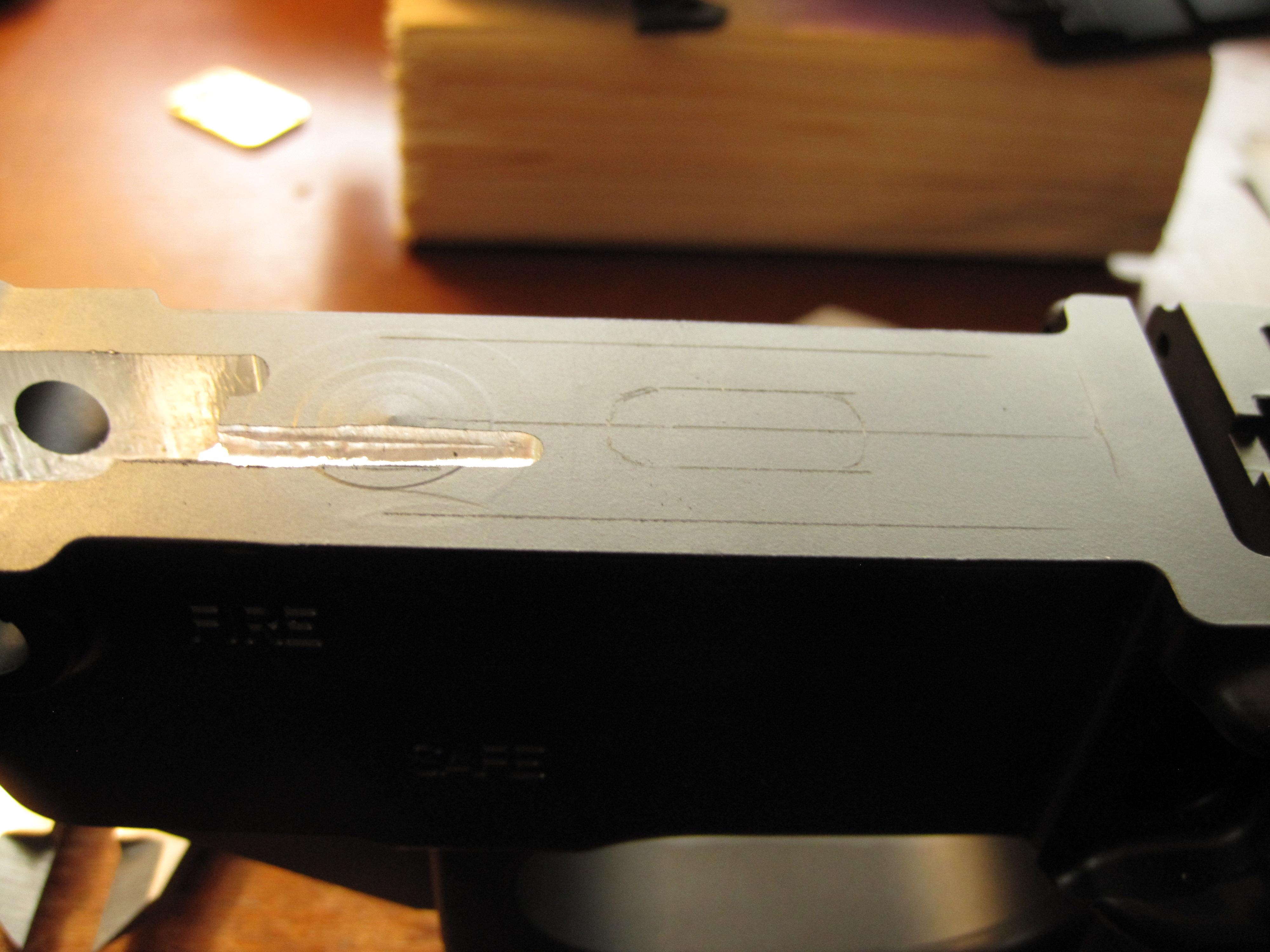
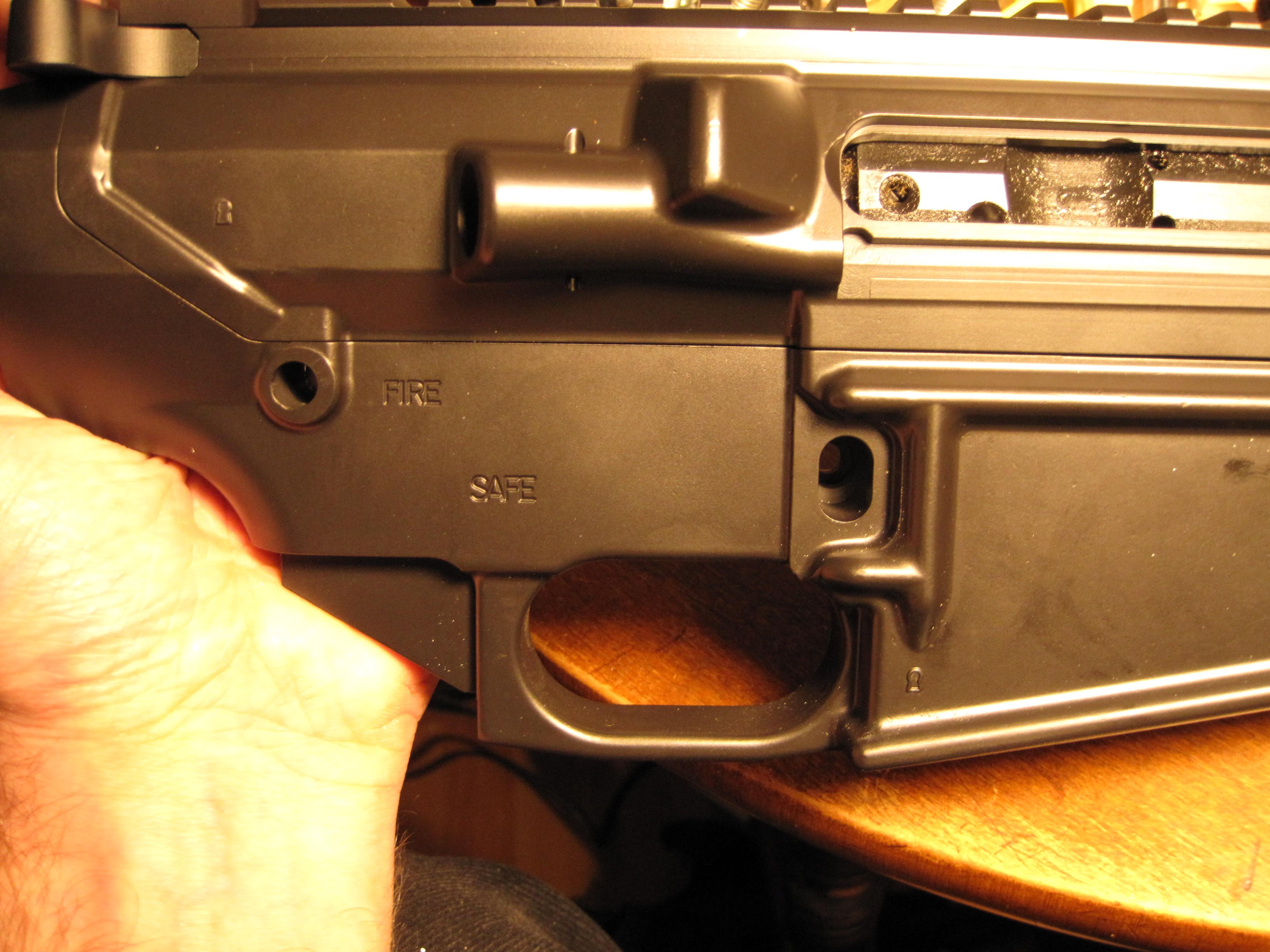
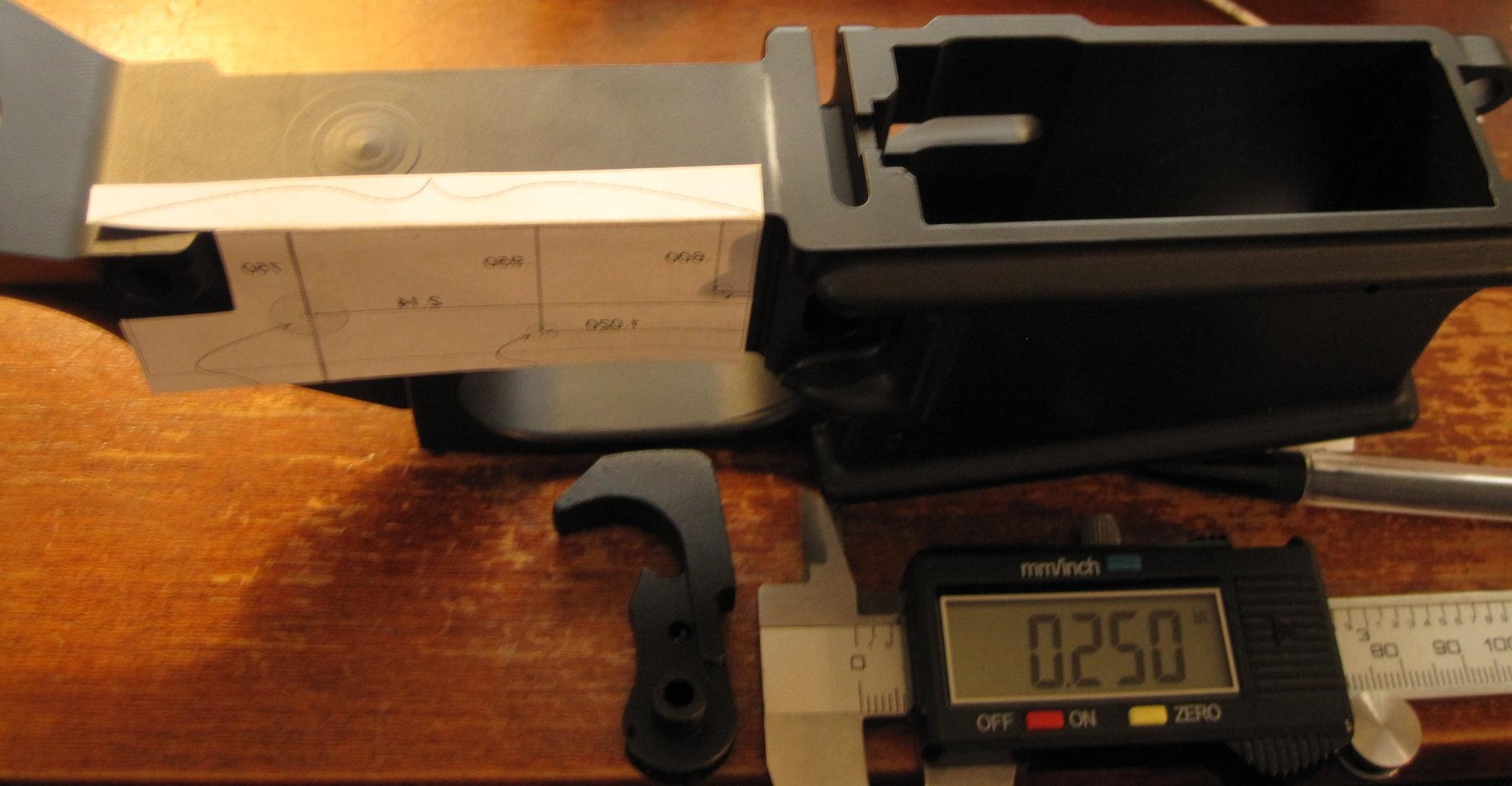
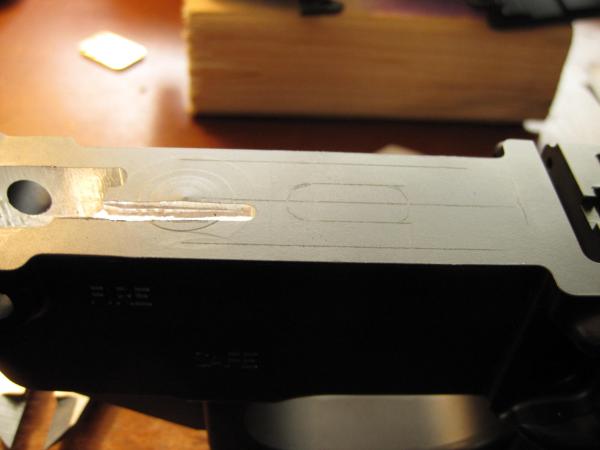
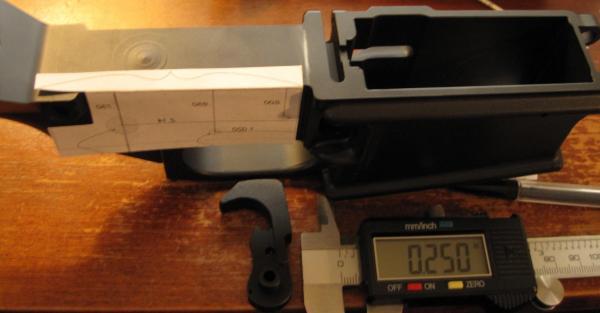
I spent some more time measuring things out and scribed off the basic outline of the trigger hole and the side walls, as well as the assume front of the pocket based on the selector detent pin hole. I thought I was ready to have a go at the main pocket until I measured the height; it turns out to be a bit shorter than I expected when measuring into the trigger well. Attached is a picture of the side profile with the caliper adjusted to the standard FCG pocket depth on the AR308 and an AR-15 lower for comparison. EDIT: The images appear to be posted out of order, Top is AR-15, middle is scribed off AR308, bottom is AR308 side profile. I'm a bit concerned that there may actually be a difference in that area which would mean adjusting the height of the entire fire control group up higher than usual, and a pocket that isn't quite 1.249" deep. It is not a show stopper yet, but it certainly gives me pause. I honestly don't think that vertical difference would change the functionality with the upper, but having a pocket that is too thin on the bottom might be an issue. I would also like to ensure some level of useful information is available for anyone else to attempts this in the future. My current list of desirable comparison measurements is now: rear of the bolt catch slot to front of fire control group pocket, top of the deck to top of the trigger well, and any pin hole (trigger, hammer, or selector) to top of the deck and/or bottom of the trigger well. No need to try and measure a hole on center; top or bottom is fine as I can calculate the rest.
-
Thanks for the tip sketch; I assume you meant "Ridgid" as the brand name but didn't find anything about a slow start. I need to set up a router table for rebuilding/replacing window frames that have rotted out in the house, and I do want them to look nice. I am certainly curious about this slow start, but didn't find anything with a few different Google searches. I presume a slow start is meant to make the initial plunge area cleaner so it doesn't jump all over the place? I suppose it might not matter for a table mounted router, but all the routers I own don't fit the table I have now. I'm going to need to buy another table, or another router if I don't find an adapter that works (and I haven't yet). I didn't get around to punching any paper today but will likely have another go tomorrow. I'm still tempted to keep gouging out my .308 lower, but trying to hold off for measurements. Maybe it's worth a full reverse engineering attempt, but I'd rather not waste money if I can help it. For all I know I'll "need" a bigger caliber build as soon as this one is finished so I would rather spend cash on that than replacing something I messed up rushing through this first one.
-
You're 100% correct on that matter sir. I'm actually in that boat myself; running a compound table on a very small drill press. There are some marks inside my very first AR-15 lower from my learning experience in that respect. I was trying to take too big of a cut and as the tool entered an open area the teeth caught, and everything began to violent shake. I've learned to take my time and run smaller bits if I want to move faster, or take larger bites. I had considered taking out the vertical support and welding rebar inside of it but haven't found it to be completely necessary yet. I do have a scissor jack between the motor and original drill press table which is swung around backwards. That seems to help in keeping the machine from flexing too much under load. I suspect it wouldn't survive making a hundred lowers, but it hasn't shown any serious signs of fatigue yet. Jigs are certainly great for people who want that professional look with cheap or handheld tools; I just don't think they should be mandatory. I've been avoiding the jig myself for a few reasons. The cost is very high for what it really is. I understand there is R&D, marketing cost, etc.; but all of the relevant information is freely available for the AR-15. I had originally asked Certatac about measurements for this particular AR-308 lower, and they refused to provide them. I ended up asking 5D tactical a few pointed questions to find out what I needed to know about it. I don't see a reason why the measurements aren't freely available now. Is there some benefit to creating and perhaps owning the intellectual property for a new design? Given this is called a SR-762 style 80% lower, I don't think Ceratac has any ownership of the design or measurements; but maybe as a result they aren't allowed to share? I really don't know the whole story, or what other factors may be involved here. I still haven't nailed down exactly how many different (measurement) variations of .308 lowers there are, it seems like half a dozen would be a very conservative estimate.
-
Thanks everybody! I just started my first .308 a few hours ago. I had been checking all my numbers over and over; I just couldn't wait any longer. I actually have my first AK-47 build going at the same time so I can always take a break from the .308 if needed. I know I'm still outside the box on this one because I'm just stubborn (not buying a jig, which I think is like training wheels on a motorcycle). Not in a rush until November when whitetail season starts here. I would like to get it sighted in though, and replace anything defective beforehand. I have just started breaking in my CMMG .22lr adapter with a dedicated AR-15. So far it's off the wall every now and then so I'm considering the whole CMMG .22 barrel and I'm not totally sure if I need a new CMMG BCG for that or I can just take the tip off this one. I'll work that out in time; I've been running it dirty under 200 rounds so it might get better if I clean up. This AR-308 from Ceratac really seems nice enough for the price. I'm intrigued, and really enjoy finishing 80%s as a stress relief. Not many options outside of DPMS; which I wrote off months ago because of all the Gen whatever crap. It was fine until everybody starting introducing small changes and still calling it Generation 2. I don't want to play that game. I'm also interested to get into the real Armalite AR-10a sometime soon before it gets priced out of this world. Somebody said you could buy half crates of AK parts kits for $400 before things got weird. W T F?! If I only knew then...
-
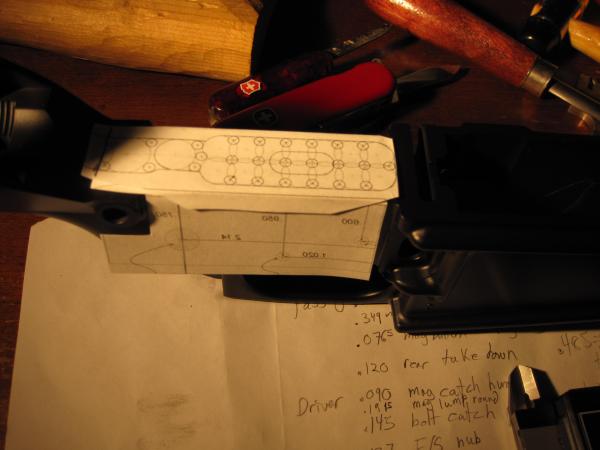
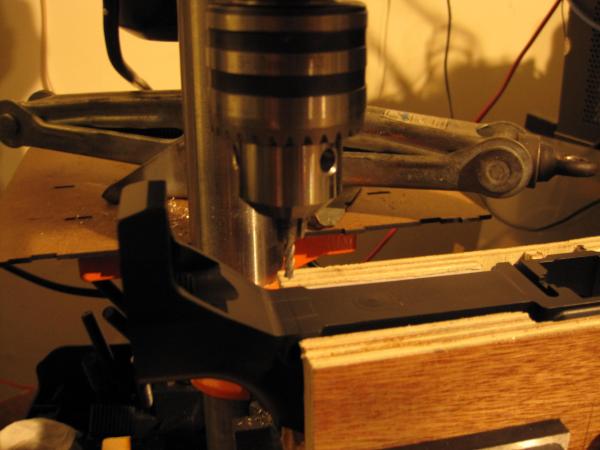
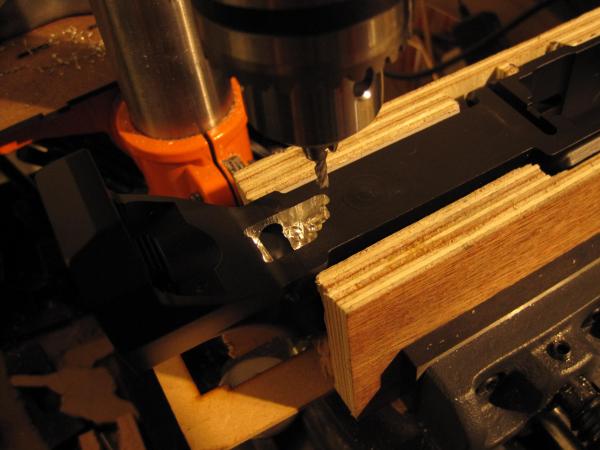
It has begun. This is to be my first .308 build, and I must admit the larger lower feels great in my hand; I think I'm already hooked... This topic continues the Ceratac discussion located in the Building a .308 section. I still do not have the measurements for the front of the pocket to the back of the bolt catch slot. It is said to be a Ruger SR-762 compatible lower, but in 80% form. Older Matrix Aerospace owners are welcome to chime in with that measurement if they are able. It also should match the Larue, KAC, LMT, Genesis CNC, and Armalite AR10A; but I have had not been able to verify that. Ideally I would like to get a few measurements to be sure there aren't small variations among them. I decided to get started on the 80% lower without any measurements in hand. I put in the front takedown pin and marked off the area for the rear to mate up. This is the first time I've had to mill that part on a lower but it really wasn't that hard. I had to make a bit of extra room for the corners since I don't have the tools to cut them square. I still have a tiny bit to cut out of the bottom of that well, and a hair off one side for it to mate perfectly. It's a bit tight still but that interference shows me where I need to mill or not mill. I certainly don't want to take too much off now since I can still spend hours in the FCG pocket too without doing any harm. The holding blocks I use for AR-15s were very close to functional. I only needed to cut out a bit for the rib on the left side of the magazine well, and tiny bit further for the nub next to the selector on the drivers side as well. I will go back and modify my templates later on though since there are some other areas that could be made tighter. I had to use two 1/8" shims on each side of the trigger well, where I only used one on the AR-15 builds. The next thing I want to do is mark off the min/max positions for the trigger well so I can avoid it for the time being, then I'll get started milling out the rest of pocket around that area. I'm already getting excited about this project, but I have at least a week to go. I don't want to rush any of this as the lowers aren't nearly as cheap as those for the AR-15 (which are almost disposable these days).
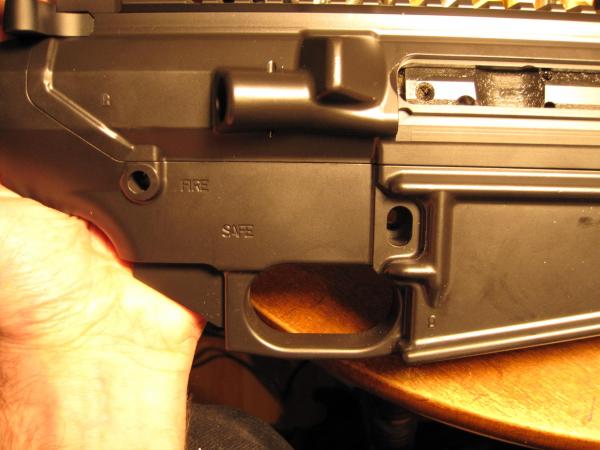
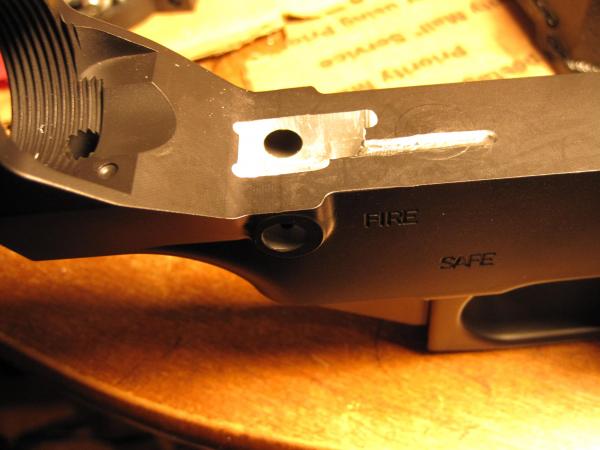
-
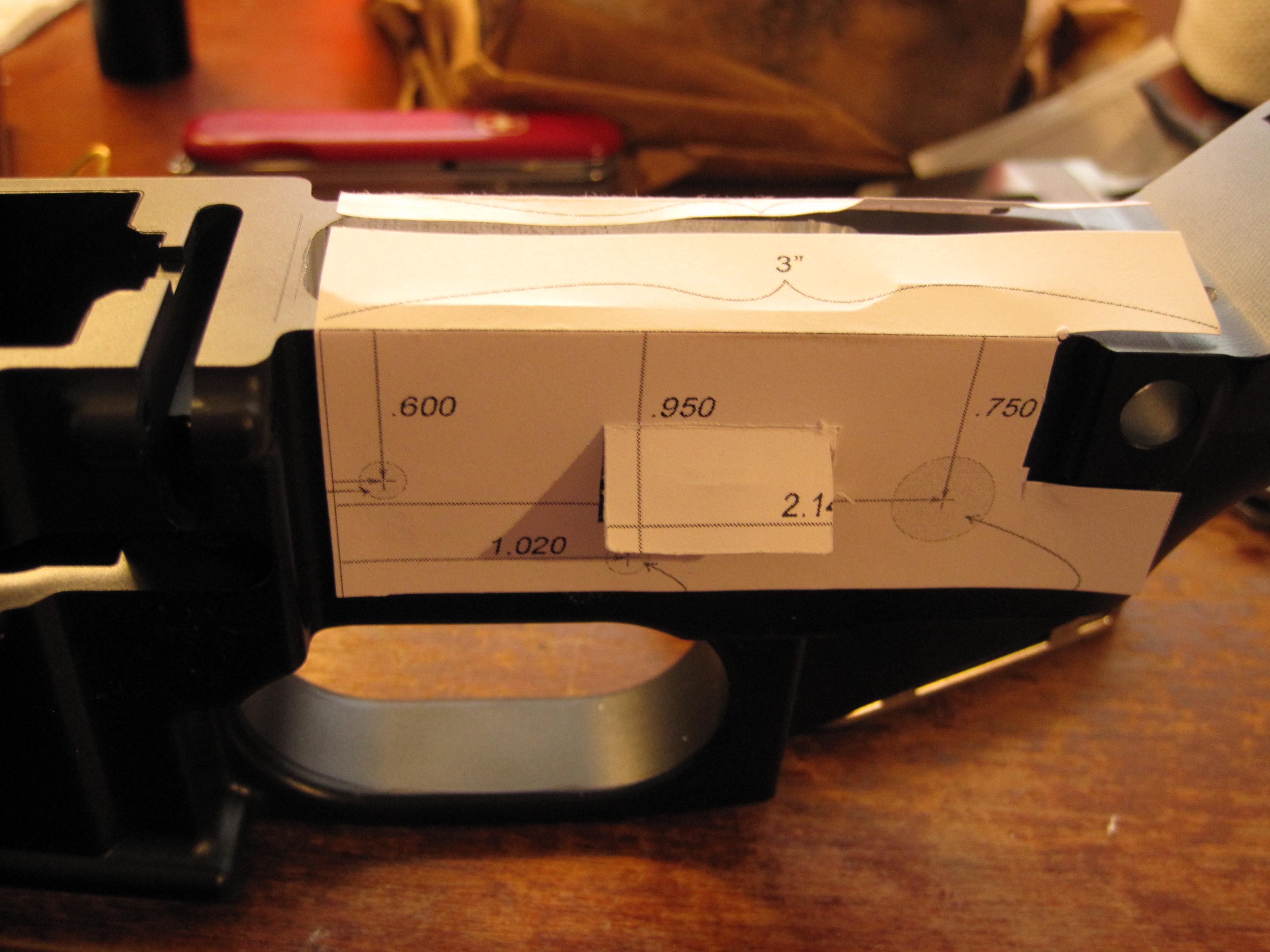
Not a problem that you didn't get to the measurements last weekend, my kit only showed up a few days ago. This weekend will still be just fine for me. It looks like I can get away with just the measurement between the bolt catch slot and the FCG pocket now that I've reviewed everything. Front pivot takedown pin to pocket would be a good sanity check (and/or rear if that's easier since the takedown pins are 6.880" apart). The vertical measurement for the selector seems like it should be already set in stone given the pocket depths are the same between AR-10/AR-15. I've had good results with the paper templates on previous 80% builds. Print quality and alignment are critical; as well as verifying the 1:1 scale. It is also imperative to check every measurement repeatedly before gluing it on. I appreciate how the rest of the paper stays in place to show how well centered an undersized drill bit was so that any mistakes can be fixed before drilling full size holes. You can also verify centering as the bit begins to cut through the paper before plunging through the lower. I use another paper template for the top of the pocket to keep me from getting too close to the edges. I remove that one part way through the process, then simply measure pocket width and wall thickness as I get closer to finished. Marked bits keep me from plunging too deep.
-
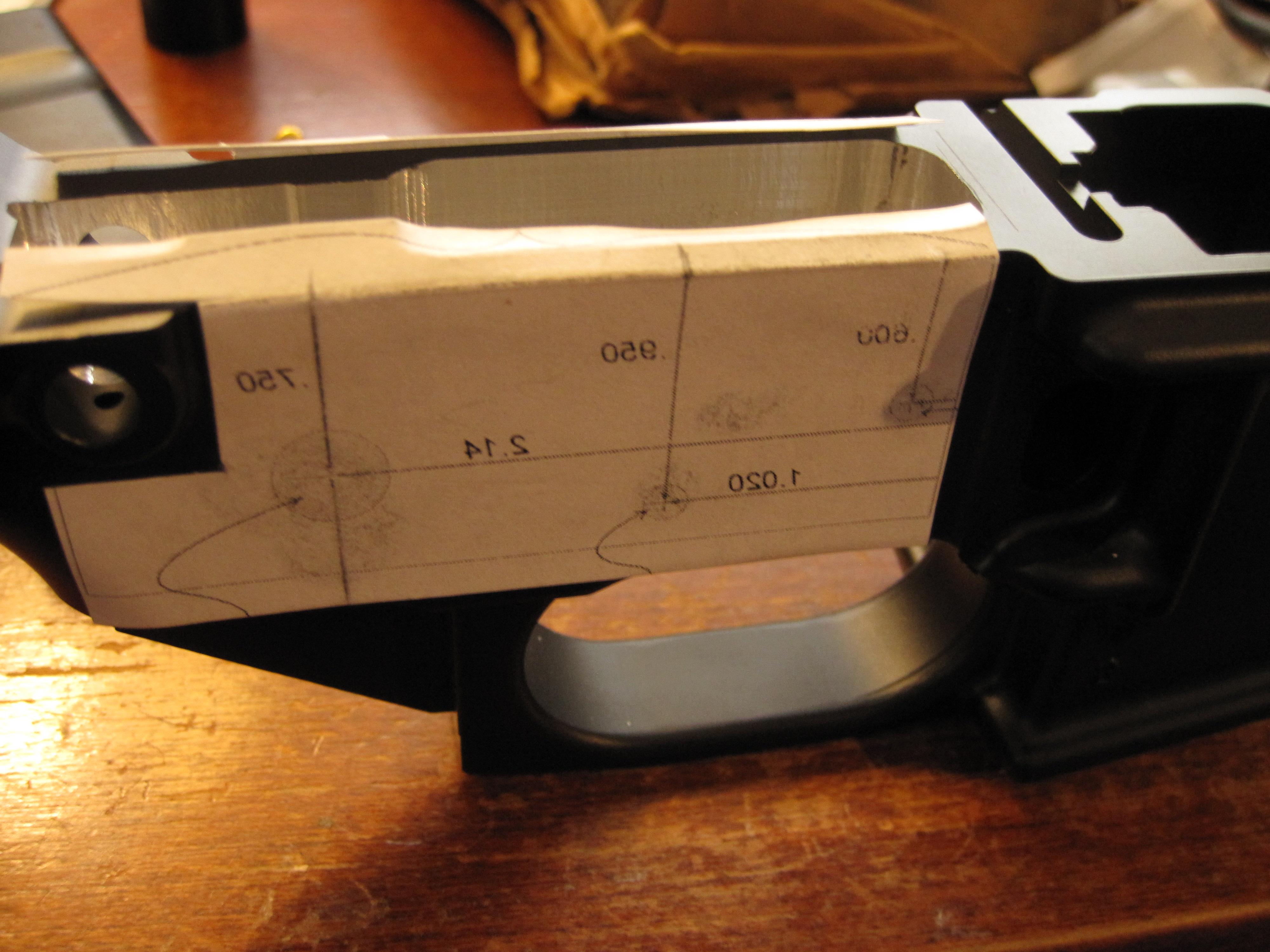
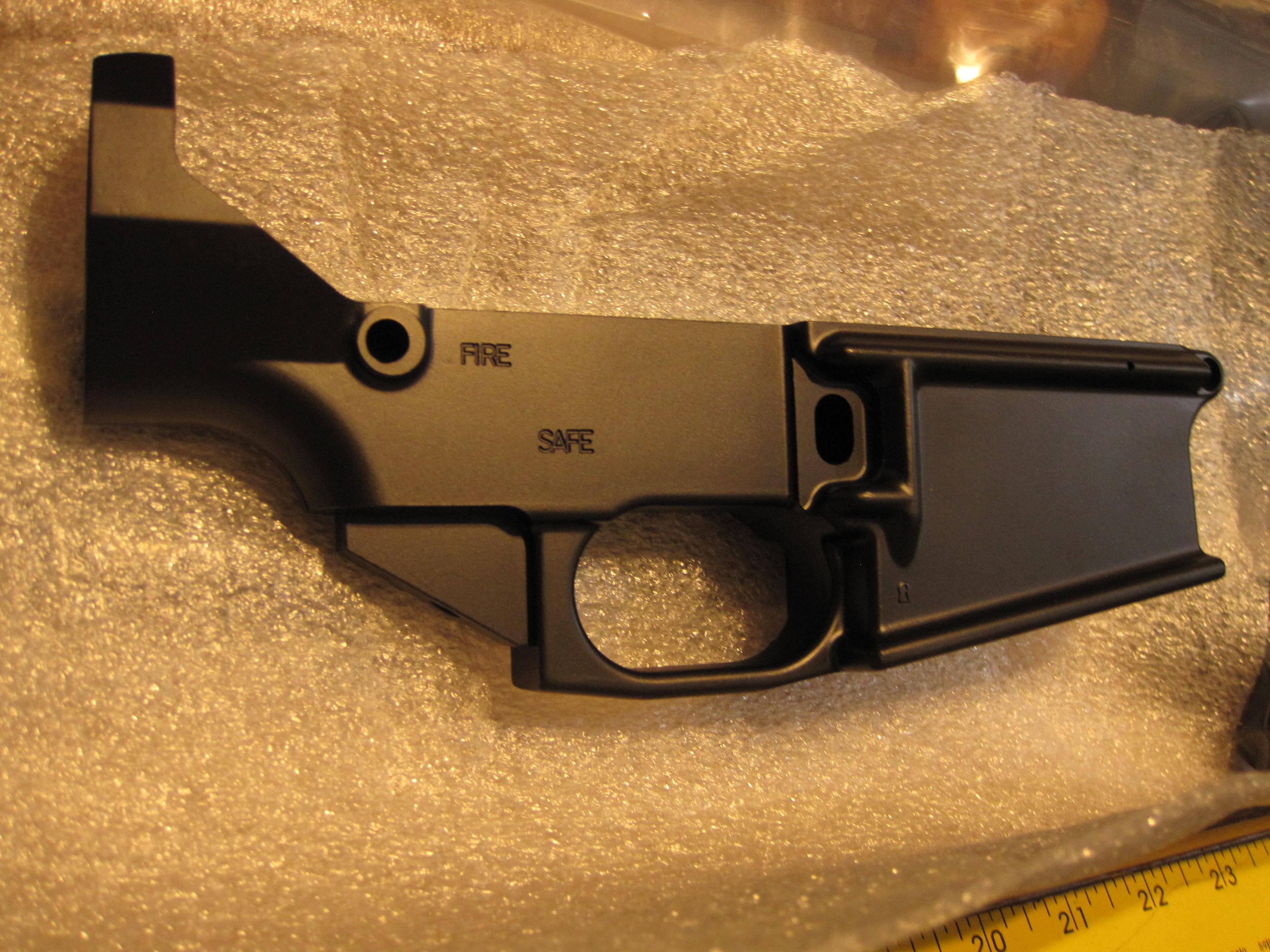
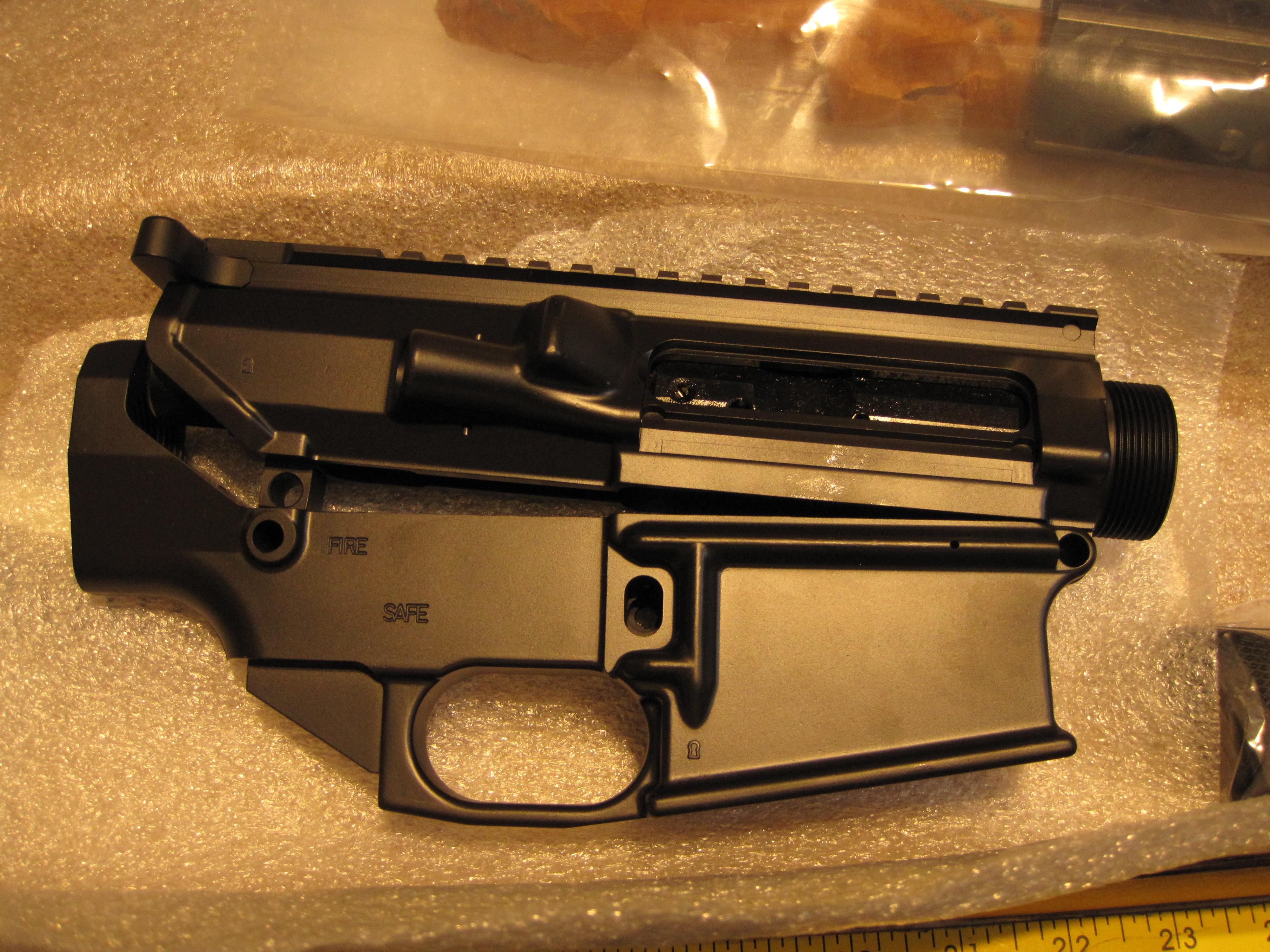
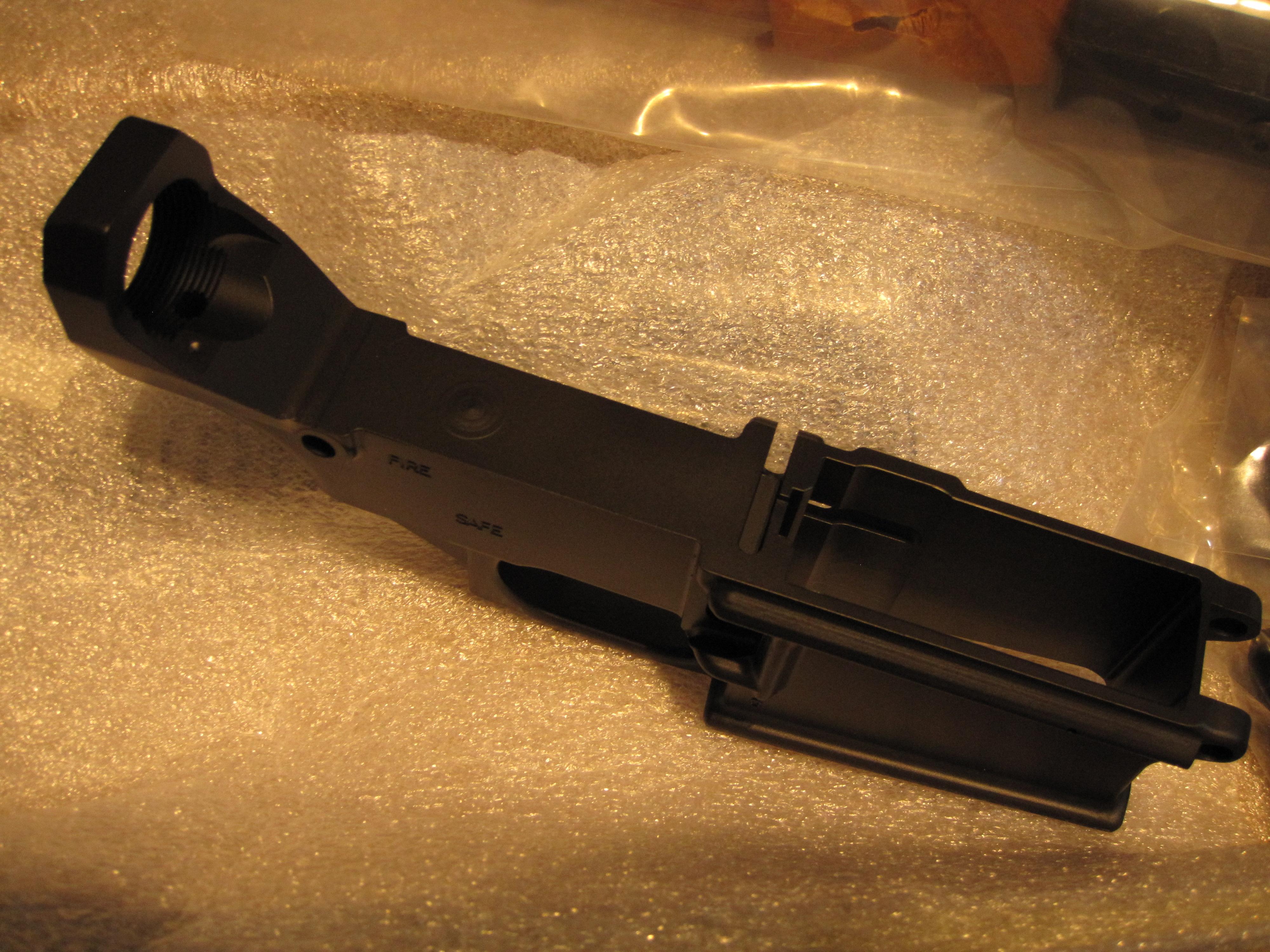
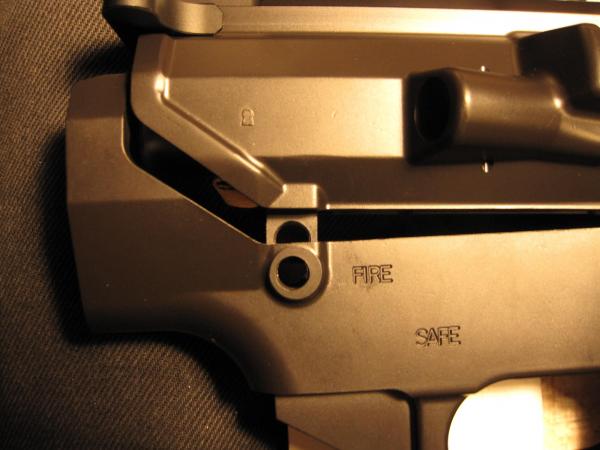
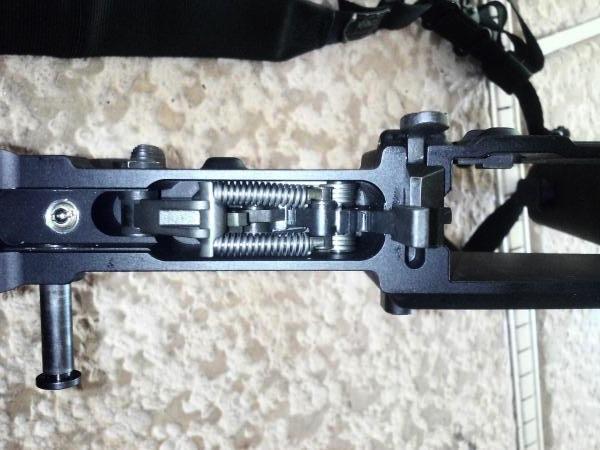
98Z5V: I saw your reply last night and have been mulling it over. Measuring from the rear takedown seems like it would give me the same errors as the front if I used that blueprint. I measured the distance between takedown pins to be 6.880" just like the AR-10 print. Where that falls flat is the relation to location of the selector and FCG. Closer inspection of the prints appears to indicate that my measurements are different for those locations in a few ways. The AR-10 print indicates a measurement of 0.102" from the back of the bolt catch slot to the front of the FCG pocket. My rough estimate for that on this lower is more like 0.249" based on the location of the detent hole. The images I've seen of Matrix lowers mirrors that estimate. Another way to look at that comparison is the bolt catch slot is wider than the distance from the slot to the front of the pocket on the AR-10 print; on the Matrix lowers there is a lot more material between the slot and FCG. I printed out a 1:1 scale template I've used for the AR-15 FCG and fit it up to match the selector detent. I then aligned the hammer and used a pencil to mark the upper. I get right around the same measurement of .250" from that line to the back of the bolt catch slot so I think I'm on track here. As always; correct me if I'm making some glaring error in judgement. I know pretty much everyone else here has had more exposure to the different styles than I have. A few other things to note now that I've had time to look this over a bit more closely. My takedown pin holes are actually .277 which appears to be standard. There seems to be a bit of extra coating in at least one of the holes that I'm sure will work out once I install pins and work them in. The magazine well on this appears to be straight up and down, where the AR-10 print shows it to be at a 3 degree angle. That may be part of the accounting for differences in those measurements. I also did a bit of trig to see what would happen if I did cut the pocket to the AR-10 print and use the FCG location based on the selector detent in this lower. The hammer would hang forward at a 5 degree angle; presumably that would keep the upper from being attached though I'm under the assumption it would still function if I could hold it back upon closure; still a bad idea in my mind. I'm not quite ready to start milling the pocket so there is still time to work out these details. I can also mark off both ends of the pocket and only cut out the center portion which is most certainly the same. Once I have absolute confidence in the final location I can go back and open up one end or the other as needed. The rear slot can also be cut to fit the upper in the mean time without any impact on FCG location. I have included pictures of my estimate marked with a pencil line and one I pulled out of the Matrix section for comparison (thanks Blue109, very few people had pictures of the inside of the lower). The AR-10 print shows that pocket to be further forward by 0.147" which would make it very thin and presumably cause issues with the hammer.
-
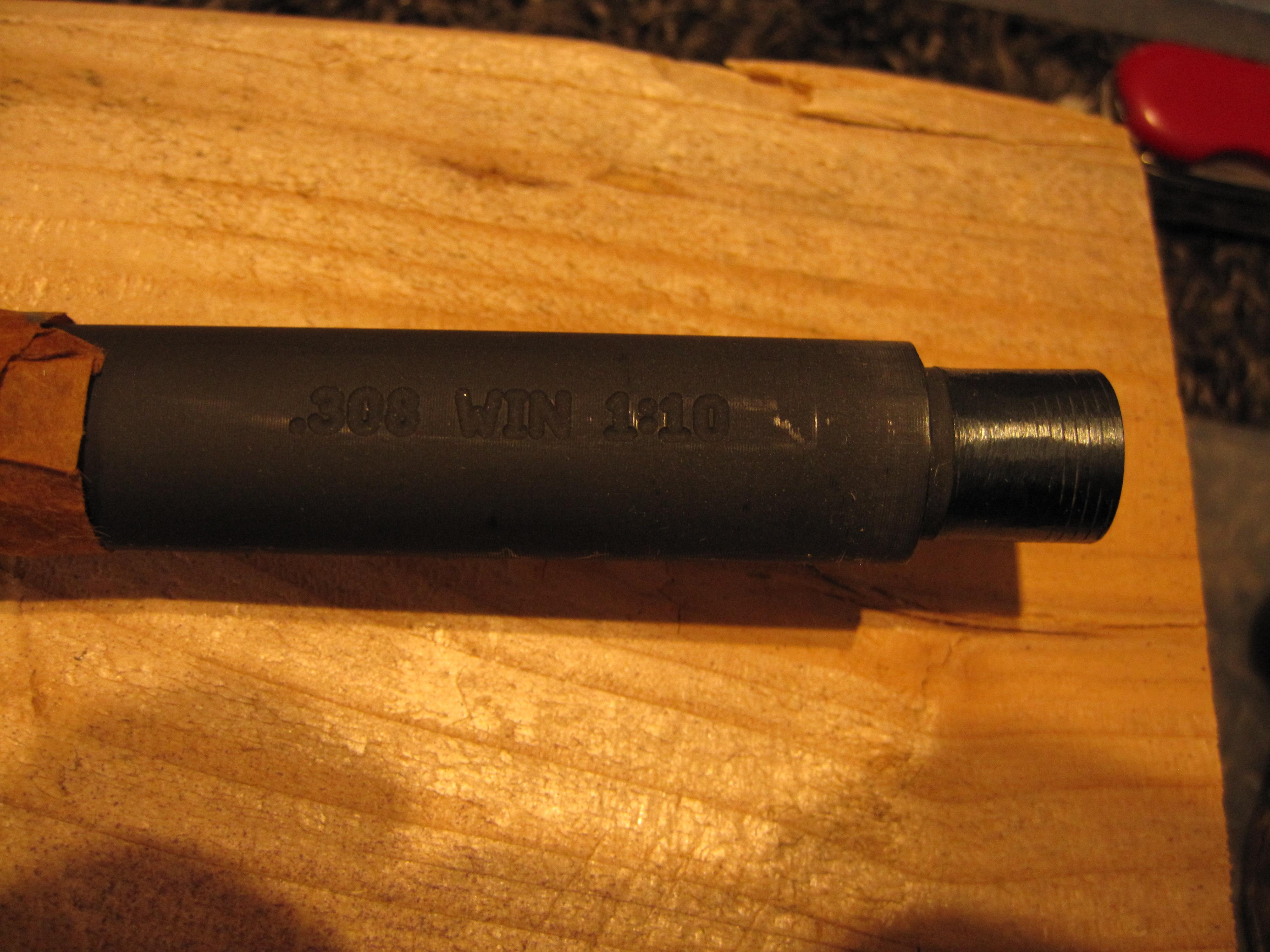
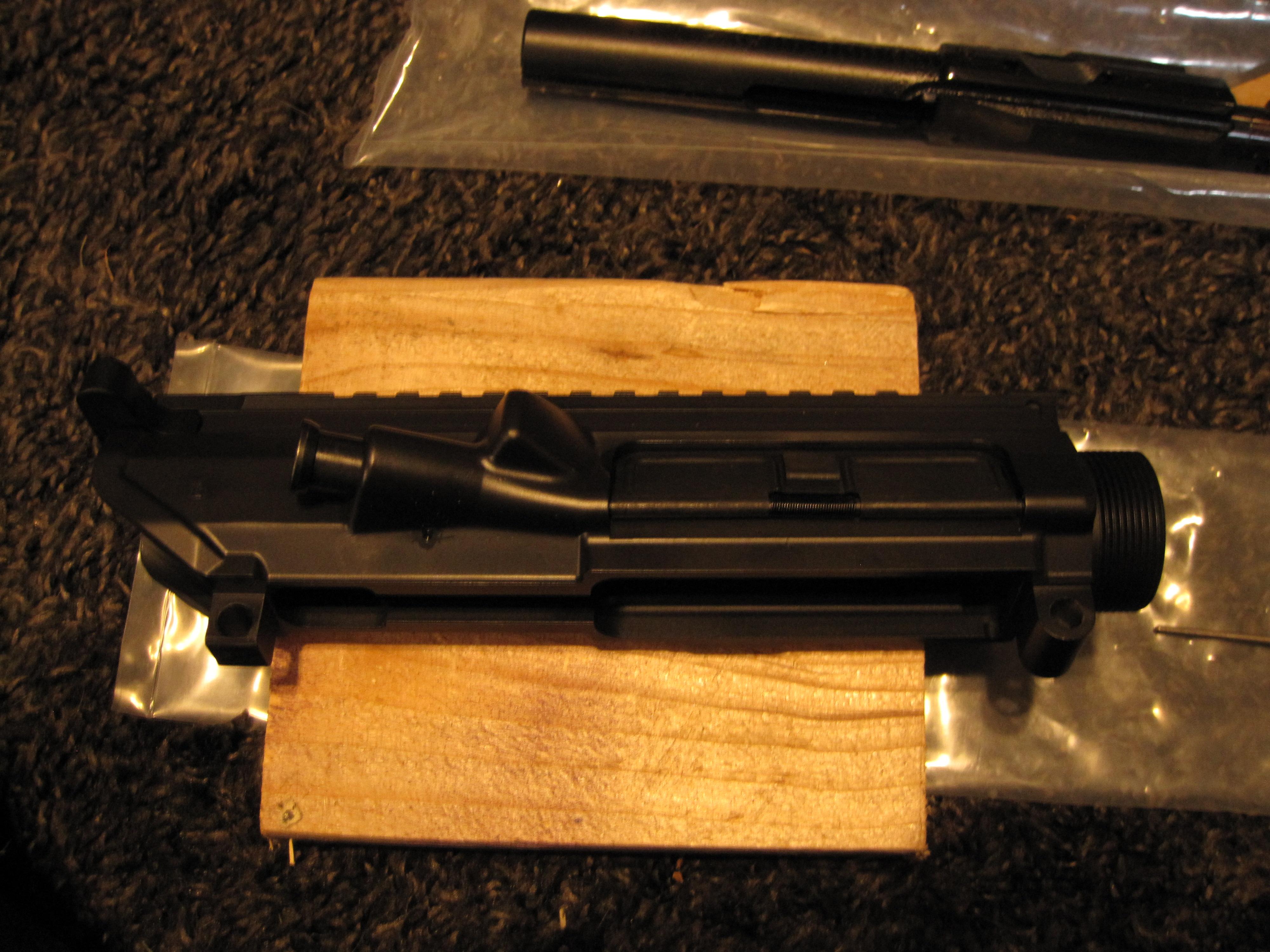
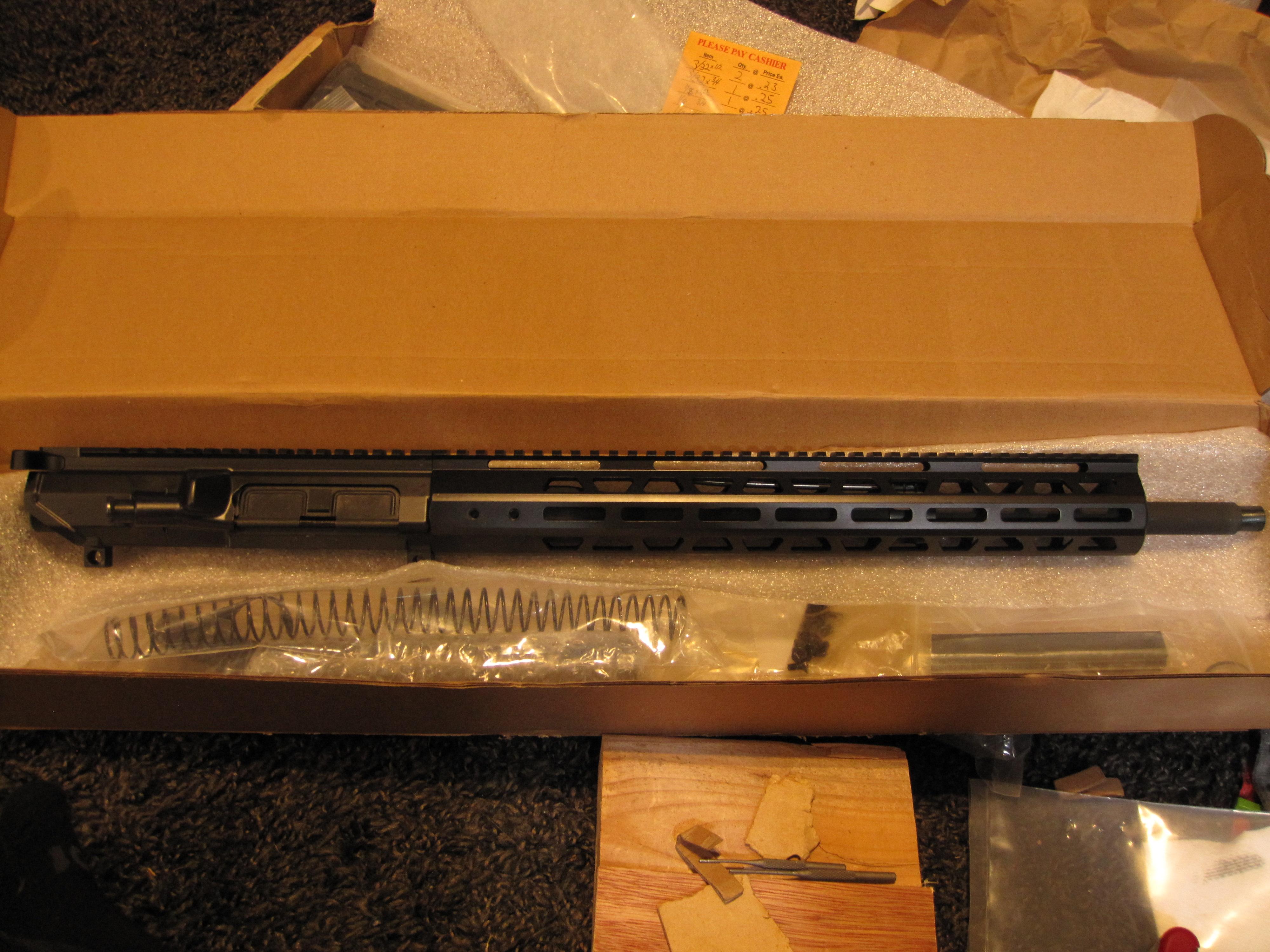
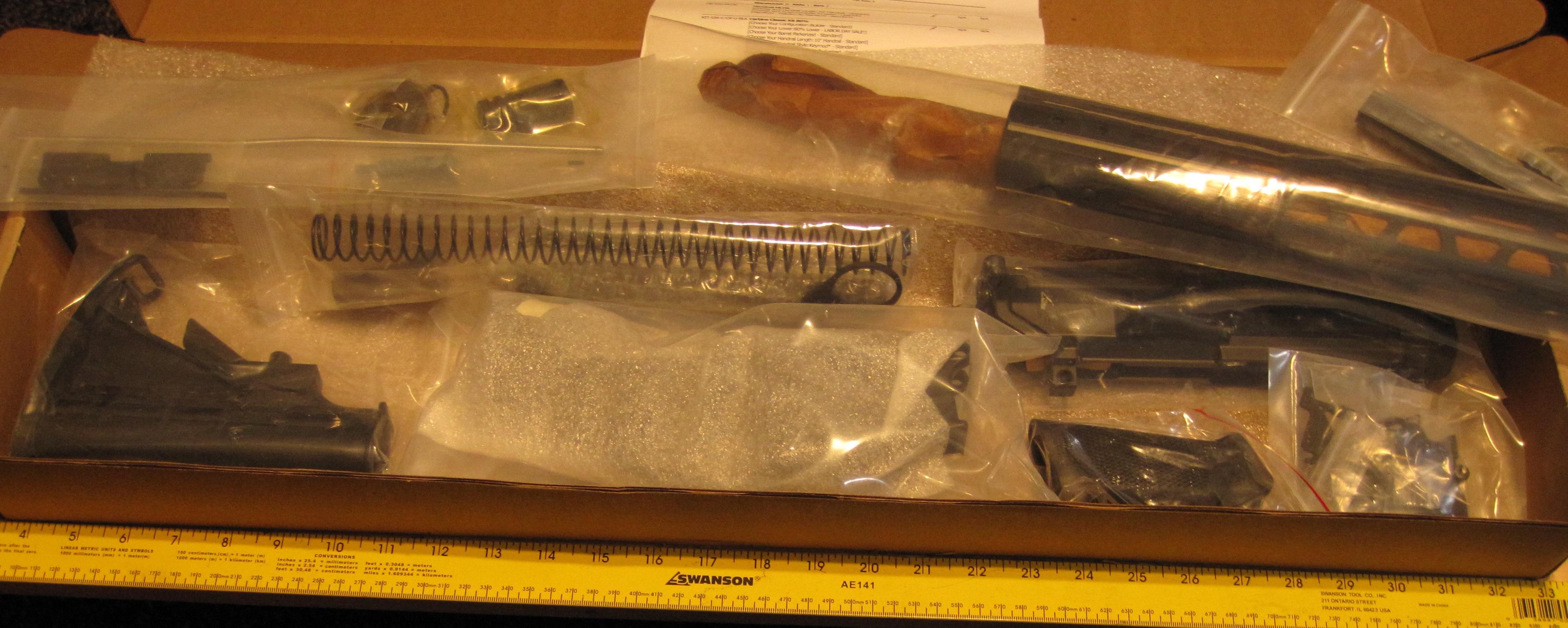
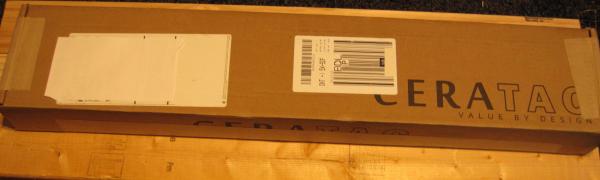
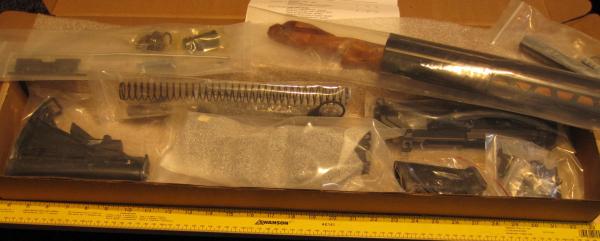
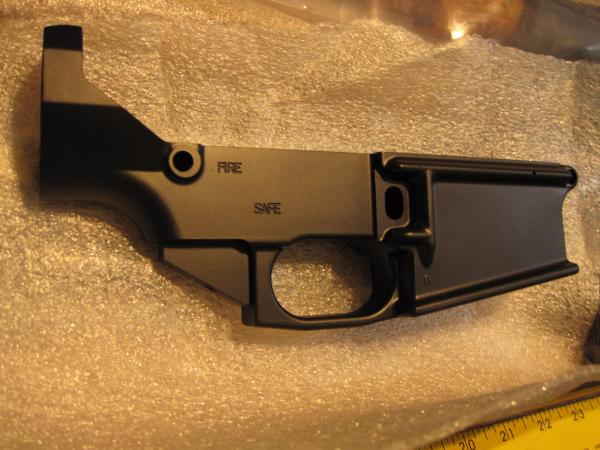
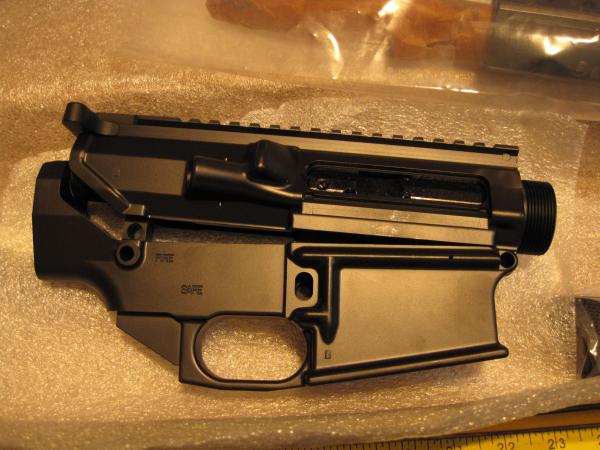
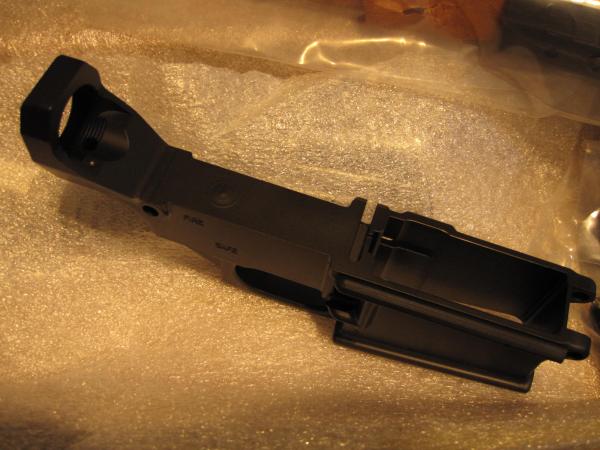
The Ceratac AR308 kit has finally arrived here. It was not actually late as they claimed 3-5 business days for shipping when I ordered it. I had simply assumed it would ship with some other things I bought at the same time and I was clearly wrong. I have taken some preliminary measurements though I haven't had time to sort through what they all mean yet. The barrel threads measured 0.485" in the groove with 8 threads between the calipers. I measure 6.2785" between the center of the front take down and the center of the selector detent hole. That measurement matches none of the prints I have seen so far. From the rear of the selector detent hole to the flat at the back of the trigger well (where the pistol grip would attach) is .415", minus half the hole size would be .337" on center. Selector detent hole is .156" diameter and the front pivot takedown hole is .266". The gas tube is 11-11/16 long.
-
What do you have on order or in the mail? Part 2
Lane replied to imschur's topic in General Discussion
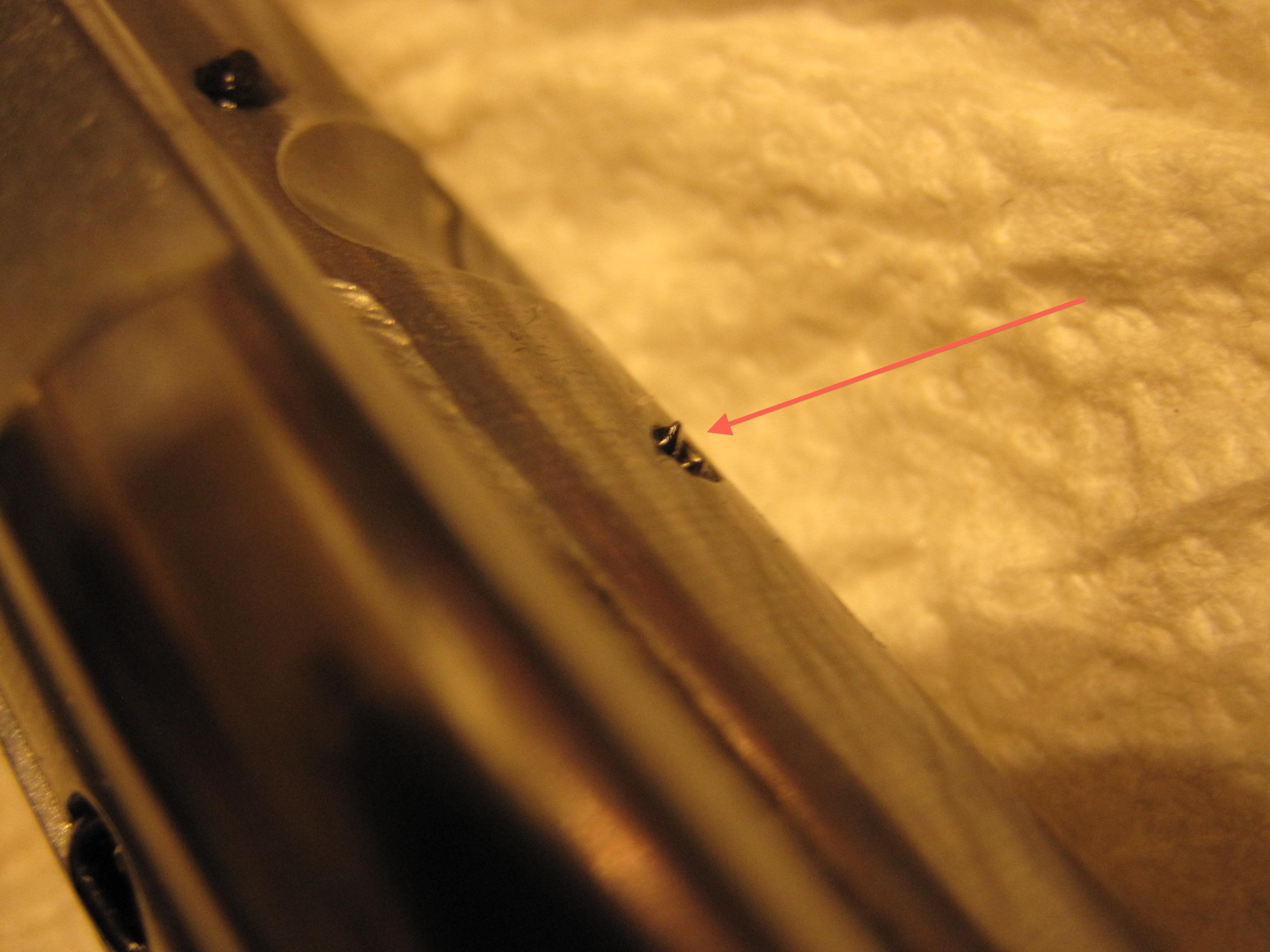
It seems like people have at least read my earlier posts, so I'll answer my own question and provide a picture. This is a macro photo of the CMMG bolt carrier group with the offending cotter pin tails marked. I can actually make it stick out further if I press the other end in tight. I have simply never seen another BCG that had protrusions like this. After fitting it, and carefully inspecting the operation inside a new upper, it does not seem to interfere but it is quite close. I would estimate less than 1mm between it and the inside of the upper receiver. It can be seen entering the upper receiver through the ejection port when cycling the bolt. And; unfortunately they sent an extra gas tube roll pin with my last order. One packaged with the gas tube, and another one with the gas block...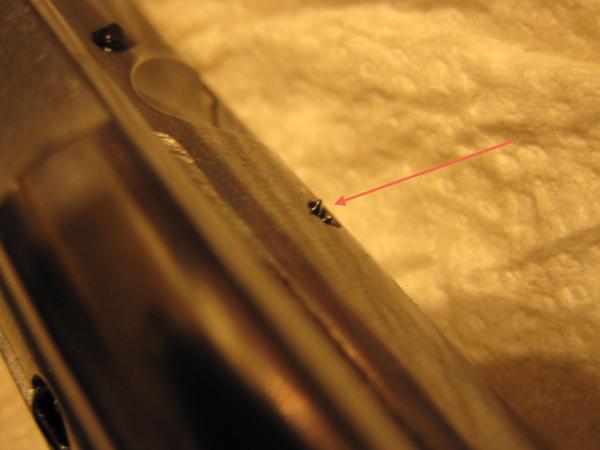
-
Sorry to report that the postman rolled up with only one small box today. I got out the camera to document the contents only to find the packing slip had the AR308 kit crossed off. It may ship out of a different warehouse or something, but of course they are closed today so I can't even ask until Monday. That was a real buzz kill so I started grinding the threads off some barrels to make them legal while I wait. I will check back in the moment I have something.
-
What do you have on order or in the mail? Part 2
Lane replied to imschur's topic in General Discussion
Not sure where else to ask about this; not much going on in Rimfire. I got my CMMG conversion kit for .22LR and haven't tried it yet. I wanted to dedicate it to a new upper and barrel in the end. I noticed that the cotter pin tail for the firing pin sticks out the side of the bolt and has sharp tips. I think there is clearance inside the upper but I don't dare mate it with anything else I have on hand at the moment. If anyone wants to look at theirs and take pictures, or play with it and report back I would appreciate it. I just don't want to start off on the wrong foot. I'm not sure mine would clear the back side of the upper as it sticks out pretty far. Is the general consensus to run this wet with oil, or do I want to avoid oil too far forward in the firearm? I'm planning to buy a whole new barrel later so I'll take suggestions in that respect too. Just want to shoot .22 out of a basic AR-15 build (that also looks dumb because I live in NY). -
I've been going over all of my blueprints with a fine tooth comb to see what measurements I should be comparing to begin with (and what differs between them). Some drawings appear to be missing vertical placement for the selector hole (or any part of the FCG). If anyone can measure from the top of the selector hole to the top of the lower, and bottom of the hole to the lip over the pistol grip of the lower I think that is a good start. Might even be nice to measure both sides and average the results. There aren't a lot of great reference points in the horizontal axis which is typically measured from the front (pivot) takedown pin on centers which is just plain tough to do by hand. The mag release button might be at least acceptable for that measurement though. It would really just be used as a sanity check. I have a pretty high resolution photo of the SR-762 shot from dead flat (no perceivable distortion). I think I can print the FCG at 1:1 scale and overlay it to double check everything as well. Not a perfect solution either, but for all I know at least one of the prints I have does match. My first order of business will be measuring everything relevant and comparing to each of my prints to start ruling things out. I'll also post the pictures of the significant parts, barrel thread measurements, etc. as soon as I get it unwrapped. My current plan is to do a one day AR-15 80% build first, just to clear my head. Then get started on the 308; if I start roughing in the 308 pocket first, it gives me just a bit more time shore up all the measurements to be confident I know where the FCG should be before I drill those final holes. Much appreciated if you can grab those measurements off the matrix. Also; if you can try to measure from takedown (on center), to the selector hole (on center), but parallel with the flat top of the lower that would be a huge help too. The numbers I have for that are all over the map. So far the variations I've seen are: 6.077", 6.115", 6.136", 6.16". I won't mention which one I'm hoping for... Thanks
-
Good evening from Upstate New York. Some of you may have seen my posts hijacking the Ceratac discussion thread. I am eagerly awaiting the kit to arrive tomorrow but won't get started building immediately. I still have a few details to work out yet involving measurements. I recently became fascinated with 80% builds and have a few going at the moment in various states of completion. I spent three and a half days (usually just a few hours each evening) milling out my very first AR-15 80% lower, and then another day working out the FCG. I still use that rifle a few times a week as both a beater and a personal favorite shooting targets at home. If only the ammo were cheaper... Living in New York I definitely get riled up once in a while about all the "features" that aren't allowed here (with a semi-auto and removable magazine). Seeing all the great builds on this site does make me a bit jealous. Pretty sure these NYS builds will at least be worth a good laugh to all of you living in free states. Without many 80% .308 options available I chose one that seemed like it could be alright; though I'm quite sure literally everyone considers it a budget option. I don't plan to use it all that much; simply as a hunting rifle and for the occasional shots at paper targets. But, like everything else in this hobby, something tells me that building just one 308 isn't going to be enough. Might as well try a second one after this, maybe a Frankenstein of some sort. I want to say thanks to everyone that replied to my earlier messages inquiring about the various AR style 308s. I think I'm finally starting to be able to pick out the various nuances between them. Honestly I still have no idea about all these new gen2/gen3, etc. that are now coming out. In due time I hope. All the best,
-
What do you have on order or in the mail? Part 2
Lane replied to imschur's topic in General Discussion
You guys are too funny. I have almost all that coming in the mail right now; just didn't want to mention it on a 308 board. .22lr bolt got lost today, but will be here tomorrow. The CMMG .22lr conversion was $159 at Primary Arms with three mags over the weekend. Picked up another one of those Ceratac AR-15 kits too; to dedicate to the .22 bolt, as well as the AR-308 we have been spit balling about. Bought the cheapest AR-15 kit with plans to swap out the barrel anyway. I want to be able to shoot lighter bullets as its tough to find .223/5.56 at retail above 55 grain. Here in NY we pay the FFL fee just to order ammo online (and then pick it up in store). Doesn't make sense to buy less than 1,000; even then, why not buy 10,000 if you have to pay the middle man too? Best to buy all the parts in the mail, and shop around locally for ammo where it's cheap. Don't even get me started on what features we have to cut off our rifles if they cycle semi-auto. -
My plan worked. I got a reply from 5d Tactical's sales department at midnight here, and I believe they are in Massachusetts. Somebody really loves their job as that is pure dedication. The reply was very thorough, stating that the FCG holes do NOT match DPMS Gen 1 style lowers. They do in fact match the location of the Ruger SR-762, and other compatible lowers. No issues with the width of the receiver fitting in their jig; so presumably a conversion kit is just a set of side plates with holes in a different location for the FCG. They also mentioned that there are other companies that use the same layout FCG layout, but the only jig available is the 5d tactical at the moment. They describe it as relatively new, having been developed in only the last six months. I think that's all I can add to this until I see it in person on Saturday.