
FreQRiDeR
-
Posts
148 -
Joined
-
Last visited
Content Type
Profiles
Forums
Downloads
Gallery
Store
Everything posted by FreQRiDeR
-
I just got some 168 SMK's . According to my QL calculations, 41.6 Grains of AR-Comp will put me on an accuracy node for my 16" barrel. (.882mS barrel time) This will be a hot load in my 54gn. of H20 capacity Federal .308 brass. ( QL has Federal brass at 56 grains H2o so measure your case capacity!) Just under 62,000 psi. SAAMI max! I will, of course, work up to that to be safe. I'll post results!
-
Quickload is one of those things that you don't know how you ever managed without it till you have used it for a while. It's amazing how slight variables can change a safe load to a dangerous load in a heartbeat. Case capacity comes to mind. I measure my bullets weight and length and my brass' case capacity and length, and enter these values instead of relying on the default info for a specific bullet/cartridge. You will acheive much more accurate results this way. I reload for 300 win mag and the difference in case capacity of the brass in that cartridge from brand to brand is FRIGHTENING! (from 88 grains H2o to 95.5!) So if you developed a hot load in the larger cases and jammed that same charge into the smaller one, you'd have a 13,000 psi difference according to QuickLoad! Needless to say, if you're anywhere near max, you'd have a very dangerous situation! I always measure my case capacity now when I get new brass and enter it in QuickLoad for safety/accuracy reasons. Another example would be a 308 win load vs 7.62x51mm NATO. With the NATO's thicker brass, loads can use up to 2 grains less powder to acheive the same pressure because of the smaller case capacity. Another great thing about QL is barrel time. Using an OBT (optimal barrel time) table, you can find where the accuracy nodes are respective of barrel length with a given load! I came to this conclusion on my own working with QL. Then I came across all this! It's helped me get very close to some pretty accurate loads in both 300wm and 308 win! https://www.google.com/search?q=using+quickload+to+find+obt&ie=UTF-8&oe=UTF-8&hl=en-us&client=safari Does take a little of the experimentation/shooting/fun out of it though!
-
Oh man! I make a habit of capping my cartridges with a bullet (by hand) directly after charging them and I tend to use powders that fill my cases 85-100 percent (usable) so thank God, I've never experienced a double charge!
-
Concealed Carry While Cycling and Mountainbiking
FreQRiDeR replied to imschur's topic in Concealed Carry
I have a large fannypack, works very well for this -
Well, this is California so it's actually packed with hippie lettuce! ;)
-
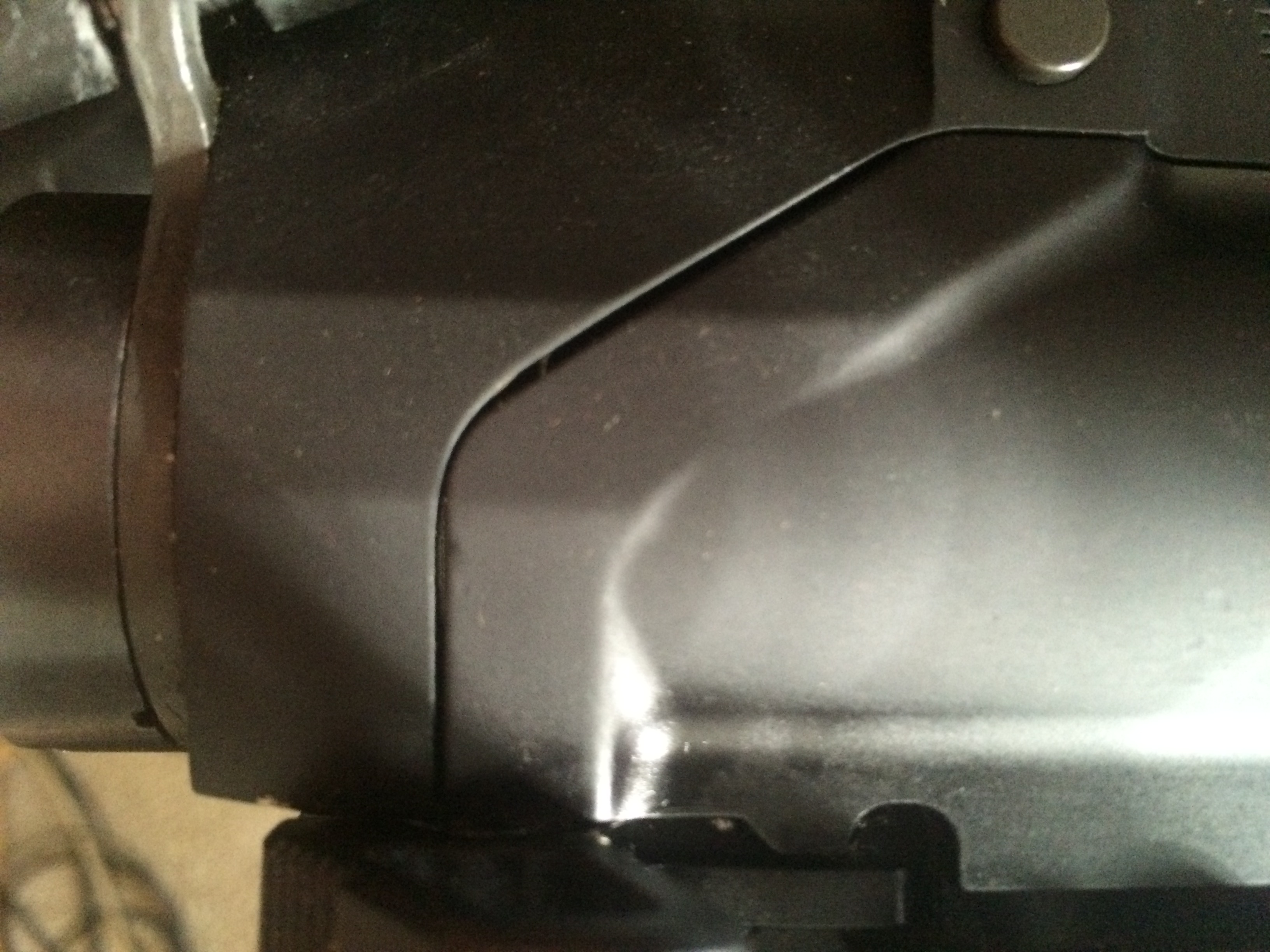
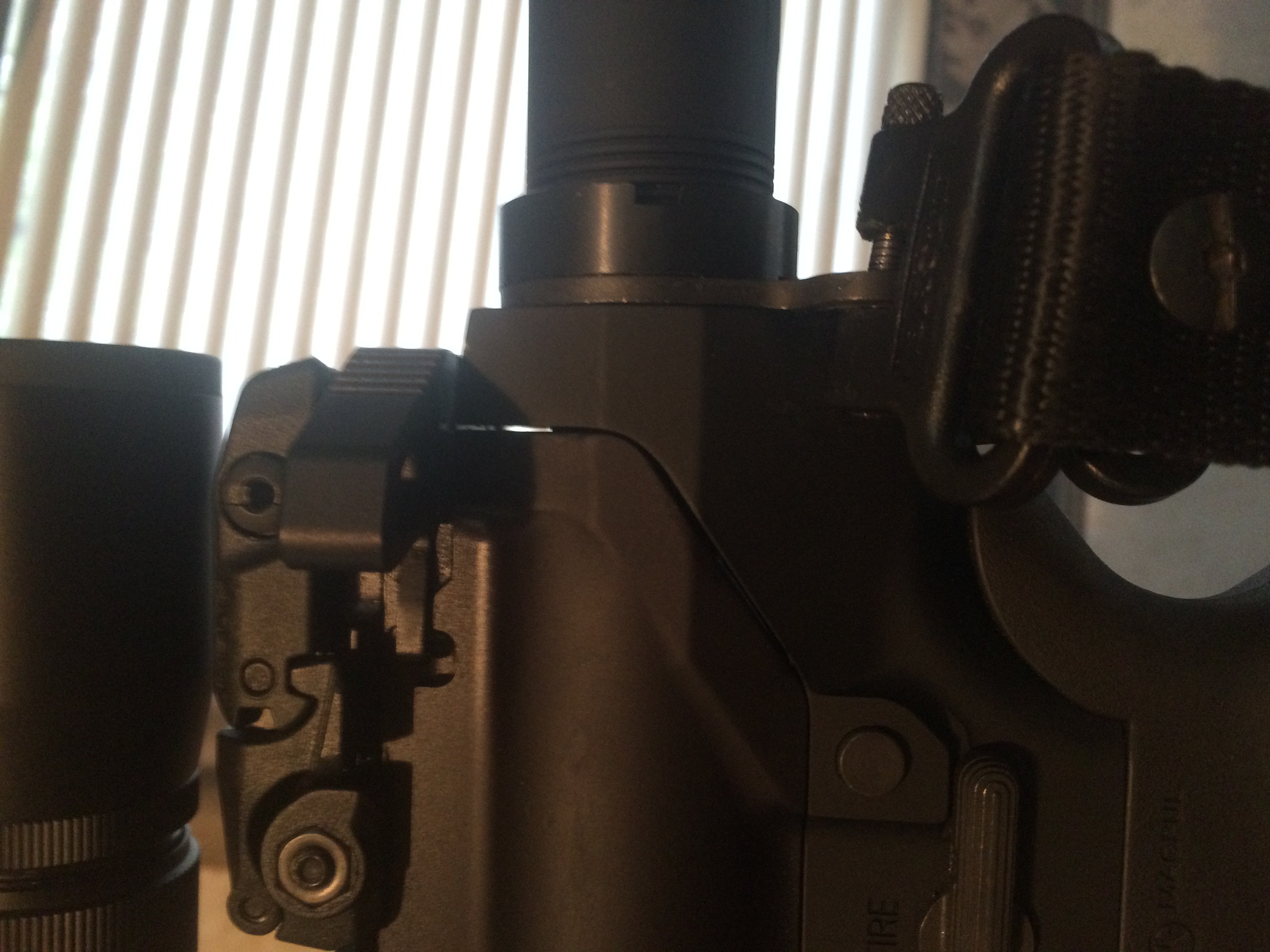
It's Armalite's new Full Floating Upper. Said to eliminate 99.9% shooter error. That's probably why it shoots so well for me! ;)
-
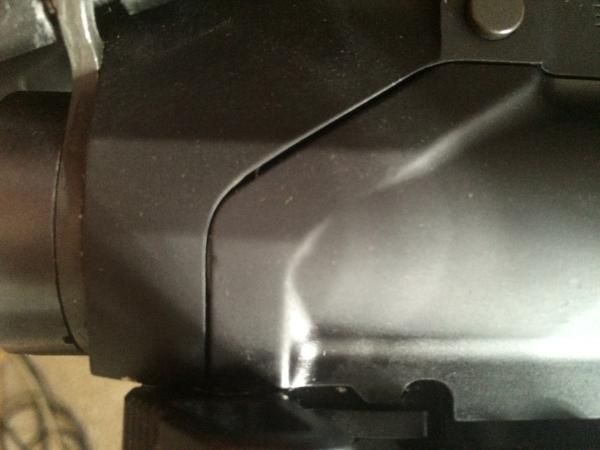
Is this really a deal breaker for you? I think you're all being overly fussy. As long as the rifle is functioning as intended, I'm happy. And I'm happy to report, it's shooting quite well so I won't lose any sleep over it. I mean what could happen? My bolt's gunna catch a cold from the draft? ;)
-
No, the gap's not parallel, you're right. I read this thread before getting the rifle so I checked mine as soon as I got it. It was there before I shot it. So no, it hasn't spread out after firing a few hundred rounds. I would have sent it back asap had that been the case. Minimal wiggle between upper and lower actually. Should have saved my money and got a DPMS! ;)
-
Really? I have no idea. Do you have a picture of yours to compare? I'm curious now. Sadly, that seems to be the case with most companies these days. Not just in the firearm industry.
-
Seriously though, thank you Robocop1051 for the very concise information! :)
-
No flash supressors allowed, only muzzle brakes
-
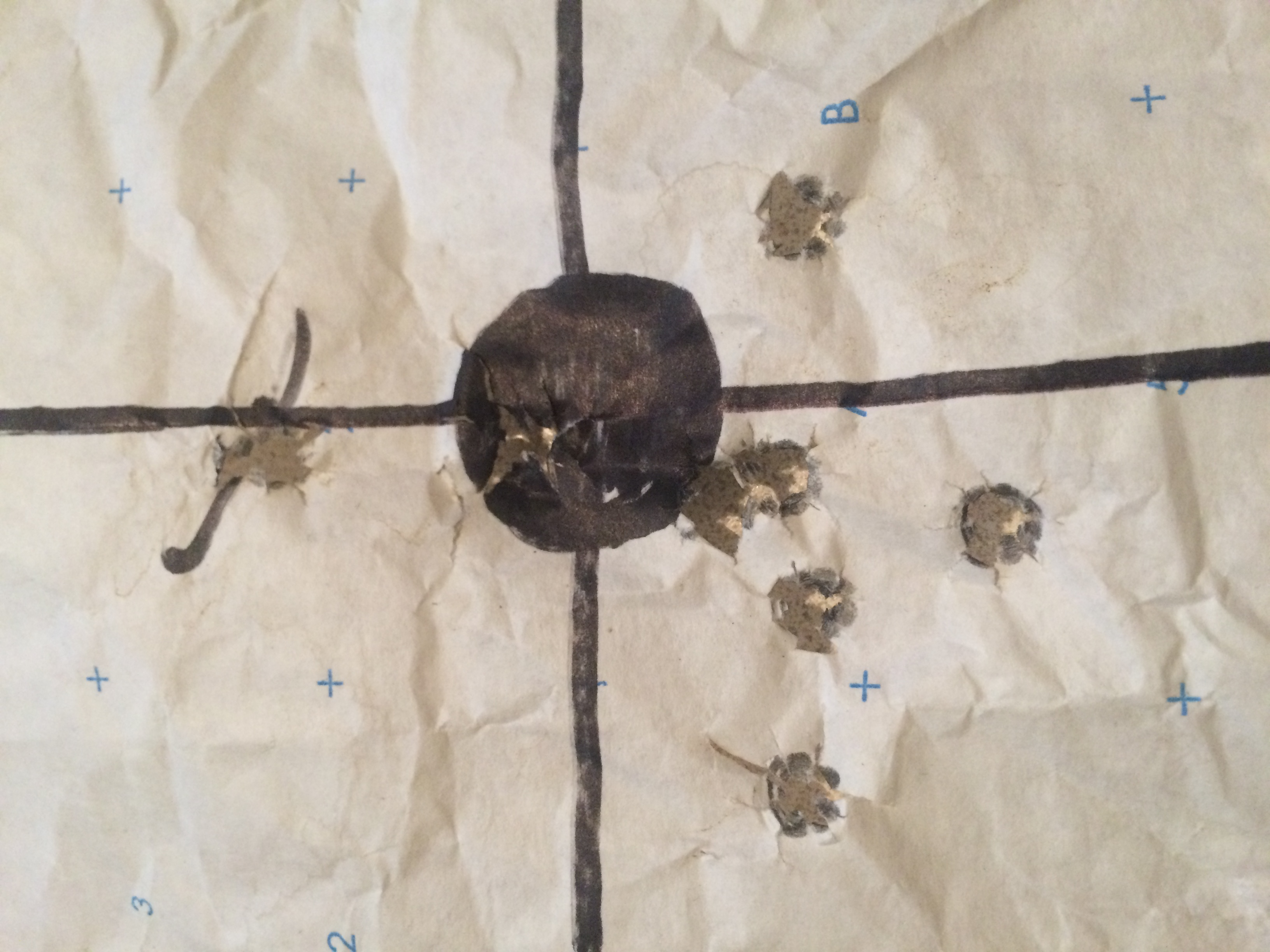
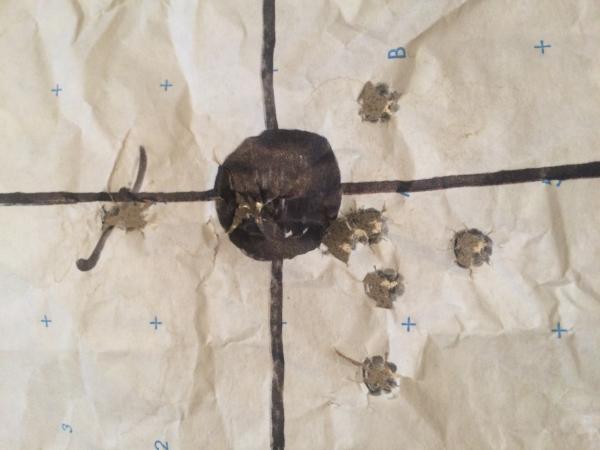
More concerned with how it shoots, Wash, than how it looks. But that's just me. :p I'm very happy with my Armalite. Sub moa after sighting it in.
-
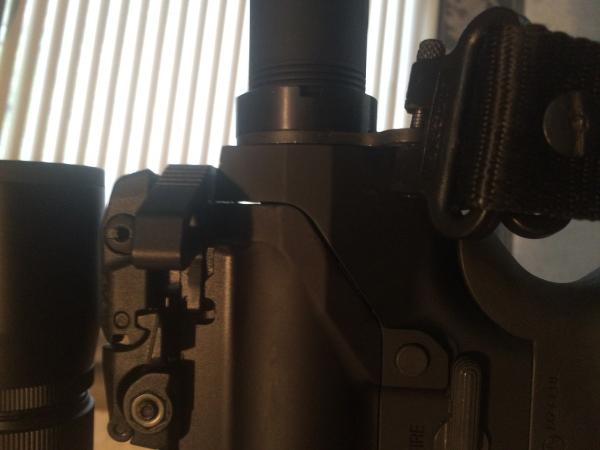
My Tac16 has a similar gap between upper and lower, although not as severe. If it were fitted perfectly, you would get a mechanical lock and wouldn't be able to pivot the upper off the lower. I doubt the gap had increased as you say. If there was something wrong with it., Armalite would have fixed it. It's much cheaper to do so than have to deal with a lawsuit.
-
What made you decide to move to the 308 AR/AR-10 Platform?
FreQRiDeR replied to imschur's topic in General Discussion
I wanted something more gentile to shoot than my 300 win mag. Besides, I don't get to stretch the 300's legs too often around here, so I got an AR10 Tac16! Really enjoying it! -
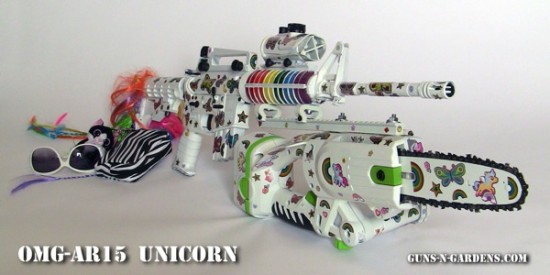
well Robocop1051, as for #1 I'd like to remain a FREE MAN so... I did this to make my rifle more california compliant ;)
-
We'll see how the Trump does. I might be in the State of Jefferson here soon so to hell with California! Btw. California, if you're so worried about civi's having big guns why don't you talk to Hollywood and tell them to stop shoving guns down out throats! They're the reason we're all gun nuts in America, after all!
-
Very confusing, to say the least! Law says we have till 2018 to register or comply? Does that mean I can continue to use a bullet button till then or do I need a maglock type device come 2017? Looks like many uninformed people are about to become 'felons'!
-
Well, you can only drive to and from shooting range and not many ranges allow registeres assault weapons. Get gas? Felony. Grab a burger on theway home? U guessedit. Felony. Also you can't let anyone else use it. No exceptions! Probably more that I'm notaware of. Having a registered assault weapon is no joke. Much stricter laws guiding use and transportation.
-
Greetings Cali Shooters! I'm wondering what you all are thinking about doing, come new year in order to keep our rifles compliant? I narrowed it down to 5 options. 1; AR Maglock/Bullet Button Reloaded. 2; Thordsen FRS-15 stock. 3; sharkfin type grip.(fugly) 4; stubby grip/knob. 5; register assault weapon. I really dont want all the restrictions of having a registered assault weapon, so that's out. I don't like the fixed mag idea either. (Pivoting the upper off the lower to release the mag) I think the Thordsen Stock makes the most sense and you can employ a standard mag release button! Has anyone tried one of there stocks on an AR 10 yet? They make an adapter for it? Thanks all, FreQRiDeR