
Lane
-
Posts
1,042 -
Joined
-
Last visited
Content Type
Profiles
Forums
Downloads
Gallery
Store
Everything posted by Lane
-
I use the Ray Vin plates with an extra set of shims to shore things up. Mine were milled from plywood on my drill press (milling bit). They required a very small amount of extra milling to work on the larger frame lowers (still works with the AR-15 after the fact). I can't find them off hand, but know I posted pictures around here somewhere... I can certainly point you in the right direction if you have any questions about the drill press setup; I simply use a compound table and vice bolted on. It is possible with just a vice and press of course. The real fun here is determining where the pocket needs to be cut (accurately). Even more-so in terms of accuracy with the FCG pin holes.
-
Lane's: jtallen83 inspired 21.750" 300 AAC Blackouts
Lane replied to Lane's topic in 300 AAC Blackout
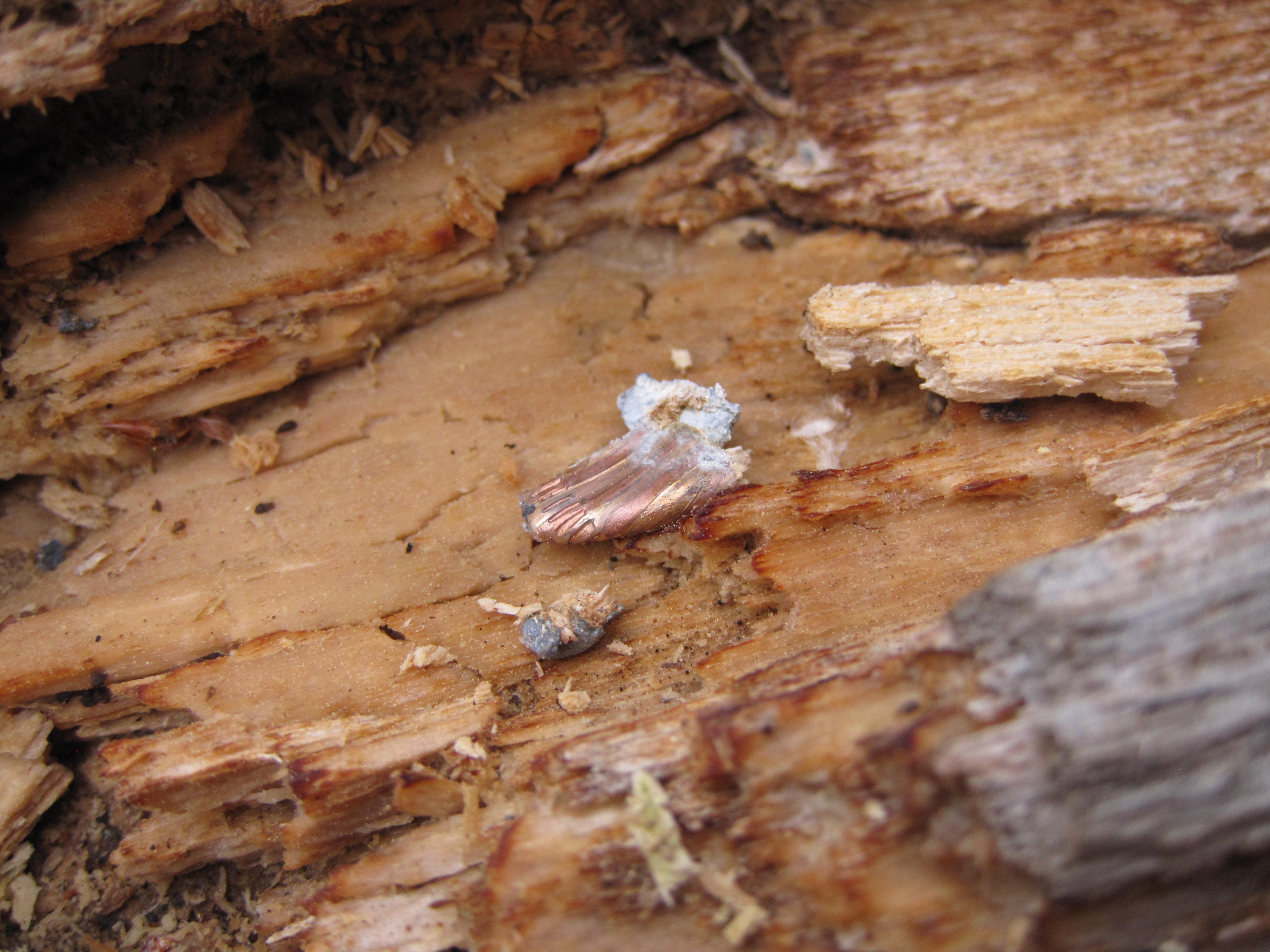
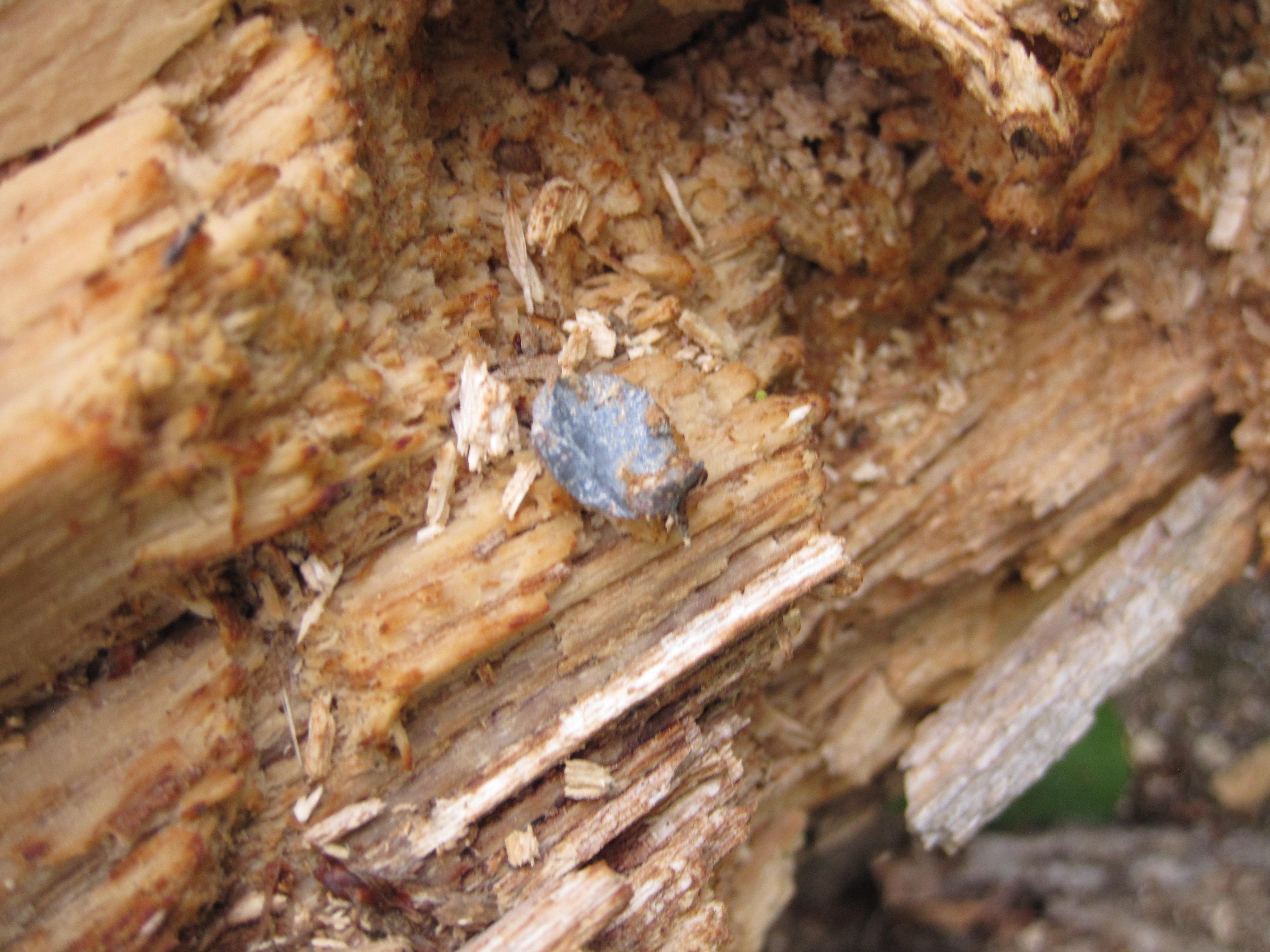
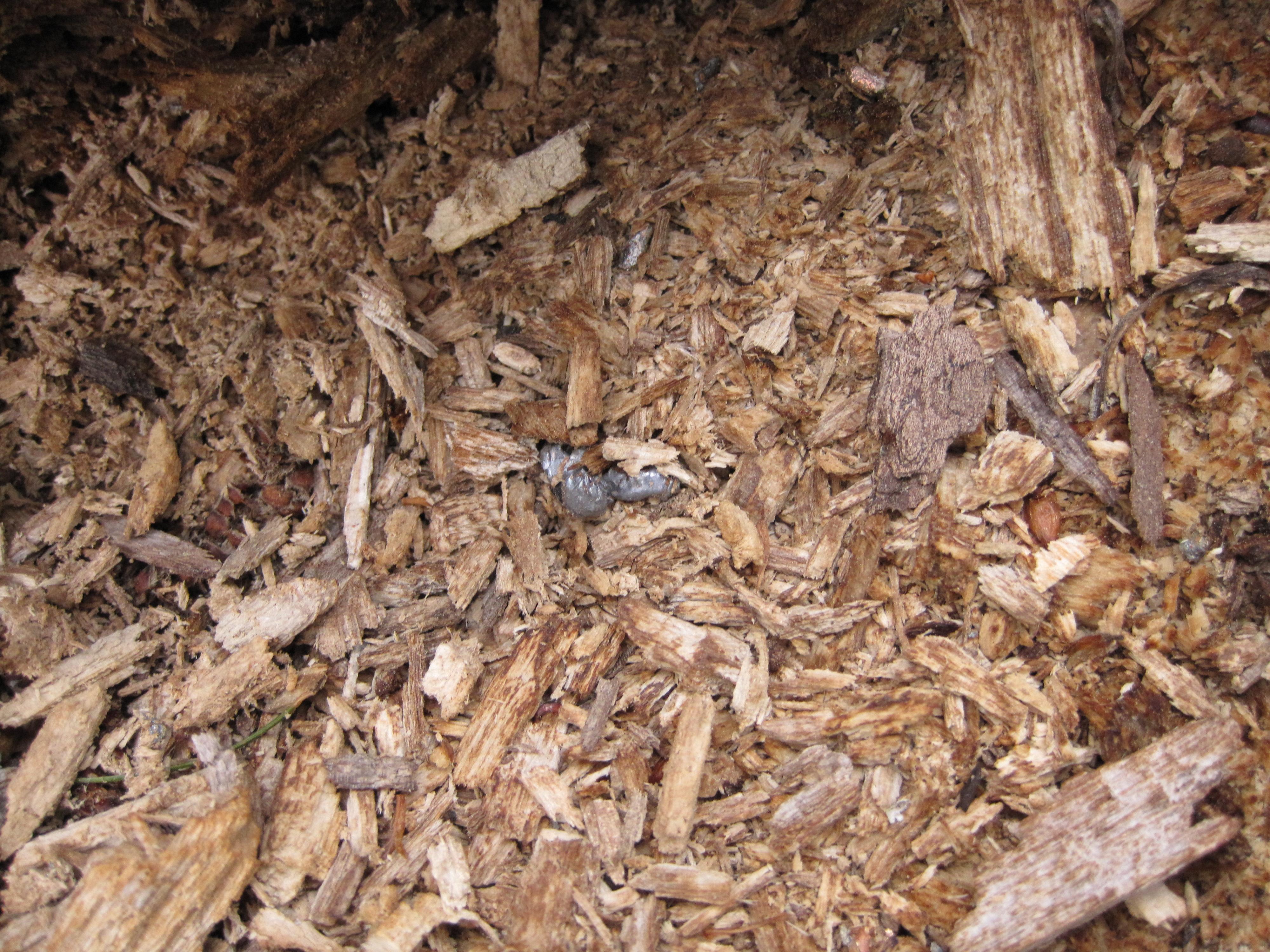
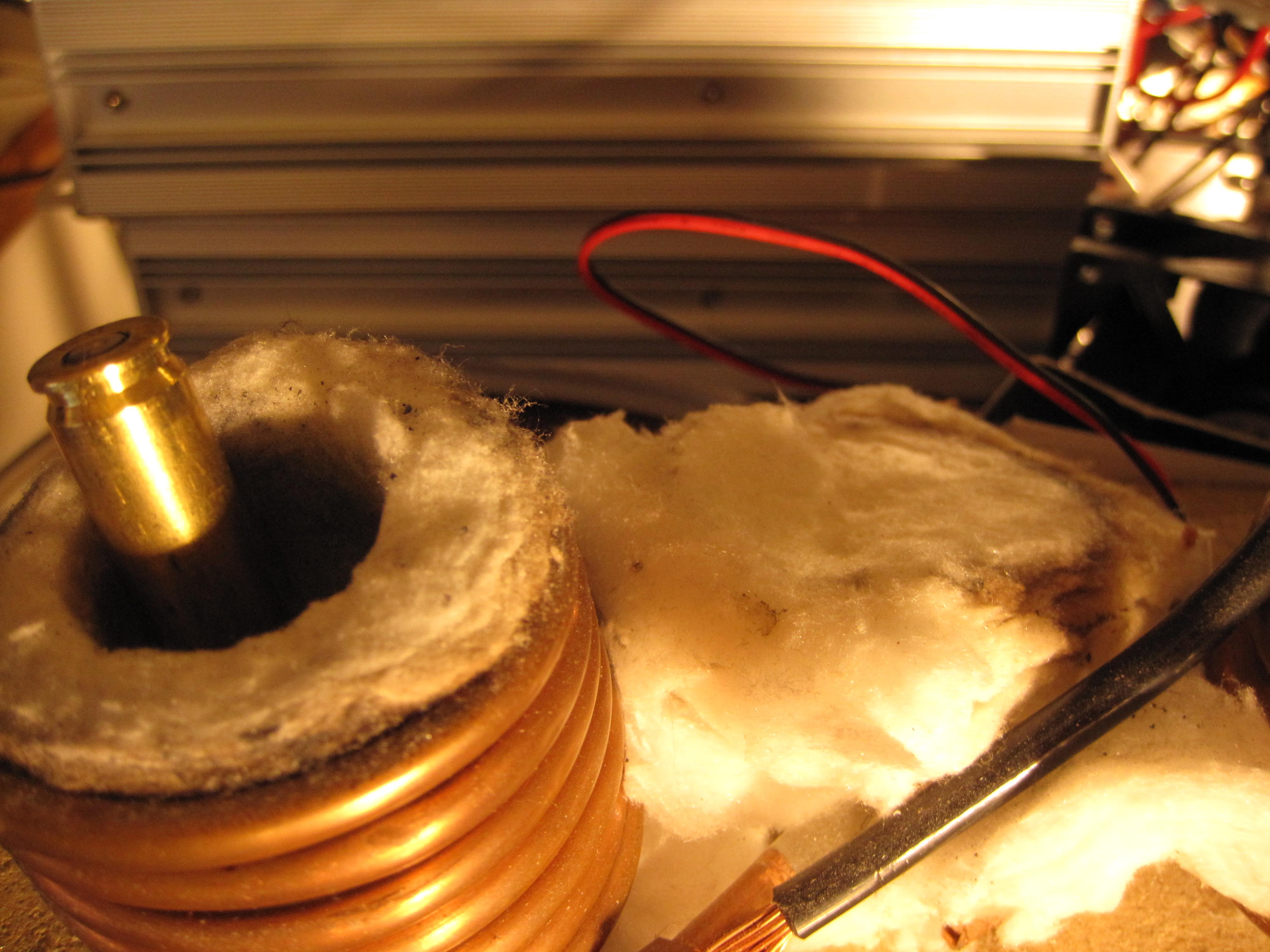
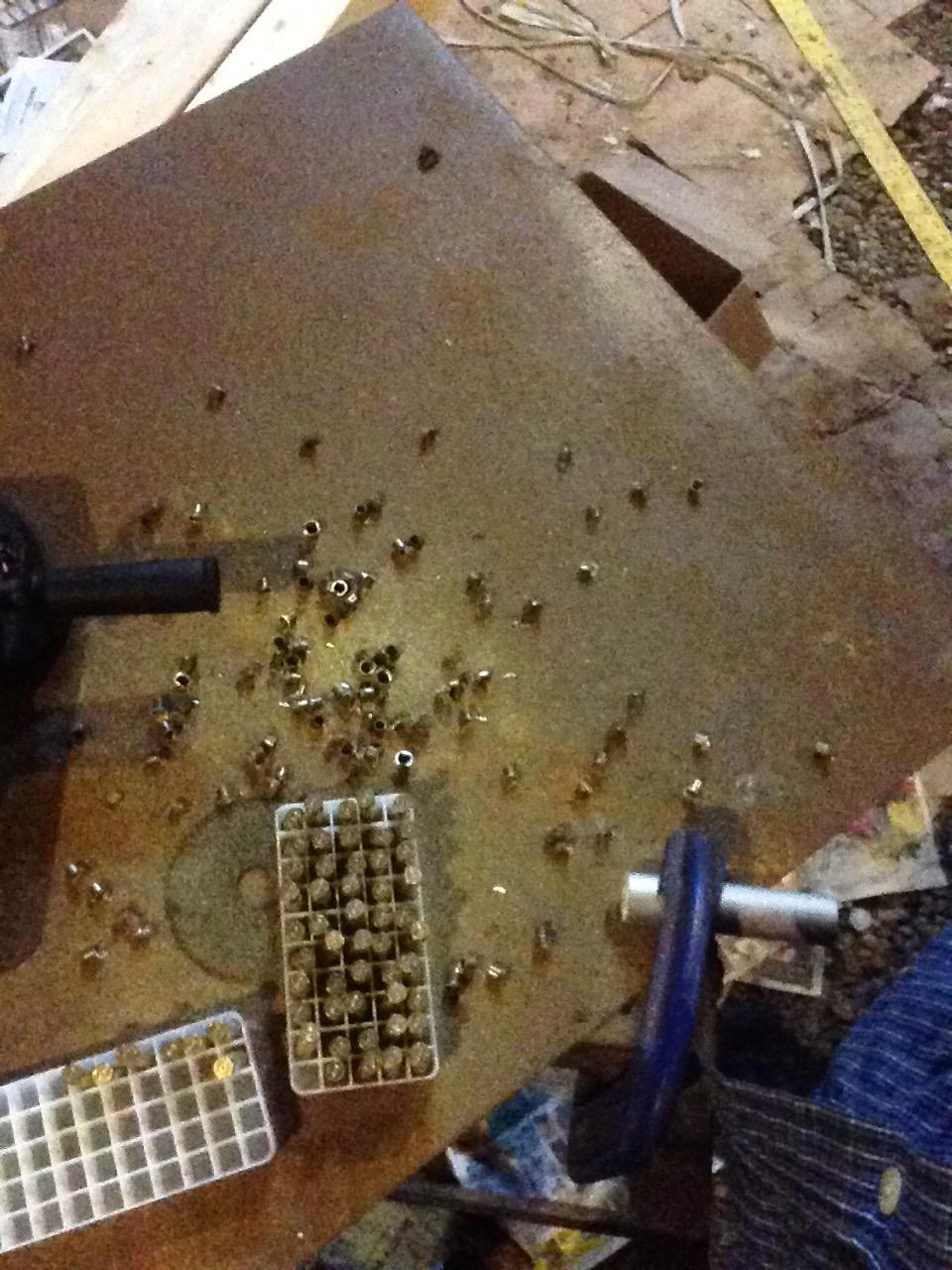
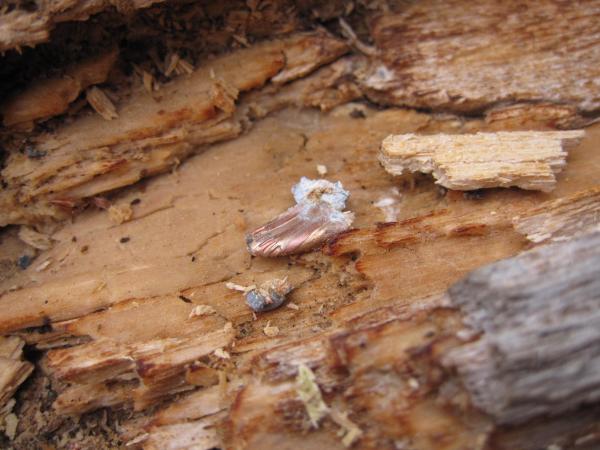
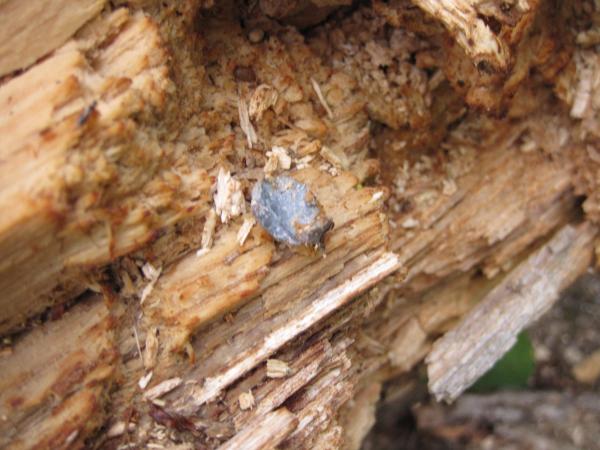
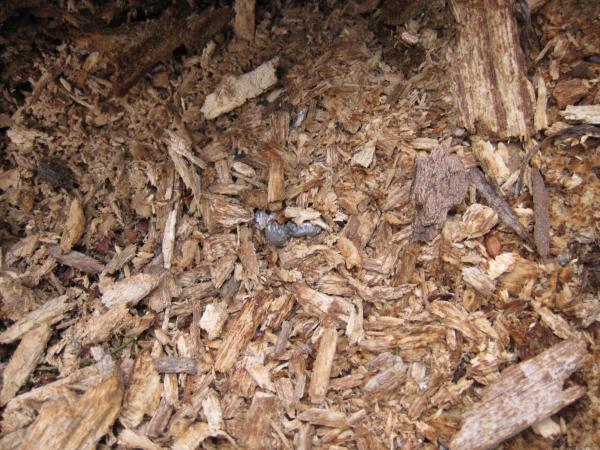
Small update here; I cut down a sapling with a single bullet? I've yet to inspect all the features of that particular happening; but it was interesting to me none the less. Trimmed the growth around my short range shooting log; but have yet to collect all the bullets from the surface again. I like to inspect anything I can find. Might as well, considering the craters that I've created already. This particular hard wood captures everything I've fired at it so far; so long as I don't miss (mountain stops the rest). Still have a few shooting related items to work out before I can get going. I set up to shoot the 99 yards, and didn't have a good elevation in terms of obstructions. Going to work that out soon though... Only a few more days to tie up some other extraneous projects, before I can get back into this project (fun?). The laser cutter is pretty much ready to go. That also allows me to continue prototyping the shot timer hardware (with a new main board). Making cases out of laser cut MDF and Acrylic is a cinch. Takes only a few minutes to design in CAD and cut the material; nearly as simply as a laser document printer with a 2D drawing (once setup and qualified). Now to get some 3D printers back online... Should be able to solder up the accelerometers and the original shot timer's broken USB port this coming week. That also means reloading bench is back in service. I really need "another" workshop; though that's in the works as well. I'm hoping that comes online before winter, but only time will tell... Found another guy annealing brass via induction. I haven't sent him a message yet; but have a few ideas for him. His notes on coil design are a huge help to me though. I should be able to get up and running with that in a week or two. I have other needs in that same vein; so it's on the list like so much else. He simply needs some insulation for his rig; I still have to wind some flat or multi-layer coils here. I can heat treat, and temper steel now though... No complaints in that department.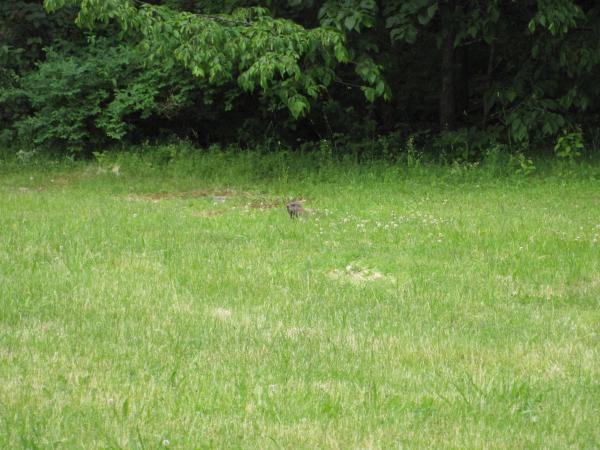

-
Lane's: jtallen83 inspired 21.750" 300 AAC Blackouts
Lane replied to Lane's topic in 300 AAC Blackout
I scoped out the only place I would want to shoot 100 yards here again; this time on foot. It wasn't quite as bad as I thought. There are still limitations; but I think I'm going to try it since the weather is nice. I'm going to call it 99 yards since I believe 100 yards puts me inside of a bush. It's a tight squeeze in a few different ways; but field expedient. Just waiting to be voted in as a member of the local club could take some number of weeks; so that's just not on my list right now. Ordered up the last one or two things I wanted to facilitate case prep en masse. I'll be spinning two lathes at the same time to de-burr brass, then die forming, and neck trim (with drill power this time I hope). I may be missing a piece for that last part; I have yet to try it out. Attempted to anneal a .308 Win case neck via induction. Unfortunately I blew up the cooling fan running the system at high power (fan not rated for voltage (my own oversight)). Not sure if this will work out for me or not. There are a few different coil designs I could try for this purpose (looping the coil backwards looks promising). I do know I have the power required (and it's on a meter); but I'm not getting brass red hot in seconds yet. I've been meaning to qualify this machine for a while now... I've only used it a few times with a graphite crucible; which it can get to 2,000F in a few minutes at lower power. I may need to anneal a whole bundle of cases at once to get the speed I want (so as not to anneal more than the neck). Strangely enough I don't have a folding table or anything portable around here for the initial testing. I've been working over the design of a portable shooting bench in my mind for quite some time; so I will likely fabricate something basic in the morning. Looked for a crucible I had previously used to pour copper, but have not located it yet. There are a few more around here that could be used as a substitute if needed. Also setting up a laser cutter with multiple sources. The included co2 laser tube is fine for non-metals (woods, glass, and some plastics); but my requirements don't end there. Still exploring options in terms of power and wavelength. I have a few modules I've used in the past ready to install. In the end it might get a full array, or fiber laser depending on their performance with metallica. I only need to etch a variety of metals (not cut), so my requirements might already be met with what I have. I smoked myself out the other day etching stone without good ventilation. Everything has been plumbed now (vents and water); my last adventure is elevating the water cooling unit, adding a second pump as a backup; monitoring flow rate, etc. First beam is already aligned; and tested functional in hardware and software.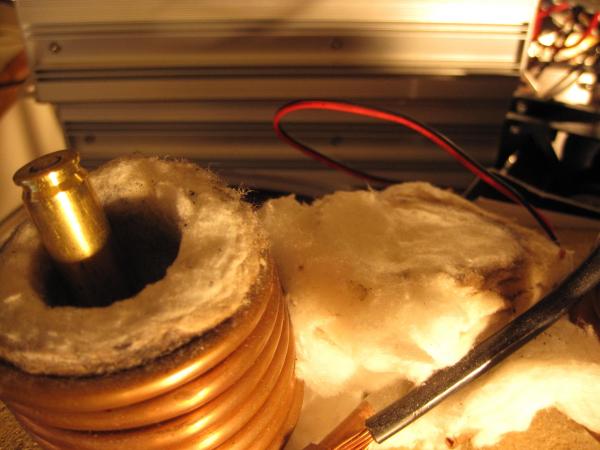
-
Lane's: jtallen83 inspired 21.750" 300 AAC Blackouts
Lane replied to Lane's topic in 300 AAC Blackout
Don't absolutely NEED to buy in for this project... There are other ranges that I could use one way or another. I did measure out the property; and shooting 100 yards at my normal target isn't even close to safe... Sad. Soldering on that USB connector again won't be much trouble at all once I get set up for that kind of work again. Things keep moving around here; and I haven't settled on how to efficiently configure these tools in the long term. Some new jokes; and other things to report once I can have a single day to myself, but not today... One last comment about these plastic straws... I did not expect this outcome. I don't follow politics much, because it's simply not entertaining (it is abrasive to me actually). I was aware of the plastic bag ban, and the straw situation... I simply assumed that the " best " minds were at work here behind the scenes... I could not fathom that there was a law (with no sunset?) to ban a material or device that didn't work with a poorly designed mechanical system. I thought for SURE I would find some scientific reason to ban straws and bags... But no... It is complete non-sense. Full stop. Ouch. -
Lane's: jtallen83 inspired 21.750" 300 AAC Blackouts
Lane replied to Lane's topic in 300 AAC Blackout
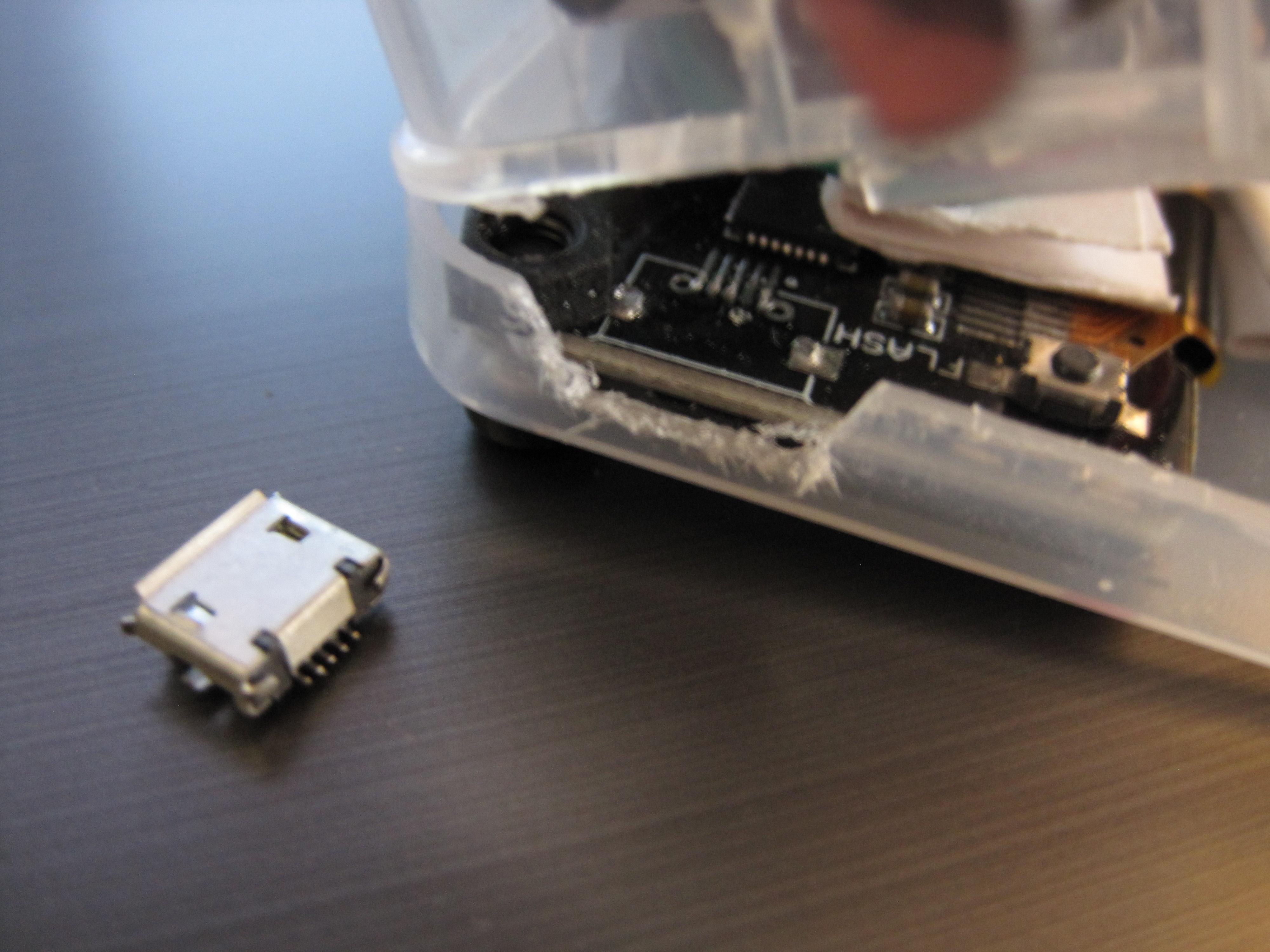
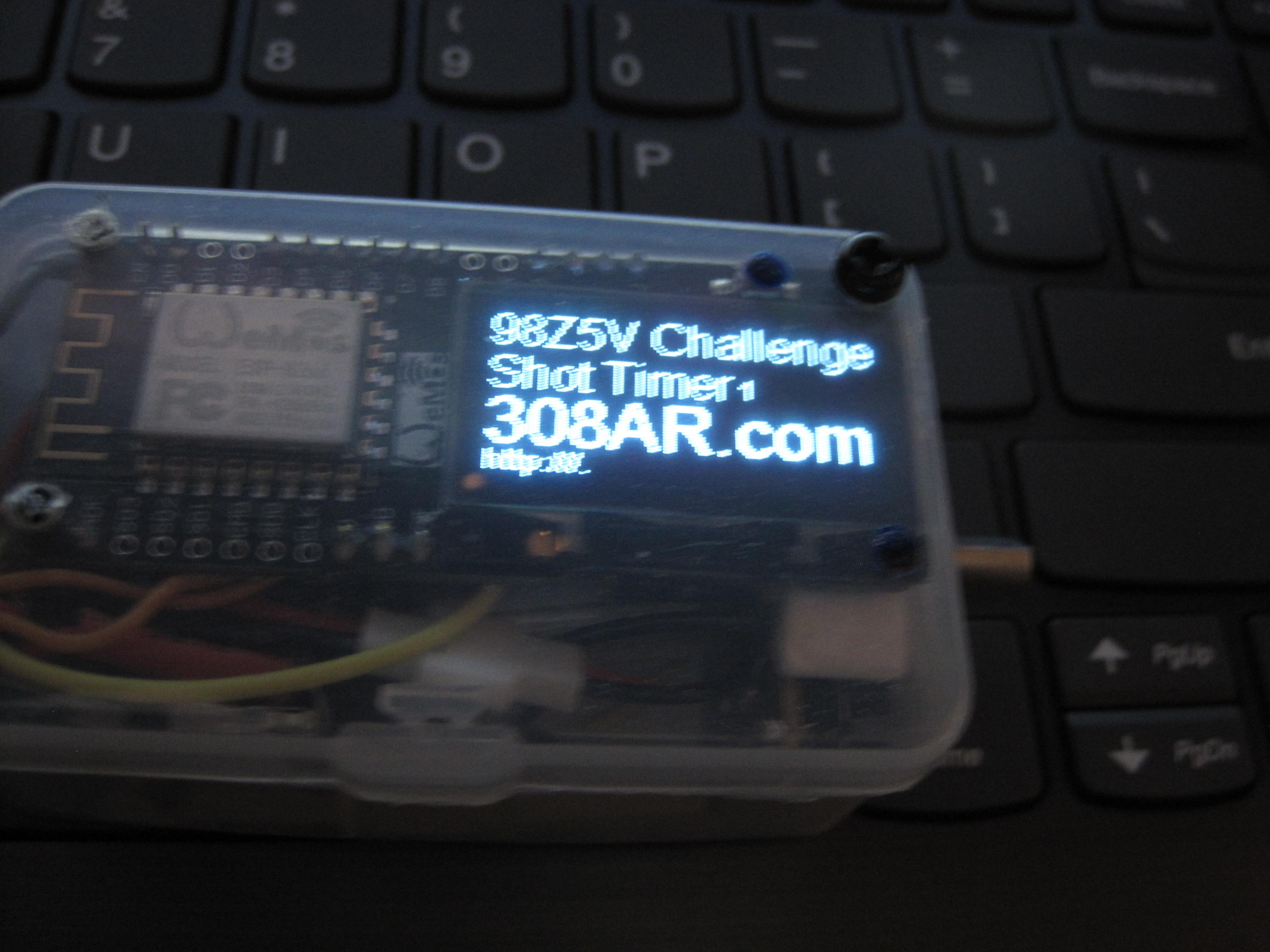
Stopped by the local rod and gun club yet again... This time they were open; and the president was loading some kind of vending machine (not even sure what it is used for). We talked for about half an hour about various things. Turns out I can NOT shoot there without being a member. I would need to find two members to sponsor me still; and it was recommended that I stop by for trap shooting on Sundays to meet other members. Interestingly; they don't have a 100 yard rifle range on site, it's up on the mountain near my residence... That all seemed nice; but it's an effort I have yet to make. The real kicker is the $165 first year cost. There are a lot of things that $165 still does for me in terms of this project and many others. All for a mere 25 yards. Truth be told; I have 100 yards here, it's just not convenient. It forces me to either keyhole shots, or shoot in a direction I would prefer not to. So I'm still on the fence about which why this early testing will go... It may well be here while I seek out other places to shoot 100 yards in the short term. I will certainly join the rod and gun club at some point (seems like good people there); but it's not the most immediate need I have. Sad picture of the day. While setting up my new computer I had wires everywhere. I didn't notice until this morning that the shot timer ended up on the floor; disconnected from its programming/charging cable. I found the USB jack still on the end of the cable; having been ripped off the board. That rubbed me the wrong way for a while, but I've come to terms with it. It was a great reminder that these things are designed and made quickly, for cheap, in China. If one were to build something for longevity that jack should have been glued on first, then soldered; and perhaps even epoxy potted afterward. I am not sure I can hot air solder it back on with the screen already mounted to the other side of the board. I will have to sharpen a soldering iron tip and do it manually. This time will certainly include glue, generous amounts of solder on the shield wings, and then epoxy. Assuming I even succeed that is... That brings me to some considerations about the future of the shot timer hardware. I could already design a circuit board to meet my requirements, and have a few made (or etch them myself). That would make them fit in a small case, and be able to use readily available hardware. I could also standardize on a newer style module; and perhaps modify my design to meet my needs and desires. And then there is the "ban plastic straws" approach... Ignore all the benefits of this particular design, and just wait around for something better to be invented out of the vacuum created. I did spend a few more minutes reading about plastic straws. I think this idea really was rooted in a school science project... Plastic straws are typical made of Polypropylene, which is recycling number 5. Plenty of things that are number 5 are recycled, and valuable as such. The documentation I got from the local recycling contractor specifically states that the problem is clogging and jamming in their mechanized system. The plastic bags and straws clog up the conveyor belts, and cause feeding issues among other things. For what reason we need a law to ban products that don't work well in the single stream sorting process, or associated machinery is beyond me. Instead of building (or really buying) better equipment that already exists; or converting to a more efficient process... We here in NY (and a few other states), have decided legislation is the solution. "Knee jerk reactions to problems that do not exist"; should be the slogan of our legislature. I had considered whether this was worth my time; but seriously considering recycling some straws to make something for this project. I wouldn't have been so excited if I didn't read that pellets are extruded at 4,640 F (2,400 C). That's right up my alley... Seems like that would require an inert atmosphere as well? I'm thinking custom pistol grips right off the bat... But, I also have quite a number of much more humorous ideas... More on the brass soon. I have a few more to collect and count before I have much to say. All good though. BTW: Those paper straws you all refer to aren't what I'm getting around here. Eco-straws here appear to be clear PLA, which is a fine material for many purposes. I use it for 3D printing because it's a direct analog for wax in the lost wax casting process (where ABS is certainly not). It also smells like maple syrup when printing, so I have no issue with using it indoors. Not sure what kind of Eco-straws you all have to put up with in other places. Hopefully not actual paper straws...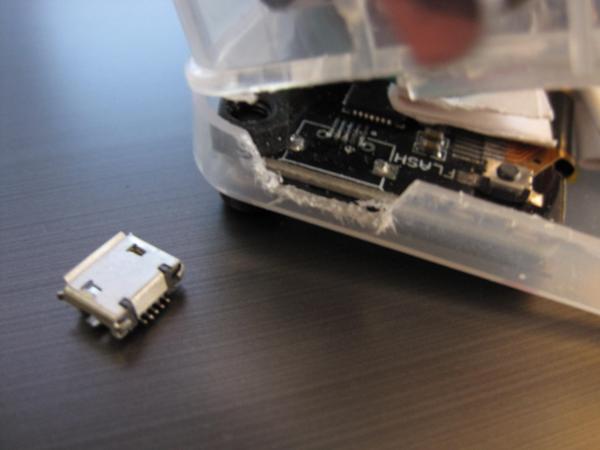
-
Lane's: jtallen83 inspired 21.750" 300 AAC Blackouts
Lane replied to Lane's topic in 300 AAC Blackout
That was all sorts of a can of Pringles. Once you pop; you... can't stop. Every time a case flew up in my face I looked at the tray, and thought; "I can fill it out still, with care"... I believe my loss rate is; and will be below 2% after conversion to 300BLK. That bag in particular appeared to have a lot more than 1% extra. Once they are all re-accounted for I will post back. There is some kind of extra cutting (neck trim) die that came in my original reloading kit. I think I can be rigged up for this purpose on a motor. The other hand tool should fit in my Unimat, so that could at least do one of the other trims at least. There were only a few cases in the whole bag that looked questionable in any way. One looked like a torn extraction event. Another had a boinked neck (cut right off for 300 Blackout). Otherwise it's pristine other than the residual powder residue. I prefer more than less. I bought some brass locally that was over-processed by a long shot; brass I will not likely fire in any gun... The shot timer could have calculated my inefficiencies there; but I wasn't quite programmed for that. I do have a brand new computer workstation though... One that allows me to code hardware at my desk; and perform all of my other work at the same time. This has been a long time coming (wanted to spend more on metallic hardware in the mean time here lately though).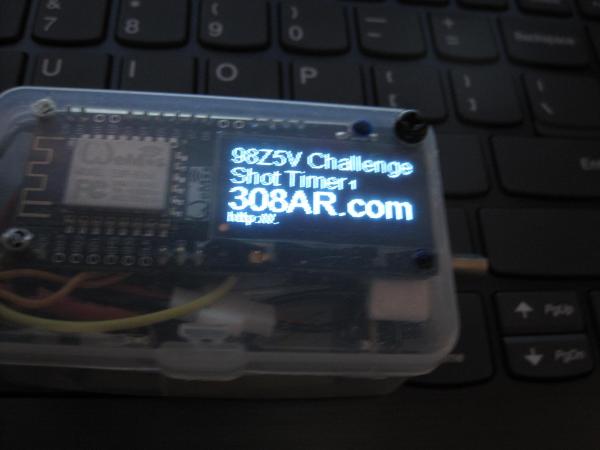
-
Lane's: jtallen83 inspired 21.750" 300 AAC Blackouts
Lane replied to Lane's topic in 300 AAC Blackout
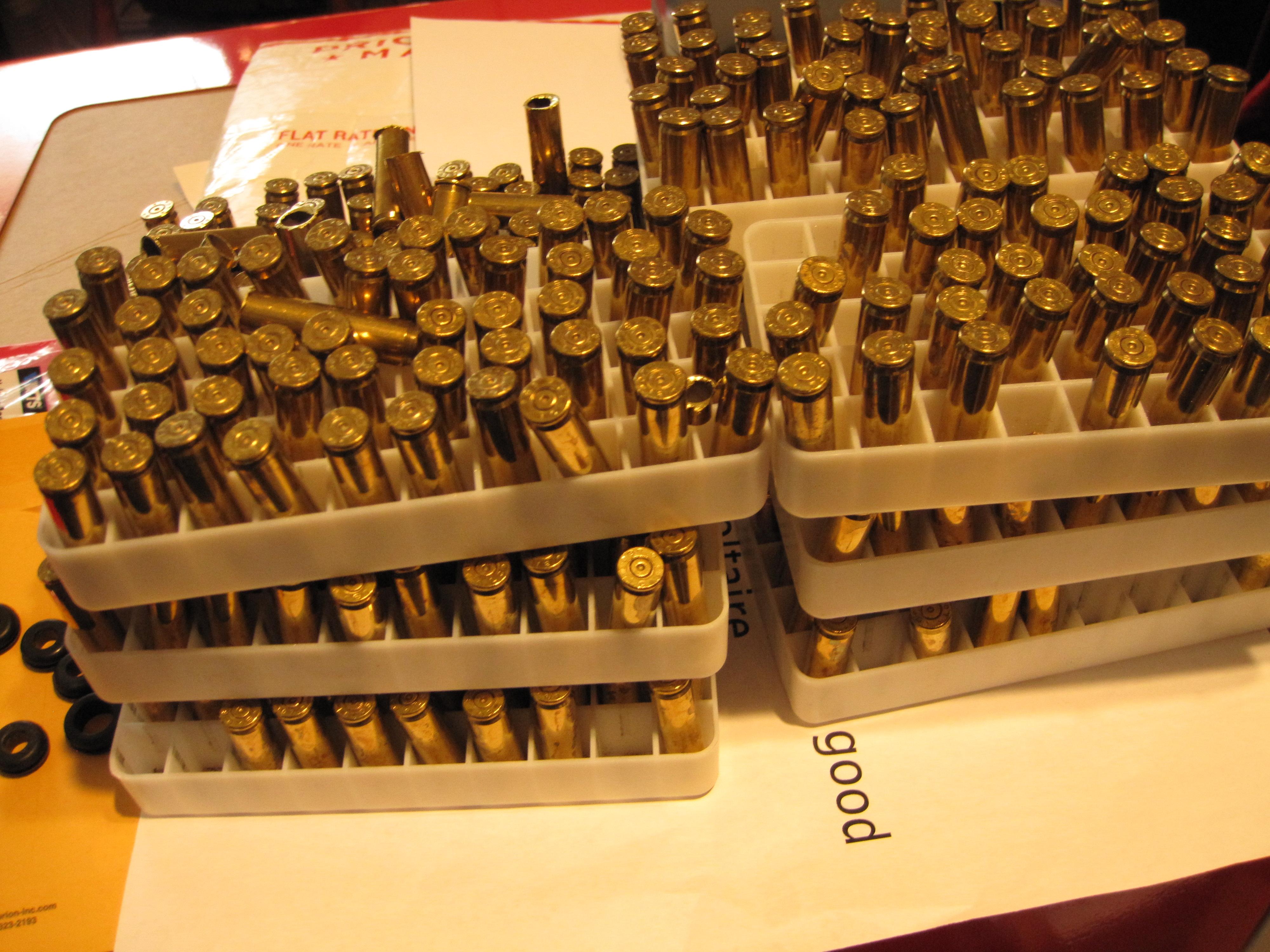
This was my morning excitement; mostly LC 12 with about 20% of 06-10. Completely lacking in LC 11 from what I can tell, though I left a few extras uncut from the bag of 500 once fired surplus. Going to need to buy some tools to do some of the further processing. De-burring a thousand cases by hand would be a bit much for my taste. Not sure if I'm just going to buy a tool to chuck up in a high speed drill, or look at something designed for the purpose. Either way; these should keep me busy for it little while longer here...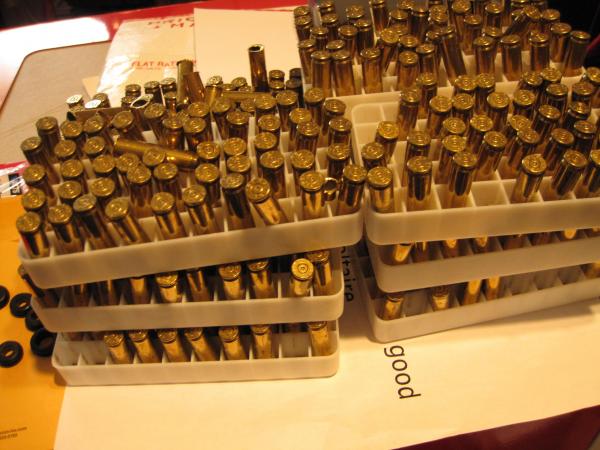
-
Lane's: jtallen83 inspired 21.750" 300 AAC Blackouts
Lane replied to Lane's topic in 300 AAC Blackout
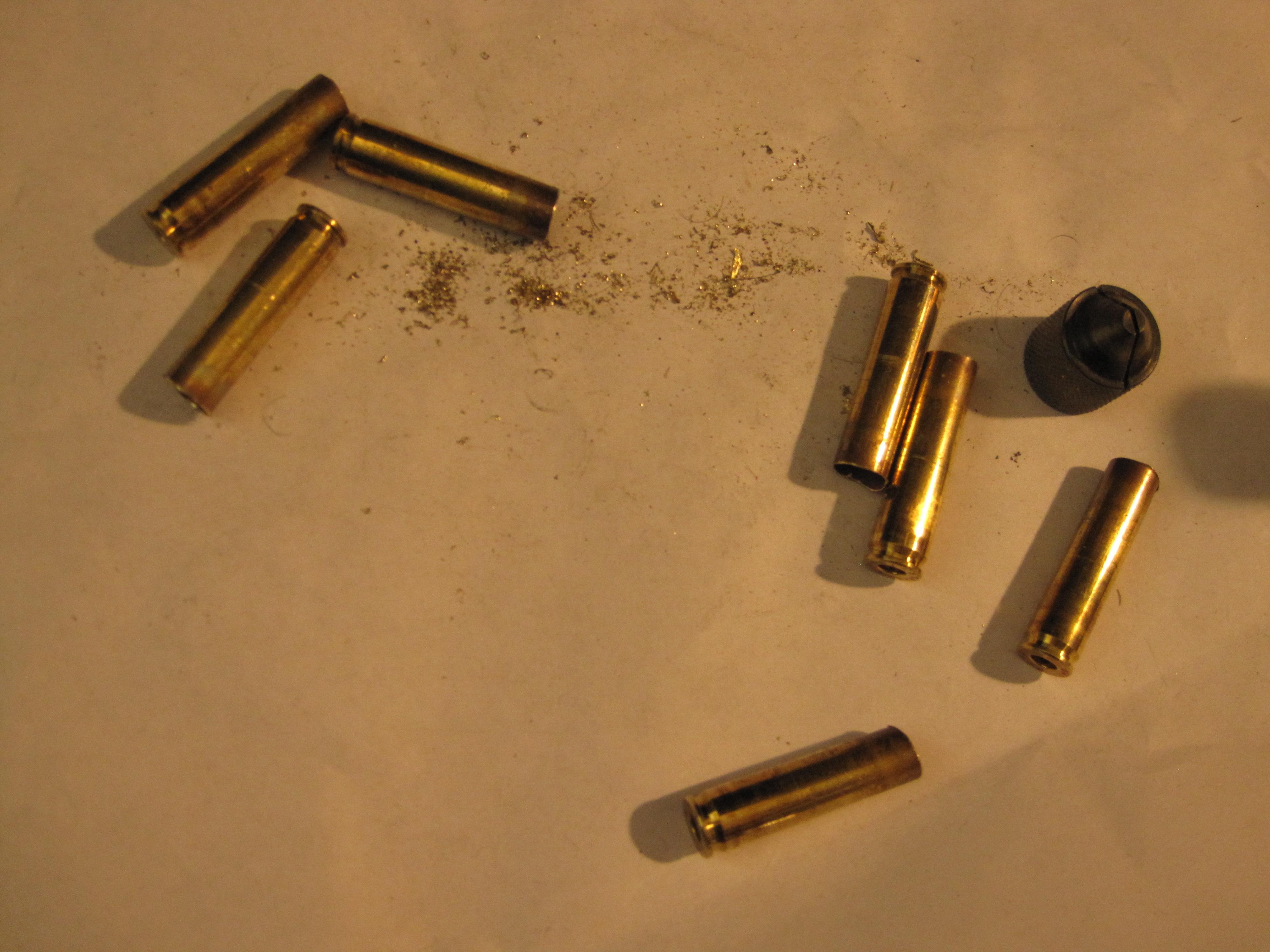
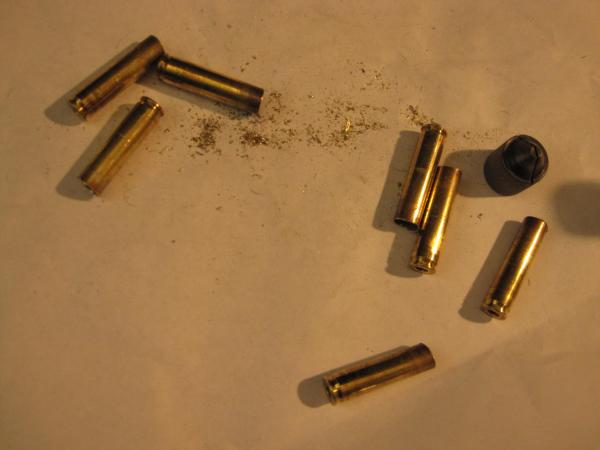
Chopped seven pieces of new Lake City brass last night just to see what was up. Then did another 150+ this morning. Doing it bare handed I only lost three because of poor grip, and perhaps two more cut short. I still have a few (hundred) left of these; and some once fired still coming in the mail from Hawaii of all places. While I wanted to buy these things locally; the availability, and quantity of quality just isn't here (close by at least). While such minutia in terms of this project; this straw thing still has me thinking. I remember actual paper straws being available some thirty years ago. They were probably cheaper; but weren't at all popular (perhaps due to the mouth feel?). This eco-straw looks and feels like plastic; but isn't being custom made in McDonald's size... I'm nearly positive it's not cheaper; and it's an off the shelf product (not branded). Years before the plastic bag ban was even discussed here in NY, the recycling company requested no plastic bags, no straws, no clear plastic containers, blister packs, etc. They only wanted cleaned well labeled recyclable materials dumped loose in the container. Their complaint was; recycling materials were too dirty (because it's single stream), and the resulting materials weren't valuable to China anymore. The slogan at the bottom of the letter I got from the municipal recycling contractor said: "If in doubt, throw it out". Sure; there are dirty places where garbage blows in the wind, those are predominately urban areas in this state. I remember driving into New Jersey (one of the very few times); and seeing a billboard that said "New Jersey doesn't smell". Less then a mile further down the road and I was hit by a terrible odor! And it continued to smell bad throughout most of the rest of that journey... The shoulders and empty lots were full of garbage blowing in the wind. Are these laws going to stop people from throwing whatever new garbage we invent out the window? Isn't this a Futurama episode? People are dirty; but at least we don't have the homelessness problems I saw in WA, OR, or CA. That kind of garbage is just shocking to see in person... I love the west coast (SERIOUSLY I do). I want to visit again soon; the rest was beautiful. Landfills are probably as valuable, or even more-so than what we ship overseas as "recycling" material these days. I'm all for recycling; melting down, and casting aluminum scrap is a hell of a lot easier (and energy efficient), than extracting it from bauxite. But I'm not allowed to recycle my straws (nor do I throw them out the window while driving)... So; what's the point? New laws for some business purpose; or, just because we want to sound smart and get reelected? I'm not impressed any way you look at it. Who is the lazy A-Hole that got us to this point? Why can't we have nice things? Does anyone in congress have a doctorate; what about state government? I actually had to look this up; and the numbers are staggering... https://en.wikipedia.org/wiki/List_of_United_States_politicians_with_doctorates It's nearly impossible to vote for really intelligent people; especially when you throw party politics into the mix. Actually recycling materials could be a real business opportunity; we used to be able to get good money for recycled goods (probably before we started using single stream). It wasn't really that long ago; and I don't see any other market factors pressing those issues. Give me some more polymer tips... I really like those. We're really not talking about straws, and try not to use a "straw man" argument. Thanks; thank you again, and thank you all. I appreciate all you do around here.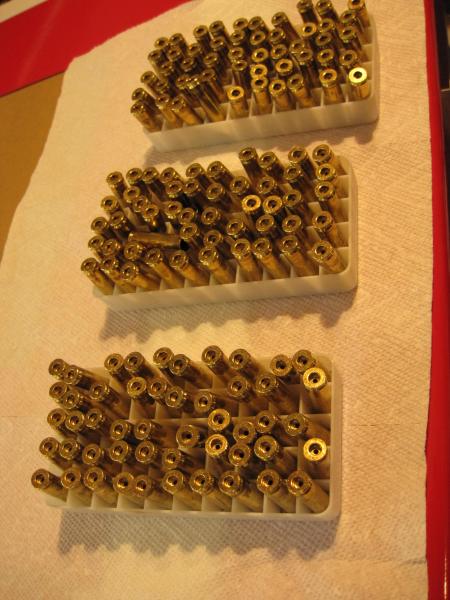
-
Lane's: jtallen83 inspired 21.750" 300 AAC Blackouts
Lane replied to Lane's topic in 300 AAC Blackout
You looked. And you dug deep! I have a shovel and rake in my hands the days... It's not quite "paper"; but, the diameter is the only thing I cared about in the first place. Had to bag up the analytical balance to facilitate other work. Don't need it anytime soon anyway; the 0.1 grain accuracy is totally fine for weighing out brass. -
Lane's: jtallen83 inspired 21.750" 300 AAC Blackouts
Lane replied to Lane's topic in 300 AAC Blackout
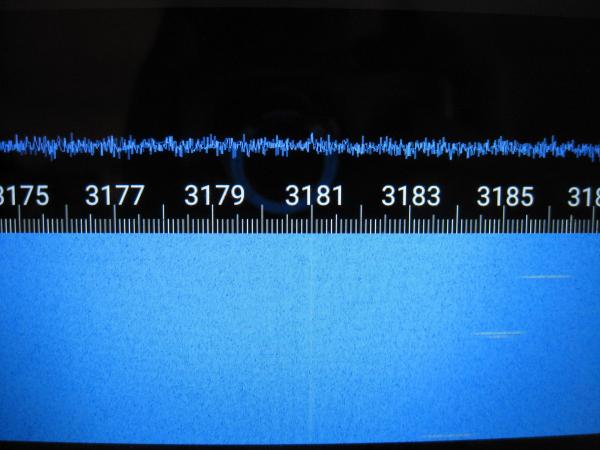
Thanks for this tip. Turns out that the DQ straw I got with my shake was exactly the same as a "standard" McDonald's straw in diameter. That means it's a perfect substitute for use with the Chargemaster 1500. This will save me from EVER having to set foot in a McDonald's again; so, very much appreciated! Picked up some more trays while I was out so I can sort cases by weight once they are converted to 300 Blackout. I may actually weigh a few first and see if there is a strong correlation after the conversion. As in; can I pre-weigh to choose which brass I wish to convert, or I will I need to convert first to determine which weight/volume class they fall into? Minor issues; I still haven't worked the out chamfer and case length trim solutions yet. Those were the parts that proved most difficult by hand in any volume of brass conversion. Opened up three bags of new Lake City brass, and was a little surprised there was one single extra case in each bag. I'll probably chop a hundred or more of those tomorrow... Also got a bullet resizing die for .308. I think it was Vaughn that recommend every bullet be resized to true the base (or was that King). I remember a discussion about a tuft screen; so I'll have to go back and read some more... My only questions here are; how to Measure bullet base flatness, and how much change will result on abnormal projectiles like the Hornady GMX. Thought a lot more about the 3 GHz modules over time; and everything else around here... Multi-path reflections were always a fun thing to look at; planning to block that anyway. But, what really hit me (again) was that the blue paint on the yard stick might be my only real issue left. Given the "specific" dark blue color; I am willing to bet money it's got a significant amount of copper in it. Not sure which way to test that; flame is probably close enough, but chemically is easy too. Four hundred grit sandpaper would make quick work of that either way; cheap, fast, and good. Who says you "can't" have all three? -
Can't even get an AR-10 upper from Armalite for $300 if their website is up to date. They have been out of stock for a long time... I'm looking for one myself; but don't know much about mating that particular lower.
-
Lane's: jtallen83 inspired 21.750" 300 AAC Blackouts
Lane replied to Lane's topic in 300 AAC Blackout
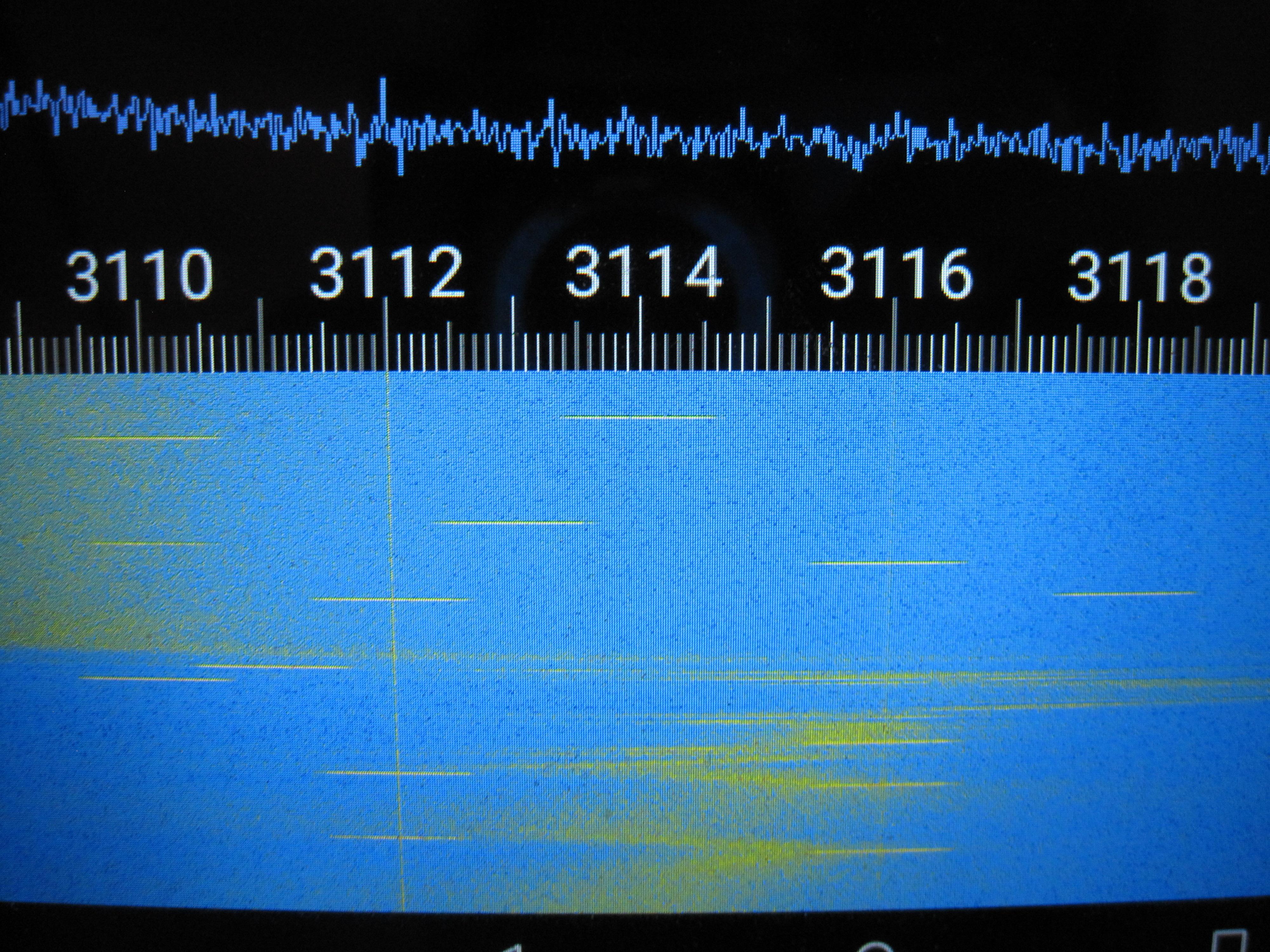
Burned... Looks like I put a fork in the microwave. I can't find decent carriers anymore no matter how I seek. I was experimenting; and it appears they will burn out some part of the circuit with too much metal nearby while operating for any amount of time (probably that central transistor). For less than a dollar each, I'm not out any money. I already knew I needed a huge selection of these to get frequencies to work in my favor. I am simply going to move on to the other types of radio and doppler sensors on hand at this point. Anything is better than what I was working with; but it sure was fun to try these in the mean time. Have a virgin optical chrono here still. I want to sell it and buy a radar unit; but I might use it short term. If I can adapt any available radar sensor to work; I might not care much either way. Sorted my cases again by weight, and will do a few more tests before dumping my initial loads. Very much want to wipe down the green plastic of the Chargemaster with a dryer sheet. Dumping the powder and cleaning the unit actually took longer than using it to throw charges. I'm still not confident it's empty; but don't want to vacuum it out either. These are minor complaints about the total experience. This thing works in ways I don't want to (and is totally fine without a straw so far, using tiny ball powder). The dispenser unit is available for a bit less as a separate product. I can certainly see why people own more than one of these things. Maybe the earlier mentioned interface/adapter device; should support more than one; (or chaining), to avoid the extreme clean out procedure... Three dispensers and one good scale should cover most people given the anecdotes I've read about it so far. I'll take any and all feature requests to make powder charging easier... -
Lane's: jtallen83 inspired 21.750" 300 AAC Blackouts
Lane replied to Lane's topic in 300 AAC Blackout
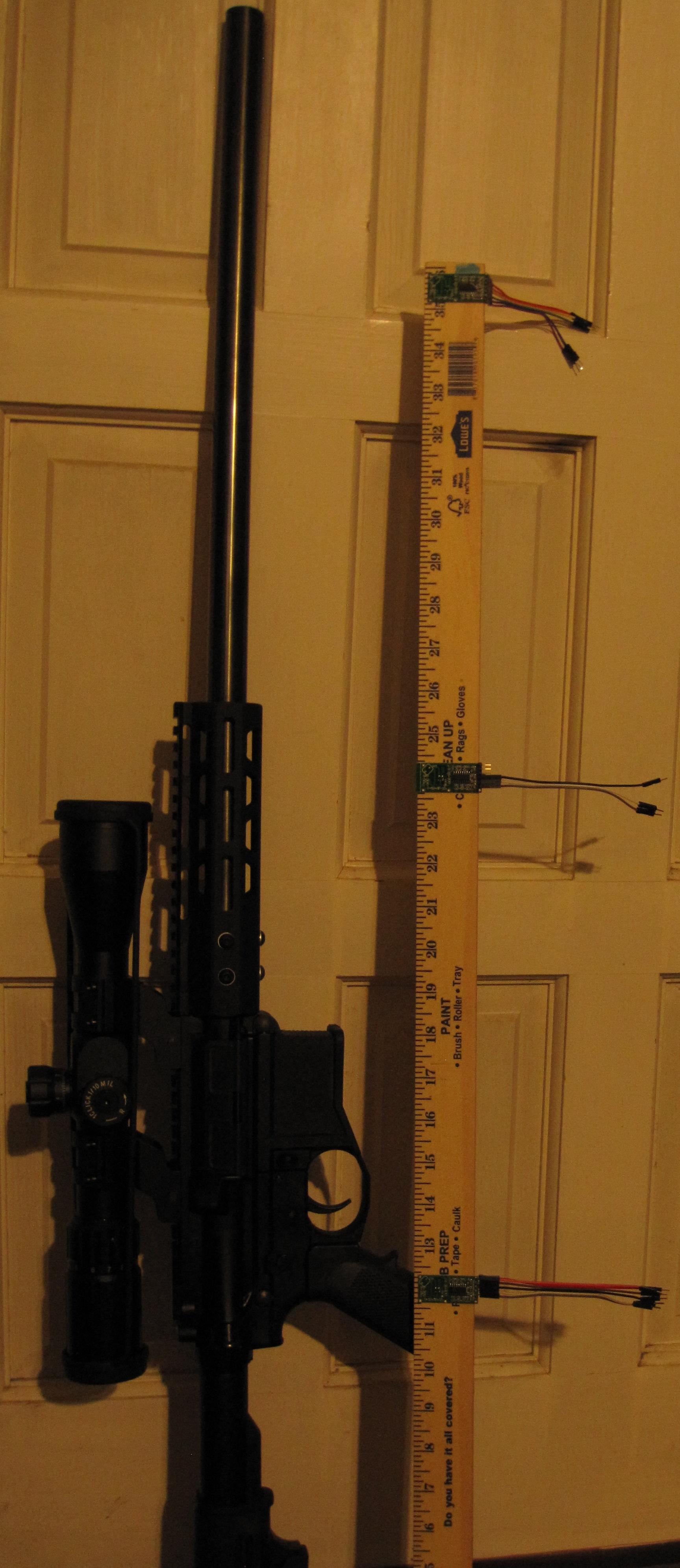
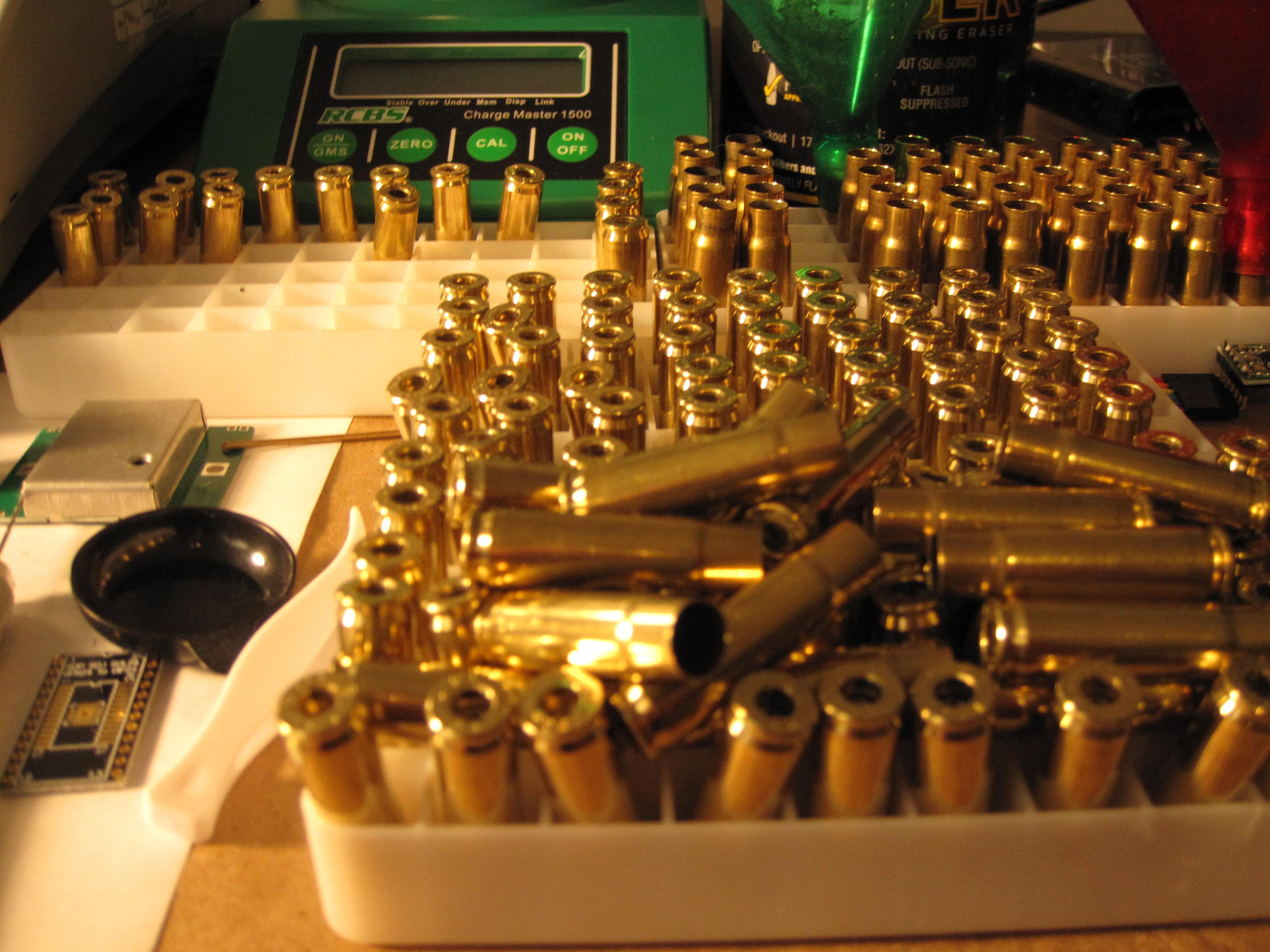
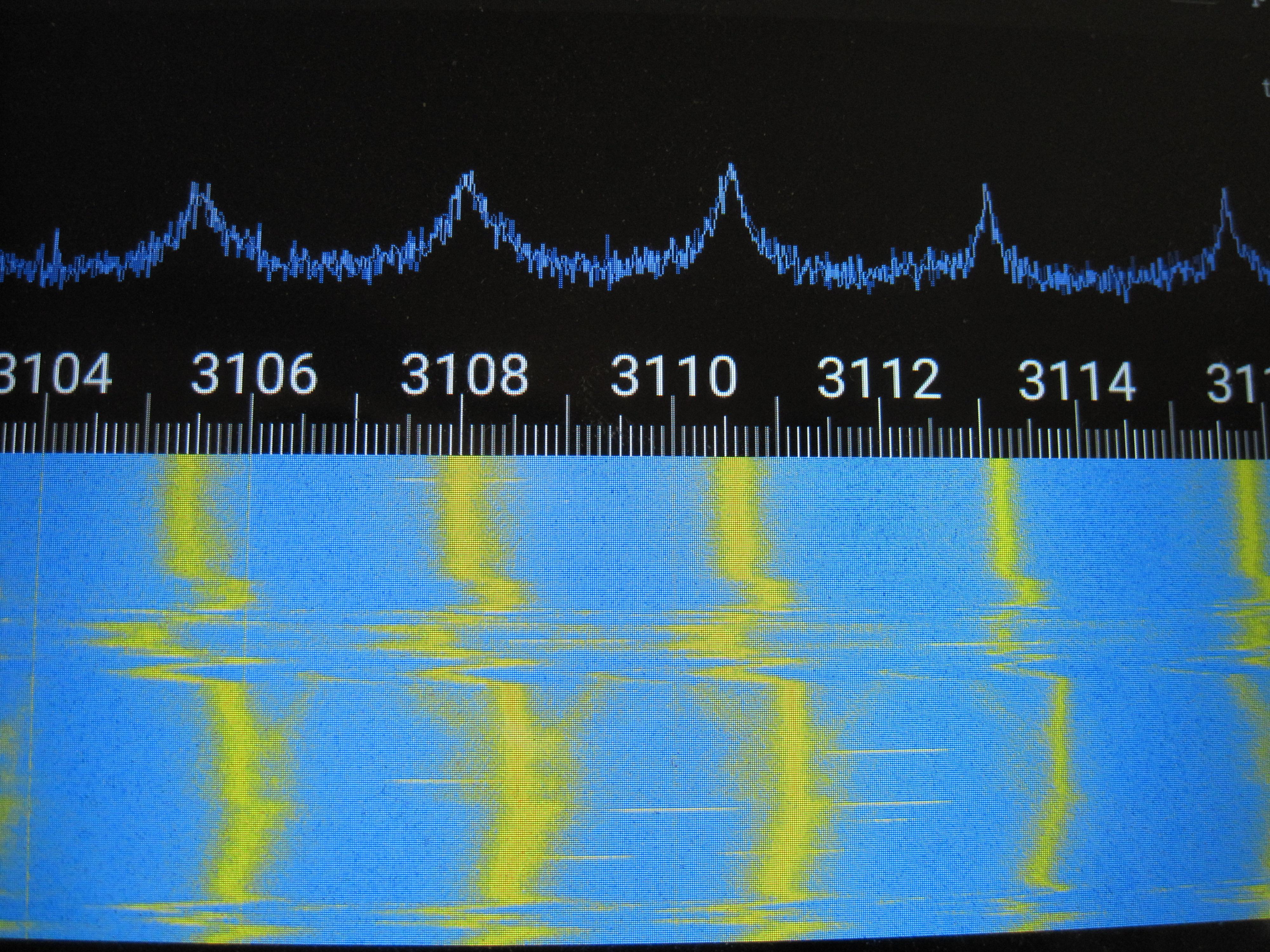
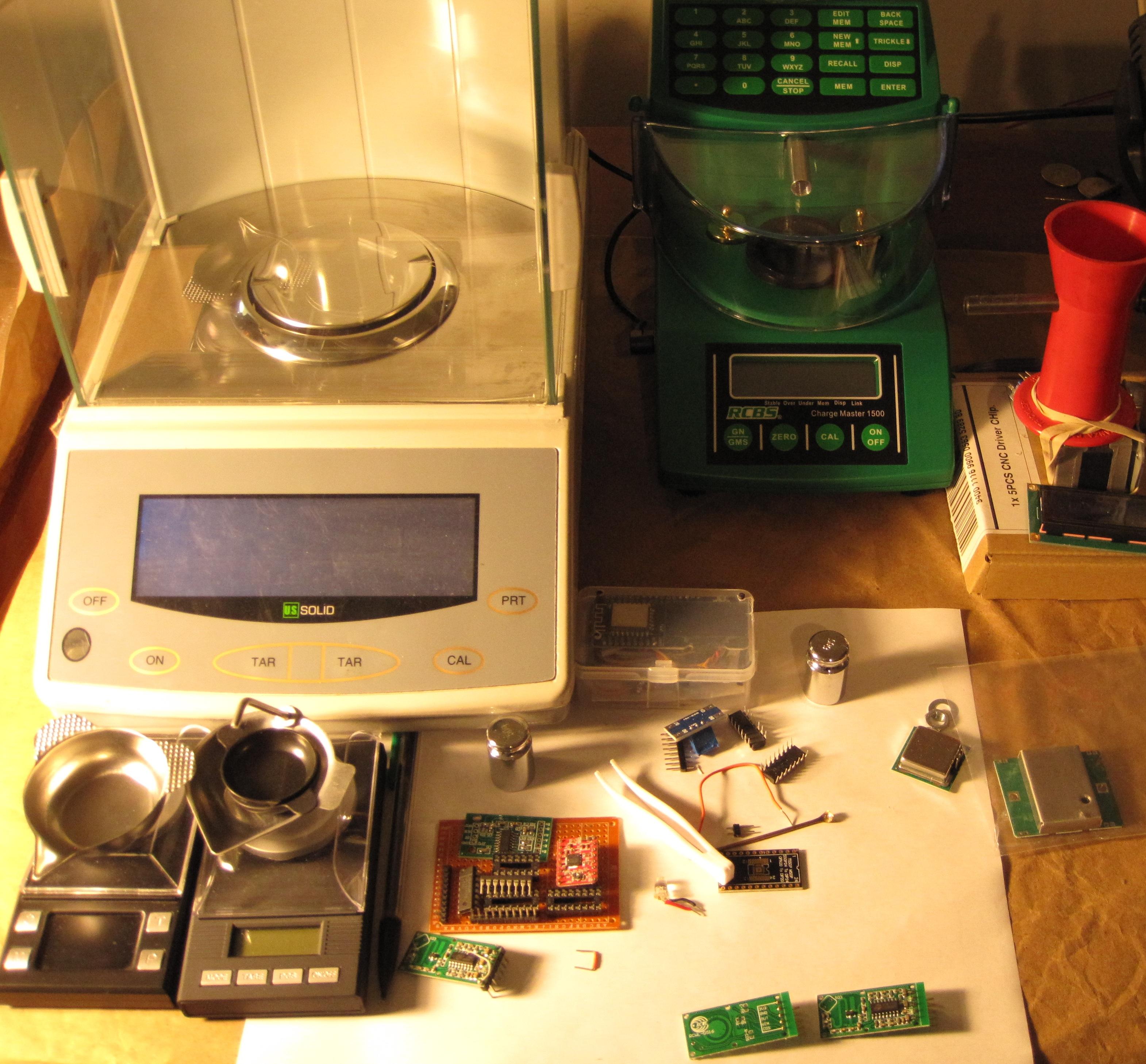
A few humorous tidbits about my progress. Adding a McDonald's straw to the trickler tube on the Chargemaster is standard procedure for a lot of users. Given the variety of powders I have on hand; I figured I should go pick one up. I thought about walking in, grabbing straws, and bolting for the door; but I ate some "food" to act relatively normal. Only; the straws here are some kind of plant based plastic, and not the old larger diameter straw they used to be known for. I looked all over on my way home as someone used to throw McDonald's out their vehicle window all the time (perhaps didn't want the wife to know?)... But I couldn't find a single vintage McDonald's straw blowing in the wind anywhere I looked. I thought the reason we had to outlaw these things is that they were polluting the environment... I quite literally drove out of state to find a regular old school 0.300" diameter McDonald's straw to use with the Chargemaster (BK has a 0.275" O.D. which is loose in the tricker, the new Eco-McDonald's is around 0.250"). Get them while you can out there in the free states. Weighed a bunch more Lake City cases to get a better idea what was going on. Certainly; since they are homemade 300 Blackout conversions there will be a bit of variation. But what I'm seeing a general tendency towards a stronger deviation; and a measurable difference in case capacity. I had not considered weighing out every case before. May still be splitting hairs; but I don't want to collect useless data either. The one set of cases I did weigh varied by almost two grains; with a distribution predominately at the high and low end of those measurements. Thinking cases would have a higher standardization on a specific weight was pure conjecture on my part. I suppose I didn't know enough about how they were manufactured to begin with... I found this link which was interesting: https://www.petersoncartridge.com/our-difference/drawing-brass/ I presume sorting brass by weight is part of what makes match brass more accurate? Decided to order 1,000 Lake City cases since they aren't regularly on the shelf around here; 500 new; 500 once fired. Can't find a breakout board for the accelerometer chips anywhere. I thought I could adapt something I had ; but that doesn't look promising either. I suspect I'll be wiring it up by hand and doing a quick reflow. Wired up four of the radio sensor modules on the yard stick and started playing around with the array. Turns out one of them was behaving badly, and had to be removed. The other three fire up and settle in to the same general frequencies each time. Next up is testing them with various blinding materials to keep them focused on what matters. Should be trivial to adjust the circuits after that to provide the deviation necessary to trigger timers. I thought I ordered almost dozen of these modules but can't seem to find any more of them at the moment. One would need to pick and choose to find some that operate well with each other. This set stabilized around 3.089 GHz, 3.100, GHz, & 3.111 GHz; though I wouldn't mind having some that were even tighter together if they didn't interact with each other. I did have a ping-pong situation with a different setup; where two would keep triggering each other back and forth without human interaction; ended up changing the spacing slightly to resolve that issue. Loaded my first few 7.62x39 with the Chargemaster just for fun. It was pretty easy to dump loads (though the software could use an explicit ladder load function). Tuning them on the analytical balance was also pretty painless with a tiny spoon. Going to have to perform the same procedure again (and many times in the future); so it was a good practice run. I should have recorded the before and after weights; but I can say the Chargemaster throws right around the stated +/- 0.1 grain. -
I shouldn't act totally shocked by these results; but I'm still really curious about the materials involved, and that crack. I don't see a any fibers in the areas you milled; or near where the crack formed. Perhaps they only add fibers in areas that matter, which is why the crack happened there? I've seen pictures of polymer ar-15s that broke off the whole buffer tube mount; but that didn't happen to you. That may be reinforced; but the rear takedown area is not? Can't even begin to defend them on the buffer tube threads though; that's a secondary issue. While it may be a waste of time and paperwork; I'd bet they would replace it at the very least, especially so if you only had 100 rounds through it. The fact that you had an adjustable gas block, and it was adjusted is pretty sound proof that it was "normal operation". At the very least; letting them see the damage will hopefully save someone else the trouble in the future (if they actually fix the problem once they see it). I want to believe; it's in their best interest to do so... And again; very glad you didn't get hurt in the process.
-
Is the upper assembly over-gassed by chance? I had some serious violence in my hands with my first .308 build; before I figured out what was going on. The crack appears to have formed by the BCG action (unless you mortared the rifle at an odd angle). I've never built a polymer .308 lower; though, I've thought about it a few times... My earlier experiences steered me away for this particular reason. The .308 Win is a serious cartridge; just because a polymer lower works ok on an AR-15, doesn't mean it's well suited for the larger frame design. I still want to build one for myself, but I need another upper that runs flawlessly before I consider it an option. Glad to see someone else giving it a try; and more glad that you didn't hurt yourself in the process...
-
Lane's: jtallen83 inspired 21.750" 300 AAC Blackouts
Lane replied to Lane's topic in 300 AAC Blackout
That last post was from yesterday mid-day; I simply didn't feel like I was ready to "Submit Reply" because of all the questions I still had (and have)... Here is a peek at the @SimonSays radio chronograph. I had to bump the first and forth trigger inward just a bit so they didn't overhang. That won't be a problem in a more final build; but the yard stick prototype is field expedient; and I can calculate the difference very easily. Just need to go cut a piece of CAT 5 cable and strip it in very specific ways to connect each trigger. Might as well use an RJ-45 for the interface... Whole bunch of unveilings coming up; but I'm trying to tidy up all my loose ends in the mean time. Pretty excited to see numbers come out of this chrono build. I may still need to replace (or add) some resistors to each board; but that's quick once I figure out what. The more difficult problem is the blinders; but I read somewhere that some types of glass (metal content?) make great RF blockers in the microwave range. I just happen to have a box of colored glass, so I'll get to work testing that. I'm thinking a triangle shaped window would be best in that case (easier to cut straight lines in glass). Don't think I care much about horn antennas now; but if the resistors don't fix everything I'll care. The analog output does appear to work for bullet too, but I had issues triggering my oscilloscope when I was testing that part. Might need to read a manual again (or perhaps even calibrate the unit); it's been a while...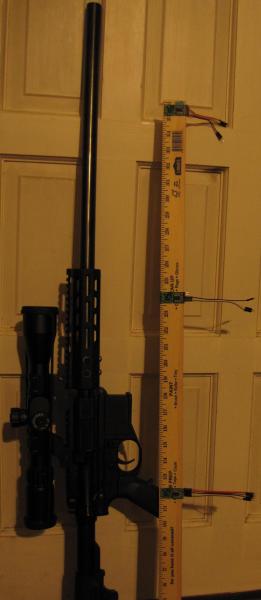
-
Lane's: jtallen83 inspired 21.750" 300 AAC Blackouts
Lane replied to Lane's topic in 300 AAC Blackout
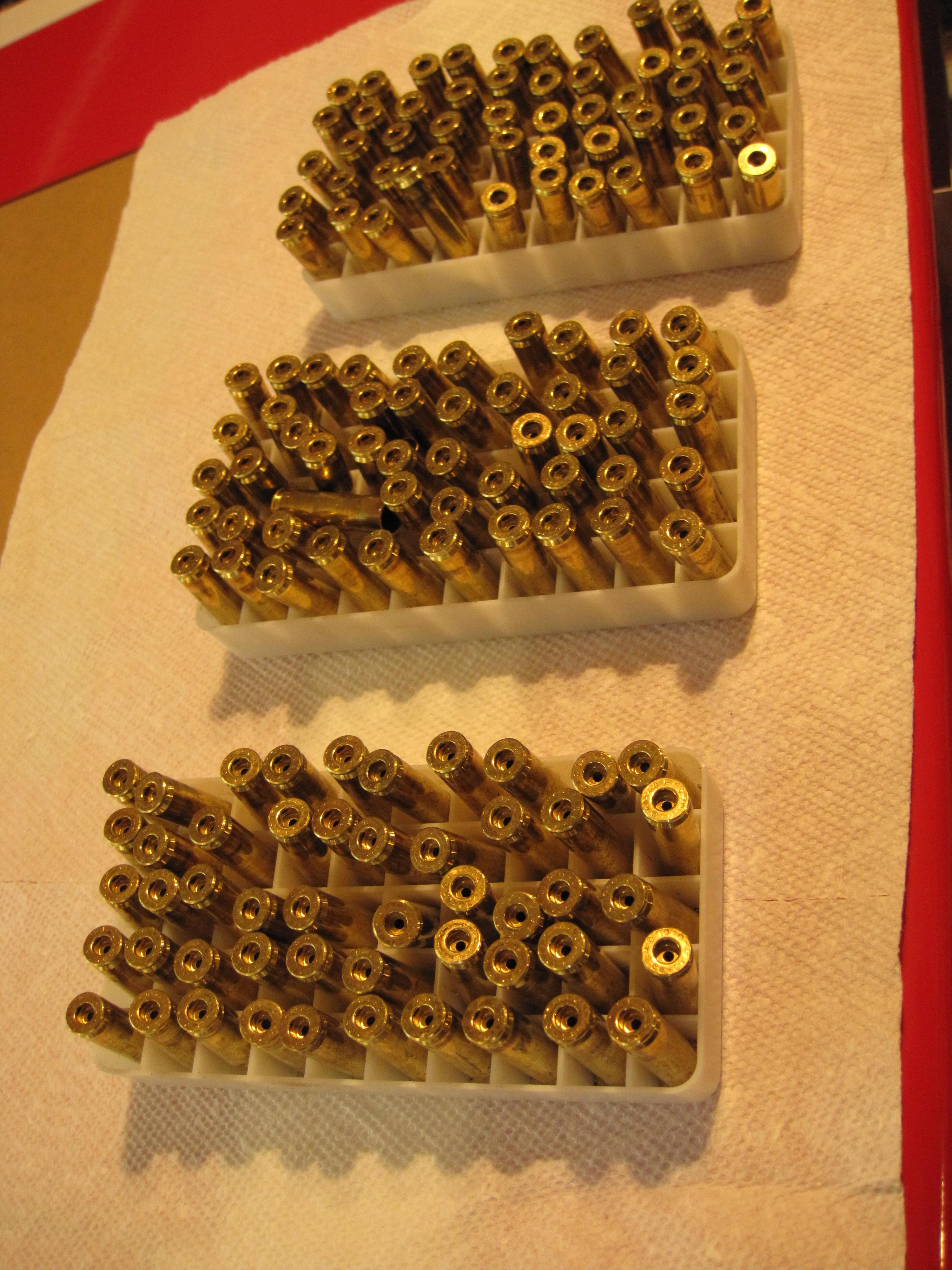
Brass came out great! The lemon juice at the end really kicked it up a notch. The split is almost 50/50 between LC 14 and LC 16; may even use that distinction to keep the brass gun specific in this case. Have 14 different case types converted to measure volume and wall thickness on; including LC 12, LC 13, LC 14, and LC 16. I presume all those LCs will be the same volume; but worth collecting the data since I can. I've read anecdotes that FC brass can vary dramatically in thickness on different head stamps. Running the microwave sensors close together and powering them on at the same times shows some inconsistent results. Looks like they might be tuning in to each other sometimes. I tried splitting them on different rails. I ran the numbers through a Colpitts calculator and came up with an addition of 2.5pf on one of the capacitors to drop into the 2.4 GHz range. Not sure how short a twisted wire that is; but sounds pretty short to me. I'll run that test later; trimming some wire wrap wire on a meter before I modify that specific sensor. Ran the numbers on bullet speeds to see how far apart I need to place my sensors. Even a 5.56 round traveling at 4,000 FPS will take a quarter of a millisecond to travel 1 foot. I don't see a reason to stretch out to 10 feet right away with a chrono build. I think I can get away with four sensors mounted on (or in) a yard stick actually. That allows me to play with separating units physically, and gathering more data (if only two sensors trigger, or three out of the four). My only question is how the wire connecting all the units will affect their operation; may need to be wider than a single yard stick if I have problems. Update: Checked each case with a headspace gauge, and measured case volumes of water. I was surprised to find that the LC 14 and LC 16 I have measured different from each other. It's possible I just tested two that were different some other way... Maybe the spent primers I used were different; but it's a game changer if it is true. Even after testing with powder I got roughly 0.1 grain difference between the two. More experimentation to come in this case Still need to chamber a few to make sure everything is smooth, they come out of the chamber clean, make dummies for each projectile, etc. I've already started priming a few of the cases so I can start assembling ladder loads soon.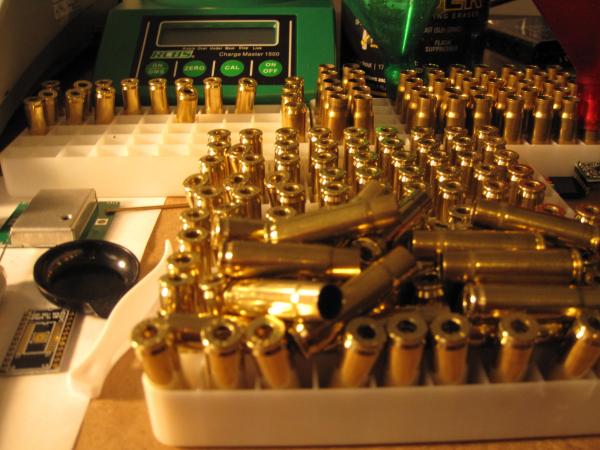
-
Lane's: jtallen83 inspired 21.750" 300 AAC Blackouts
Lane replied to Lane's topic in 300 AAC Blackout
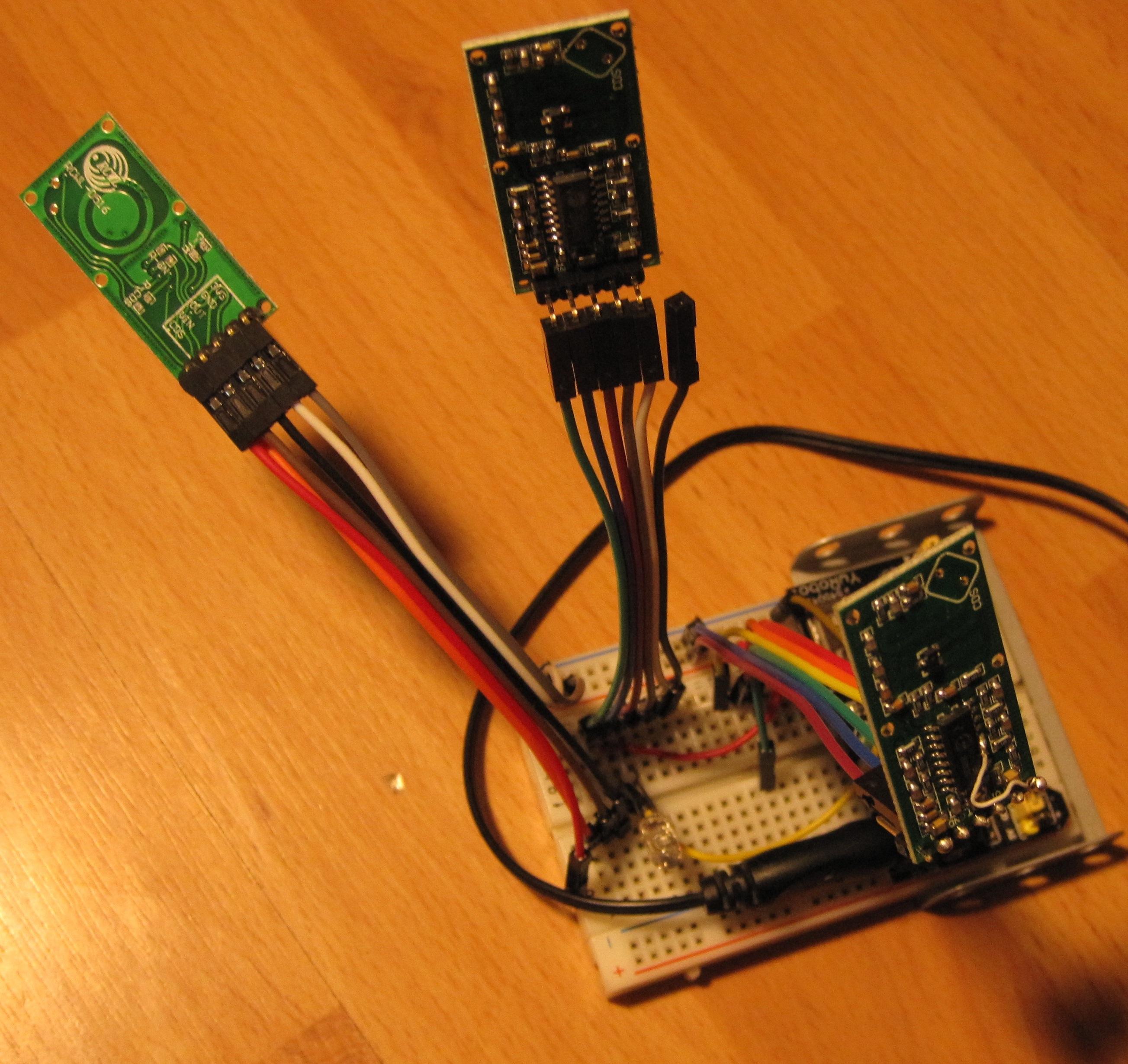
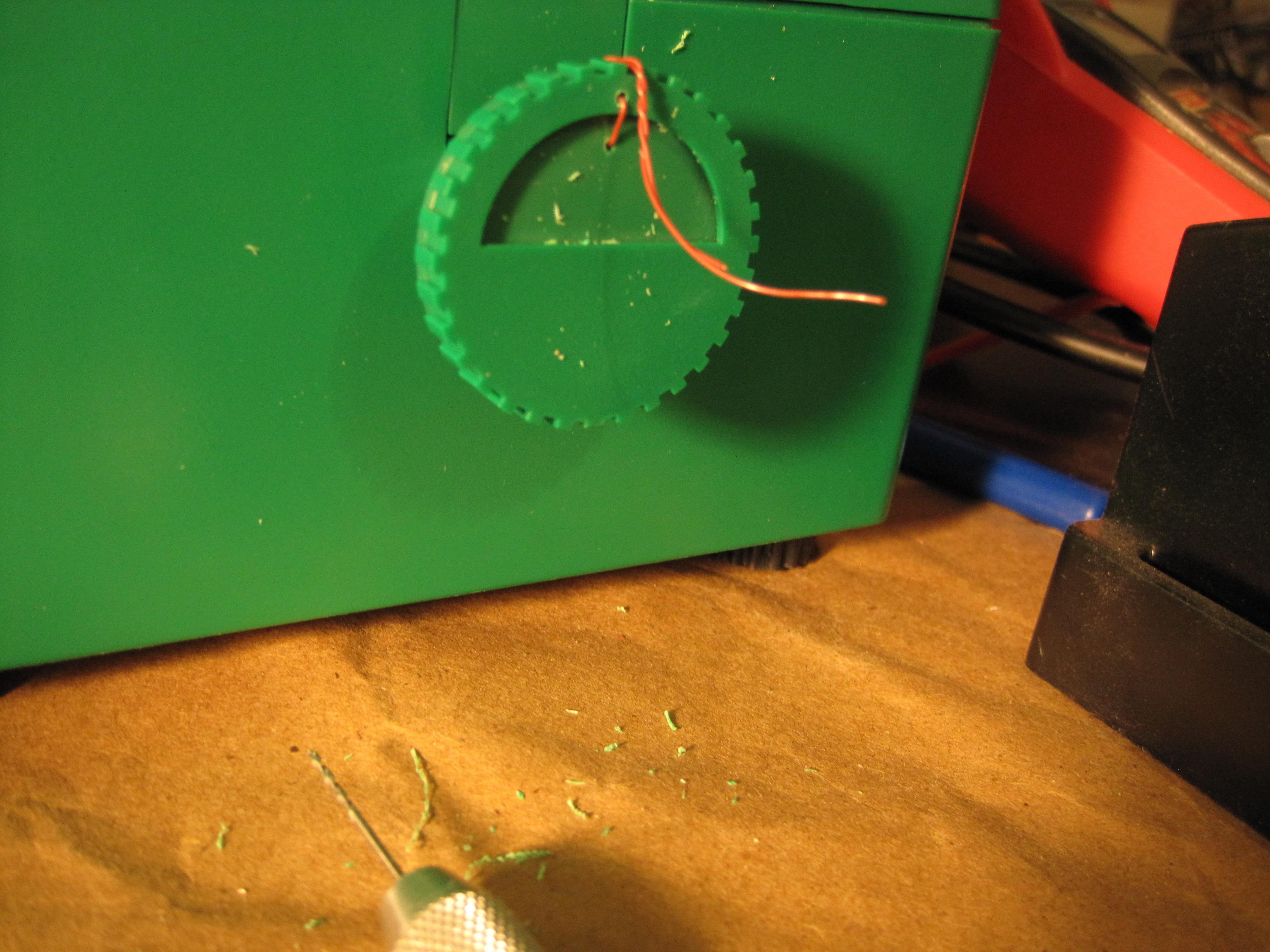
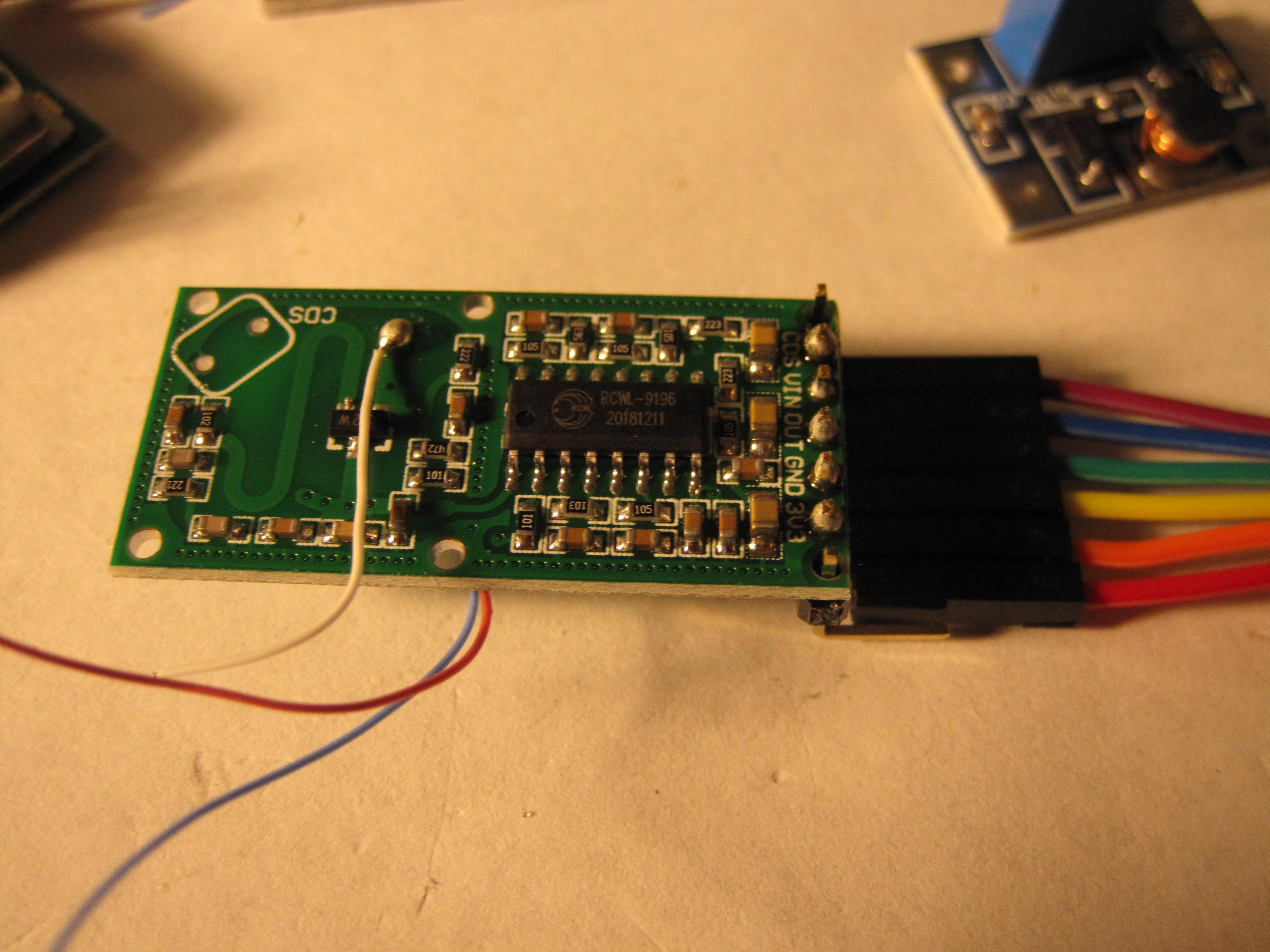
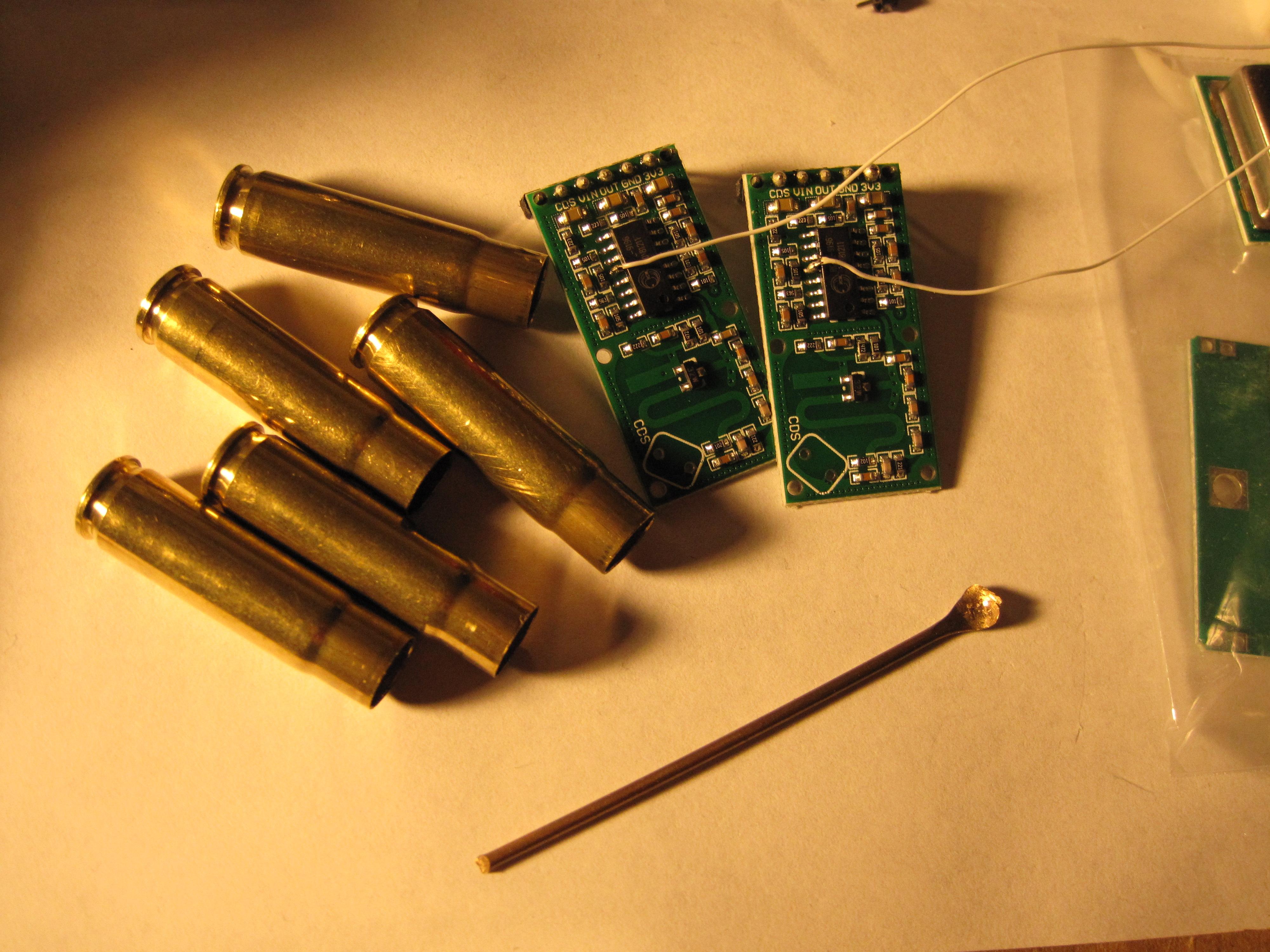
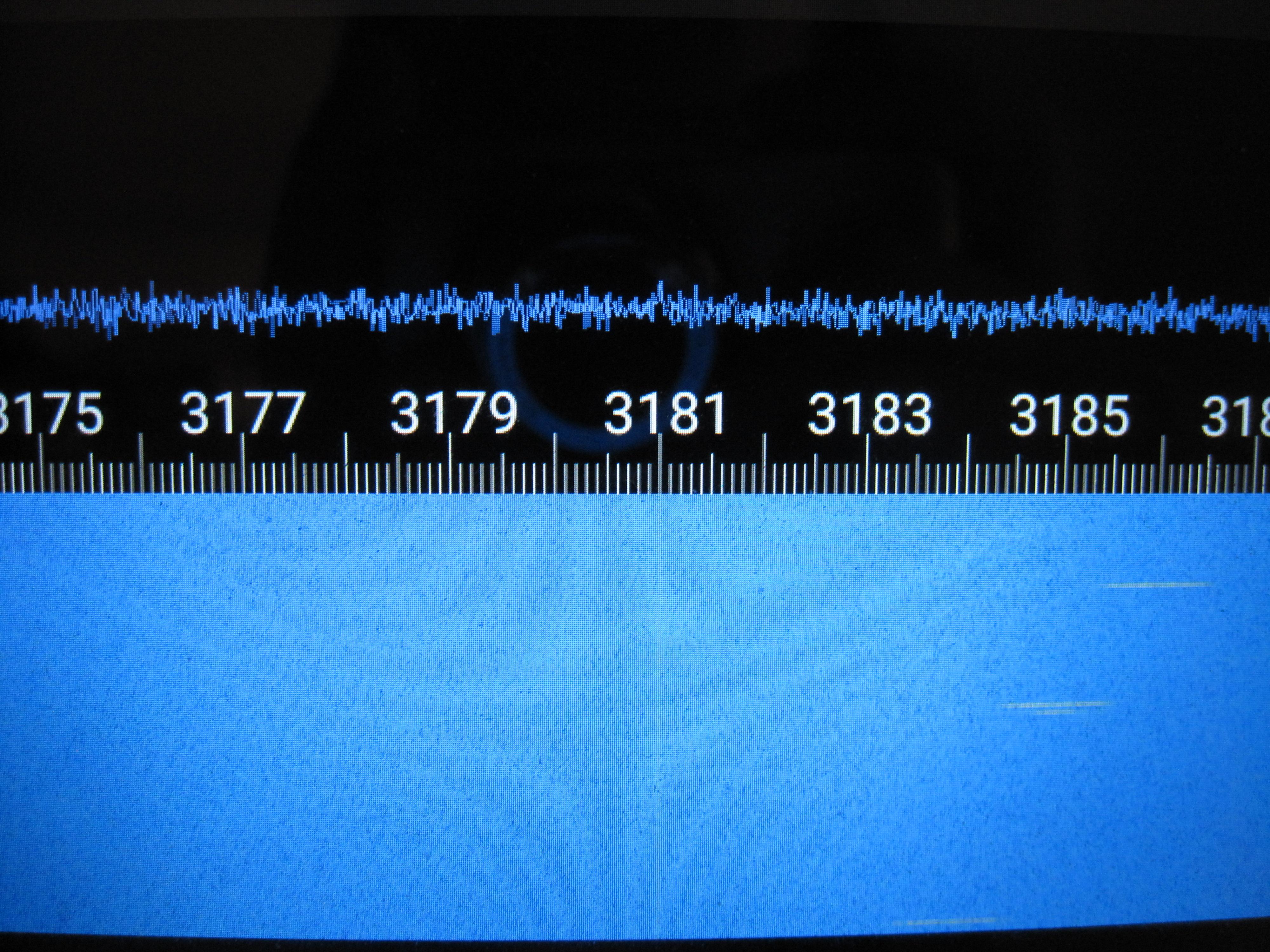
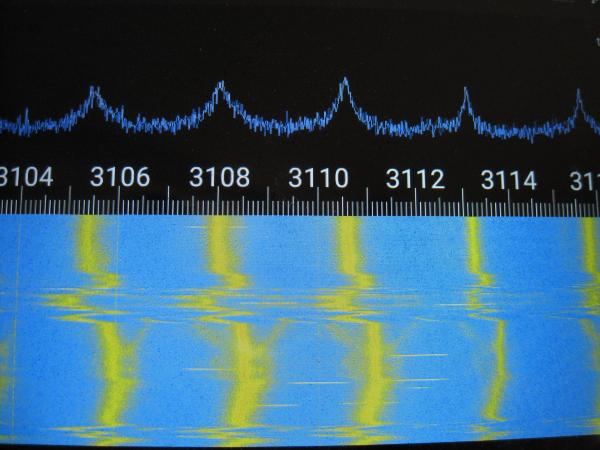
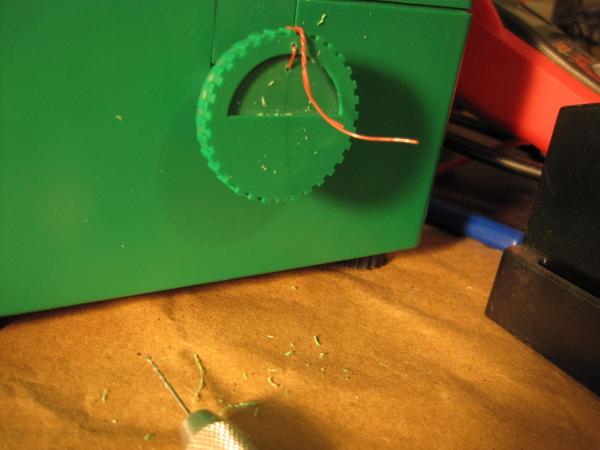
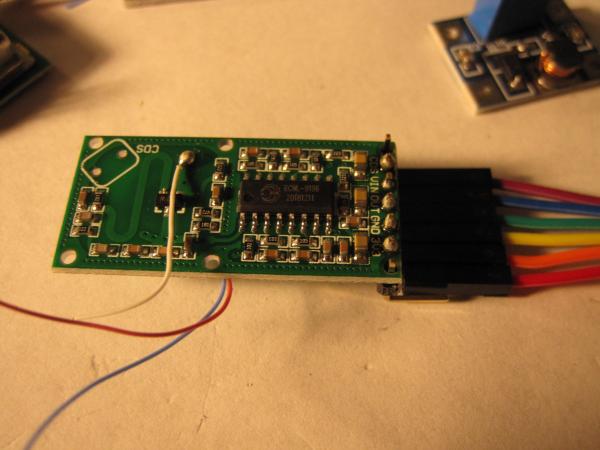
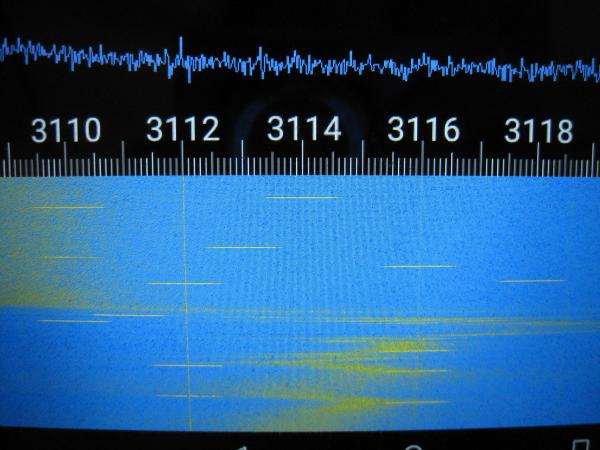
Thanks for the tips on the .260 conversion. I think I might have asked that exact question before; but this time it was from a different perspective. I was thinking about how the expander ball works with neck forming in the die. If the ball were sitting next to the narrow portion of the die; wouldn't it neck down AND stretch the neck longer at the correct thickness? Isn't it because the two operations happen separately that neck turning is required? It may take a few different steps to get there, but I'm thinking it could be done by swaging the brass instead of shaving it? Just a thought... I've been using Tide as my case cleaning solution; but might branch out before I load these. I'm wondering if Oxy Clean, or Palmolive Oxy would do a better job freeing the powder residue. Similar questions about lemon juice... This is because I don't tumble brass here. Still thinking about the powder dump on the Chargemaster. A few options I see are: drill a hole and pin it closed with a paper clip, or tie it closed with wire. Try to jam something in to gap keep it from moving. Or remove the wheel and add a detent of some sort (something that should have been included in the original design). Attached 3" of rainbow cable to the radar modules and got them working. It appears I can trigger the sensors with a bullet on a stick; and can see changes on the spectrum analyzer as they happens. They are remarkably sensitive to my body position around the device; and almost seem to work better with me as a reflector. I remember reading about scientists tracking human positions behind walls with 2.4GHz (WiFi) reflections; this looks remarkably easy to do... Curious to see how they act when I'm nowhere nearby, and how far they transmit. They don't draw much current at 3.3 volts, so it shouldn't more than a hundred feet or so. Need to find a power pack and wire them up to a length of 2x4, or better yet 2x2 if I can find a table saw. They all operate at slightly different frequencies from each other; so I'm curious to see how they act with others running at the same time (do they drift together, or into a different frequency depending on which others are running?). While soldering up some more modules for testing I noticed some pads on the back of the module. R-CDS doesn't matter to me (light sensor); but C-TM and R-GN seemed like they might be useful. After consulting the schematic I can see they aren't of immediate importance, but I can add some wire on to the capacitor traces to modify the tuning. Not ready to fire this one up yet; but one can cut, twist, and shape the wires to modify the capacitance. The inductor could also be modified with a cut to that trace and addition of wire. Edit: Ended up going the safety wire route on the Chargemaster drain. I thought I could pin through the right spot with a single hole; but it didn't work out. I had to drill a second hole to tie them together. I'll make up a piece of paperclip in a U shape to hold it more securely (and make it easy to replace after draining). Took all of two minutes with a pin vise. Without such, it wouldn't take more than a cat, or a stray finger to have dumped a whole pound. Radar array works how I expected; looking at 1-2 MHz separation between modules, and it holds nice and steady. Reasonably certain the bullet is triggering the sensors now too.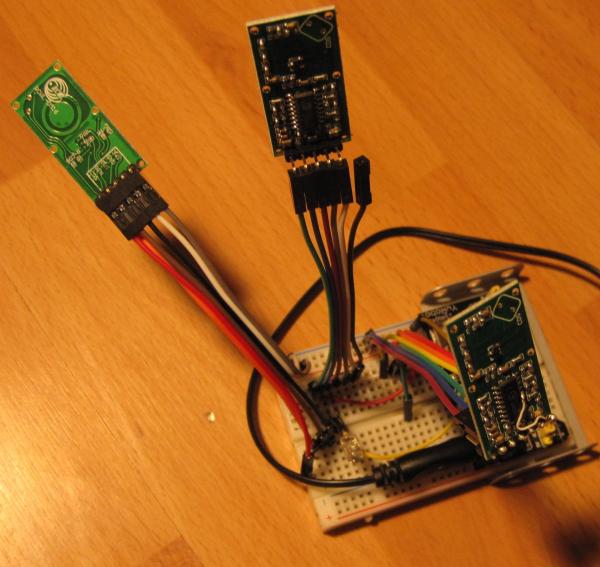
-
Lane's: jtallen83 inspired 21.750" 300 AAC Blackouts
Lane replied to Lane's topic in 300 AAC Blackout
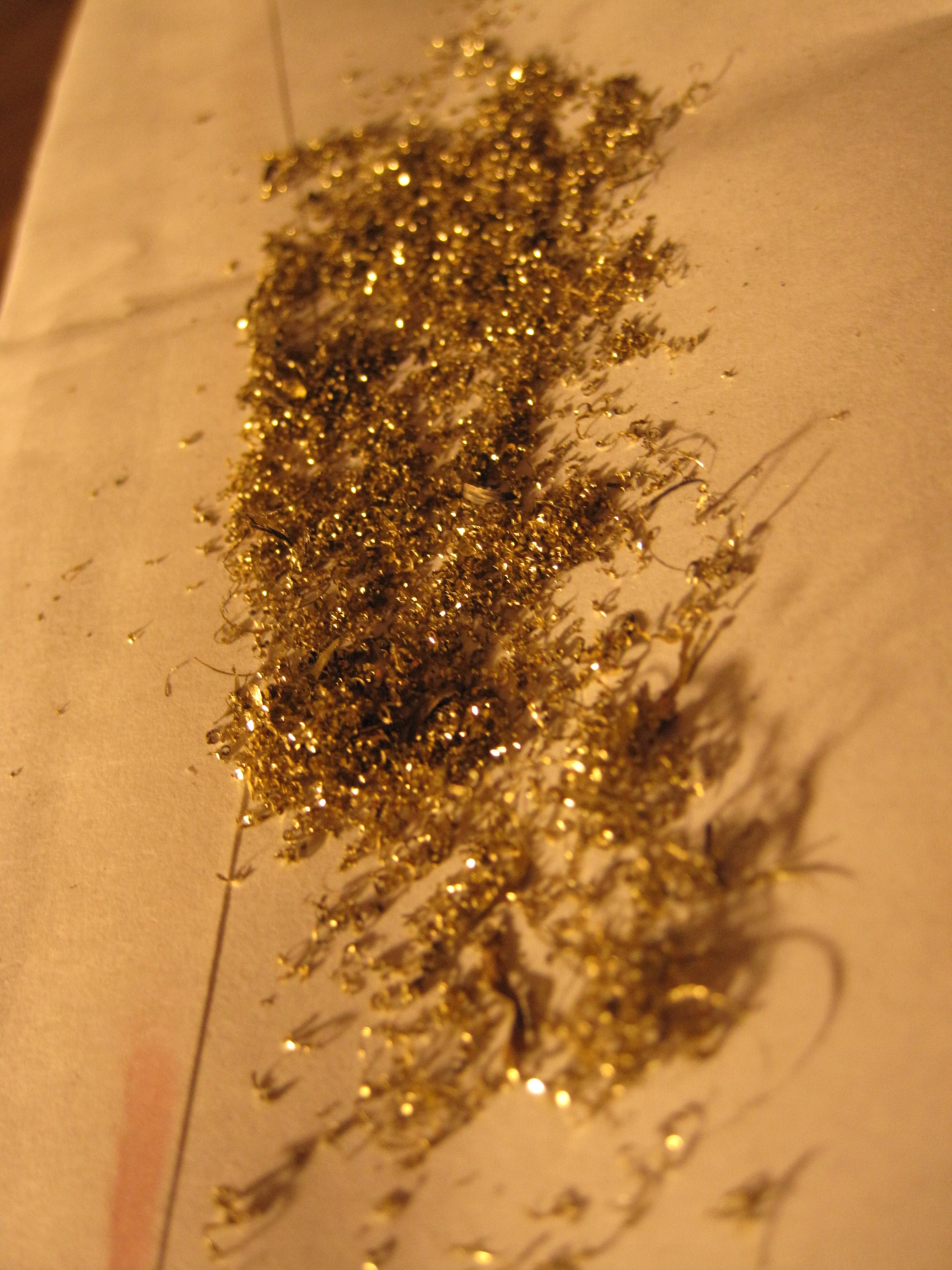
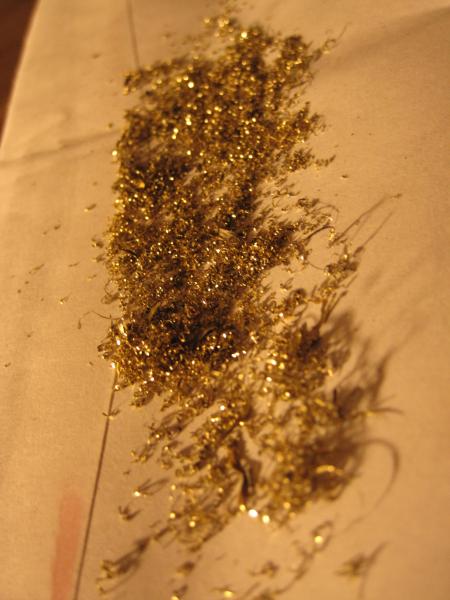
Kind of frustrated by this 300 Blackout conversion process. As I mentioned earlier; I should have started that a while ago while waiting for other things to show up. Doing it at this point in the build is adds insult to injury; I had more free time back then... I almost ordered .260 dies to cheer myself up. I'm looking forward to a conversion that isn't so labor intensive. @98Z5V ; did you measure wall thicknesses on your .308 brass before deciding to turn necks for .260? I'm simply wondering if a certain brand (wall thickness) will just work with neck forming; not a question about concentricity at this point (though maybe down the road)... Made a special trip to find more brass this morning; and was rather disappointed. Only two bags on the shelf; they cost more than last time, and no LC stamps in sight. I bought them anyway, and found only three Lake City cases in one of the two bags of 100. I'm also not certain all these are only once fired... Whatever; lesson learned. The majority of the cases were FC which is on the approved list for conversion. Quite a few varieties of FC, including one that looks bronze. I'm planning to stick with the Lake City for testing, but still going to collect the same data on every other case I can find for future reference. Processed two of each of unique head stamps as 300 Blackout; and have about 150 cases in the wash. After they are done, I wipe down, dry on a heater, prime... and they are ready to load. That is all the rest of the LC I have on hand, and will give me enough choices to do other kinds of testing as questions come up. Speaking of questions... @jtallen83 I listened to that podcast while chamfering cases last night. It did make me want to go shopping for more tools at first; but thinking about it more today I want to listen again. It is kind of slow and off the cuff; but a lot of good information presented in the process. I was most struck by the anecdote about the hand primer blowing up; and the damage it did. I ONLY hand prime myself, because priming on the press scares me more... I would like to revisit a few parts of the reloading discussions though; and I have some questions already that weren't addressed in the podcast. Great way to pass the time while processing brass though, thanks for that. While closing out tabs in my web browser I found a mention of the radar unit not working well on a breadboard. Sure enough; that sounds like the problem I was having. I'll build a more chronograph focused design and add cables to the headers I already soldered. That might be enough to get this cheap solution working. No idea if that will help me find it on the radio though; which is of extreme importance to me. I've never seen something fire up in a partial oscillation mode (kind of works); typically failure to oscillate acts more like a short circuit? Maybe this is one of the fun properties of microwaves? I do have some more surprises to announce along the way here, but for the time being; I'll just keep my head down, and keep working... I have yet to finish the full scale casting furnace. The real design constraints here are installing it underground, and piping the blower feeds at the right angle to create a swirl of hot gas around the crucible. These are not issues for a 3-10 pound pour; but very much important for a permanent larger scale installation. No sense doubling up on posting in my threads (though I think the scale / analytical balance was a cross post from my 7.62x39 thread?)... All of my twice fired 7.62x39 brass is clean. But; I realized I still need to fire off the rest of my factory ammo to make more once fired brass. No sense poisoning the purity of those earlier ladder loading tests. I learned a lot of things about neck tension and bullet seating during that earlier testing. Might as well keep working towards the same goals with that build while I get my ducks in a row with 300 Blackout... Collected 18.00 grams of brass shavings from chamfering, and "quick trimming" cases. That's none of the dust from cutting (all contaminated), nor any of the 5.56 case necks. I'm not really fond of casting brass; but it seems like I should do something with all that. I have blisters to show for the work after all. That's more than 3 full LC brass cases in weight... I took a whole bunch of pictures; but don't think many of them are all that interesting. Let us see who can figure out my case chopping method... It's not as simple as it looks; but it sure is fast.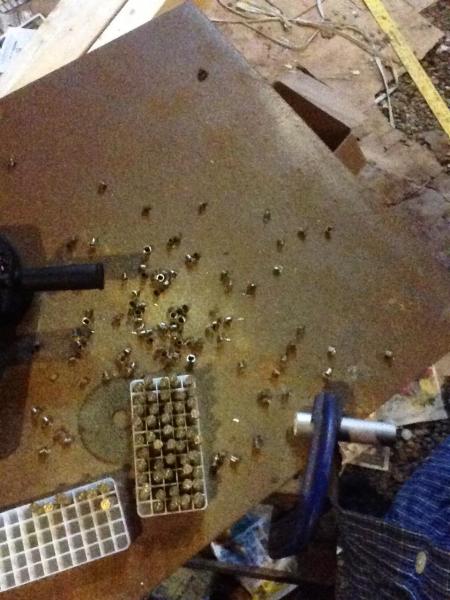
-
Lane's: jtallen83 inspired 21.750" 300 AAC Blackouts
Lane replied to Lane's topic in 300 AAC Blackout
I'll play that podcast later on when I get in to things. I've read a lot about the business end of cartridge preparation. I never heard a great argument for de-burring the flash hole though. Obviously you don't want brass shavings or accumulation in the hole; but if you're going trough the trouble, why not thread the hole to "swirl the hot gasses for a superior burn"? As long as the primer ignites the powder, I'm probably not going to worry too much. On the other hand: bullet base flatness, neck tension, neck concentricity, neck to chamber interface, neck length, bullet seating off the lands, etc.; all have specifications ranging from tight to out of this world depending on who you ask. At the moment; my intent is to give these the best possible advantage from the start, and keep them as similar as possible as I work through the paces. Chargemaster 1500 is here; and I've only begun to work it through the basics. I do want to finish soldering some things before I throw powder around. I do have a list of complaints already: The powder drain needs a stop or lock; it spins freely and would be trivially easy to dump the whole load. The draft cover for the scale needs to swing up over the buttons, the sideways nonsense is useless; it would probably work better hiding in a drawer. The display is at the wrong angle for anything but using it a foot away; I can't read it at all set back on my desk where I like it (maybe one of the unknown setting is display contrast?). The weights it comes with are both similar to each other, but light overall. Besides the drain issue; those things are mostly trivial. While I haven't programmed the memory slots yet, it seems to have enough features. After reading the manual I'm starting to wonder again if there is a processor in the dispenser unit. There is a "Link" indicator on the scale's display. No problem either way; I had always planned for both scenarios. I thought the scale simply unplugged; but the units are connected by rails. I decided to start using it before sniffing out the connection between them. That won't take more than an hour or two with a logic analyzer and multimeter when I get around to it. I started playing with the radar units, but don't have any real information yet. I did burn up my first one, and the power supply I was using to test it; totally my fault. But every other one I've tried doesn't work all that well. Furthermore I can't find them on the radio with an SDR. Either the design was changed intentionally to move the frequency, or unintentionally with incorrect components. Even a human body doesn't set them off more than 1 meter away (they should see 5-7 meters). A bullet on a stick does set it off about the same distance as a human finger. Looks like the internal filter will also need to be modified... When I know what's going on I'll present something more concrete. In the mean time I plan to step up to real doppler radar modules and see what they can do. Those also are likely to need filter upgrades for fast moving objects. And; I'm going out to chop the rest of my Lake City brass while there is still daylight...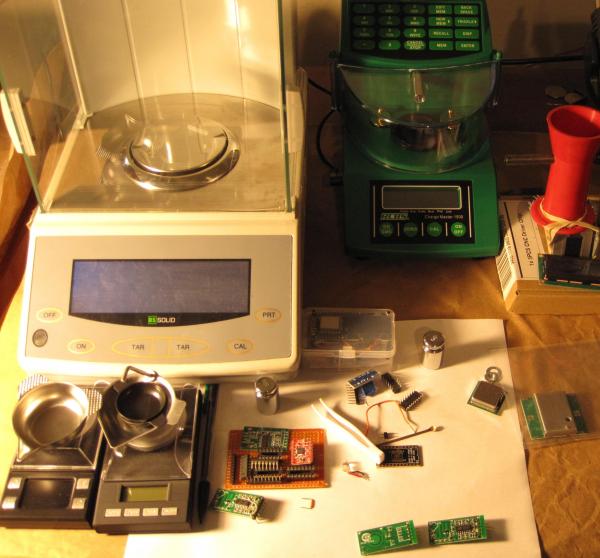
-
Lane's: jtallen83 inspired 21.750" 300 AAC Blackouts
Lane replied to Lane's topic in 300 AAC Blackout
Still quiet at the range, but might as well post a small update about my amusement with this project. Really should have started on the brass prep a while ago. I have only about twenty LC cases ready to load. Another box of 50 that just need a quick trim and final wash, then another 50 waiting for a haircut and full prep. Going to have to start looking for more clean brass when I'm out; the stuff I bought locally was more than 50% Lake City; and the balance was FC that looks good (have some converted but not measured yet). I had long forgotten how much fun it was to swage primer pockets; the pile of brass shavings grows... Weighed out the wax for the charging handle casting project. I was quite surprised to find out that they only weigh a few ounces. Even with a gating system, pour cup, and sinker there will only be three pounds to pour total. I can do that no problem, not sure why I thought I would be up near ten pounds with my earlier estimates. I've settled on a recipe for this particular alloy which will probably be unique if nobody tries to disassemble it with XRF and recreate it later. I started digging out supplies for this project and found a bunch of small to intermediate size crucibles I forgot I even had. Next time I have a few dry days in a row it's a go. Spent a good amount of time placing masses on scales, and recording the numbers. Just need to measure case volumes with water, and run a few final experiments left before I get down to business. Good thing too; because the Chargemaster 1500 is scheduled to arrive tomorrow. That should excite my reloading a little bit; though I'm actually most looking forward to reverse engineering the hopper portion of the unit, and qualifying the included scale before I drop charges. Since things have been moving around so much, I had free space at my soldering station. I worked up the first two modules for a radio chronograph, with the extra wire on pin 12 for analog monitoring of signal feedback. They were even nice enough to drill two header pin holes not connected to the circuit; so I can solder the wire to one of them. The normal digital signal output would not work because the dwell time of a bullet passing isn't nearly long enough; but on the analog side that's a non-issue. I am still not sure if a commercial product could operate on this frequency; even after reading about it on ntia.gov. https://www.ntia.doc.gov/files/ntia/publications/ntia99-361.pdf At least it's not operating in anyone's specifically listed band; and I don't receive anything locally on the frequency... So far my plan is to sight in both guns on factory loads, shoot minimum loads to find seating depth, and then begin ladder loads. I still have to prep a carrier board for the first accelerometer, perhaps two if I can find enough parts. Hot air soldering only takes a few minutes once the prep is done. Kind of makes me want a portable oscilloscope, but nothing fast enough is even close to affordable. These will unfortunately be limited to home use for the time being (though Vaughn used to roll an oscilloscope and a generator to his shooting location for research).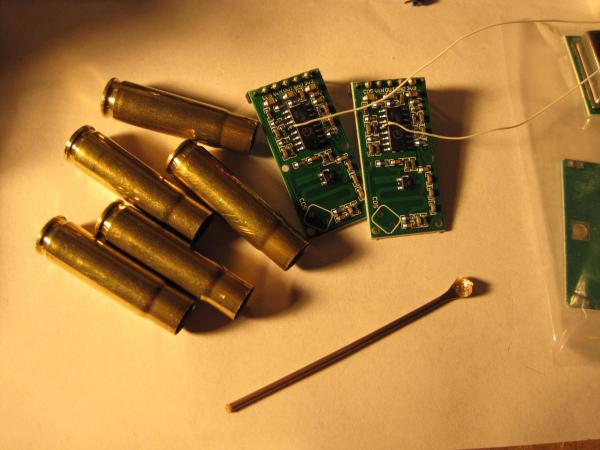
-
I always type in the URL to get here these days, but that's not helpful in ranking. Shouldn't we all google anything on 308ar.com and click the links returned to boost results? I assume you aren't buying adwords? If you pay for clicks; there would be different rules for that @imschur Just my two mags as I pay for those privileges; and results aren't great at all...
-
Lane's: jtallen83 inspired 21.750" 300 AAC Blackouts
Lane replied to Lane's topic in 300 AAC Blackout
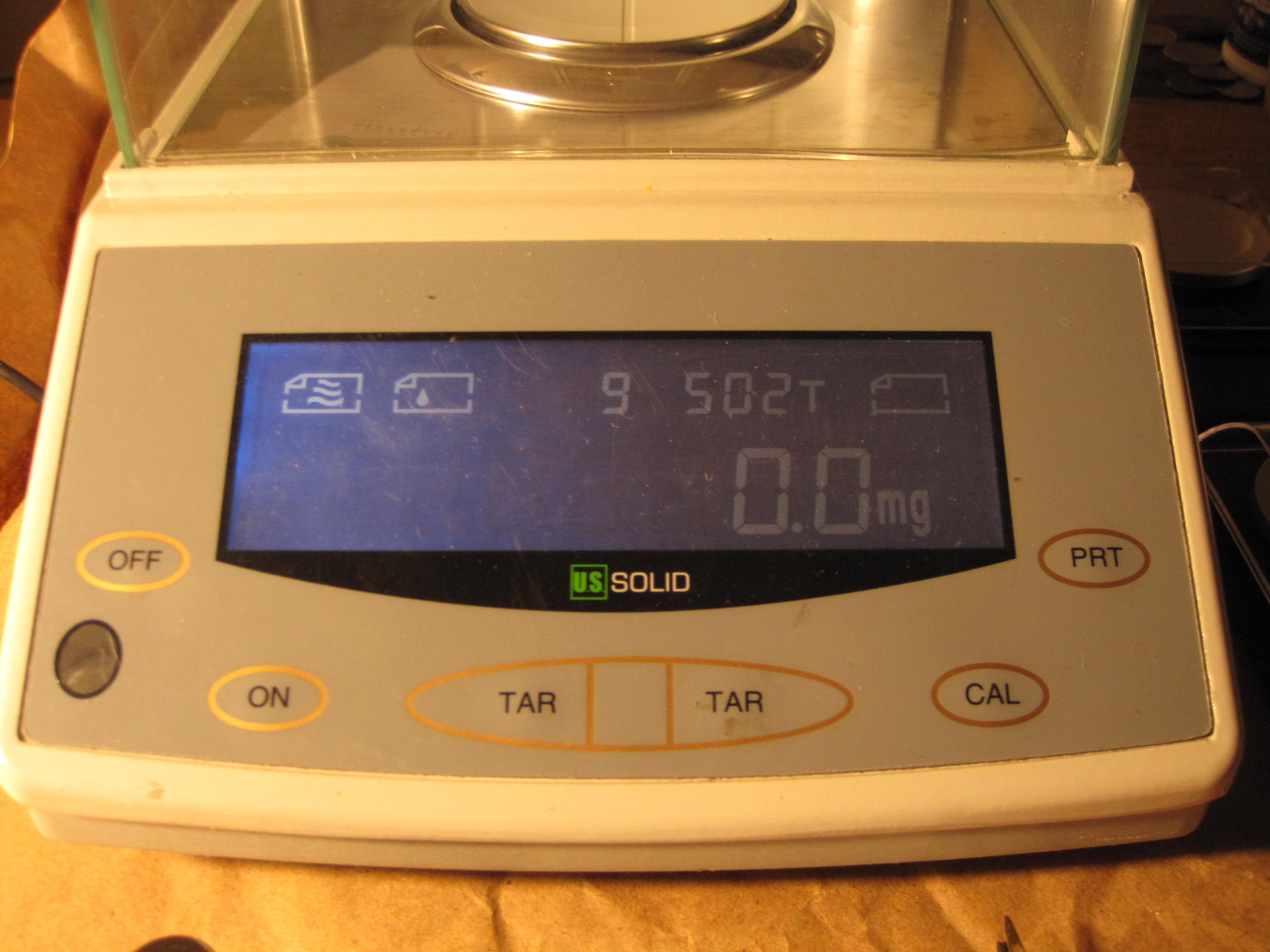
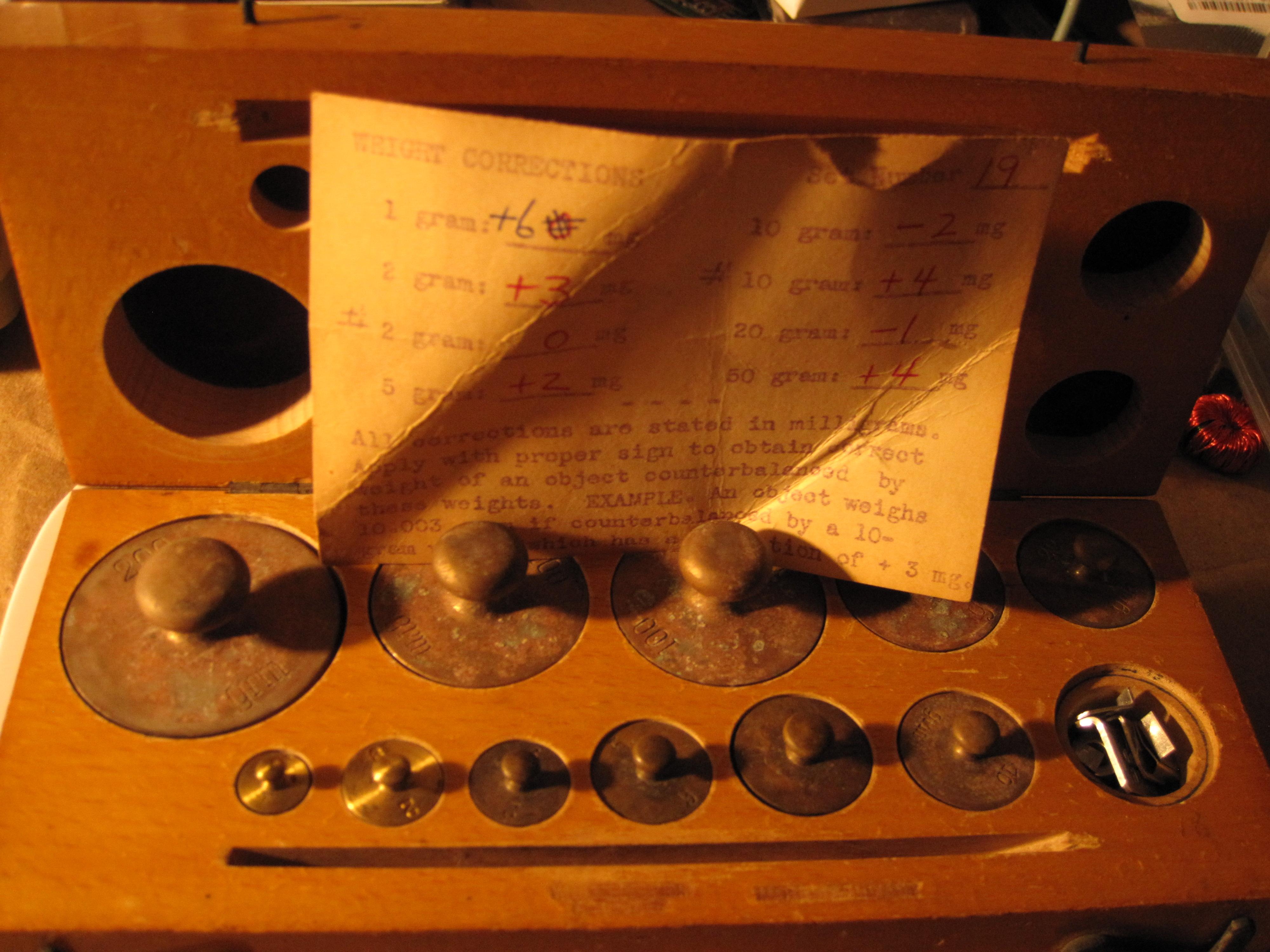
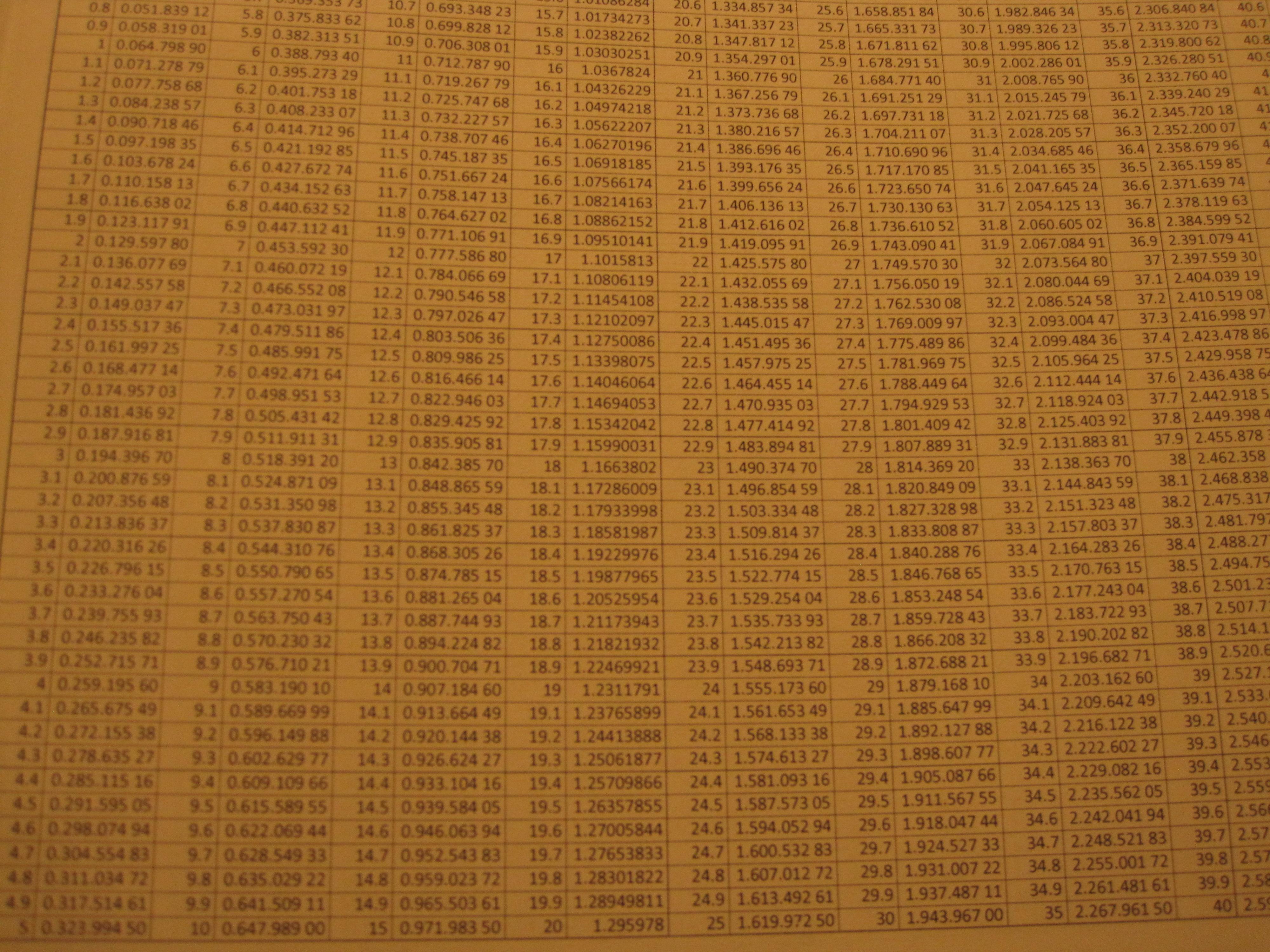
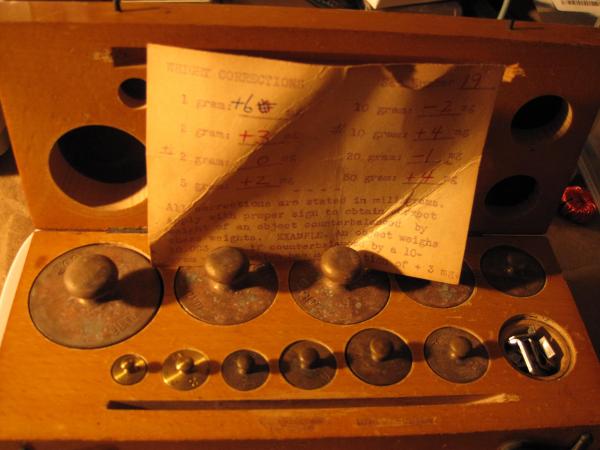
I have some revisions to my previous observations about Cerrosafe; but I'll save them for another time. It's recorded and documented in a number of ways, so I will revisit that when I can offer further evidence in the matter. Analytical balance arrived; and while I don't want to stress about it, it wasn't exactly up to par out of the box. But it was well packaged, and it is functioning up to the specifications listed in the manual. It needs more time to warm up, and then another go with a known calibrated/calibration level weight set. I noticed more drifting than I wanted, but after bumping the sensitivity from extreme down to maximum, it has been rock solid. I think I was able to trigger weight changes by walking across the floor in the extreme setting. The doors were closed tight so I can't image wind is the issue. I suppose it still could be moisture; but even with that much flutter, it's beyond an two orders of magnitude better than anything I had before. There are of course, other variables too; and I'm only just getting started here (static, electromagnetic, evaporation, residual contamination of chameber, etc). The whole purpose of this was repeatability; and not absolutely insane charge weight divisions. I made a chart (knowing it didn't measure grains on the display), to convert grains to grams well beyond 0.1mg. I simply want to know if it's high/low/middle of the road with those extra digits. I've already been through a whole round of weighing things; and I have a rough idea how far off the displayed weight is already. I can operate at a high level without an extreme calibration weight in the short term. I'll post up the math when I have the temperature and humidity stabilized; and run it through the paces. Pretty sure I'll have no problem even with the most ornery powders. Many boxes to make; and I have a Chargemaster 1500 coming in the slowest possible way... Finally; I came across another analysis of the cheaper 0.001mg scales I had been using. Sure enough, it came to the same conclusion; that there is a filter programmed in the scale that could be deadly if ignored by a reloader. I intend to prove that out pretty quickly. I had been able to work around it with previous reloading sessions, but the process was pure tedium; as I weighed each charge at least five times (sometimes many more) to get any amount of confidence. Accelerometers showed up; but are in moisture sensitive packaging. That means I really shouldn't play with them until I have solder paste, board, wiring; and everything else prepared. I guess some chips tend to break if they absorb too much moisture before the temperature shock of soldering happens. While smaller than a pinky nail; these have very tiny mechanical parts inside, so I guess that makes sense... Thinking this might be a perfect use for 0.936 aluminum gas blocks (custom milled accelerometer mount).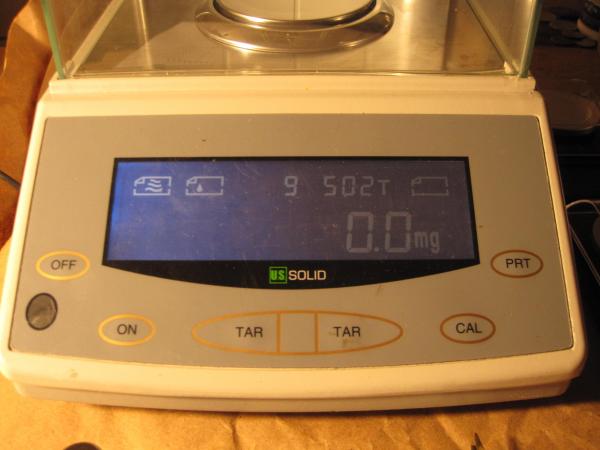

-
Lane's: jtallen83 inspired 21.750" 300 AAC Blackouts
Lane replied to Lane's topic in 300 AAC Blackout
Not a huge update; but the 24", and 21.750" uppers are built; still need to get up the nerve to mill the last few thousandths off the final lower receiver. Then just a headspace check for both. I did notice that the AP upper/BCG is much smoother with a standard charging handle. That is something I want to look into a bit further; and is the reason I was considering other options to begin with. Not everything unlocks like a dream, and with tight cases it compounds quickly... Not sure which component needs to be adjusted, but it did make me think more about barrel shims in the wrong position again. There is something going on here that I haven't nailed down yet... Too much to think about at the given moment; nearly finished with an in depth re-read of Vaughn's Rifle Accuracy Facts. I also ordered the accelerometers to measure 3 axis of barrel movement in these builds. An interesting note in the Appendix A (Vaughn) about that; he used Phillips 941Ms to both filter, and integrate the accelerometer output. I have a pile of them laying around here; and it took me a while to wrap my head around that integration circuit. What an interesting application though; had to order a bunch of 25 turn (stupid accurate) potentiometers to replicate that part of the design. The 0.1mg scale finally shipped; but I may well need a real Class 1 (or Class 0) calibration weight for it still. Waiting for it to arrive to test with accurate masses, and see what I get back. Had some thoughts about collecting barrel movement data from accurately weighed ladder loads (on paper targets), before trying the accelerometers. The reason to do this is because those accelerometers will retard the barrel movement; and I will have to adjust for that in calculation. I should still be able to match up accurately with both data sets in hand; and Kolbe provides excellent equations for those calculations as well (extra weight at the end of the barrel). Have a second set of much nicer chamber casts now. Still not confident in their accuracy for a number of reasons. The shrinkage for Cerrosafe is defined in inches instead of percent; and that shrinkage also depends on pour temperature, and barrel temperature. I measured at 1 hour exactly; but I still don't trust any of it explicitly. I wish I had a caliper I could shove in the chamber... Might sight in this week if I can get my other work finished up. Still need to make contact at the local range before I can perform some of these early tests. Might as well start on another build too; once these are complete... -
Didn't realize what you were asking; I've never had a problem feeding them. I presume polymer tips are tougher than a lead tipped projectile, meaning they would deform less in that process as well.