
Lane
-
Posts
1,042 -
Joined
-
Last visited
Content Type
Profiles
Forums
Downloads
Gallery
Store
Everything posted by Lane
-
Lane's: jtallen83 inspired 21.750" 300 AAC Blackouts
Lane replied to Lane's topic in 300 AAC Blackout
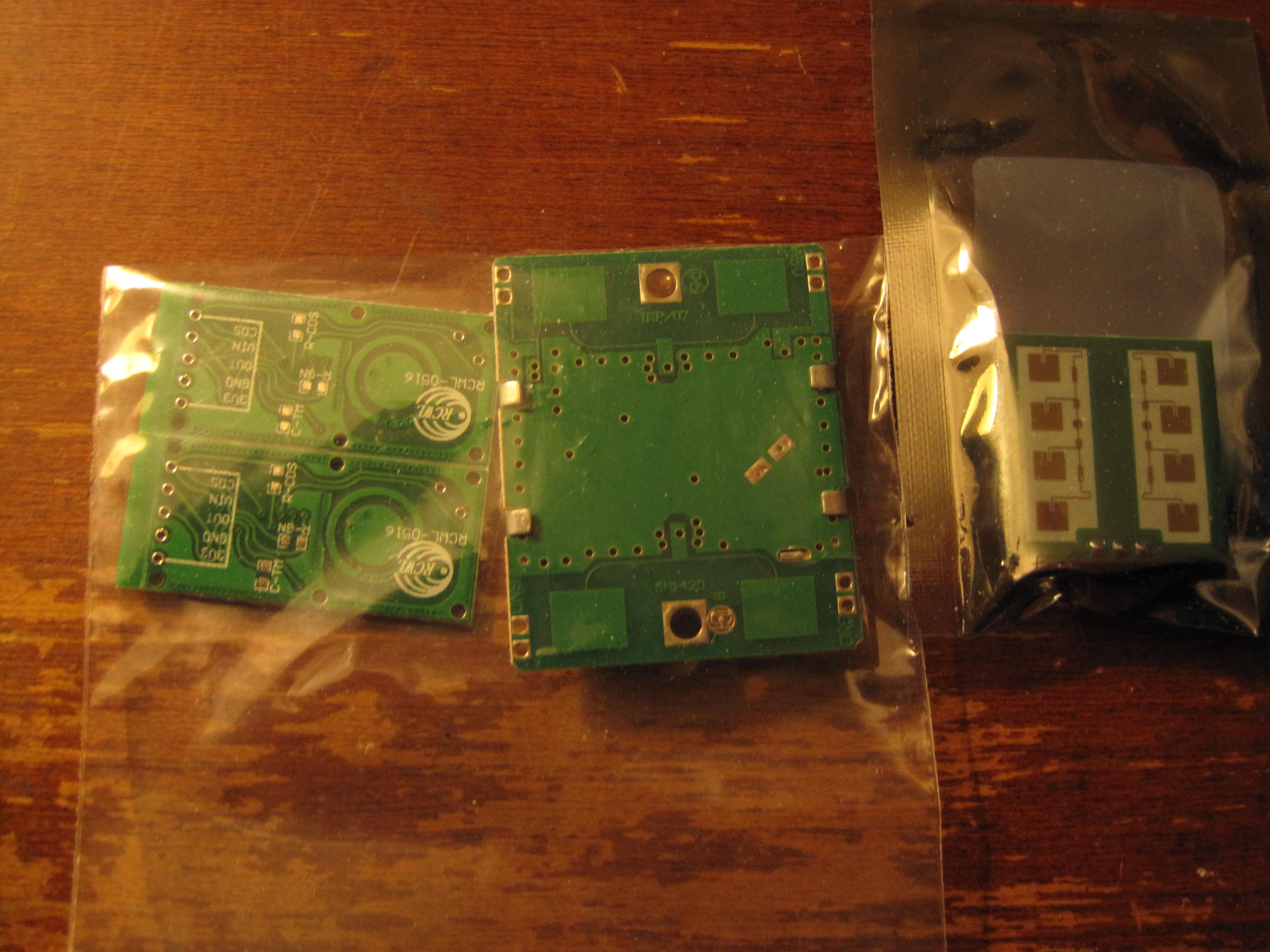
Tons more to update; but since the last topic shown was the radio chronograph, might as well continue with that. There are now plenty of modules here to test each type of design and hone in on the desired frequency range (and start replacing surface mount components). That cheap 3.0GHz module would be best suited for an optical style setup; but without any of those nasty light based issues. The 10 GHz would probably do well as a replacement if 3.0GHz doesn't work out well for one reason or another. The 24GHz unit will certainly be a contender (and I bought a few extra). The default configuration apparently filters out anything above 20MPH in terms of speed measurement. With a modification of an RC filter it should be able to measure bullet speed if the rest of the design is addressed. Even if I need two or three for accuracy-sake, it will still be cheaper than the worst (quality) optical chronograph (read: cheapest chronograph on the market). See earlier discussions about the other style; as both will be important in the long run. Mentioned this elsewhere; but this is what I mean by technical and setup concerns. All of this need to be seamless in design and deployment very soon. Centralizing on power connectors and data jacks will be important. I want these 300 builds to be unidentifiable other than the strain gauge connector. I'm not at all sure I could use a 4 conductor 3.5mm in terms of depth; so I'm looking into those options still to this day...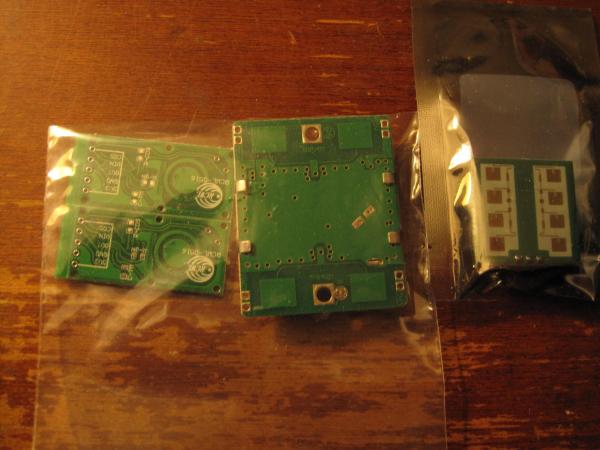
-
What kind of magazines are you using (others have asked too)? Never had a single issue with polymers, but have modified every one of my stainless steel magazines in some way or another. The measurement on my Ceratac .308 is 0.650"; perhaps +/- 0.0005", but I measured it quite a few times and got the same numbers. Belt Fed showed the same thing 0.6500"; you just have to read the first digit off the slide; and the rest on the large dial.
-
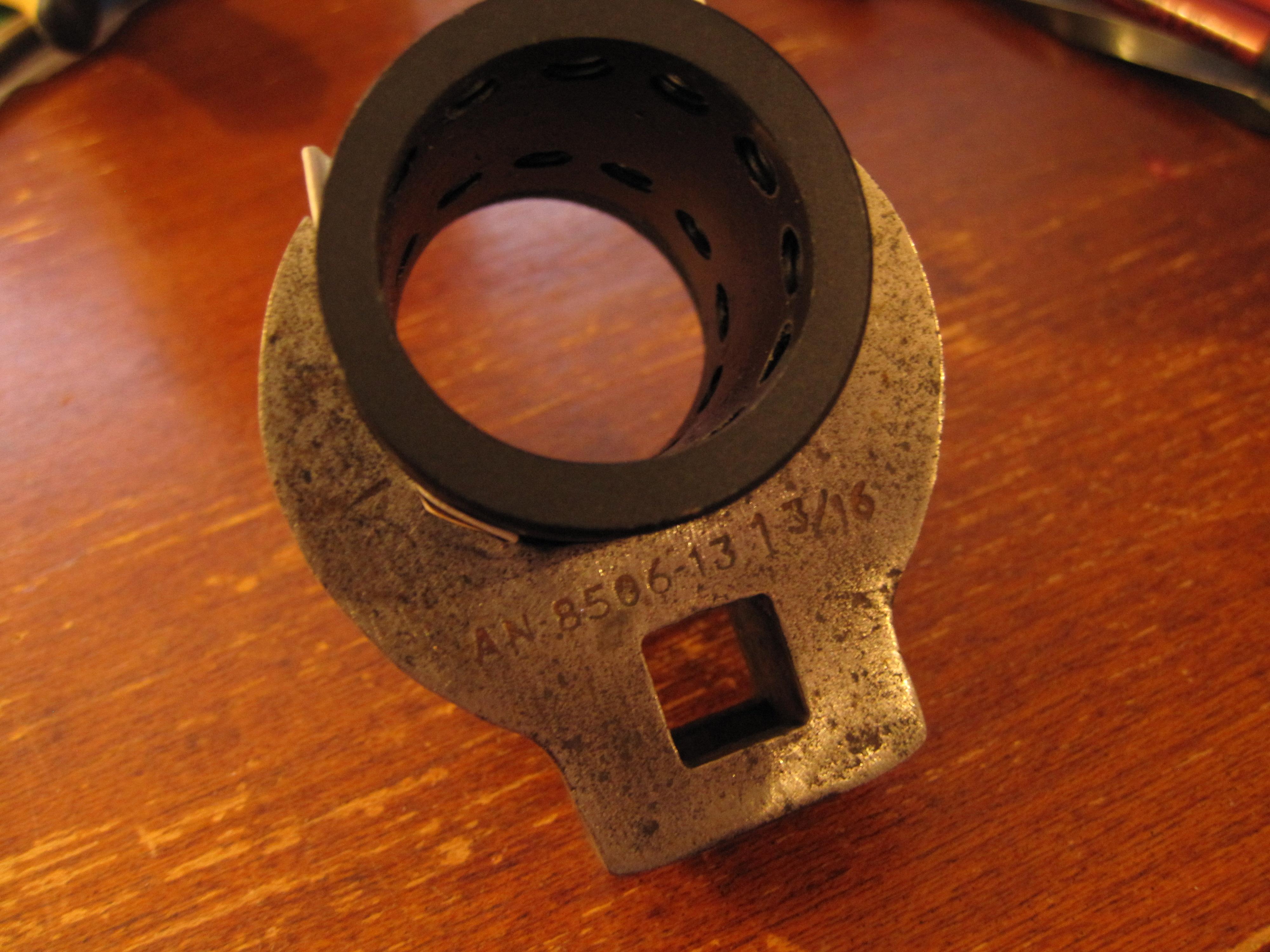
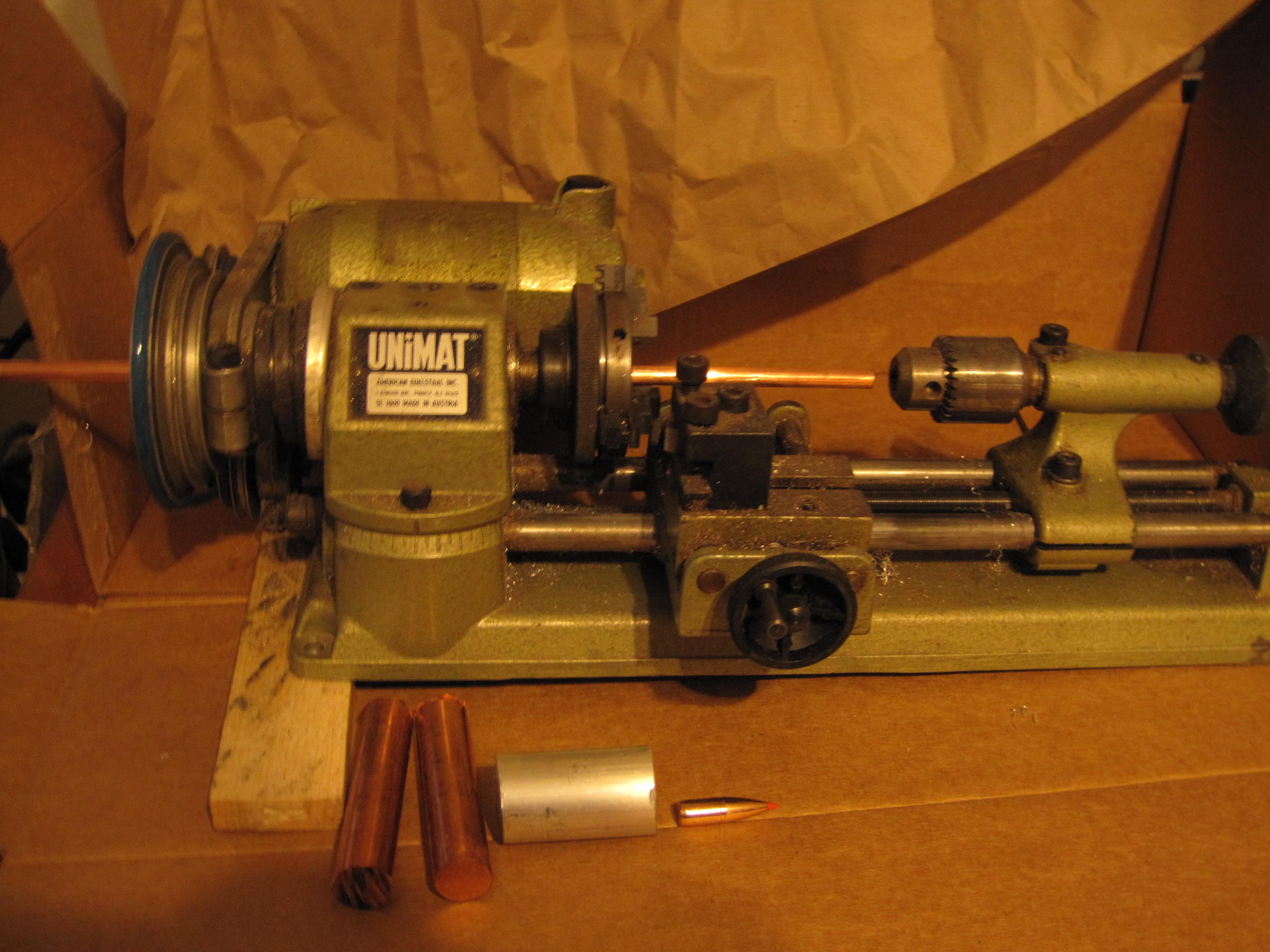
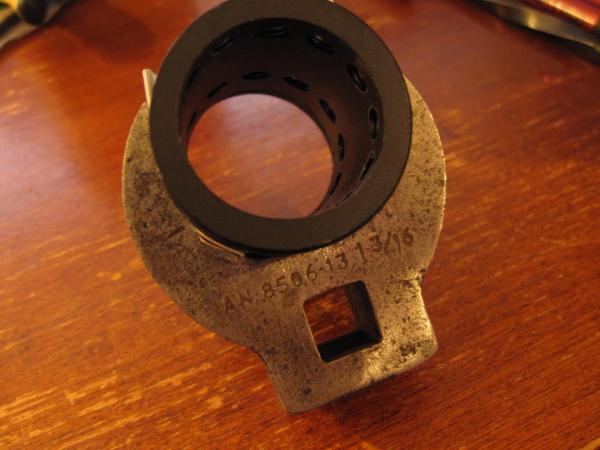
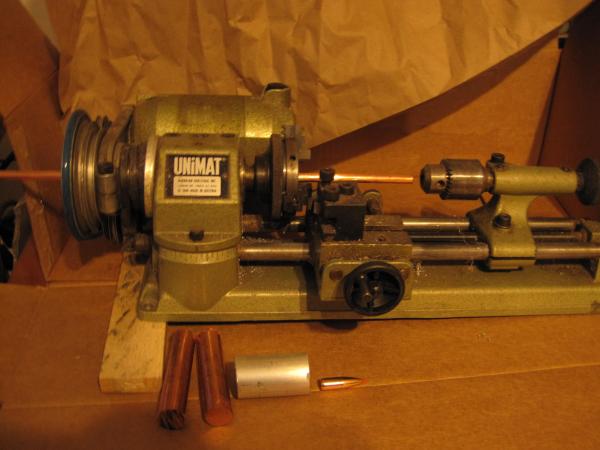
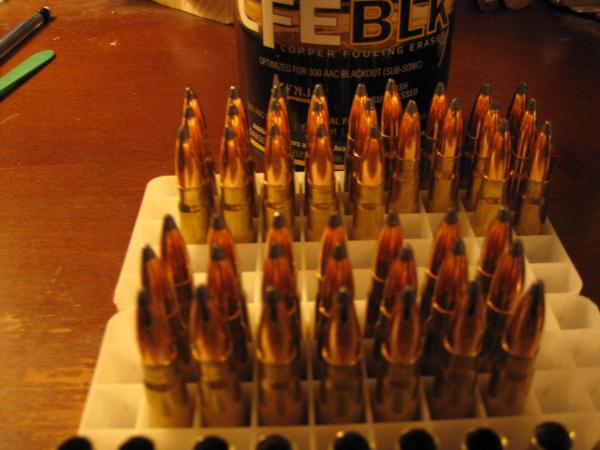
I've been trying to lay low while I get ready for the next set of builds here. There is quite a lot I still need to work out technically, and in terms of consistent methodology across a number of firearms. This 7.62x39 will be first to get a conversion for chamber pressure testing. The only thing I'm lacking for the more official 300 blackouts is a second upper and BCG assembly (and the barrels which should be here in two weeks or less)... I had ordered the crow foot for .308 size barrel nut by accident (numbers are hard); and just got the smaller AR-15 size in the mail today. Turns out the barrel nuts I have are actually 30mm and not 1-3/16 (I was already aware of this, but wanted to see how close it was). I have a total for four layers of 20 lb. paper shoring it up in this picture for a total of 0.015" of shim. Got some paying work that requires the lathe, so I had to clean and lube that up again. Figure I might as well start turning test projectiles either before or after that job. Looks like the pass through only supports 0.250" stock; and just barely. Larger stock like the .375" and .625" will need to be cut to length and turned individually. I'm actually fine with that because those 500 Blackout projectiles are only desk toys, and .308/.311 can be made back to back if needed (2 projectiles per cut length). Might as well practice on .224" projectiles anyway... That is a .308 Hornady GMX next to the aluminum rod as a reference design. I started guessing about what that alloy was until I finally looked it up; the GMX is solid gilding metal used in copper jackets; which is composed of 95% Cu, and 5% Zn. Been thinking a lot about this idea of adding shims between the outside of the upper receiver and the barrel (as opposed to between the barrel and the nut). The most striking realization was; there is already a cut in the upper where the barrel alignment pin lives. That means the vibration coupling is "degraded" by default, and based on Kolbe's research; that might actually be beneficial in allowing additional upward vertical barrel movement (something he considered paramount in terms of accuracy). Bedding a barrel with Loctite 609 might actually make it harder to tune loads (tighter charge weight range)... Furthermore; it might be beneficial to "amplify" that condition with specifically cut and shaved shims to allow more barrel movement in the upward vertical direction only (aligning all cuts with the barrel alignment pin, and shaving them a bit thin up top). That of course, is still purely theoretical at this point; but well within bounds cost-wise. That very first round of theoretical experiments will be run on my first AR-15 build. It has been a bastard child for months now (rarely fired); and I have no qualms about "ruining" it for the sake of science. Might as well try shims in various configurations, then upper receiver lapping, and finally barrel bedding. Not sure how accurate the data will be given the barrel will be wearing in at the same time. On the other hand; if one or more of those methods shows a clear improvement over the others; they will be carried forward. Finally; I've basically finished making ladder loads for the 7.62x39. I skipped the first two light loads and the heaviest two loads so far. I might go back and make those light loads still to use as fowlers and barrel warmers; but early tests showed no reasonable accuracy in those charge weights. Unfortunately I also bumped up my overall length with these; so the results could be a bit different. I'm avoiding the heaviest loads for now as matter of caution. Looks like spring is basically here; so I'll shot through those carefully over the next few days. My only concerns in terms of speed are; the sustained accuracy of myself (after all I'm just another meatbag), and the barrel temperature.
-
I kind of want to buy this upper assembly... Freak of nature and all.
-
My problem wasn't going into battery; I think I only noticed it cycling the bolt without a round in the chamber. But in regards to this @kayjaygee_13 problem; I can't think of many other things at play if the BCG doesn't move at all.
-
This is what lead me to ask about those things... My upper is not Aero; it was that Ceratac we had so much fun with. Just looking at the facts in this case, and it sounds like "no gas"; but could be a bit more complicated. How many things can keep the BCG from moving at all?
-
Without dismantling the upper; there are a few things you could look at and try... First; remove the BCG and inspect the gas tube (take a picture and post it if you can). I am curious to know how dirty it is. You've only fired a few rounds, but there should be carbon visible if any gas is getting that far. @washguy explains this very well; but you can perform a blow test to see if your gas port, gas block, and gas tube are all open (pretty sure they aren't; but you would know from the carbon build up). In your case I would consider using a spent casing to plug up the chamber; grip the muzzle device to seal the gaps, and blow in the business end of the barrel (while holding the cartridge in the chamber with your finger). If you can blow air out the gas tube this way; then at least you know the passages at least pass gas. Beyond that; I suppose the cam pin could be failing to rotate for some reason. That could be an upper or BCG issue. I had to round the edges of the cam pin on my 308 build; not much, but it kept them from catching in the upper. Photograph anything you can; even if you do end up sending it back... These problems are a curiosity for many of us around here; and there are plenty of people who could walk you through a solution once the problem is identified.
-
Six deer seemed like such I high number that I had to start researching this further. Turns out, here in NY we can actually take a lot more than I thought... I knew the deer population here was high; and I was right. A regular permit gives you a single deer of either sex (and a bear). But add muzzle loading and bow hunting to the permit, and you get three deer tags; one of which is a doe only. If you win the lottery for deer management (costs extra); you get two more doe permits. Furthermore you can buy another pair of doe permits which are only usable in overpopulated wildlife management areas. That's a total of seven; though bagging just one during the few weeks of hunting season is difficult enough. It does become a bit easier if there is fresh snow on the ground.
-
Faxon + Live Free Troubleshooting Lightweight Build
Lane replied to Mont's topic in Building a .308AR
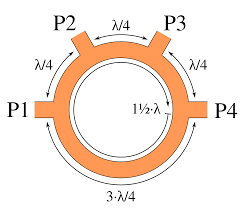
Since you are already working with nice things. Consider these... @Matt.Cross was eluding to this; and so was @98Z5V . When aligning the cuts in regards to harmonics; rotation does matter. If you consider the pin in the barrel; this b&w depiction should help tune it (barrel pin is the RF cap). If you want to buy a bunch of .001 shims; you might do ok with the color version with six well stacked and arranged in 3D. Seriously; don't be scared, you'll be fine with a pretty generic installation here. The coupling is really determined by the contact area (well above 99%), and the barrel nut torque. These other diagrams are all about splitting hairs.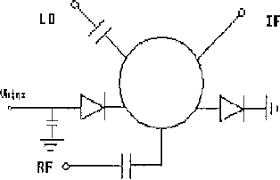
-
Same here when the numbers fall (management is spot on); there is a lottery for an extra deer when there is excess (happened in 2018). I only saw one buck come out of this hill last year; and the white tail population has gone wild. Last year was deer of either sex, and there is no reason to believe there will be a restriction in 2019 here. Still not taking a doe myself; they usually have little ones in tow during hunting season...
-
I spent a stupid amount of time trying to get the development environment for the shot timer running on my main laptop. It's almost there; but I have no idea what the latest error means. I think I can still manually compile with the command line; so I'm going to try that soon. Anything to get that part of my work back in front of me. I had done all of the prior development remotely through another computer, which is just annoying to say the least. Got new ladder loads made up and found some new issues with the cheap scales. They drift away from each other as they warm up; and using the tare function doesn't fix it. I've had to limit the number of loads I do in a sitting to maintain some semblance of accuracy and repeatability. As soon as I have the full range of charges loaded for 7.62x39 the first scale is getting cut up. I have to hard wire the strain gauge bridge on the load cell to the ADC for interface with another controller. I'm not sure where the warmup issue is coming from; it could be the load cell itself; or the circuity on the main board. Won't know until I see that side of the new system running. Libraries are already written so I simply need to connect and calibrate. Should have no trouble calibrating with a full seat of weights (instead of the standard single 50g) to scope out the non-linearity. Could compensate for temperature drift if needed; but I still suspect it's the cheap controller (probably the LED backlight warming). This is what my shooting range has been looking like for the past week... No since scaring off future dinners, and it's months away from hunting season.


-
Faxon + Live Free Troubleshooting Lightweight Build
Lane replied to Mont's topic in Building a .308AR
I had a reply all typed up, and then saw some others come in before I clicked submit; so I never posted it. My thought is; so long as you simply clip the shims and file the cut smooth, it shouldn't have any measurable effect on the coupling or barrel harmonics. Since you need all four of those shims to fill the gap; one could even rotate them so the cuts don't align; much like people do with gas rings. I would view this as yet a third or forth option in terms of bedding the barrel extension and facing the receiver. The shims should crush enough to provide a bit of both worlds, without actually facing or gluing. Wouldn't worry at all about springing down since they will be held open by the barrel extension. I would worry about squeezing out a bit; but the barrel nut should constrain them. -
The math still applies; it's the external ballistics I was asking about. How much of a fight was it for him to hit the 1,100 yards? The "scatter" plot on the target was pretty well defined; which is why I was so intrigued.
-
I saw a nice slope; up into the right shoulder on the target, and then one in the eye... I just wanted to be sure about the math here.
-
This is a fun one; any idea what the rough order of progression was? Were the hits total scatter (wind, etc.), or a more calculated spiral, or; were you trying to correct each shot based on the last? How many more weeks until spring?
-
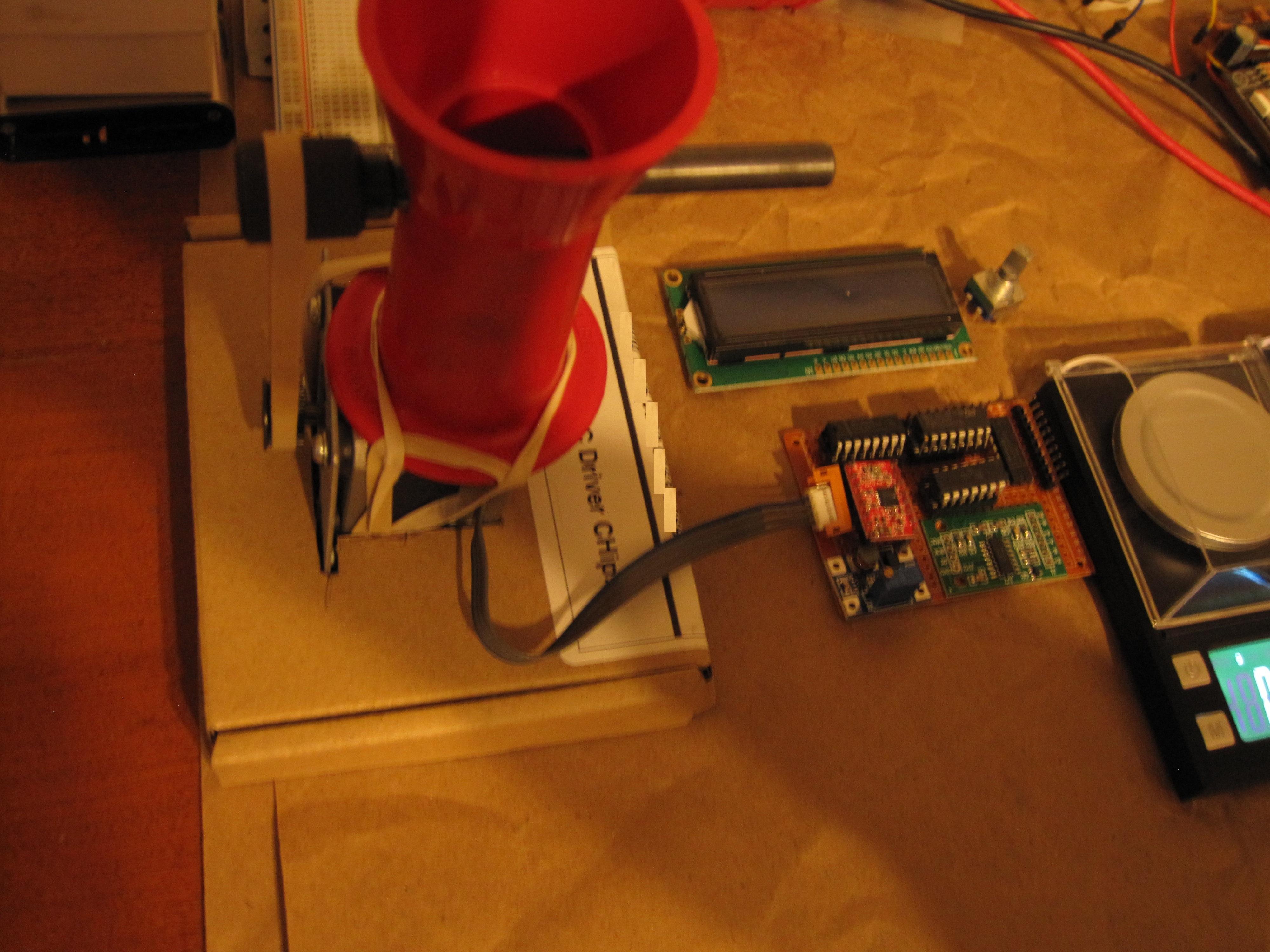
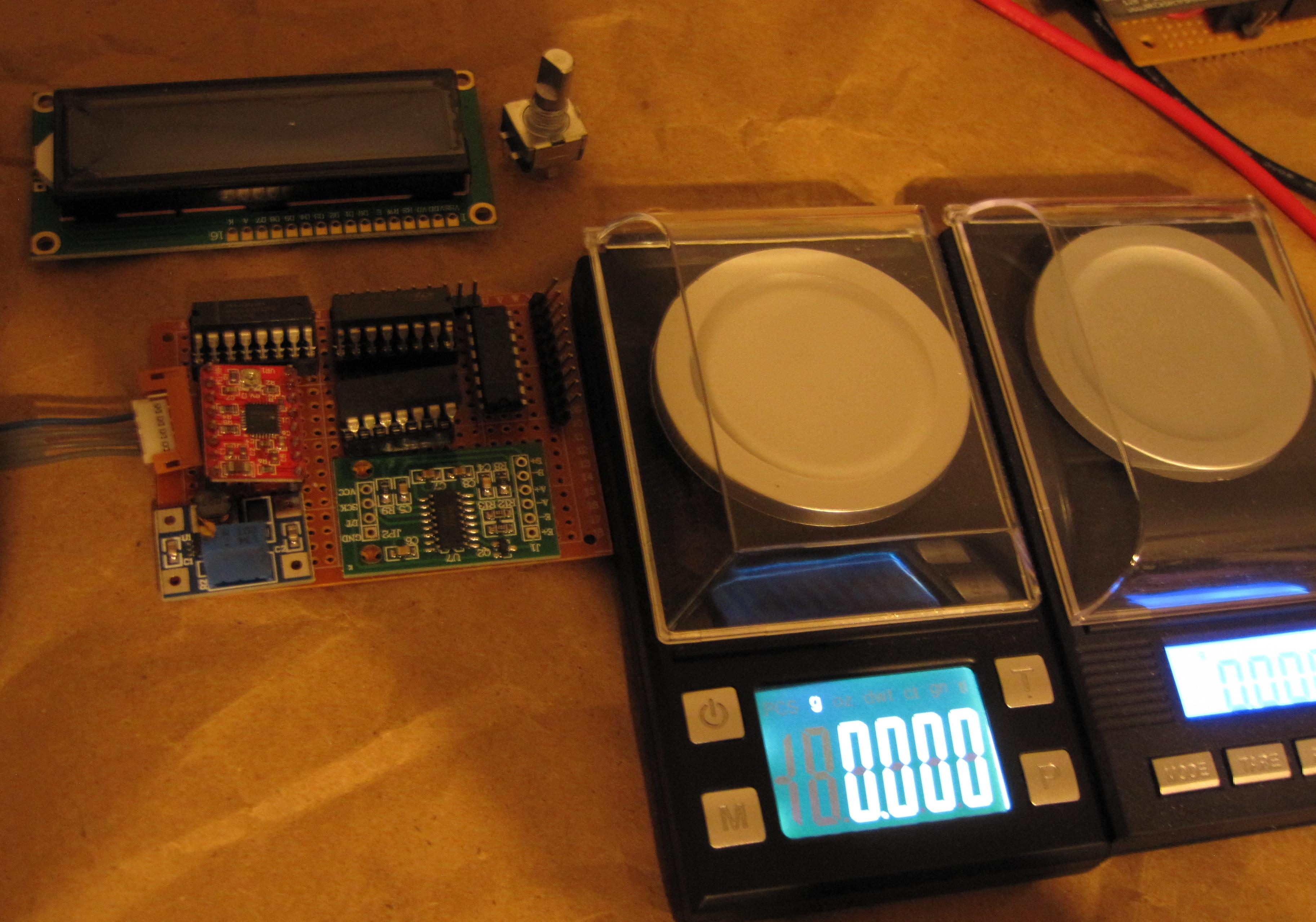
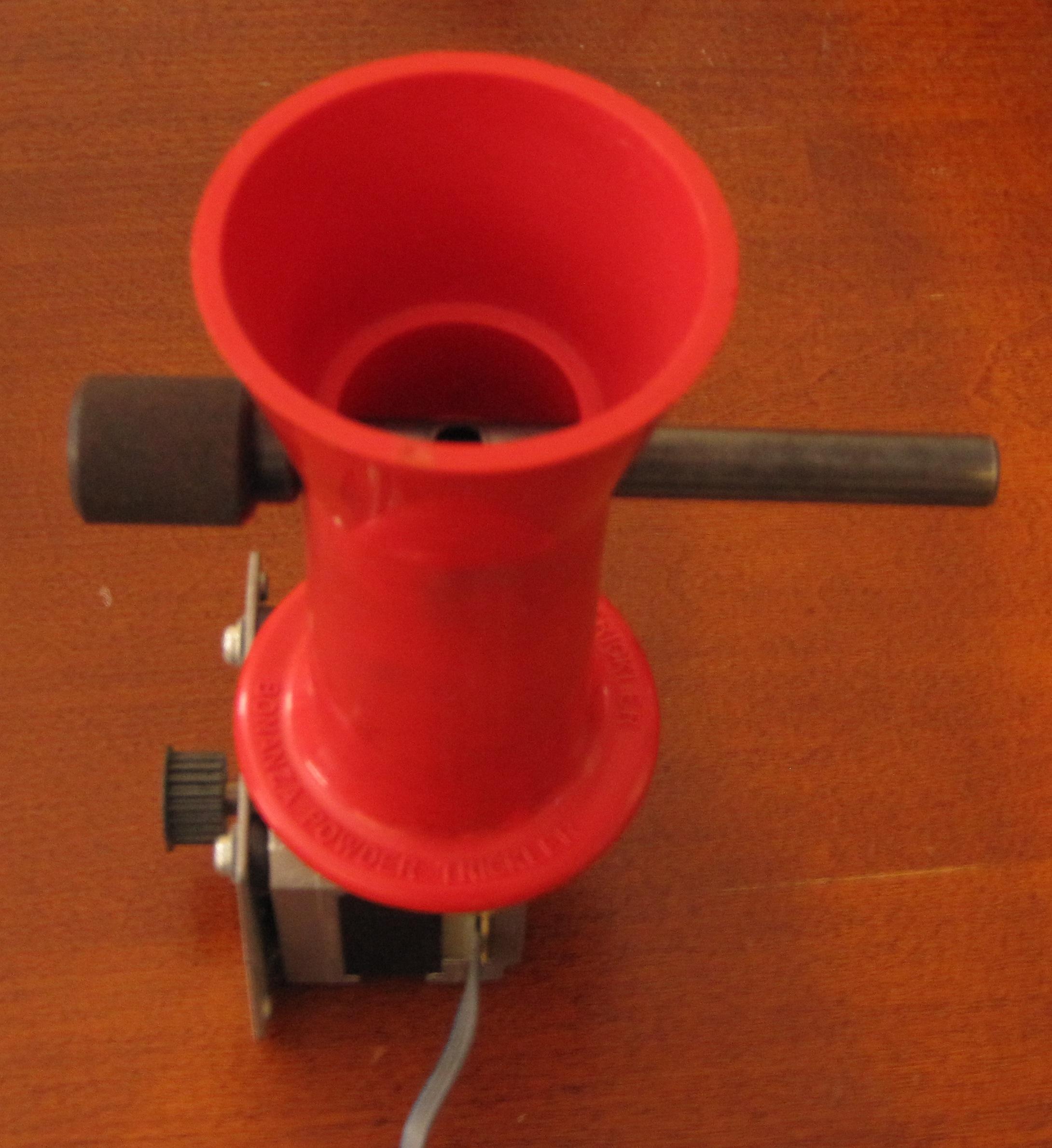
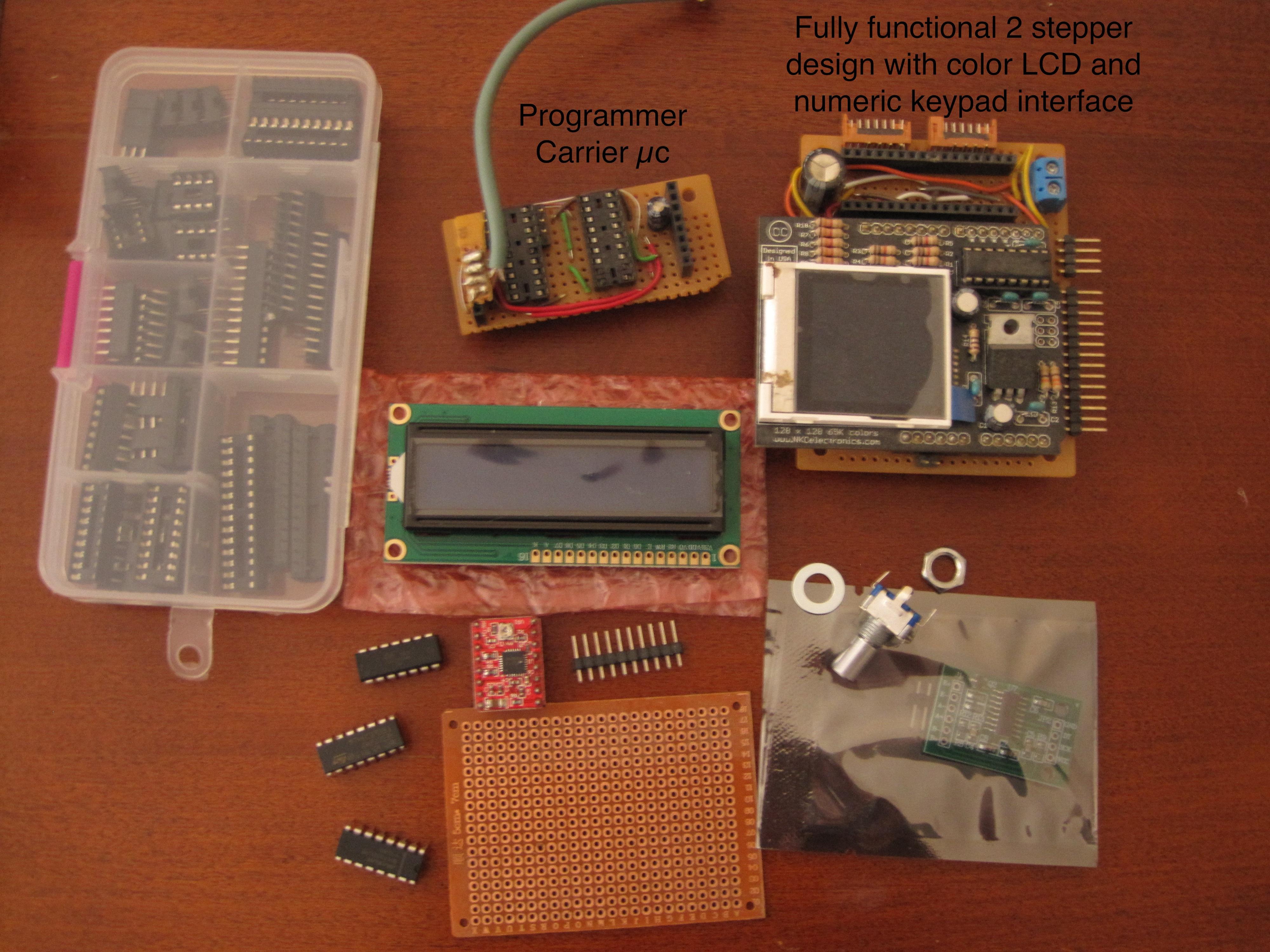
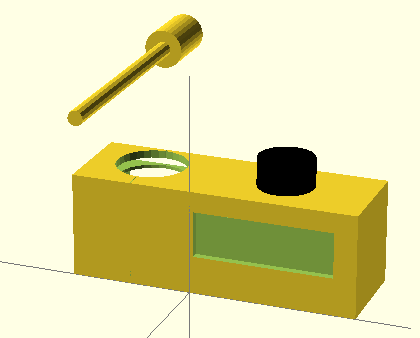
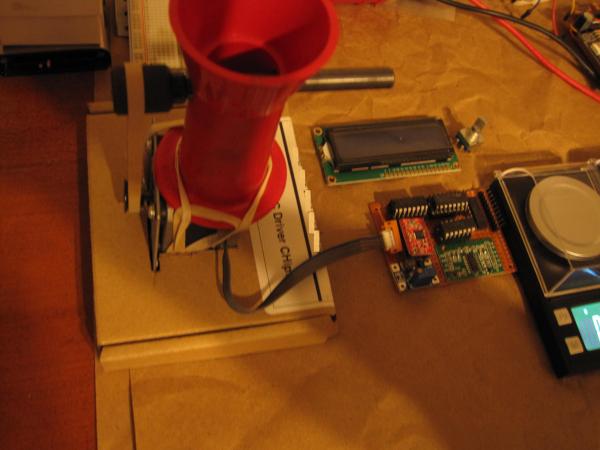
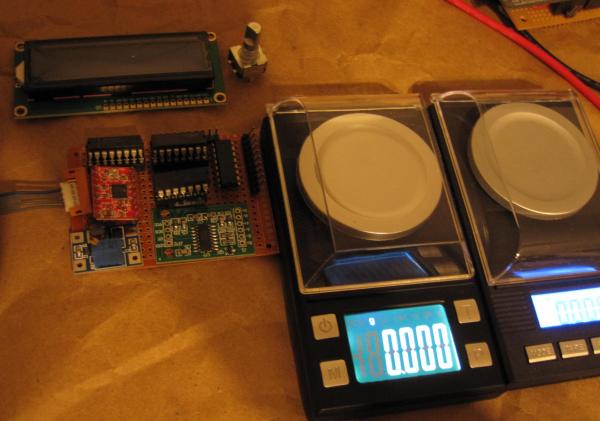
I had posted other things about scales; and it's gone. Tried to go outside to shoot multiple times today; but every time I walked outdoors there was a deer, or multiple deer. Each time they just looked up and went back to their business. They didn't smell me in the air; and didn't mind my presence if I didn't move around too fast. Even at 20 yards there wasn't any kind of flinching. The first one never got scared on her own; but once her friend/mate saw me it was a panic. Later on there were more larger groups, but they weren't as long lasting. I ended up slow firing the kiln to drive all the winter water out. That took hours, but it was nice to see some bare ground again none the less. My plan for this is to just get the micro wired to the stepper motor driver. I can run quick and dirty code to accelerate up to a given speed, run for a set time and wind down. That should give me a good idea how well this setup works on its own. It would be trivial to drum charge and let this finish the job. This layout shows a final design; give or take a bit of spacing once I start the wiring. It has interfaces for both cheap and expensive scales. It has a shift register to read the RCBS Chargemaster buttons, stepper driver for tricker drive (which should drive the DC motor in the RCBS with some twitch firing), and a separate shift register to reduce the LCD driving pins on the micro. This is such a humorous design to me; I had everything but a spare stepper driver board laying around in my stock of parts. I actually did have a few rather large stepper driver boards; but they would have tripled the size of this build. I had posted this rough CAD drawing too; but it disappeared. The two parts will be separated in the end given the design ideals. Finally, the @Armed Eye Doc chinese scale reprogramming; stage 1.
-
I might be in the market for one of these .936" gas blocks down the road... Did that one come with the barrel deal? That is a nice looking rifle!
-
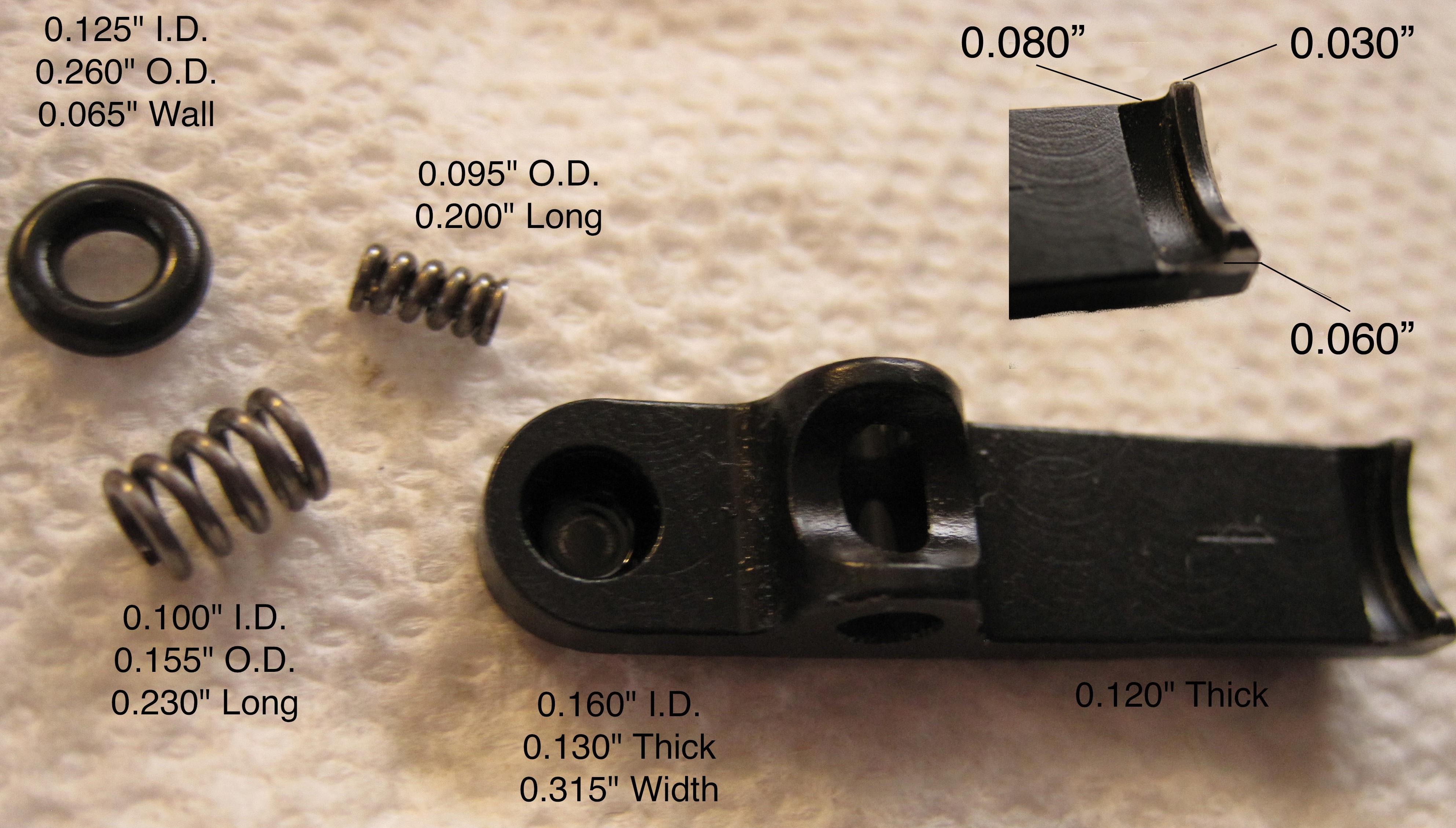
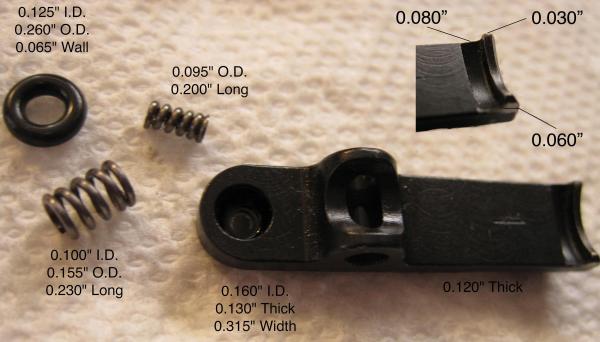
Here is a breakdown of my Ceratac ejector setup. Looks like the PSA when going together in the bolt; the clip doesn't stick up very far, and assembles easily with finger pressure. Posted it yesterday but; gone again. Let me know if anything is unclear or you want further measurements. The only thing I'm not incredibly confident on is the o-ring; tough to tell when I'm compressing it by a thousandth or two.
-
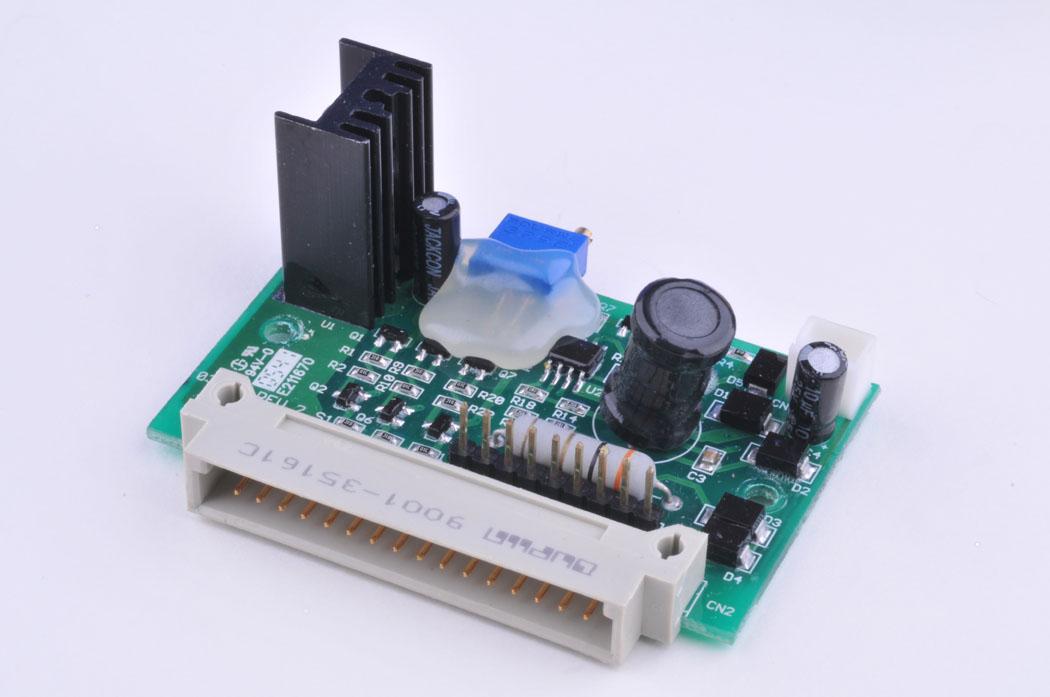
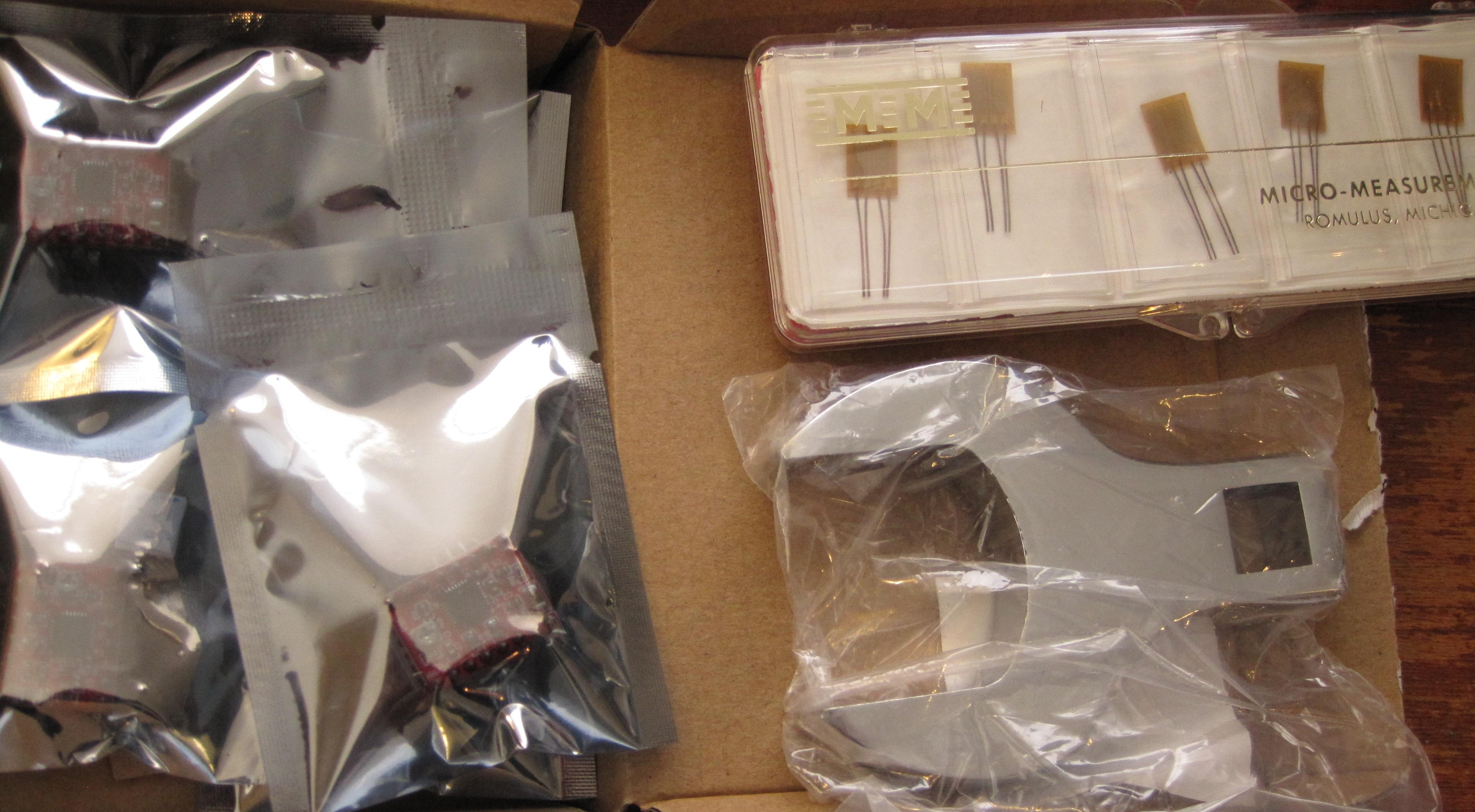
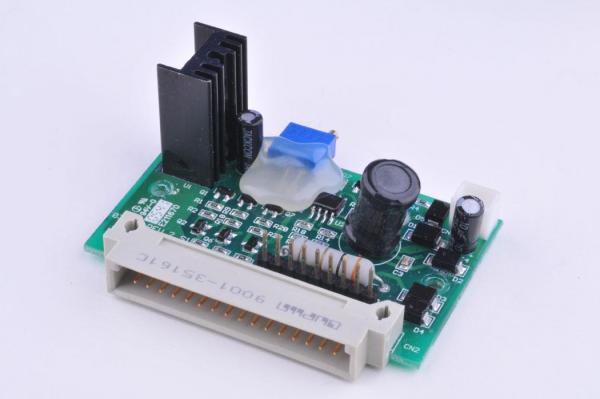
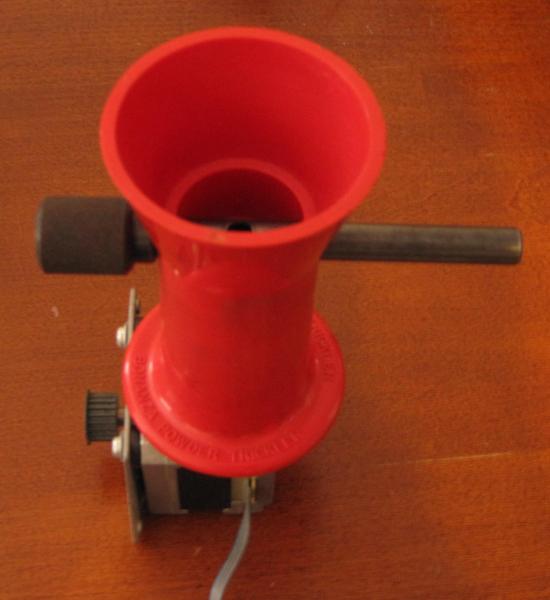
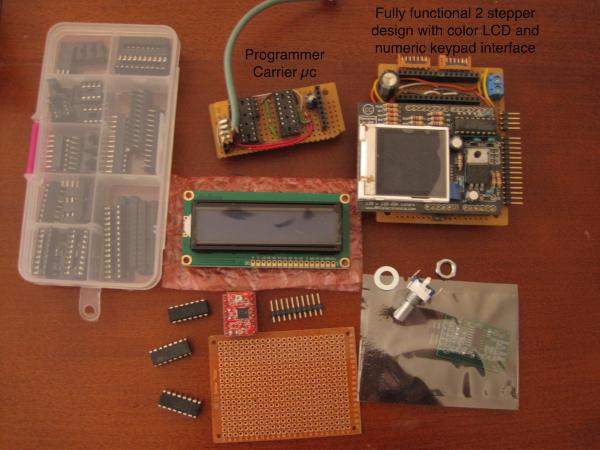
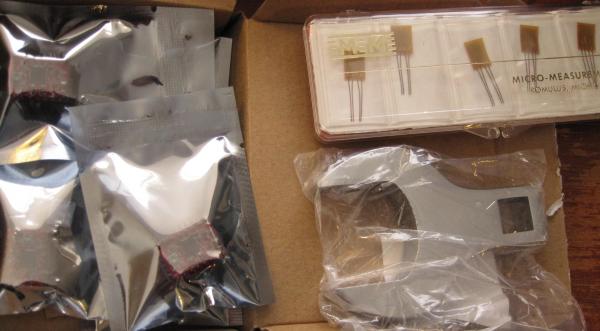
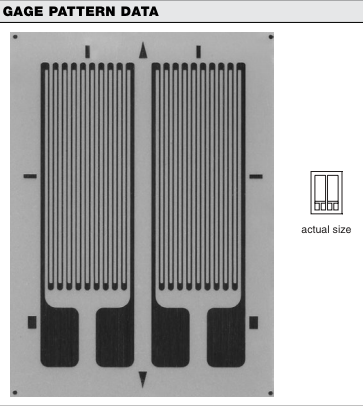
I will do that for the next round. I've seen similar complaints about the auto powder charging units; someone strapped an ESD wriststrap to their powder canister in that case. I wrote a whole breakdown of the accuracy of the Chargemaster 1500 but that's gone. It looks like all the auto dispensers on the market use the same scale hardware as the $20 chinese milligram scales. Due to issues with overtrickling, the Chargemaster 1500 proves out to +/-0.5 grains by itself; but can see +/-0.02 grains if the load is dropped light and hand trickled to the next 0.1 grain (even with the McDonald's straw mod). Had a whole post about the powder trickler build; but that appears to have disappeared too. I'll try to sum up quickly this time. This build is going to try to address the broad spectrum of scale and charging unit options. I found images of the controller board in the RCBS Chargemaster 1500 and it looks reasonably easy to interface. The whole button matrix goes into the scale, and it appears RS232 bidirectional, as well as one additional control line (RTS, CTS?). Beyond that it looks like little more than power from scale to dispenser, and they are using a DC motor in the tricker. My design is based on flexibility with the simplest possible components I have on hand. So far that's: ATTiny84, 74HC595, MAX232, HD44780 LCD, 4988 stepper driver, rotary encoder, connectors, jacks, perf board, wire, solder, and a stepper motor. I'll need some part of a Chargemaster to fully reverse engineer those communications. As stated this device should interface a stepper driven tricker with an analytical balance's RS232 output. Swapping the MAX232 chip for an HX711 board it could interface directly with a $20 milligram scale (which needs to be rewired). Actually built a controller years ago that would work for this out of the box; but I don't like to repurpose old projects that are fully functional for another purpose. Strain gauges (for chamber pressure monitoring) and crows foot showed up; but waiting on the upper receiver lapping tool still. That might not be here until Wednesday. First to get the treatment is my first AR-15 build; something I rarely even shoot these days. First strain gauge bridge will be installed on the 7.62x39 once I pull the barrel to lap that upper receiver.
-
I've been watching this issue with extreme sadness. This is exactly what happened here in New York state after the Sandy Hook school shooting in Connecticut. Knee-jerk legislation which originally tried to ban ARs and AKs outright; but was rolled back slightly. We have some of the most strict laws in terms of semi-automatics in the US; but at least we still have them. I can not imagine the heartbreak of having to lose, or "sell back" everything I had. And after a buyback program, it seems unlikely the law could be reversed. Do you know if you are allowed to keep things that are "modified" to be bolt action (like sporting rifles are made for the UK)? Here in NY were were allowed to modify to meet the new laws by removing features. You would probably have to replace a barrel to have no gas port; but would that still be considered "bolt action" under the new laws? This is like a cancer; these restrictive laws keep spreading, and we have no recourse as private citizens. At least where I live; voting doesn't seem to help.
-
We are actually talking about the same thing here... If your load is +/- 0.05 grains and you see consistent accuracy; that's (in my mind) a wide range in terms of weight distribution (the "flatline"). Virgil King said the same thing; his accuracy didn't change appreciably adding or subtracting a few kernels of powder (he was mostly a 100 yard guy though, and only went to 300 in the warehouse). Long agrees in terms of OBT theory; small deviations in powder make little difference in accuracy once you get close to the nodes. Even in simulation; powder charges +/- 0.1 grains show exit times that differ by only a few microseconds. It is those few microseconds I'm interested in looking at here personally... It is my opinion that if you can pop the bullet out of the barrel with an accuracy of 1.xxxx ms to meet OBT (or adjusted OBT), it should have an insane level of accuracy. Just an opinion of course; and one of the many reasons I want to measure all this barrel movement for myself. This is something I'm trying to resolve early on... How many real good loads are possible in the available window for each powder/bullet weight? The answer should provide some valuable insight into how I need to approach the 21.750" problems. Kolbe's research also suggests I should be able to pick the absolute worst load I find with these 7.62x39s, and add a barrel weight to make it shoot like a dream. One thing I haven't addressed elsewhere is barrel temperature. It should be a trivial addition to the other monitoring; and it would be helpful even now when seeking good loads experimentally. I might as well aim to shoot each of the next groups at the same barrel temperature for reference sake; a handheld IR thermometer should be plenty accurate for these early tests.
-
You are 100% right here; when I break down those loads again, I'll be doing just that. Today was an early experiment in planning for the much larger projects at hand. I honestly didn't expect to see the correlation I did across this load range; certainly not anything in the same hole. Everyone agrees on "a full case of powder", which I don't think I'll see until the high range of charges near max load. One thing that does seem to correlate; there are very likely to be multiple good loads across the range of acceptable charge weights. Others have mentioned finding nodes between the OBT calculated nodes (of which there should be two), and if any of what is shown pans out; there are likely to be more than three across the 1.9 grain window in CFE BLK (which OBT can't account for on its own). So: "How do each of these good loads with different charge weights compare to each other?". One thing that slowed me down today (besides cleaning most of my guns), was that CFE BLK is a nightmare to meter. It is so small, it bounces all over the place; and it sticks to the dipper with what appears to be static electrical charge. I did my best to weight each of those charges +/- 0.02 grain, and likely closer to +/- 0.01 grain. I weighed everything at least five times, and used the tiny spoon to fix charges on the scale. Another question I hope to address down the road is: "What happens if I tune loads near a dragon slayer, with 0.02 grain increments (or better)?". I would have done better with a spotter today to mark my hits (or even a notepad for me to draw on); but I actually have a pretty good memory of what shots hit in which order. The hardest part of course is trying to figure out where a shot went when it threads the same hole (without walking back downrange). I figure that will be a bit easier once I adjust the scope to shoot my point of aim; this was the first time out since a remount and Loctite. Attempted to find the lands in my .308 and this 7.62x39; but in both cases dummies set to maximum COAL didn't hit. It appears I still have more room in the magazines, but I haven't pushed any further as of yet. Next nice day is Sunday; though there might be close to a foot of fresh wet snow. Cases are clean, primed, and ready for loading. This thing impressed me with factory loads; but I'm starting to get really excited after what I saw earlier...
-
Thanks for the tip on that issue. I was suspecting a similar situation here... The ejector is highly suspect in terms of measurements; and if they break, there could be other issues involved. Thickness of material, manufacturing defects, who really knows?
-
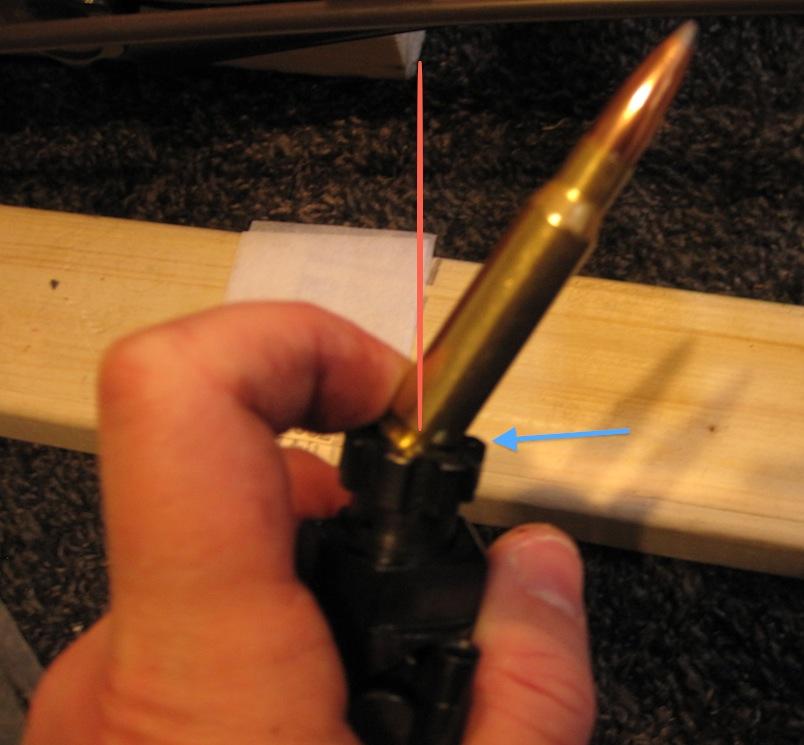
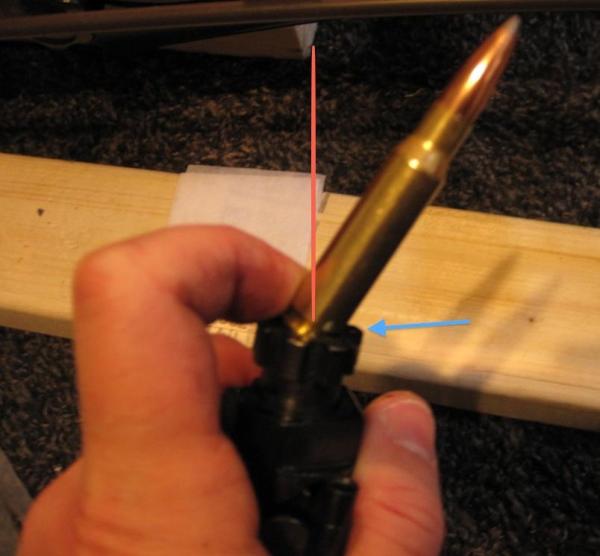
Yes and no. You've done a great job showing the differences between the two brands; but there are differences between all those individual parts. From my understanding of what @jtallen83 was suggesting about bad springs... That situation only applies to a known good extractor with a spring system that failed. I don't see a reason to suspect the springs are actually an issue here in the failure to eject situation. What you did replace was exactly correct (you have a good extractor and good springs now). The question left in terms of this new PSA problem is whether the ejector claw they ship is actually binding on the brass. I left my ejector in the bolt for ease of testing and photography; but you can do the same test with just the extractor clip in your fingers. You're looking for any kind of binding or grabbing of the brass by the edges of the extractor clip (or the middle for that matter if any of those other cuts are wrong). Here is an out of focus picture of what that test looks like when mounted in the BCG/bolt. Clip the cartridge in at an angle and press into the ejector (takes some force). Then allow the cartridge to spring back slowly. If it feels fine, do it again and let the cartridge try to release itself and fly out. My suspicion here is still that the claw isn't the right shape to allow that release. With just the ejector clip outside the bolt you would only rotate the cartridge from vertical to the 15-ish degree angle and feel for binding. If the claw is wrong it will fight the cartridge lip and hold on in a bad way; likely even mark the brass. What you've done here already is a huge help; just curious to hone in on which part is really broken when the next person with a PA-10 FTE comes along.
-
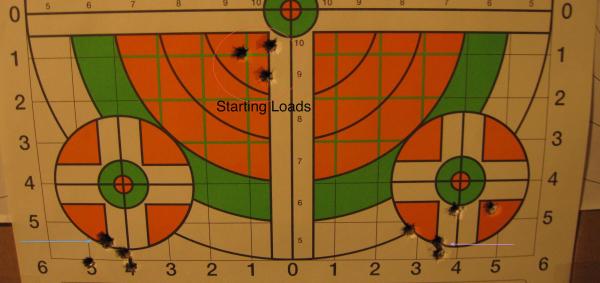
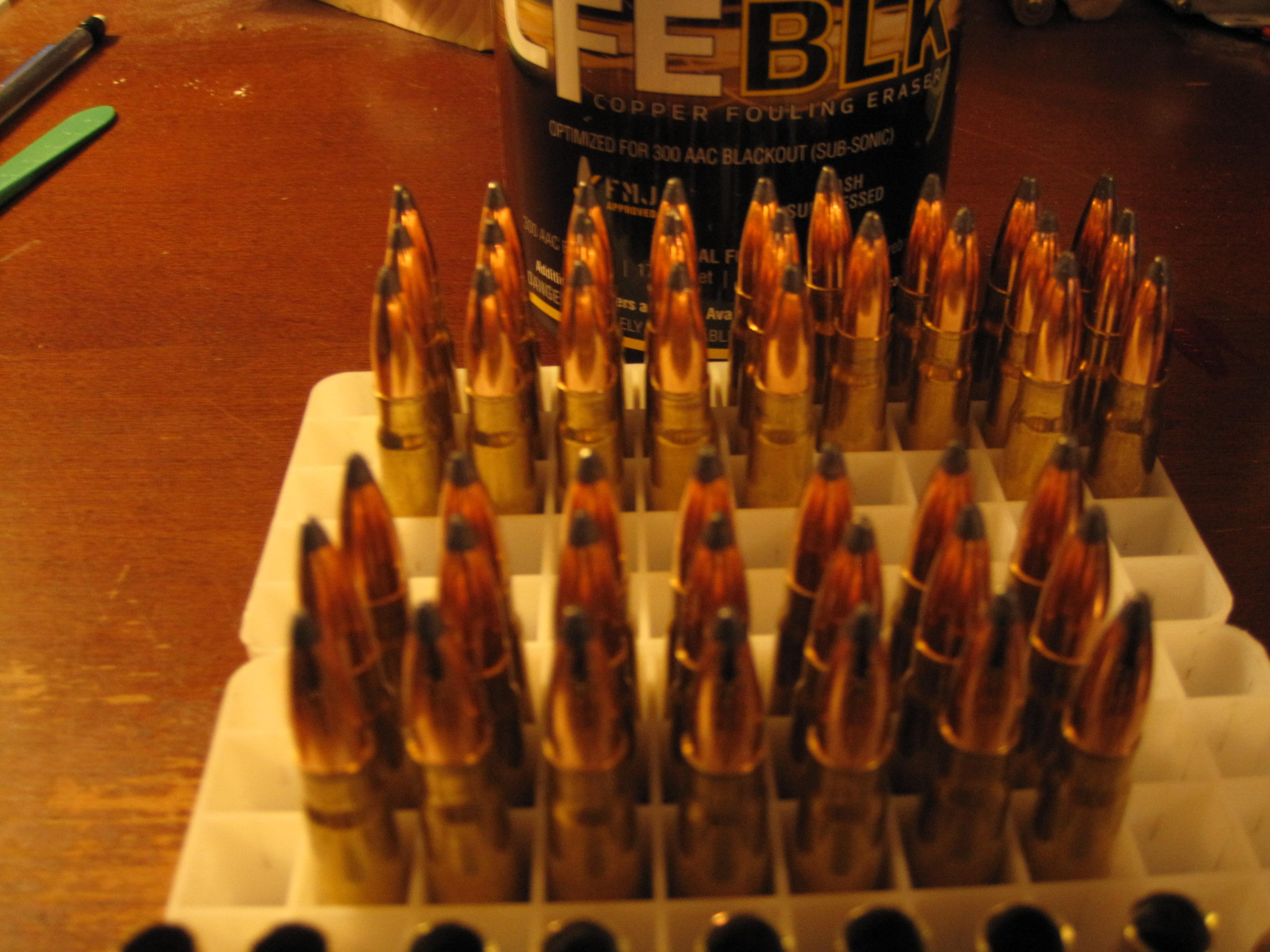
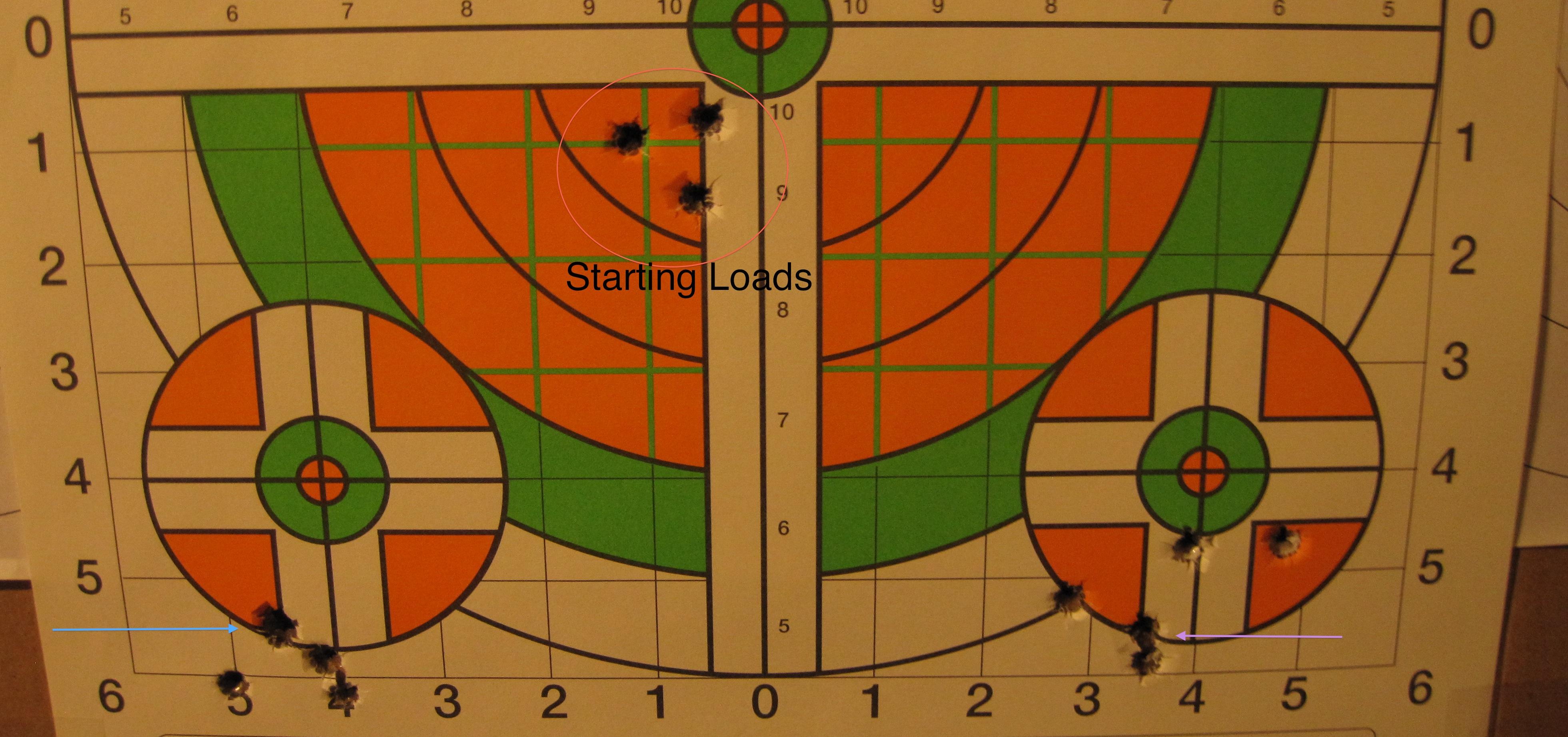
A little bit unconventional in terms of technique; but here is what I did get to shoot today while the weather was nice. These are 150 grain Speer Hot-Cor reloads. First three shots are the minimum load from a clean cold barrel. Then I went bottom left for the first five 0.1 grain ladder loads. After that; right for the next five 0.1 grain ladder loads. If other theories are accurate in this matter; the two loads that fall close together/in the same hole are candidates for an OBT node. There should be an observed flatline in terms of powder charge in these loads; in that the actual charge weight doesn't matter much (agreed upon by many sources). Notice how the left and right potential nodes fall in roughly the same place away from the point of aim? Clearly I need to adjust my scope for the next session; but this looks pretty good from my point of view. I shot this way because I was short on time; but it also helps conserve projectiles in early testing. There are only two points I'm looking to explore here; and then there is still another nine loads before I hit the max charge weight for CFE BLK. Next time I go out; similar situation. Three of each charge weight in the range that matters. Clean cold barrel; first three min loads as fowlers. That will be 33 rounds which should point out one or two good loads. Then the same for the nine heavier loads left in this powder (before max load, another 39-42 rounds in total). That will give me decent experimental data on the new barrel with reloads; seeking empirically discovered nodes. This is a powder I can't classify based on simulation. This is the only way I will be able to compare to OBT theory to CFE BLK; which I still can't do until I obtain powder suitable for simulation, and bring out a chrono to characterize those results. I'll probably blow through a whole box of projectiles in this process; but that's totally fine. These were just what I found when I was placing other gun parts orders. I'll look for something match grade (a stretch in 303 caliber) for the next purchase assuming I find solid accuracy nodes here. This is a crossover from the 21.750" 300 blackout discussion if anyone is confused...