
Lane
-
Posts
1,042 -
Joined
-
Last visited
Content Type
Profiles
Forums
Downloads
Gallery
Store
Everything posted by Lane
-
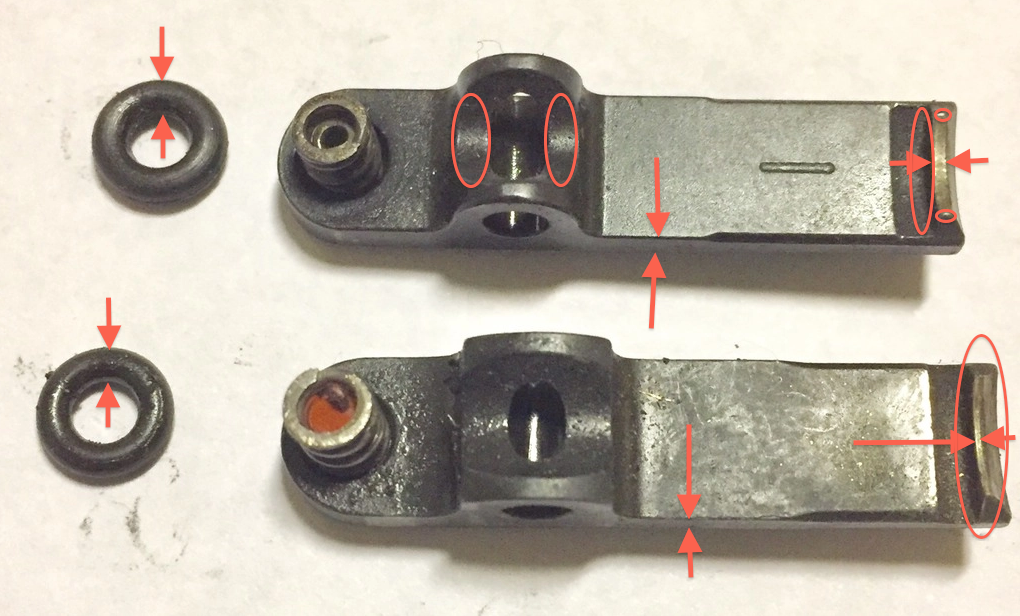
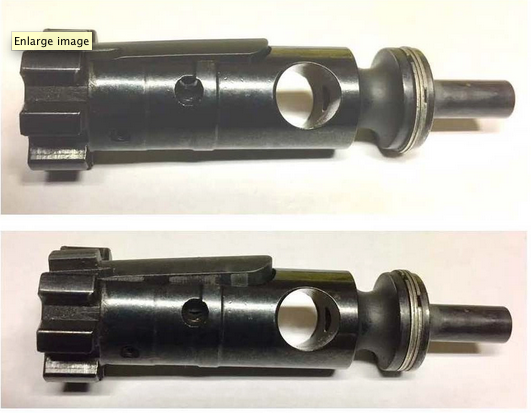
You're actually showing different extractors with different springs here. The comparison would have to be expanded to see what the real differences are. Same goes for the claw grip issue. The claw can be tested inside your hand (and bolt); and outside the gun. I am not discounting the fact that incorrect springs could hobble extraction, but there is no way to know which if the claw grip is not tested both ways. That's why I'm still curious.
-
Lane's: jtallen83 inspired 21.750" 300 AAC Blackouts
Lane replied to Lane's topic in 300 AAC Blackout
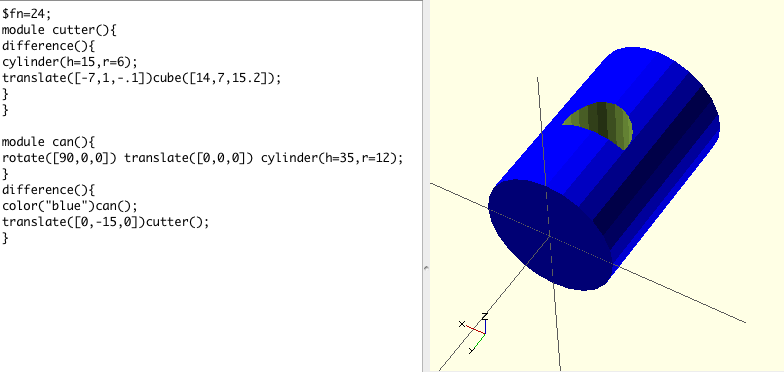
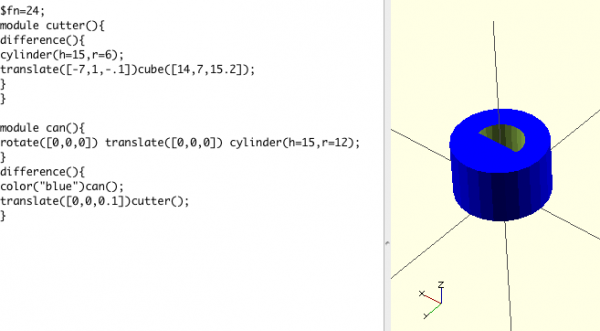
Two variations of easy to build blinders for the @SimonSays inspired radio chrono build. The reason for two designs is that I'm not sure how much clearance I will need around the circuit. The specs state a minimum of 1cm; but I may be better off with an inch or more. I might as well do some testing if I'm going to be outside. I should be able to watch it with a handheld SDR without having anything more than power wired to the units. It will also be interesting to see how close in frequency a pair of them operates.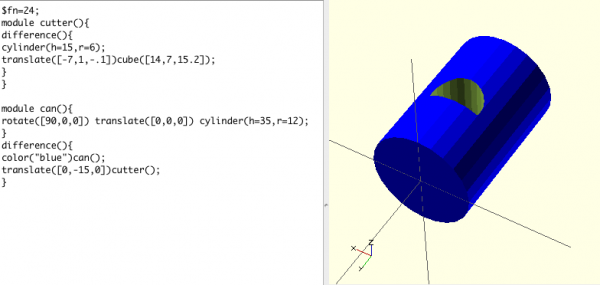
-
Lane's: jtallen83 inspired 21.750" 300 AAC Blackouts
Lane replied to Lane's topic in 300 AAC Blackout
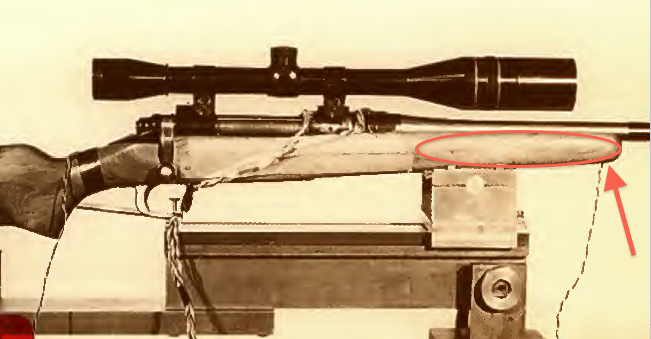
Circled back over some of Harold Vaughn's book "Rifle Accuracy Facts" which appears to have been scanned by the Army Research Lab in MD, and is available through archive.org. Here is a link to the .pdf with images; it is available in about a dozen various e-book formats if you google it. https://archive.org/download/RifleAccuracyFactsFullV1.0FirstFullScan_201705/Rifle Accuracy Facts Full v1.0 (First Full Scan)_text.pdf I was most interested in matching his strain gauge setup, since he too was using an oscilloscope in the field. Turns out I was able to find some dual strain gauges with leads from a surplus supplier that meet all the specifications. That gives me five to install; and it saves me quite a bit of money (while maintaining the same or better accuracy). I also looked over the accelerometer more closely; and found some of those at reasonable prices as well. The trick there was to stay out of the digital offerings which simply aren't fast enough for this kind of work. Should be able to use the same 4 channel scope on the strain gauges and accelerometer(s), and it can even be operated remotely from the firing location here. Found some partial answers to some of my questions in terms of powder and bullet seating; but it will still require testing. I'll just keep taking notes here until the barrels arrive and work that into my reloading process. In the mean time; tomorrow is a nice day so I'm planning to load up some new rounds for 7.62x39 and .308 to begin tuning. I have a box of ladder loads for the .308 already, and making some for the 7.62x39 will be a priority tonight or tomorrow morning. The 7.62x39 will probably be the first to get a chamber pressure gauge so that I have some experience under my belt when I install them on the 300 Blackout barrels. It will also be helpful in calibrating based on factory loads I still have for that gun. Ordered a crow's foot since the barrel nut torques will be an important metric (and I have to pull everything I have to lap upper receivers). Can't really estimate on torque given all the rest of the complexity here. Only things left to order are loctite 609, more perma blue, and some miscellaneous parts for the second 300 Blackout build. I was planning to do a barrel swap early on; so I haven't even decided which is first vs. second. The one set of questions I can't find much information on is this stock contact/coupling issue (annotated below on Vaughn's wired up rifle). Is that going to skew the barrel length calculations for OBT, or the 21.750" theory? Vaughn actually talks about adding pressure to that end before bedding the barrel. That's still possible with a shim between the handguard and barrel in an AR; but that breaks the free floating design too. I really don't know which is more important in this case; and it may not matter at all if I tune with barrel end weight like Kolbe.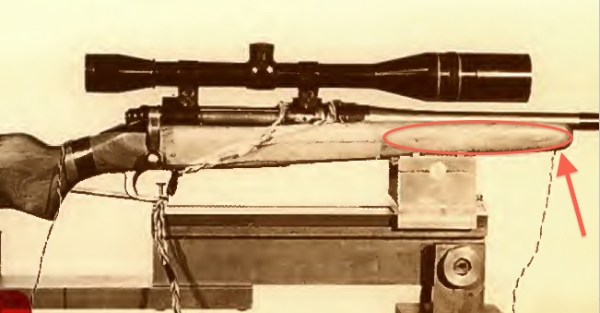
-
I should have added some more words to that question. How far is that from the last fall shoot location? My mountain shooting is the other way around. I'm in the flat part; shooting at anything on the hill that isn't obscured by brush or trees. Very much looking forward to seeing that green poop around here... @DNP
-
I want to talk about the gun porn, or the angles, or accuracy... But; I just can't get over the scenery. I haven't been to that specific part of the SW. How far is this from the Fall Shoot location?
-
What do you have on order or in the mail? Part 2
Lane replied to imschur's topic in General Discussion
AR-15 upper receiver lapping tool (thanks @jtallen83 ) and 300 Blackout headspace gauges from Optics Planet. Unfortunately it appears they double charged my card; charges were about 30 minutes apart. Annoying; but I'm sure it will work out when I call them in the morning. -
Lane's: jtallen83 inspired 21.750" 300 AAC Blackouts
Lane replied to Lane's topic in 300 AAC Blackout
Stopped at the local shop to grab some powder that was on my cross referenced list; not a single one of those choices were in stock. I don't even recall seeing more than one that worked for either 300 Blackout or 7.62x39. Midway has a free Hazmat sale; but I'm not quite to the point that I want 6-8 lbs. Too many other things on the list before I get to that point in terms of need. I have a powder that will work just fine for empirical observation; and simulation can obviously come later when I need to investigate Long's formula. I ordered a few other doppler radar sensors last week to round out the @SimonSays radio chronograph testing and builds. About a dozen units total across 24GHz, 10GHz; and the very cheap 3.2GHz (not doppler) for modification. Writing up a rough hypothesis was quite helpful in getting me to think through what I need to prepare for. It also helped remind me just how many different tests will need to be performed in what order. I've since come up with a number of other points that I need to work into that hypothesis. I've decided to pose a string of questions which will help me craft the methodology first; and then backtrack making suppositions about the outcome of each of those tests to craft the final hypothesis. I've added citations that I could remember off hand; there may be more cross citations than I recall at the moment. Much of the research I've read to date agrees strongly across many different points; these are the questions I still have left after the dust has settled. Does the upper and/or lower receiver in an AR significantly change the resonance at the muzzle end of the barrel (Mallock)? Does a handguard appreciably change that resonance alone? Can adding pressure between the handguard and bottom face of the barrel damp resonance effectively; or does it reduce accuracy by negating the free floating barrel design (Vaughn)? Does OBT effectively predict the appropriate load for a given barrel length (Long)? Does a barrel longer than 21.750" resonate more strongly (or wildly) than that reference (King et al.)? How full does a cartridge need to be to achieve high performance (accuracy); does it need to be compressed, or simply full (Vaughn, Long, King, etc.)? How close to the lands do bullets need to be seated for accuracy (between 0.010" back, up through press into the lands) (variation among King, Long, Vaughn)? Does tuning to observed OBT benefit from extremely tight measurements of powder charges (Lane)? Could a muzzle end weight be tuned much like a clock pendulum is adjusted to make any load meet OBT (Lane)? -
Lane's: jtallen83 inspired 21.750" 300 AAC Blackouts
Lane replied to Lane's topic in 300 AAC Blackout
Still need a few important parts for these builds; but much of it is already here. Considering options for the strain gauge (or bridge) connectors; 3.5mm stereo might be good choice for the best of both worlds, and mount easily in the handguards. I typically use RTV to keep wires strain relieved in high vibration environments; might want to go with black for concealment in this case. Found out there is a 1,000 yard range nearby that I drive past on a regular basis; only there are strict requirements for obtaining membership... There really is no sense building target rifles if I'm not going to compete, this seals the deal on that issue. Have a box full of clean cases for reloading .308 Win and 7.62x39 in preparation for this 300 Blackout project. I haven't settled on a distance from the lands yet. I see a lot of argument between deep in, and 0.010" back. There is an awful lot I can do with those rifles now in terms of collecting data, and working on the basic methods. There are a few nice days coming up again, and I should be able to hit the local 100 yard range pretty soon. I have a good feeling these 300 Blackout barrels will be shipping this week, if not arriving. I have hardly prepared for that; but can assemble one right away. The one thing I'm seriously lacking is the upper lapping tool; but I don't see too much harm in doing a barrel test and swap before the initial lapping process. I do want the strain gauges installed for that swap test though; so that is a priority. I have not decided on an accelerometer yet. I found a few more options in piezo around the $150-$200 range; but really want to be sure of my choice. I only plan to buy one, and move it around as needed. That also requires the mount be calibrated with a test weight, since that type of observation will absolutely disturb the barrel resonance significantly. Kolbe goes through those calculations though; and it wouldn't be difficult to estimate either. Designed a .223, to 300 blackout conversion jig (for cutting). I'm not sure if I'll be able to do a whole tray of 50 at a time. I'm planning to start with a single row and then expand based on my experience. Haven't had a lot of fun time recently; trying to bank it up though, considering the depth of this project. Brief (raw) summary of the hypothesis: The 21.750" barrel length doctrine seems like a stretch given the amount of other research surrounding the Houston Warehouse experiments. On the other hand; there may actually be some breakpoint in barrel resonance that confirms a similar length based on excessive feedback. It is entirely possible that a barrel much longer that 21.750" will feed back too much undesirable resonance. It is equally reasonable to believe that shorter barrels would have a significant deficiency in terms of accuracy. While I am unable to recreate, or test those exact guns; I plan to explore OBT theory against the 21.750" doctrine; while measuring the resonance with more modern technology. By swapping barrels, uppers, and lowers in the AR platform, I can tune external and coupled resonance, while monitoring those changes at the end of the barrel. All existing research points to the same tuning of barrel position in motion to bullet exit time (really in X, Y, & Z); but all sources generalize this to vertical motion in terms of accuracy. This aims for the exact same outcome that ladder load testing a tightly specified cartridge overall length will return (with good neck sizing of course); but with vibration and chamber pressure monitoring added for comparison to OBT theory. Process (raw unfinished): Establish a testing environment with repeatability, and data capture abilities (.308/7.62x39). Cut a 24" 300 AAC barrel while monitoring results vs. the reference 21.750" barrel build. Swap components to determine effect on resonance to whole system. Cut down below 21.750" to search for a decrease in accuracy that grows with further barrel length reduction. The Shot Timer will be employed for every one of the tests as a matter of course. I am aware of a timer rollover bug around the 72 minute mark that I need to address. I also need to work out the absolute accuracy of the timing loop to determine how accurate the recorded data is. I may need to round up, or add another digit as development winds down. -
Very nice looking rifle sir. Who needs a magazine? Just drop one round in at a time and get shooting! What kind of magazine are you considering? I'm not sure where you live; so you might have a lot more options that I do. Often I buy the magazine before any rifle parts; sort of a symbolic purchase to commit myself to the rest of the build.
-
Thank you sir. I am pretty sure that will fix at least one of my builds around here. I didn't realize my spring was different in that case. I'll check everything I have once I'm ready to get dirty. Much appreciated as always.
-
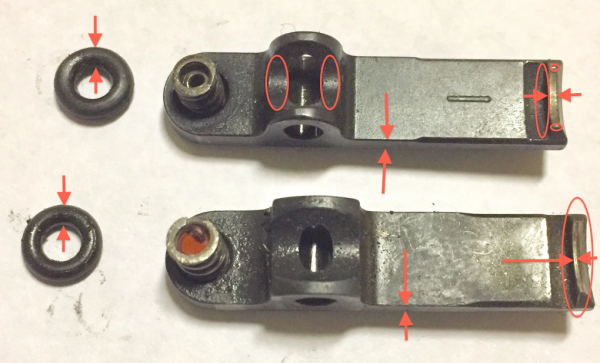
Everyone else here has great experience and thoughts on this matter; I hope you don't regret fixing your gas tube. I neglected to mark the angles of the front and back of the ejector lips; but those are also very much suspect too. Hope this makes sense, or helps along the way.
-
Can you try a .223 or 5.56 cartridge against the extractor; or compare an extractor from an AR-15? That still looks like the wrong component entirely. I had a much worse situation with an o-ring under compression; but for different reasons. That video I linked earlier talks about testing ejection with the bolt or BCG in your hand. Feeling it out is the way I test that kind of thing. Not sure what your goals are here; but you are well on your way no matter what.
-
SimonSays had a point here still. That radius isn't right in any light. There are so many variables here that, I can't even recommend trying to fix it other than for the fun and education in the matter.
-
Almost finished filling the primer catch tube on my Lee press. Resized and decapped every single empty brass case in the house (over a few days). It's all in the wash now, I use Tide for this, and it seems to work well. Planning to collect and evaporate all the excess water in the hot summer so I can deliver it to the hazardous waste facility. I don't want that in my garden. Found boxes of reloads I forgot I had; even ladder loads for various guns... All that between serious work; sometimes watching the ice melt... But mostly working.
-
I have no reason to doubt jtallen83's experience. I've had to mess with more than springs in that department. That o-ring also looks significantly larger; but the cut on the Palmetto extractor is significantly different than the Fulton. The shape of the grip is very different on both front and back. There may also be thickness issues at play here.
-
98Z5V posted this for me a while back in reference to a similar problem. Look at the edges and contact faces (inside the cup). "Check this:"
-
Sounds like the tits on this one after all (the edges of the extractor clip). I've only ever had to polish those to protect my brass. Seems like you might have to go a bit further; I've seen this referred to as "shark toothing". Not sure how much you have to take off your extractor to get it right. Just be careful not to shave the wrong area, or go too far...
-
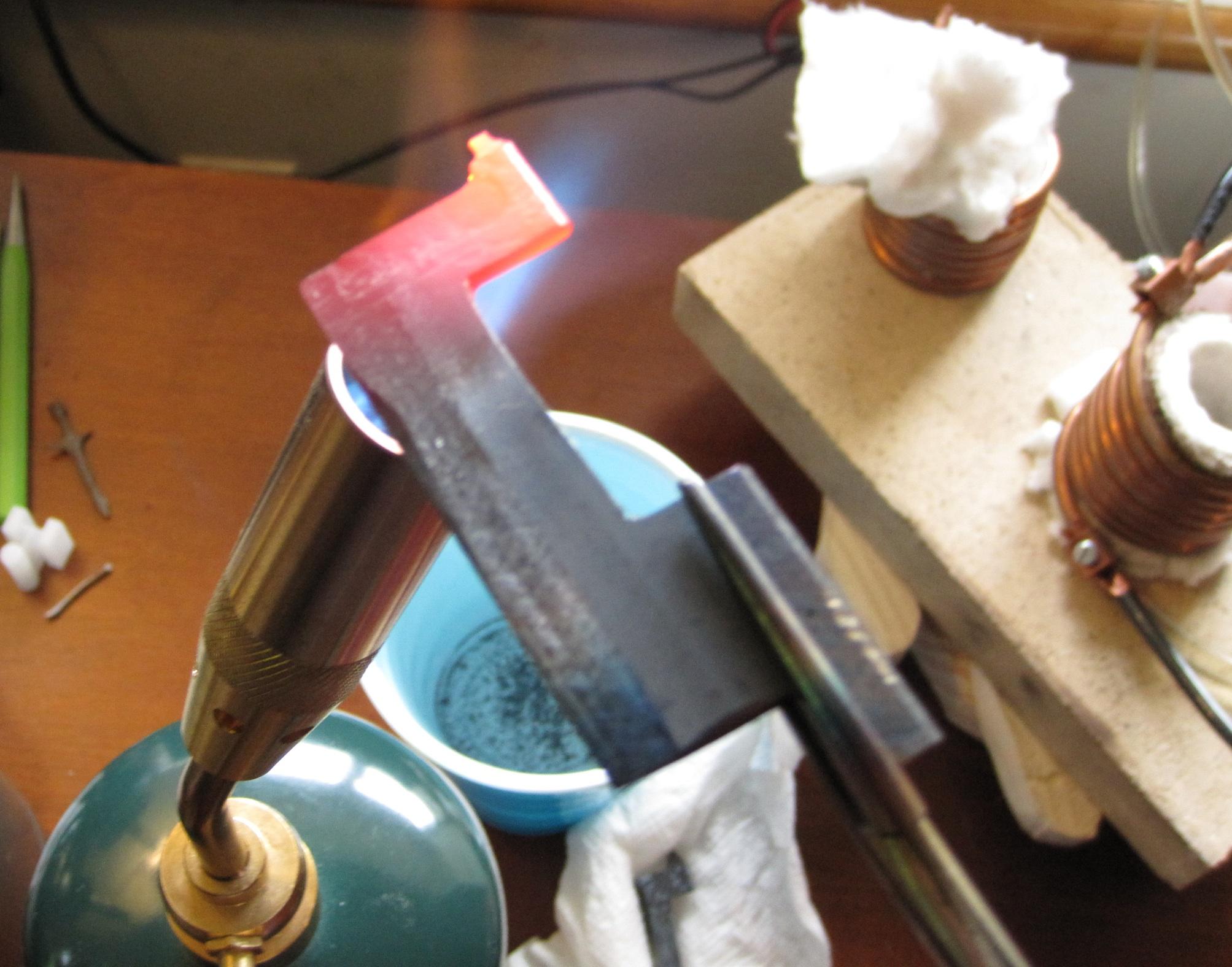
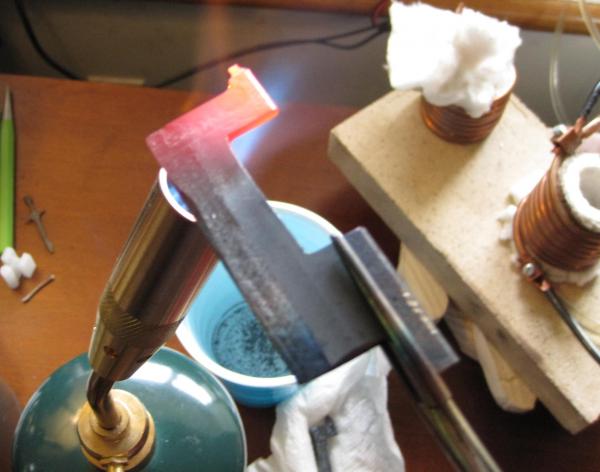
That looks great! I agree that the other style would be unnecessarily difficult to fabricate. Do you have enough clearance for the barrel nut in there; or will you need to chop off the front end of your vise blocks? I've never crushed an upper in the vise myself; but apparently some other people have. Take your time, and don't torque the upper in the vise too hard. It needs to be secure enough to torque the nut obviously, but you don't have to go wild on it. You should actually have some advantage in that department given you are clamping the vertical instead of the horizontal. I had a great time with my first .308 AR build; and it looks like you are too. I got a lot of help from the great people around here along the way, and (unfortunately) got hooked on building ARs. Some say it's a sickness... But I get a lot of satisfaction out of the process, and each build becomes very personal; these are MY rifles... I loved the way you tried to make a crows foot right out of the gate. If you get bored before the new crows foot arrives; you should try to heat treat the old one (even if you don't bend it back, and you don't need to use it). It should take you less than two minutes start to finish. Here is a look at selective heat treatment I did on some 1/8" steel. Yes; a plastic solo cup is fine for the quenching if you don't drop it in. Your tool might be large enough to require a bucket though. Have fun.
-
Lane's: jtallen83 inspired 21.750" 300 AAC Blackouts
Lane replied to Lane's topic in 300 AAC Blackout
I read up on the @SimonSays inspired radio chronograph this morning while I was trying to fall asleep. While I have not done any physical testing yet; the concept does have legs. It will require a minor modification to the circuit interface, appropriate RF blocking (something like a horse blinder) for each unit, and some sort of analog interface. I haven't decided if this needs to be a microcontroller build, or something more old school to count the time between "gates". My only concerns left are about how well it will detect small projectiles (like .22lr), how far away from the sensors one can shoot, and the amplitude as well as width of the disturbance to the radio circuit is in time. Good minds have looked this particular sensor over and offered strong proof that doppler radar is not involved. I also didn't realize it was 3.2GHz; which is well in the realm of watching with a software defined radio for testing. When I get to that point, a slug of metal (perhaps half the size of a .22lr) on a wooden dowel rod should give me a reasonable look at how far away the sensor can detect projectiles. Got a call from Compass Lake Engineering today. I was quite sure that was going to happen when the fabricator saw my specs. His comment at the end was, "you New Yorker's got it bad". I didn't offer up too much more information other than an explanation of the 21.750"; and that this was really for fun. Sounds like they will be loaded up for fabrication today... So I'm going to need to button up my other work around here very quickly... -
Welcome from New York State. I'm not totally up to speed on Canadian laws; but is that a full featured semi-automatic, and that is not restricted because the barrel is long enough (etc.)?
-
Lane's: jtallen83 inspired 21.750" 300 AAC Blackouts
Lane replied to Lane's topic in 300 AAC Blackout
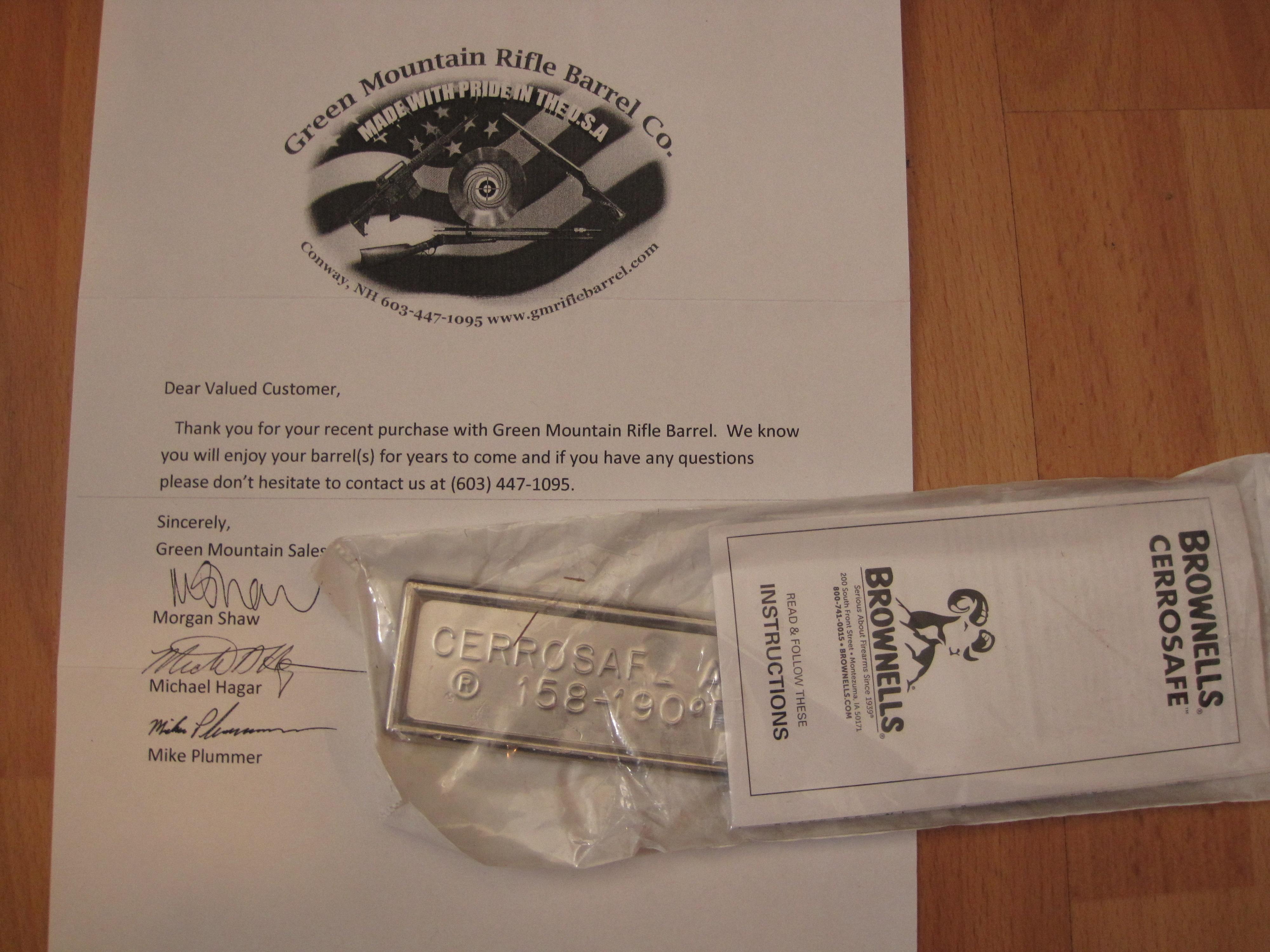
Barrel blanks are at the fabricator as of last Friday, and I got yet another thank you letter from Green Mountain Rifle Barrel Co. along with a sticker. They send it in the mail separately; but a truly nice touch in my opinion. Not to mention the fact that they drop shipped the barrels to Compass Lake Engineering for me, and still had the presence of mind to send the thank you letter to my house. Cerrosafe showed up in the mail today; chamber casting should be fun when that time comes...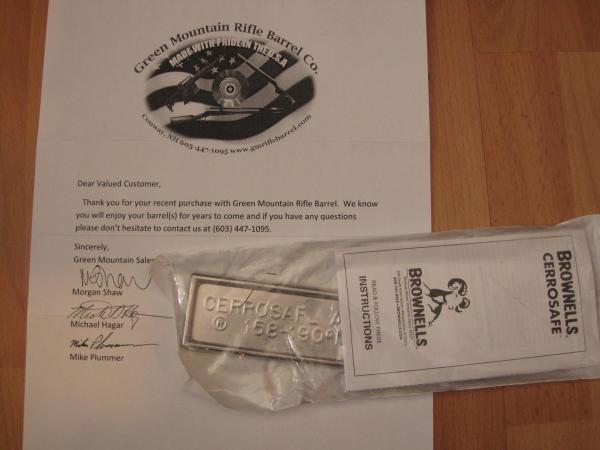
-
Do these count as freedom pants?

-
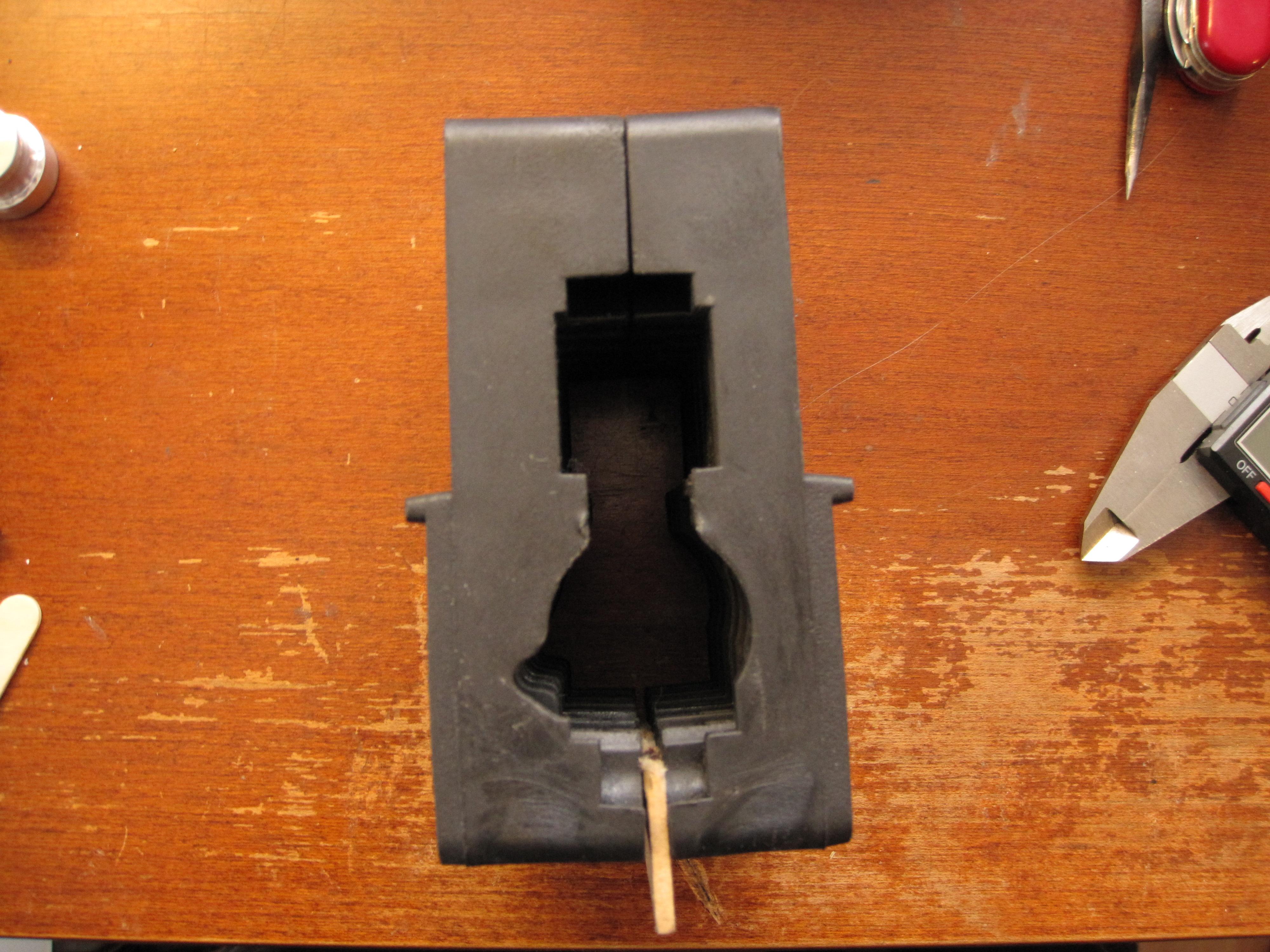
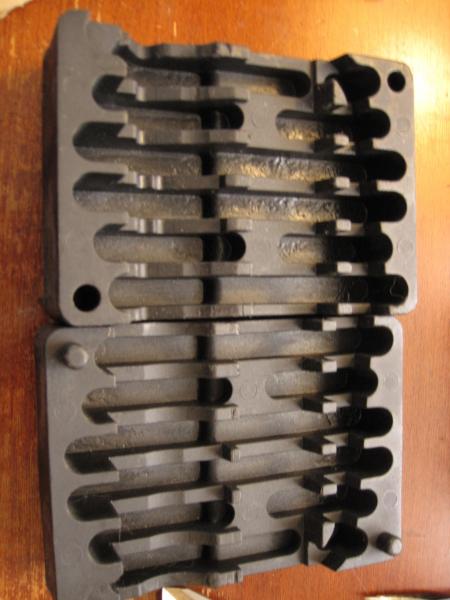
Sounds like you have this pretty well worked out. I've never seen upper blocks that work that way; but that appears to be a much simpler design to fabricate. This is what the upper blocks I have look like. They hold the upper vertically in the vise instead of horizontally. I have to shim with both AR-15 and larger .308 uppers. One shim for an AR-15, and two shims for the fatter 308 style uppers. Since you already tried no barrel nut shim; I would recommend starting with one the next time. If it looks like you're close; don't go past alignment on your second torquing. As long as you cross the 35 ft lb mark you can back off and shoot for alignment on the third torque. If you don't think you had it, go for the second shim and see what happens. On some builds I've had to do this a lot more than three times to get it right.
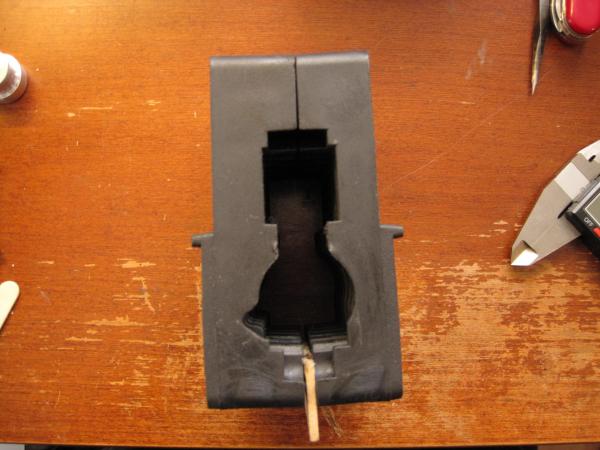
-
I keep reading this thread; and re-read the article a few times. I believe there may be a typo (or two/three); but that doesn't fix any of the real issue... I fundamentally don't understand how stopping gun violence has anything to do with the second amendment rights. How in the world can you say Levi's won the west; and then squash legal gun ownership? The west was won in a really disturbing way... He is really advocating for criminal gun use by even opening his mouth on the issue. It is non-sensical, and very sad. He looks old enough to know better in that picture... Are there any laws against a broad axe mounted to a gun? I think I'm in the clear here.
-
That; is something I would only carry concealed... And I would absolutely be weary of pulling it out even if the situation were dire. Rattle can that thing right away, and we might have a different discussion at hand.