Sisco
-
Posts
6,623 -
Joined
-
Last visited
Content Type
Profiles
Forums
Downloads
Gallery
Store
Everything posted by Sisco
-
My son’s idol as a kid. Sad loss, but he did’nt let anything stop him from living the live he loved.
-
Went the boat route instead. Getting to the point it is hard to get back up off a crawler. But I really admire fine looking machines like that. Not to mention GStephen’s Mustangs.
-
Nice! Dreamed as a kid of owning a Six Pack or a twin four barrel hemi.
-
nope don’t intend to do that. Saw a couple more today.
-
She hasn’t sent me flowers yet.
-
Like chicken, always like chicken.
-
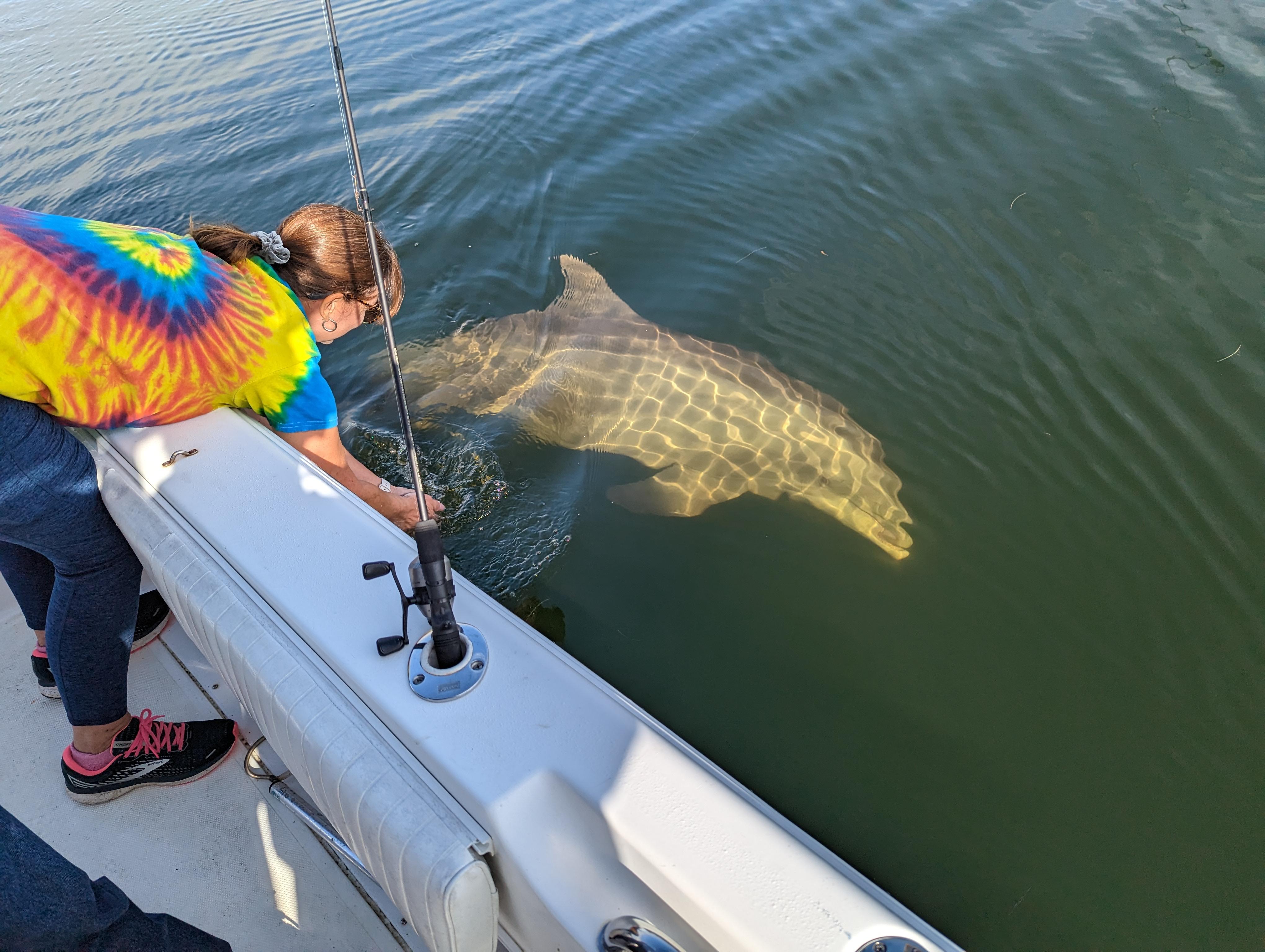
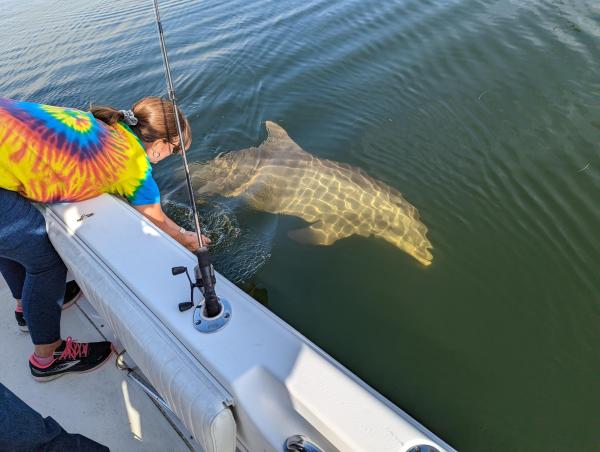
Had a neighbor join us for a boat ride.
-
Nice! Which engine is that?
-
Glad you had time to spend with her. That time in the long run is more important than anything else, it lifts her spirits and yours. I have lost more family and close friends to cancer then anything else. It sucks and all you can do is be there for them. Which knowing you brother, you always will be.
-
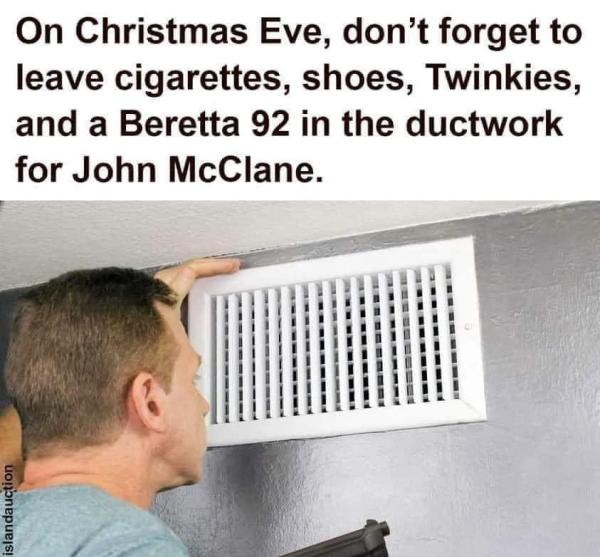
Great find! That was one nasty weapon he developed.
-
-
Yep! Didn’t stop me from raking the roof and running the snowblower though. Have a nice Christmas Day guys.
-
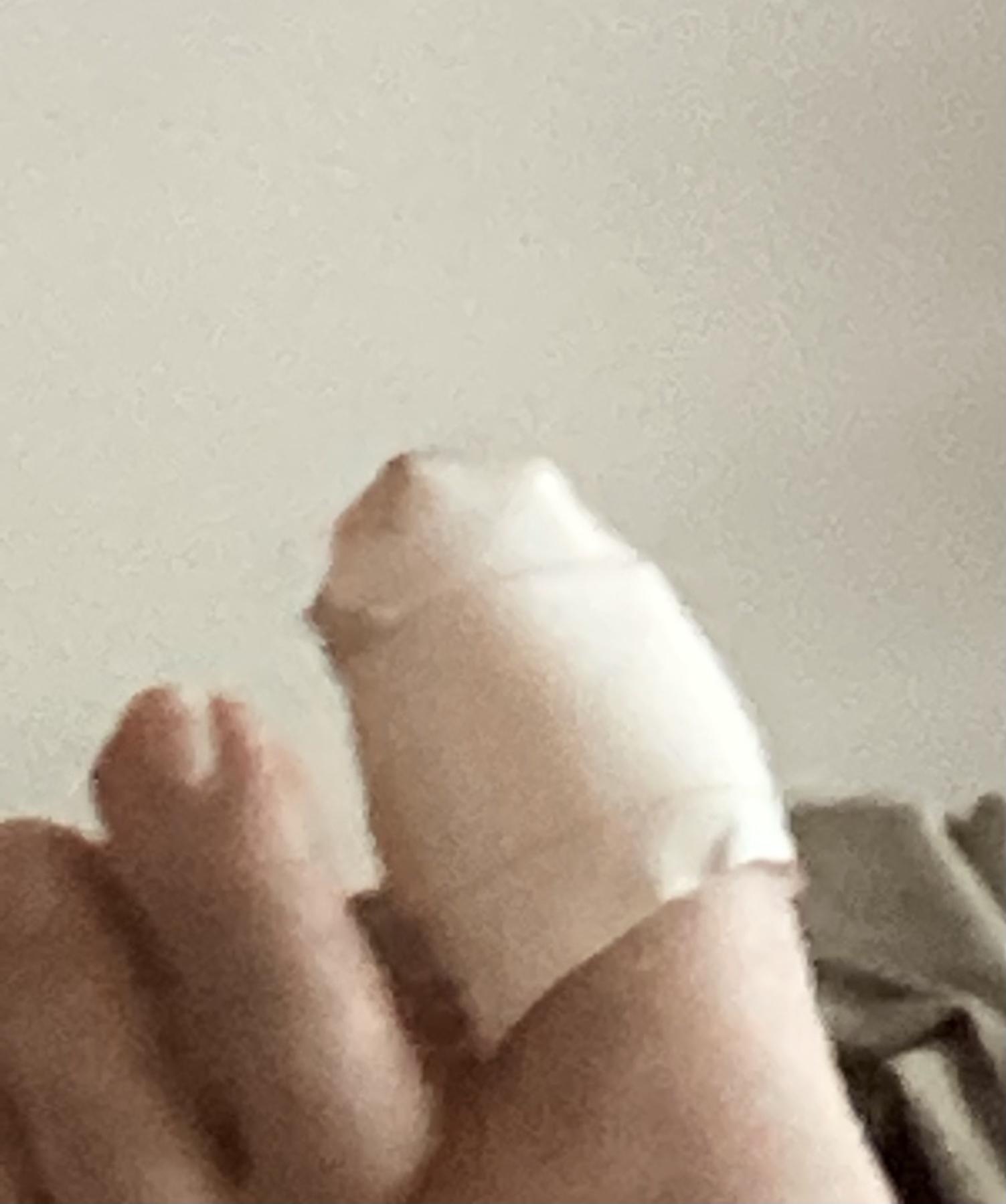
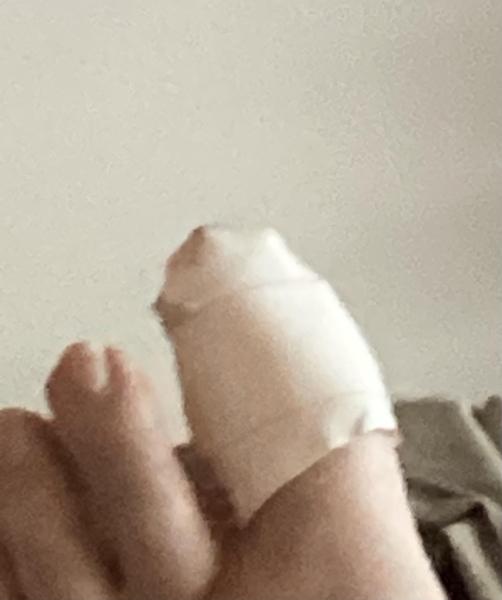
All bandaged up already as it was bleeding too much to stop and grab a picture. Slipped and smacked my toe on a stone ledge by the fireplace. Split it wide open. Finally quit throbbing two days later.. Lost the toenail right away.
-
Looking killer Shepp!
-
Merry Christmas to all of you. And a happy and healthy New Year as well.
-
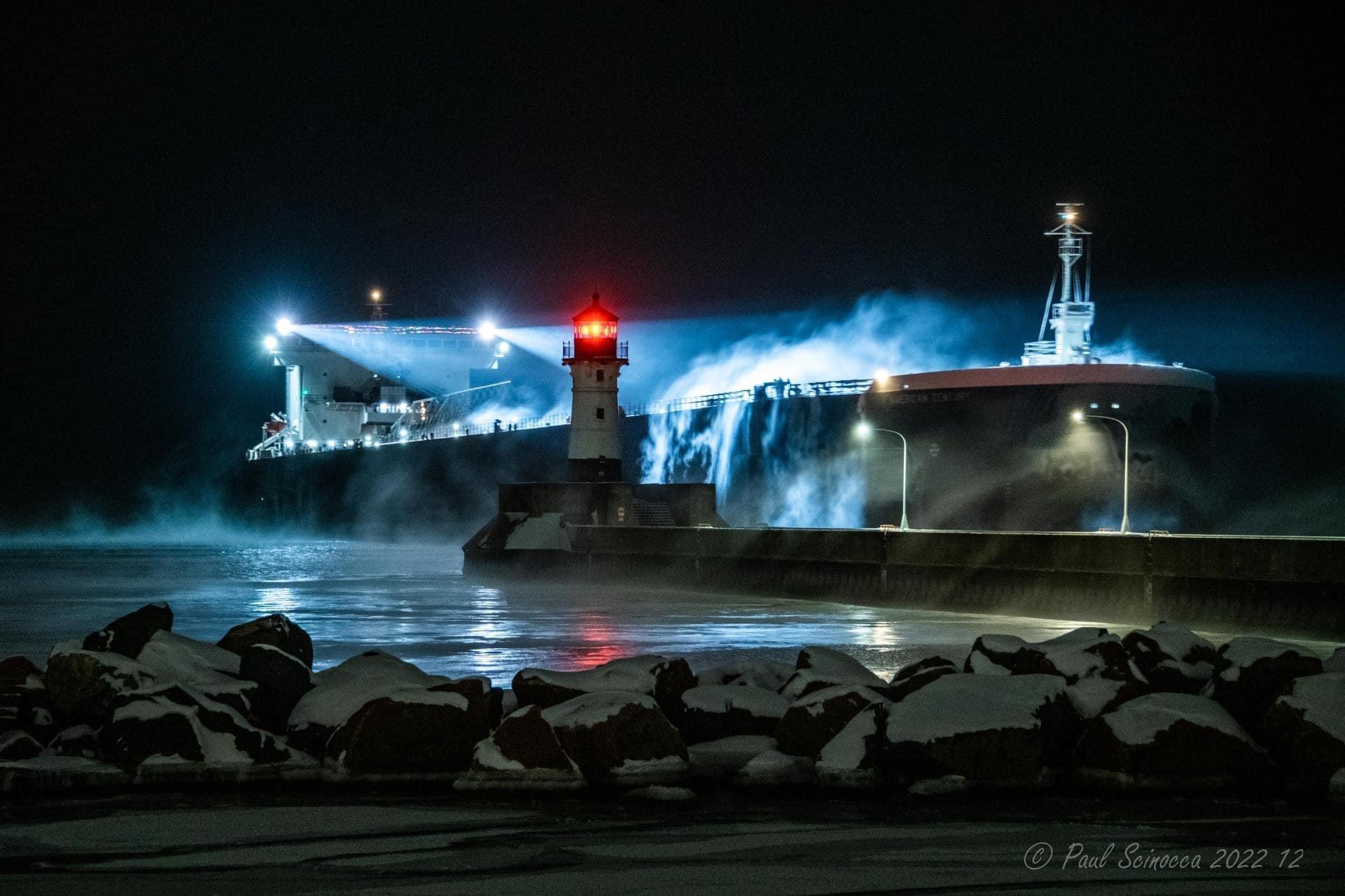
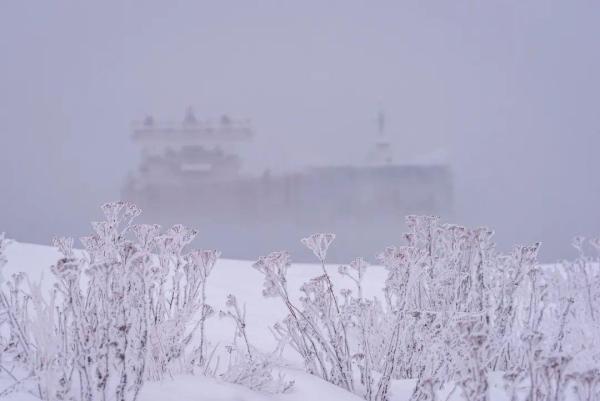
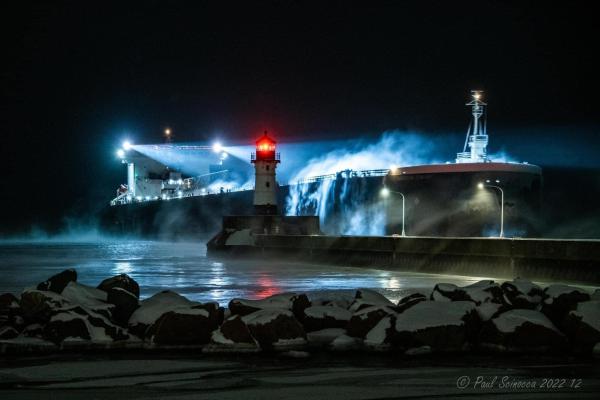
A pretty cool picture posted last night by a friend who works for American Steamship Company of one of their 1,000 foot ore freighters coming into Duluth last night in the blizzard. And another of it inside the harbor today.
-
Lunch today on a couple of pieces of sourdough bread.
-
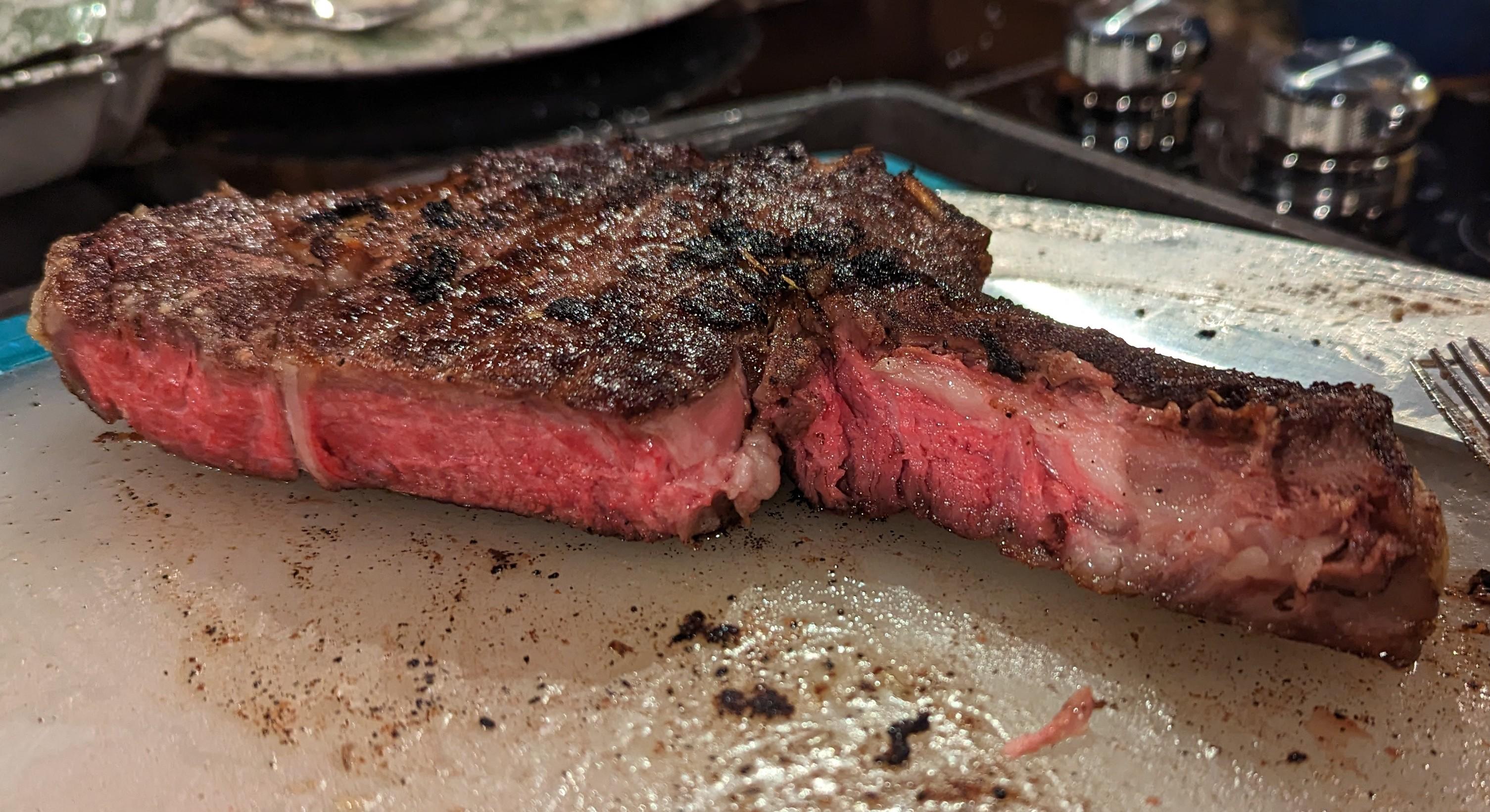
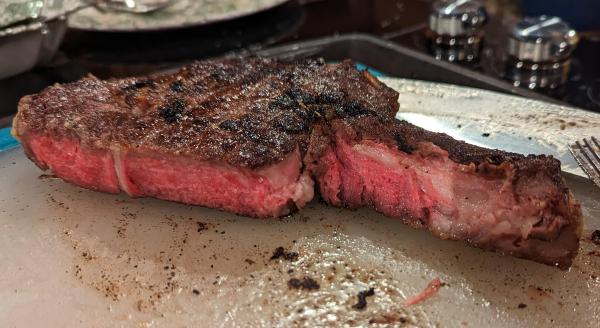
Too cold to grill tonight, so I reverse seared 2 Kansas City cut ribeye 240F in the oven for 40 minutes then seared with butter, rosemary and garlic paste in a cast iron pan. Leftovers.
-
I tested it down to 10F and it performed like a champ. Made cleaning easier also. Crud came off the bolt and action really easy.
-
That is completely understandable. Thanks for the input. The Afghans born in that area probably have lungs the size of elephants.
-
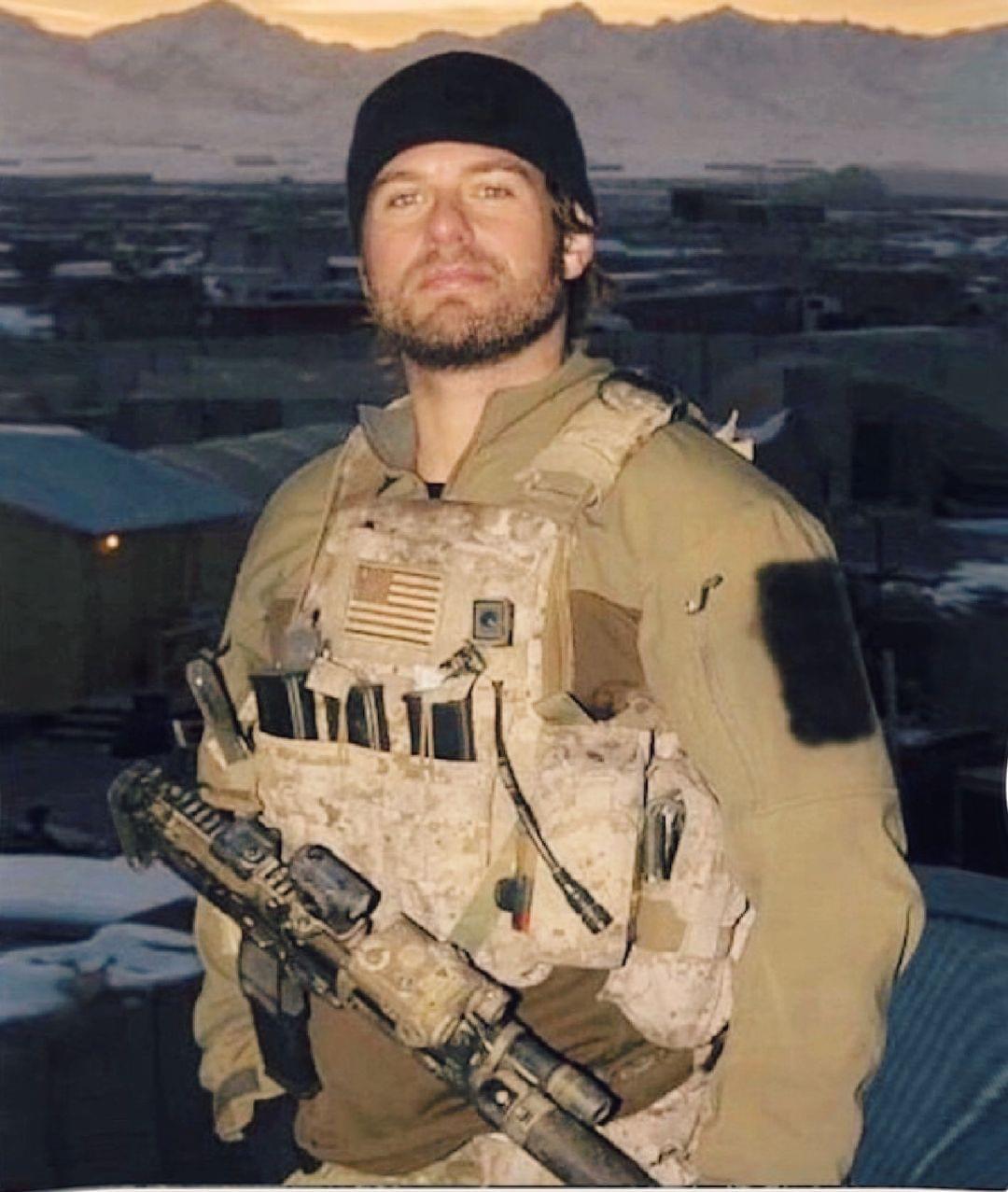
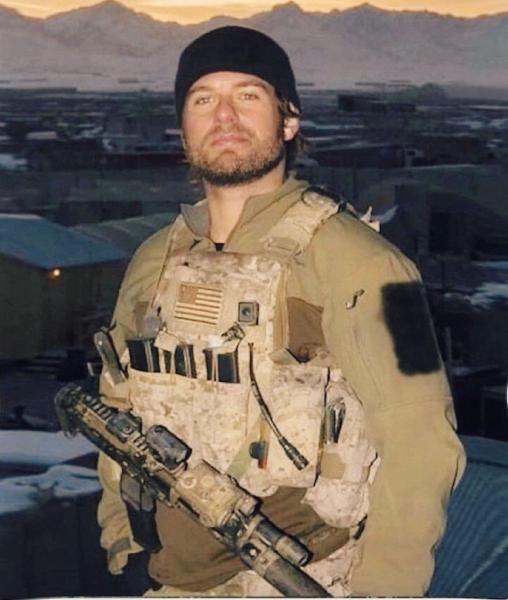
Navy SEAL Medal of Honor Hero Ed Byers December 9, 2012 Eastern Afghanistan: Edward Byers was the second Navy SEAL to burst through the door of the house where the Taliban was suspected of holding an American doctor. The first Navy Seal into the house was immediately hit by enemy fire and went down. Byers without hesitation rushed into the darkened room. Wearing body armor and night-vision goggles, and shot several hostiles with controlled bursts. Sensing bodies grabbing for him he quickly transitioned into grappling and held his own with two hostiles while calling out for the hostage. A voice replied from a few feet away: "I'm right here." Byers disengaged with the hostiles and dove onto the doctor to cover his body from the now fully engaged firefight commencing in the close quarters. With a free hand, Byers grabbed a nearby captor by the throat and pinned him to the wall and within a fraction of a second another member of the six-man SEAL team shot and eliminated the target dropping him from Byer's grip. By the end of the brief firefight, five Taliban wold be killed. "Anyone who's been in combat knows that in those moments, you either react or you get killed," Byers said recently, recalling the harrowing operation. In the chaos, the Doctor, aid worker Dilip Joseph, was rescued, and the SEAL team member ahead of him, 28-year-old Petty Officer 1st Class Nicolas Checque, the first man who entered the house died from his gunshot wound. Later that year, Byers, a member SEAL Team 6, stepped from the shadows — the unit operates covertly, and its existence often goes unacknowledged by the military — to receive the Medal of Honor while at the White house. Byers, 36, is the sixth SEAL to receive the Medal of Honor, and the eleventh living service member to receive it for actions in Afghanistan. But he doesn't consider himself a hero. That distinction, he said, belongs to the men who fought alongside him, particularly Checque. "The award was truly his," Byers said after the ceremony. "He was an American hero. He died a warrior and he died to bring back another American. I believe our nation owes him a debt of gratitude." The rescue operation began with the SEAL team hiking four hours over mountainous terrain to reach the compound in the Laghman Province, Afghanistan were the Taliban were holding Joseph, according to the official military account. Joseph said about the operation, that he believed the Taliban would have killed him if it wasn't for the SEALs. Checque was the team's point man, according to military officials. As the SEALs approached the compound, a guard noticed them. Checque shot him. He and Byers rush to the door, which was covered by layers of blankets. Byers began ripping the blankets away, and Checque went inside. He was immediately shot in the head by AK-47 fire. Byers, a medic from Toledo, Ohio, said that after leading the doctor, Joseph out of the house, he joined the others who were trying to resuscitate Checque, who was pronounced dead at a hospital. Byers has also received, two Purple Hearts during his years of service.
-
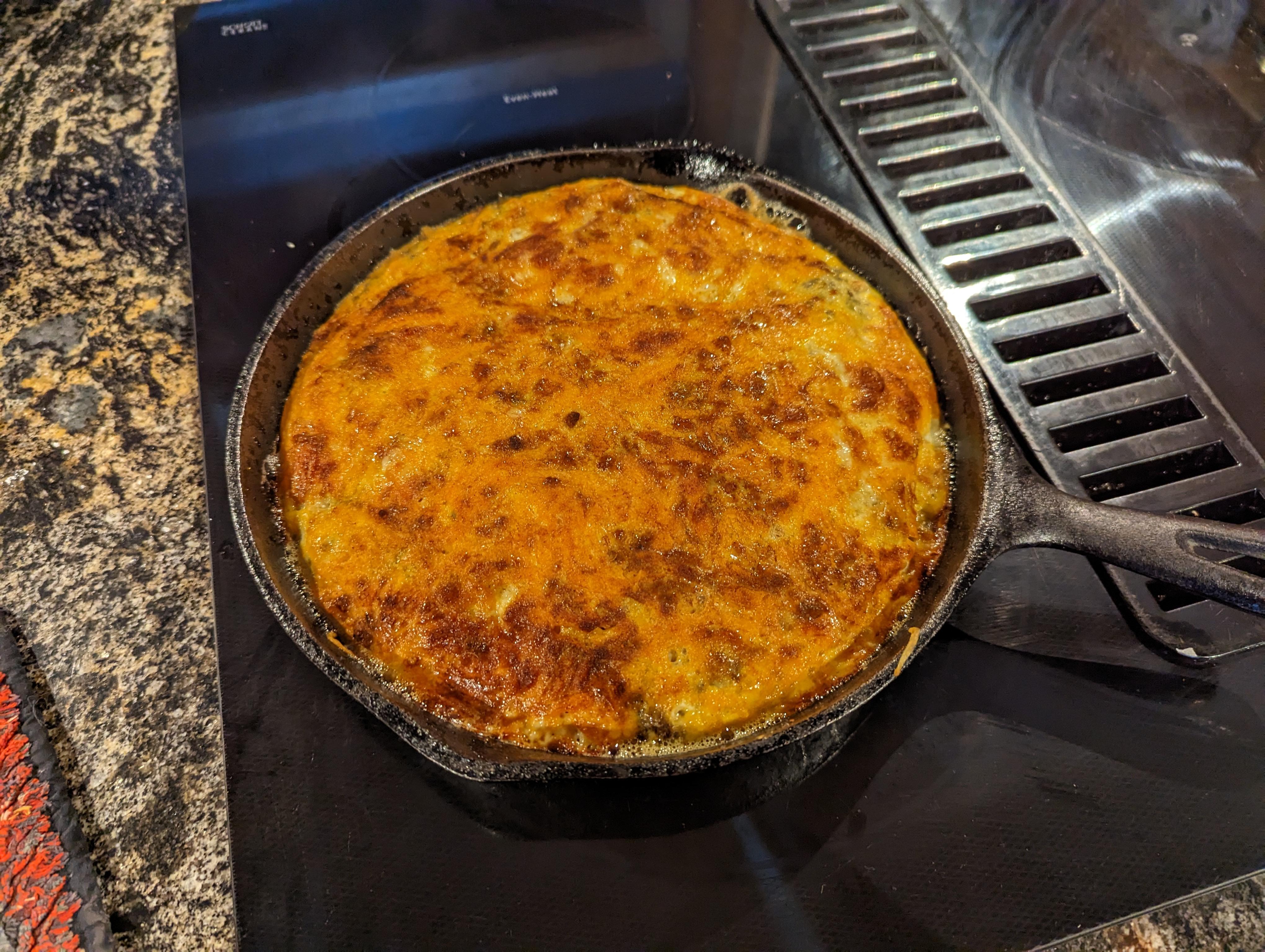
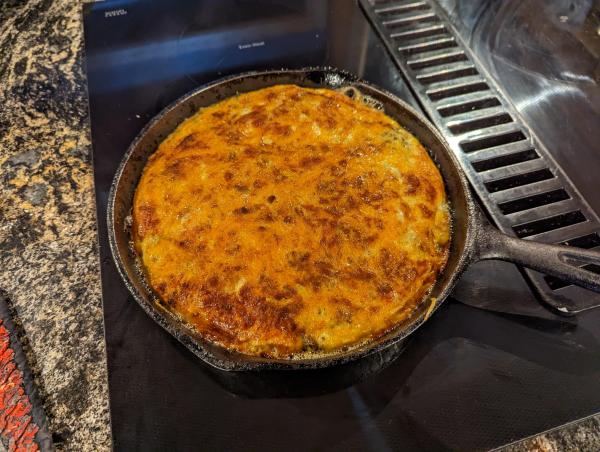
For you breakfast fans: 12 eggs, chopped up homemade bacon, breakfast sausage, salami, with grated muenster cheese on top. Baked at 400F
-
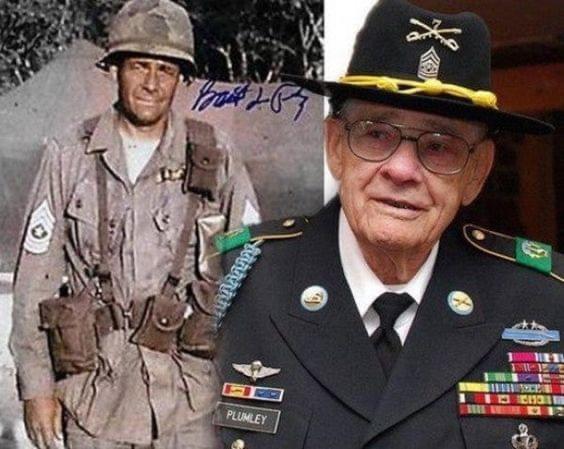
Command Sargent Major Basil L. Plumley: Basil L. Plumley, from West Virginia, is a legend in the U.S. Army for his exploits and was awarded a medal for making five parachute jumps into combat. Legendary American soldier who fought in World War 2, Korea and Vietnam and was immortalized in the book & film, 'We Were Soldiers.' In World War 2 he fought in the Allied invasion of Italy at Salerno and the D-Day invasion at Normandy In Korea he fought with the 187th Airborne Infantry Regiment In Vietnam he served as sergeant major in the 1st Battalion, 7th Cavalry Regiment. A native of Shady Spring, West Virginia, Plumley enlisted in the Army in 1942 and ended up serving 32 years in uniform. In World War II, he fought in the Allied invasion of Italy at Salerno and the D-Day invasion at Normandy. He later fought with the 187th Airborne Infantry Regiment in Korea. In Vietnam, Plumley served as sergeant major - the highest enlisted rank - in the 1st Battalion, 7th Cavalry Regiment. 'That puts him in the rarest of clubs,' said journalist Joseph L. Galloway, who met Plumley while covering the Vietnam War for United Press International and remained lifelong friends with him. It was during Vietnam in November 1965 that Plumley served in the Battle of la Drang, the first major engagement between the U.S. Army and North Vietnamese forces. That battle was the basis for the book 'We Were Soldiers Once ... And Young,' written nearly three decades later by Galloway and retired Lt. Gen. Hal G. Moore, who had been Plumley's battalion commander in Vietnam. 'To be combat infantry in those three wars, in the battles he participated in, and to have survived - that is miraculous.' This hero died of cancer in 2012 at age 92.
-
Thank you for sharing.
-
Not the old Genseo, Ill. Based Armalite, that is for sure.