
survivalshop
-
Posts
11,250 -
Joined
-
Last visited
Content Type
Profiles
Forums
Downloads
Gallery
Store
Everything posted by survivalshop
-
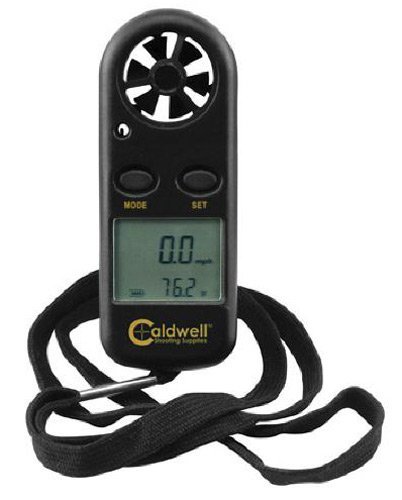
I use a Caldwell wind meter & it also has Temperature reading on it so you get both wind & Temp. at the same time & its recorded on my Chronograph data . The wind & direction are only written down when its over 10 mph or more . I think you can have two shooters & their Rifles & come up with two different results , like has been said , the rifle , Barrel , Trigger ,Ammo & the Human factor will determine the results .
-
Just up someones ally , just what someone needs . https://www.americanrifleman.org/articles/2017/12/6/remington-model-870-now-with-detachable-magazine/?utm_source=newsletter&utm_medium=insider&utm_campaign=1217
-
Replacement for Brass cases ? https://www.ssusa.org/articles/2017/2/13/goodbye-brass/?utm_source=newsletter&utm_medium=insider&utm_campaign=1217
-
Interesting article from the NRA news letter . https://www.shootingillustrated.com/articles/2017/12/6/m1-garand-vs-ar-15-which-is-americas-rifle/?utm_source=newsletter&utm_medium=insider&utm_campaign=1217
-

Army 101st gets the new SIG P320
survivalshop replied to survivalshop's topic in Firearm Industry News and Gossip
Newer article from American Riflemen news letter . https://www.americanrifleman.org/articles/2017/12/1/the-keefe-report-christmas-arrives-early-for-the-101st-as-xm17s-are-issued/?utm_source=newsletter&utm_medium=insider&utm_campaign=1217 -
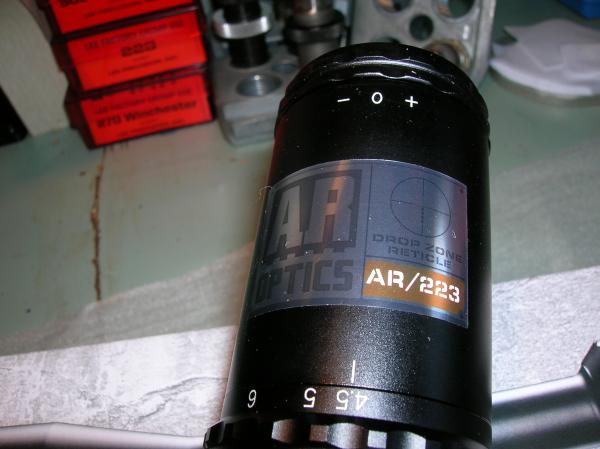
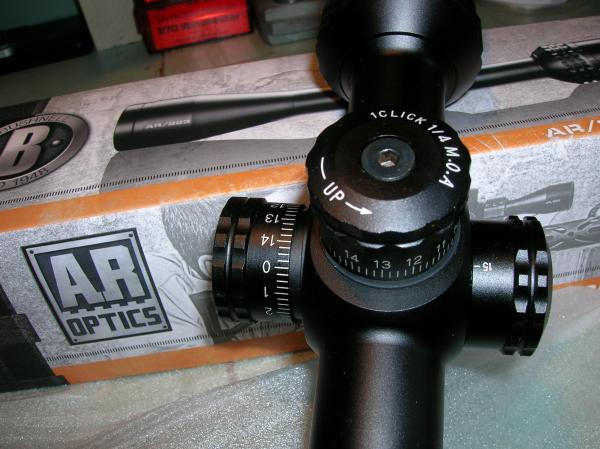
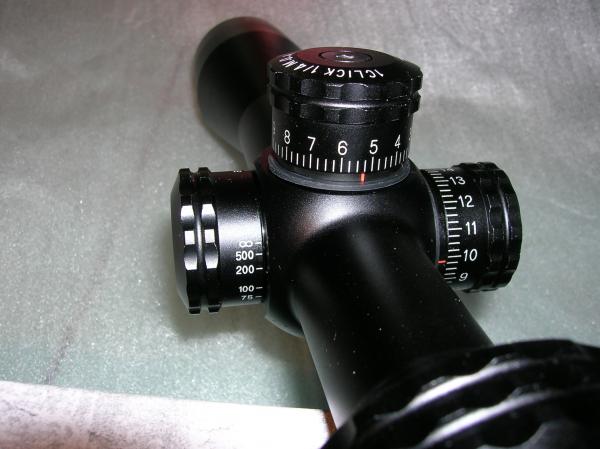
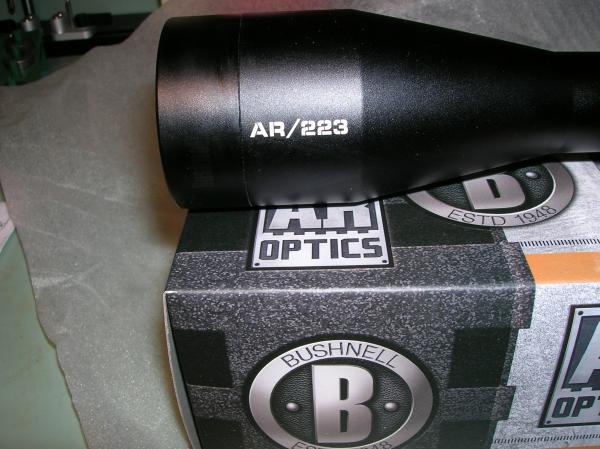
Bushnell's 4.5x18x40 Drop zone AR Optics
survivalshop posted a topic in Optics & Mounts, BUIS,Sights
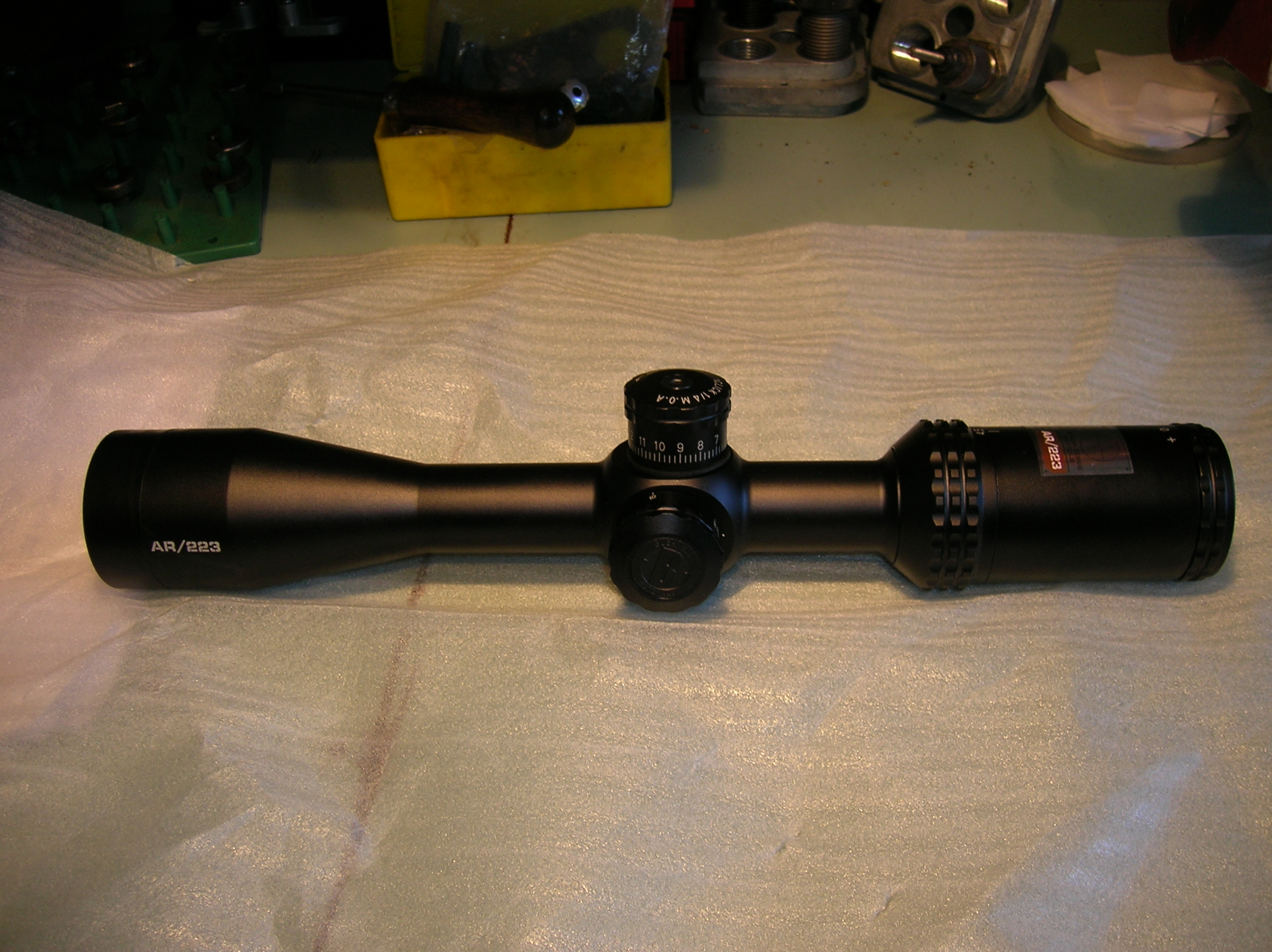
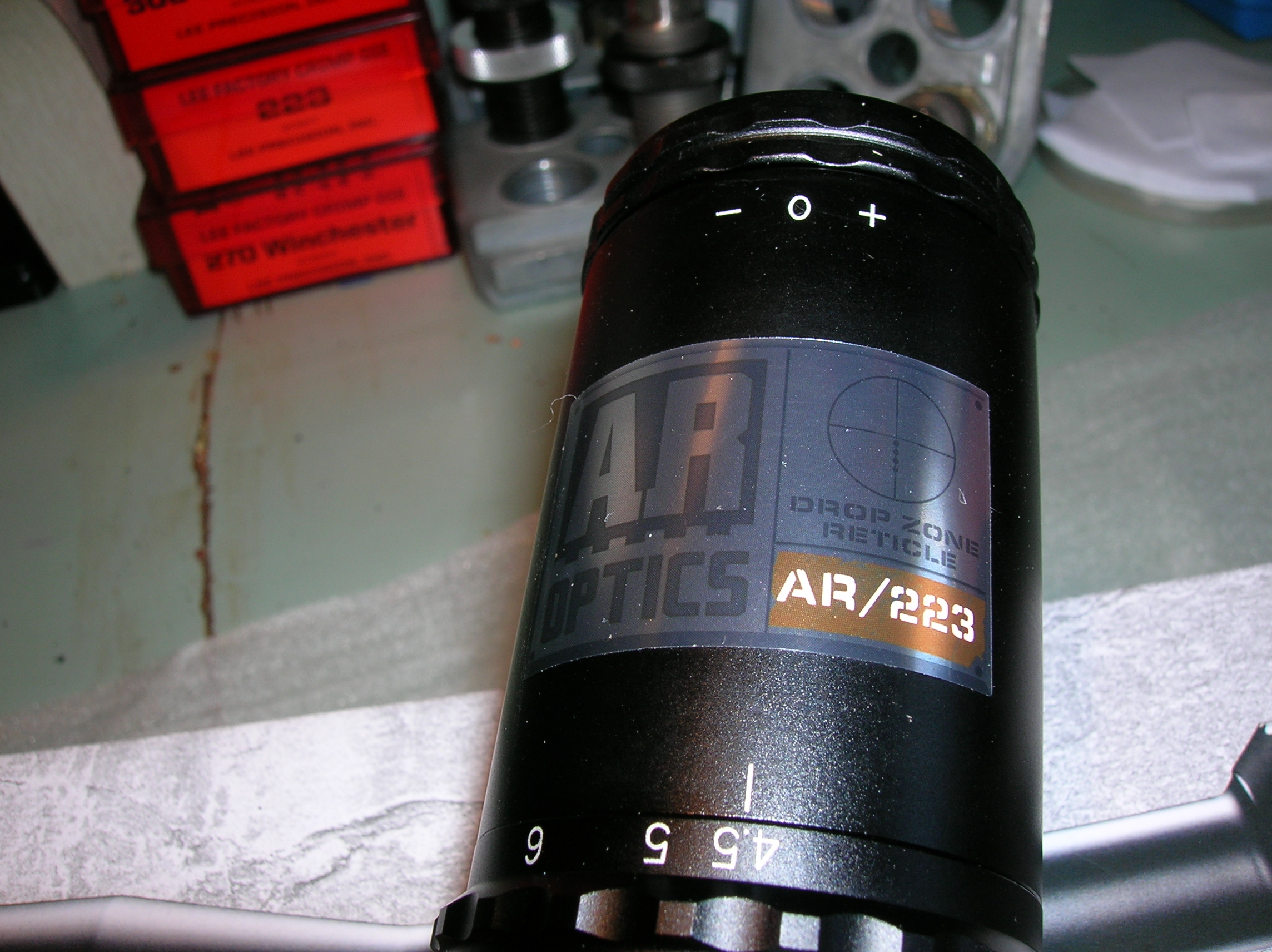
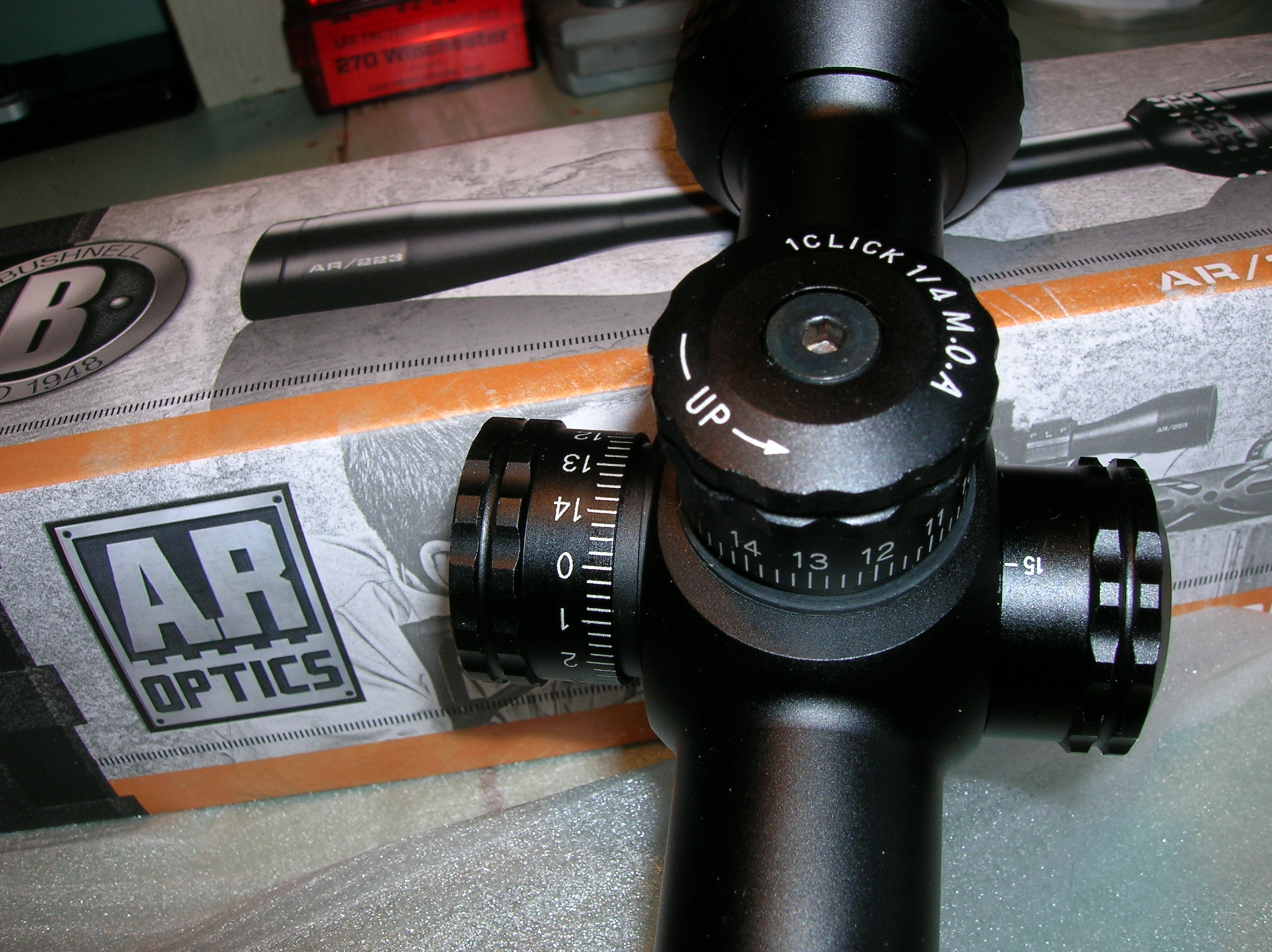
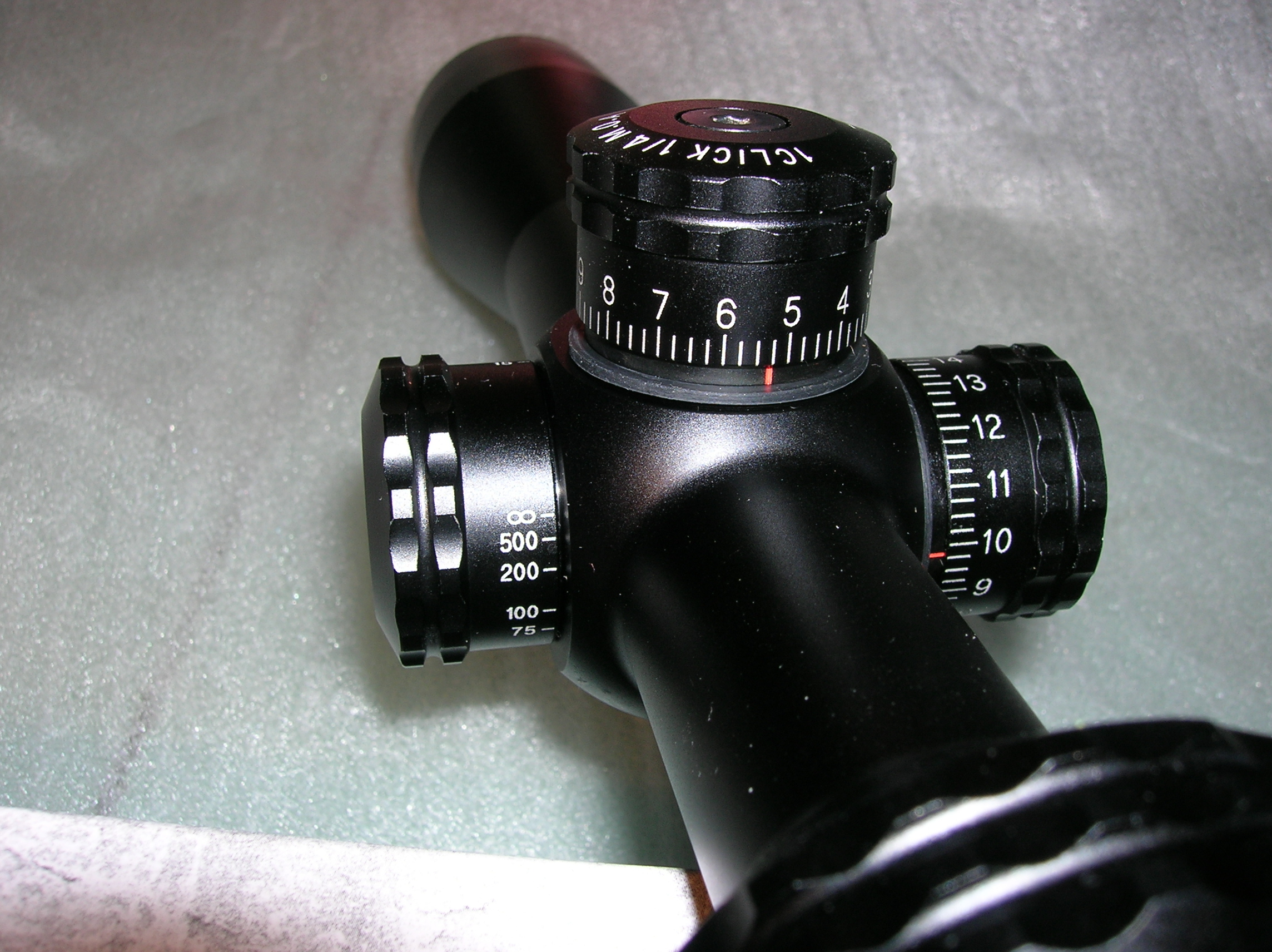
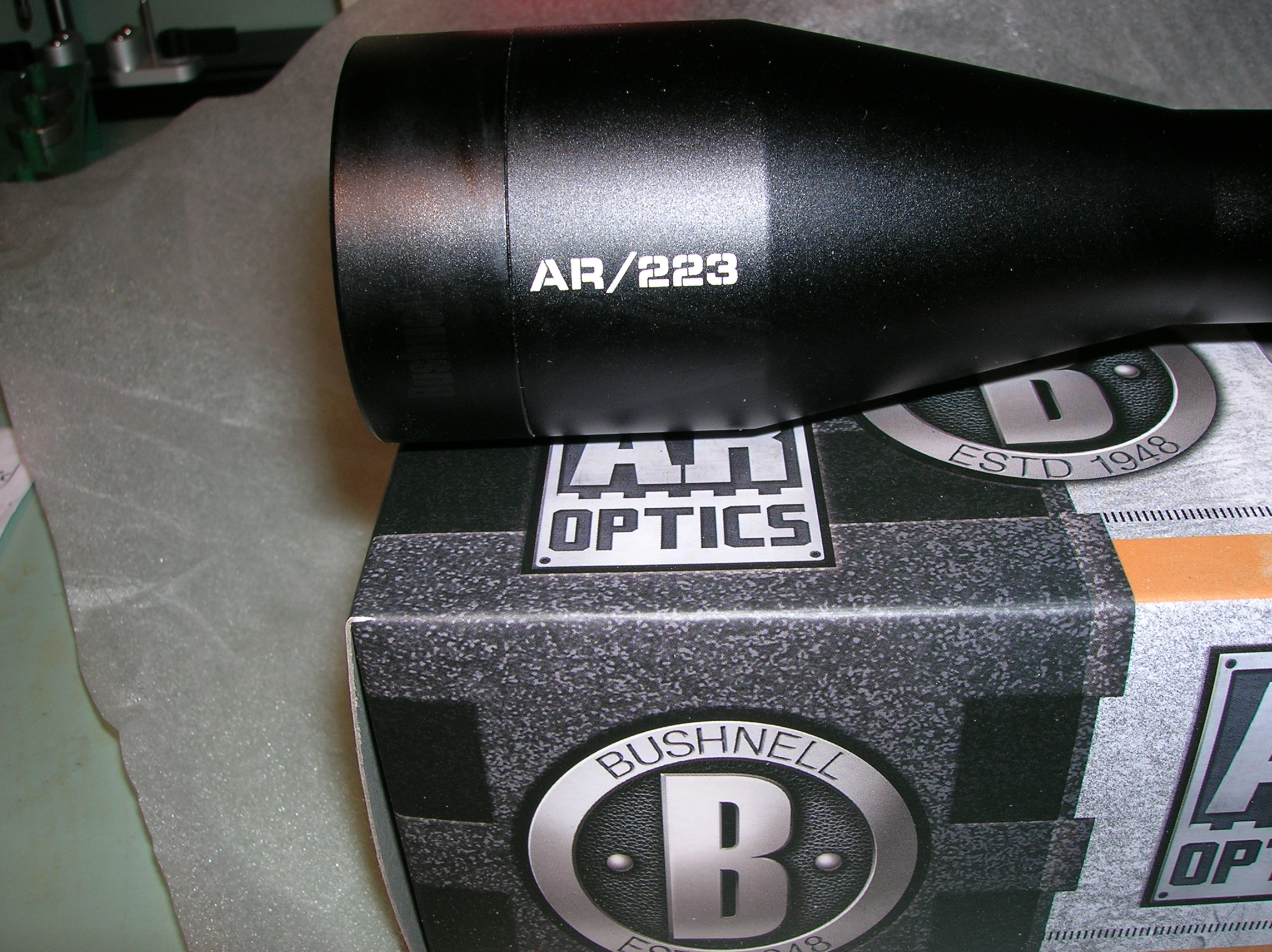
For $ 99 this is one nice scope , heavy Scope , Glass looks clear , positive clicks on adjustments , everything feels tight , stupid Scope covers , but I have Bikini covers for it . I have to wait for Rings until after the Holidays , don't want to get caught in the Holiday rush . I believe this scope is worth the $ 100 I paid for it . Like the 1x4x24 I got for the same price , I like it also & to think I said I would never buy a Bushnell many years ago . I'm cheap & this is going on my 5.56 24" bbl, AR ( for ground Cong or ISIS Dog's ), the Burris 6.5x20x50 is going back on my 16" 308 AR . Sure its not a $ 2-3000 Scope , but good enough for me .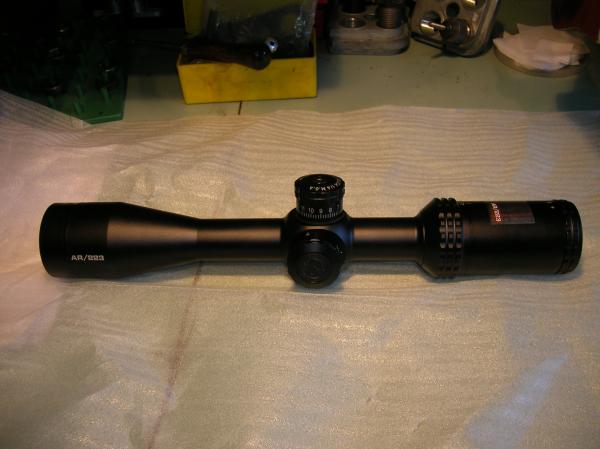
-
Cold Bore shot would be a cold Barrels first shot .
-
Welcome from Florida , nice Christmas present !
-
It would probably be many factors that would effect cold shot impact on target . Some Barrels or Rifle type may be effected by it then some others , even Barrel Brand ,type , weight or profile , may effect how that first shot impacts . But he may have a valid point , even though you have shot many rounds in other rifles before the one you are testing , it is a different rifle , different Trigger ,Barrel & even Caliber maybe different stock or Barrel length. No two a like . It really does come down to the nut behind the Trigger , so , I guess its possible .
-
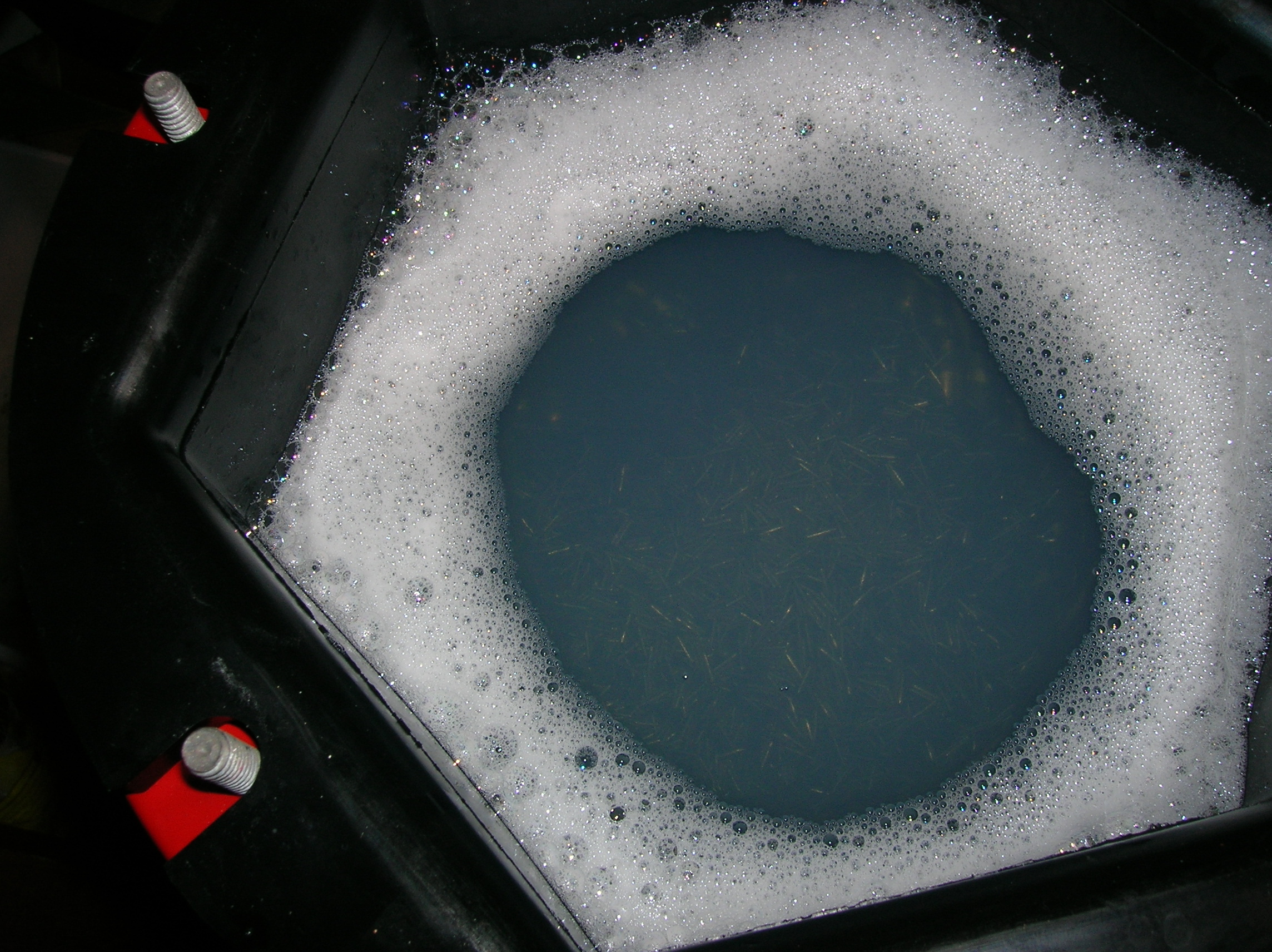
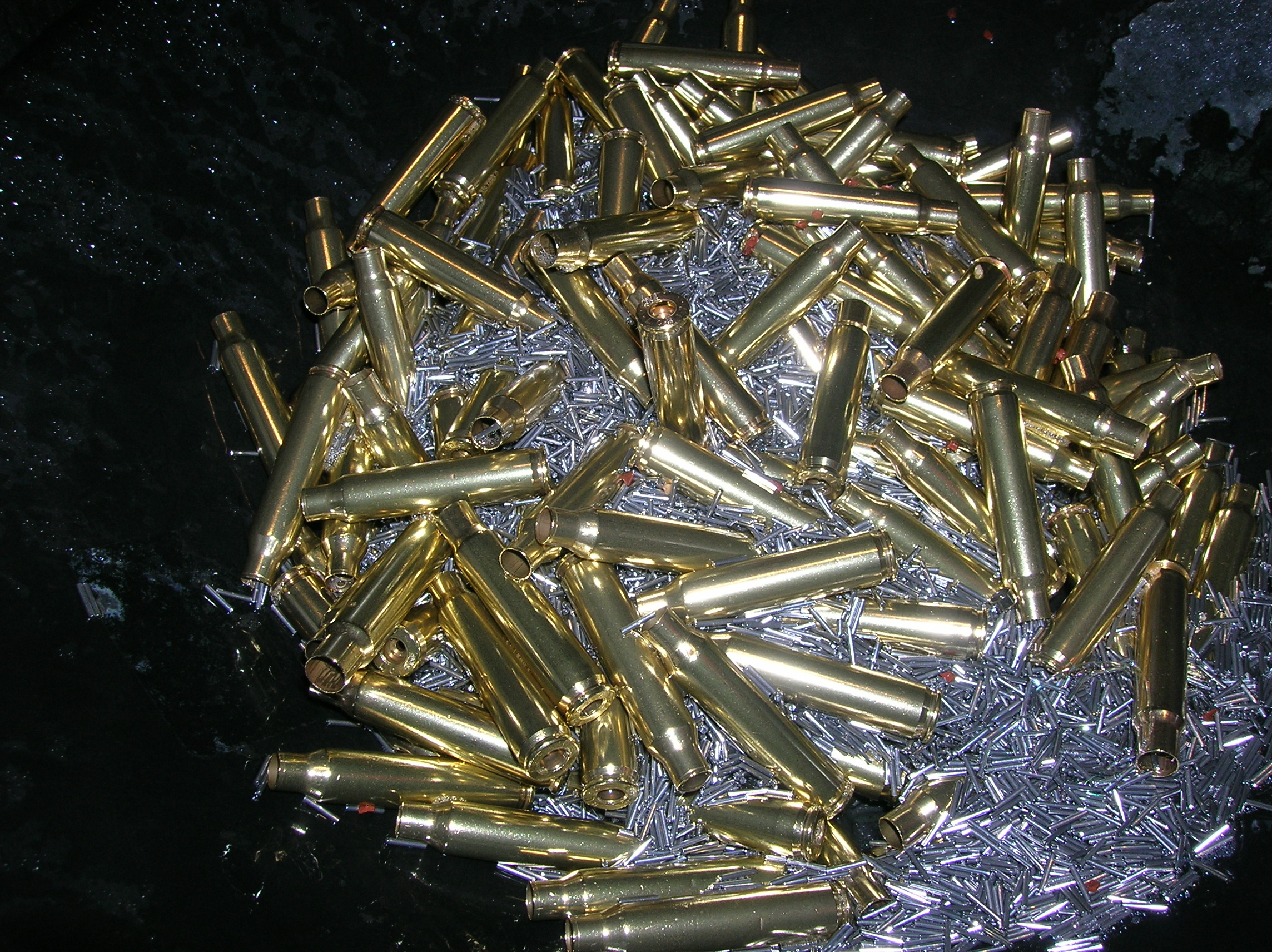
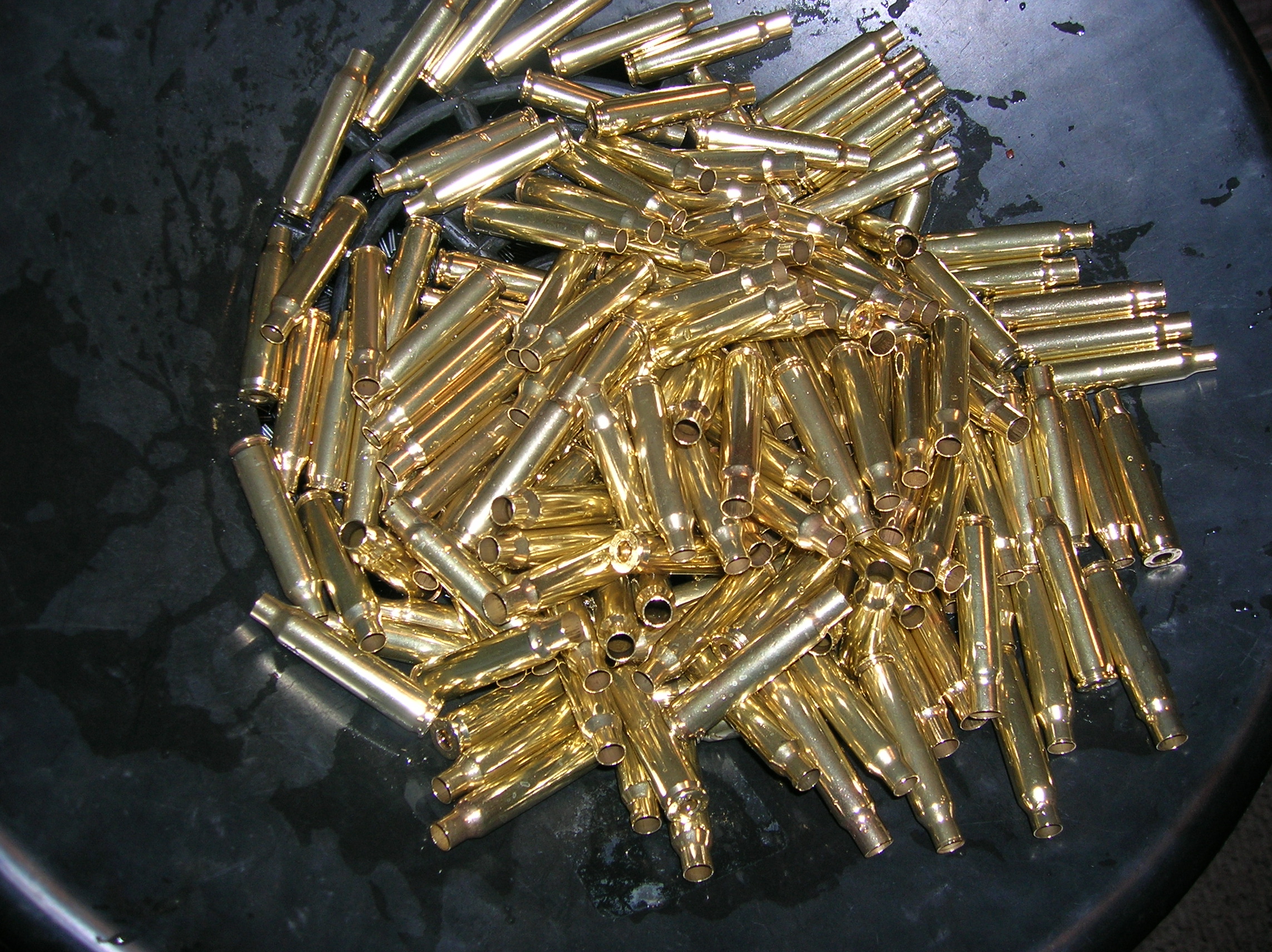
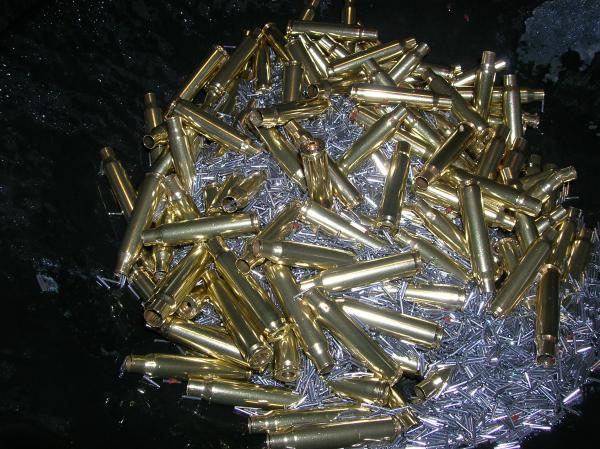
Yes it is , its why I use this method of tumbling . There are around 200, LC 5.56 & 25-45 Sharps in there , a light load of 5.56 brass , I could of doubled that load , but its all I had ready to tumble .
-
?
-
Bushnell 4.5x18x40 scope sale at Natchez
survivalshop replied to survivalshop's topic in Sales and Coupons
Hope you have a safe recovery , take it slow . It will be here today, so I will start a thread on my review & since it has been tested by quite a few online , I will just say what I think of it . I like the 1x4x24 that i got of $ 99 , if I like this one , I may buy another if they are still available & I said I wasn't going to buy any more Bushnell's , here I now have two , strange how that works . -
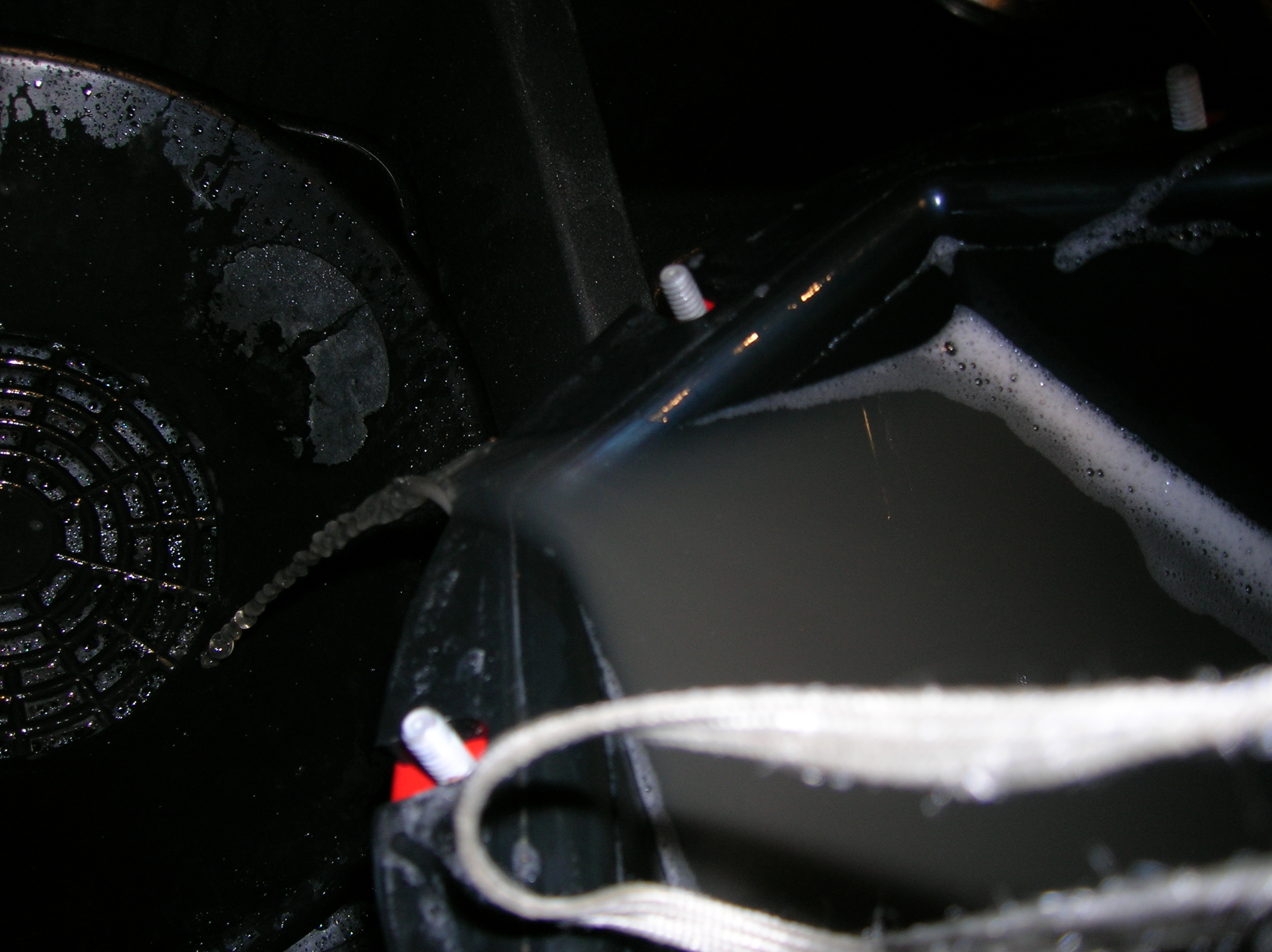
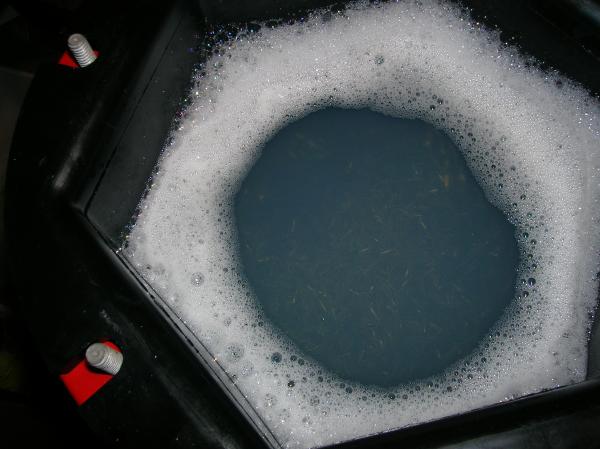
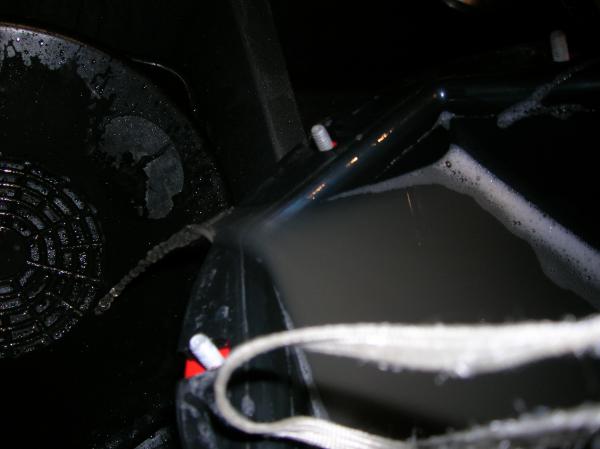
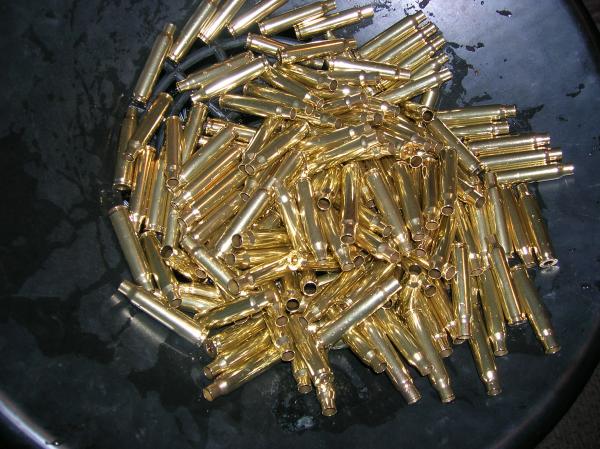
This Tumbler does run much faster then my old Lortone , now that i have had time to run them both side by side . Everything added before tumbling After three hours of tumbling

-
Second Zero Prism Lens, rapid zero change
survivalshop replied to jtallen83's topic in Optics & Mounts, BUIS,Sights
Tested by the SOF , ummm , does that mean they put it in service . I can think of all kinds of issues coming up using something that bends light in such a way . I can see limited use for such a contraption , but I've been wrong before . -
bet you have never seen this one,
survivalshop replied to xxlfitness@yahoo.com's topic in Building a .308AR
How do you have something like that laying around , they always seem to turn into complete rifles for me . -
Second Zero Prism Lens, rapid zero change
survivalshop replied to jtallen83's topic in Optics & Mounts, BUIS,Sights
Does it have a cross hair or dot or series of dots or something like that , is what I'm saying . I would like to see a , through the lens type of view , especially looking at a down range target , both with & with out it deployed . They just don't explain it well enough for me . Is its lens itself optically changing the Cross hairs of the Scope ( from the shooters perspective ), what is it really doing ? JT , you are just going to have to purchase one & let us know . -
Second Zero Prism Lens, rapid zero change
survivalshop replied to jtallen83's topic in Optics & Mounts, BUIS,Sights
I see no image of the sight deployed , interesting idea & seems like a good price . -
bet you have never seen this one,
survivalshop replied to xxlfitness@yahoo.com's topic in Building a .308AR
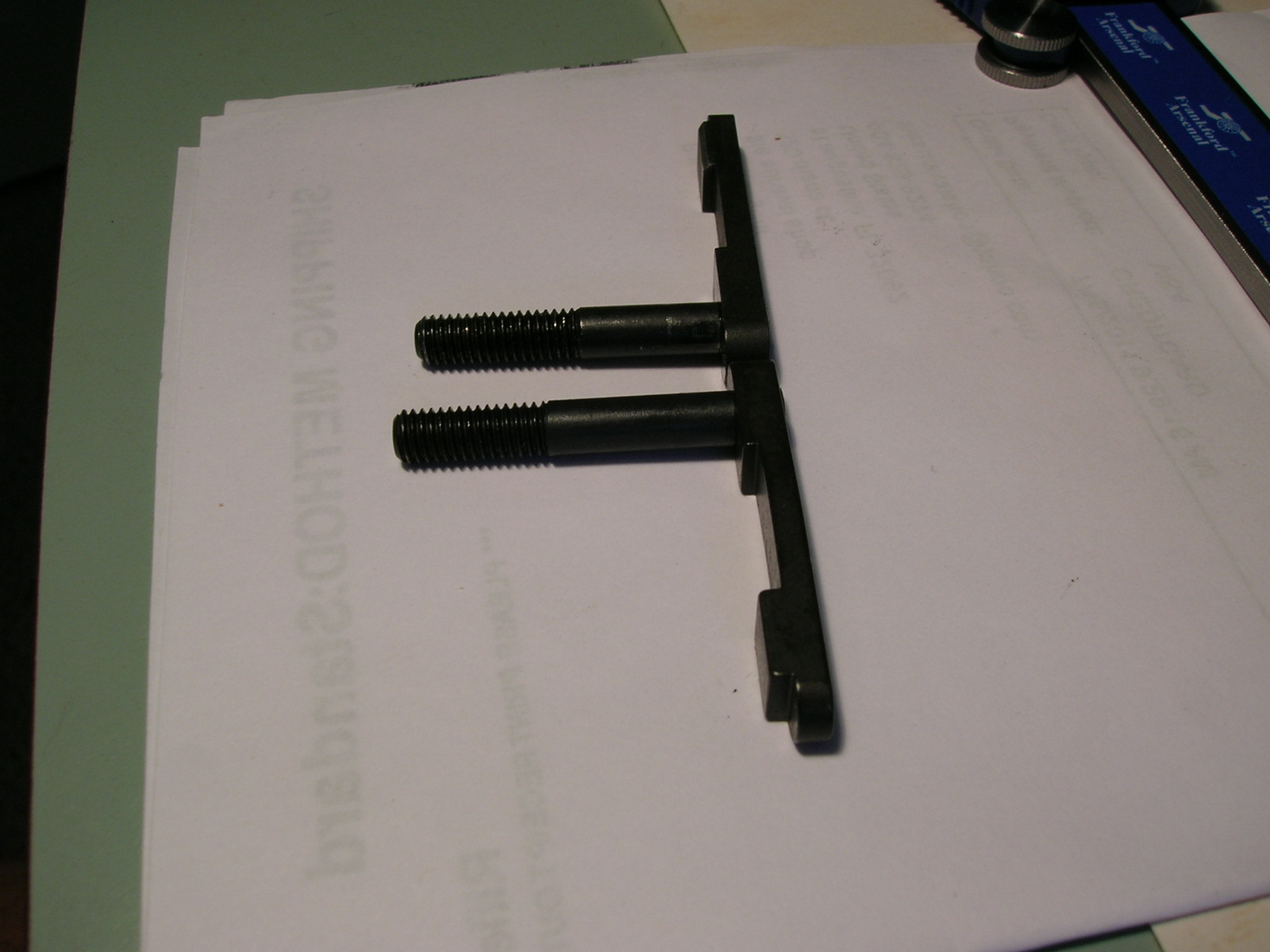
An Armalite AR 10 Mag Release will work , if the machining of the Lower Receiver is correct .The one on the bottom of course is the Actual Armalite part .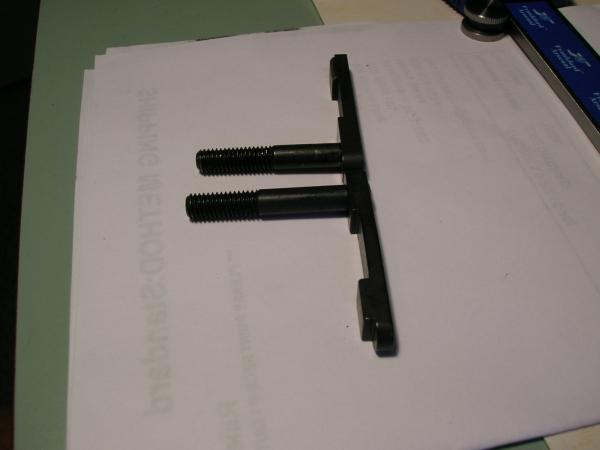
-
Me too !
-
-
AMMUNITION, RELOADING, RELOADING COMPONENTS, RELOADING CORNER, RIFLES RELOADERS CORNER: PRIMING 3 NOVEMBER 30, 2017 GLEN ZEDIKER 21 COMMENTS Correct primer ignition is a key to consistent velocities and good accuracy, and maybe even survival! Let’s make sure the primer pops proper. Read how… Glen Zediker Last two times we’ve looked at the tools and process of seating primers and also the thing itself. This time let’s take it another step and perfect the important step of priming a centerfire case. Very important step, in my mind, in the reloading process: uniforming primer pockets. As gone on about in the first article, it’s very important to seat each and every primer flush to the bottom of the cartridge case priming pocket. Tool choice has a whopping lot to do with how well attaining that goal can be reached, and that’s because it is a “feel” operation. However! Probably the biggest asset to correct primer seating is a primer pocket that’s correctly dimensioned and correctly finished. And this, in effect, removes some of the importance or contribution of the “feel” needed and that’s because when the primer stops it will stop flat and flush. If the pocket is what it should be. With the exception of a very few (and expensive) cases, the primer flash hole and the primer pocket itself are punched, not drilled and milled. That’s done, of course, in the interest of efficiency in producing the case. That manufacturing process, though, hain’t perfect. Cross-section a case head and you’ll see that the inside bottom of the pocket is a little bowl-shaped; the corners aren’t square, which means the bottom of the pocket isn’t flat all across. Since the bottom of a primer cup is indeed flat, it’s way on better if these surfaces are a match. A “primer pocket uniformer” fixes this to the same level it would be had it been machined: it will be at “blueprint” specs. A uniforming tool also sets pocket depth and will correct a shallow pocket. And again, the flat primer cup mated with an equally flat primer pocket bottom results in a truly well-seated primer. In my estimation, I think this is an even more important procedure or preparation step for those using any automated or semi-automated priming process, such as encountered on a progressive-style press than it is for “precision” handloaders. In short: the less feel in the tool that’s available to guide you to know the primer has seated completely is offset a whopping lot by the assurance that flat-to-flat flush contact results pretty much just from running the press handle fully. Primer pocket uniforming is done fastest and easiest with a tool that chucks into a drill. There are many available, and I recommend getting a “fixed” depth design. One thing: unlike virtually all other case-preparation steps, pocket uniforming is usually best one on once-fired, not new, brass. That’s because the pockets can be a little difficult for the tool to enter when the pockets are at their smallest, which they will be as new. It’s another step, though, that adds time and tedium to the reloading process. Add power and it’s a lot easier, and, for the majority, has only to be done once. True, after enough firings a pocket will get shallower, and it will also be getting larger in diameter. Usually the increased diameter outruns the loss of depth in signaling the end of case life. I use mine in place of a primer pocket cleaning tool. There is zero harm in running a uniformer each use for reloading. Uniformers are available as fixed- and adjustable-depth. I generally recommend getting a fixed tool, and then trusting it. Setting depth on an adjustable model is tedious, and critical. Too deep can weaken the case. Here’s a little (important) something that you might notice after uniforming primer pockets. The case on the right shows very clear primer anvil impressions, and that’s because this primer was seated fully flush into a uniformed pocket; the case on the left was not uniformed and likewise the primer was not fully seated flush (couldn’t be). If you’re wanting to load once-fired mil-spec cases, or have to load once-fired mil-spec cases, then the original primer crimp must be removed. A primer crimp is small lip of brass that’s pinched into the primer edge during the primer seating process. It holds the primer in place against inertia-induced movement that might unseat it. Now, you never ever need to worry about crimping your own ammunition. All that matters to us is removing the excess brass residual from the original crimp. The most simple, and fastest, way is using a primer pocket swaging tool. These are either press-mounted or stand-alone stations. Just run it, run it out, and the pocket has been swaged to unimpeded roundness again. It is possible to use a uniformer to remove crimp, but it’s a tool for another job and, almost always, it’s best to use specific tools for specific jobs. It’s a difficult chore with a uniformer, and the uniformer also may not smooth the entryway adequately. If you need to remove the crimp from mil-spec cases, get a swager. It’s the best tool for the job. They’re easy to use, and, as with other such processes, has only to be done once for the life of that case. After swaging, by all means run a uniformer if wanted. Check out tools HERE Overall, get a swager and keep it simple. They’re not expensive, they’re easy to use, and, as with other such processes, has only to be done once for the life of that case. After swaging, by all means run a uniformer if wanted. Should primer pockets be cleaned? Why not… There is probably no influence on accuracy if the pocket is dirty or spotless, but, why not… Deprime prior to case cleaning to get that area treated. I preach heavily on the virtues of a stand-along decapping station to keep grit out of the sizing die. A primer pocket cleaner is fast and easy to use, but, as mentioned, I instead just run a uniforming tool in its place. As said a few times in this series, the most important thing is to know that the primers (all of them) have seated to at least slightly below flush with the case base. Just seeing that does, in no way, mean each primer is seated to perfection. There are variances in (un-uniformed) primer pocket depths. At the least, one more time, uniformed pockets will or sure should take a big step toward providing more certainty. A “high” primer, one that’s not seated fully to the bottom of its pocket, results in a “soft” strike from the firing pin, and that’s because some of the inertia/energy in the speeding pin is siphoned away because it first will fully seat the primer… However! There’s another, even more important reason all primers should be seated fully: When used with a rifle having a floating-style firing pin, which is an AR15, the normal and unavoidable inertia-induced firing pin movement upon bolt closing will result in the firing pin tip contacting the primer. It will bounce or tap off the primer. If the primer is sitting out farther, there’s a greater likelihood of setting off the cap. That’s called a “slam-fire” and its aftermath ranges from shaken nerves to shrapnel infestations about the facial area. Yikes! Here’s a round chambered and then pulled from one of my AR15s. Floating firing pins can “tap” off a primer, it’s intertia-induced. A more sensitive primer, and it could have gone off. This is not “supposed” to happen via rifle design, but, well, here it is. Make double-dang sure all the primers are seated below flush with the case head! It’s a problem with any floating-pin equipped rifle: M1A, M1, AR10, AR15. Primer composition matters. In this case, its resistance to detonation, and it should influence decisions on primer brands. See what’s available at Midsouth HERE The information in this article is from Glen’s newest book, Top-Grade Ammo, available HERE at Midsouth. Also check HERE for more information about this and other publications from Zediker Publishing.
-
AMMUNITION, RELOADING, RELOADING CORNER, RIFLES RELOADERS CORNER: WHAT MATTERS… DECEMBER 14, 2017 GLEN ZEDIKER 1 COMMENT Don’t lose sight of the basics when making tool, dimensional, or load choices. Here are four unchanging “musts” to make your results the best they can be. READ ON! Bandwagon! I jumped on this one as did a whopping lot of others. Moly coating got a huge amount of attention and, indeed drastically improves bullet performance. The furf died down, though, after we discovered it had its share of problems (some were and some weren’t willing to accommodate or work around them). I still use coated bullets but now it’s Boron Nitride. Glen Zediker I have been basing some of my topics for this department on correspondence, and here’s another. Someone wrote asking me for a compare/contrast on the two handloading-specific books I’ve written, and the essential question revolved around whether or not the older of the two had been “updated.” Concerns were over inclusion or exclusion of new tools and propellants, and other components, and reloading techniques: essentially whether the newer book was better just because it was newer. Hmm… I thought long and hard about all that. My answer, strongly self-paraphrased, was that there were always going to be new tools and propellants and bullets and cartridges and primers, but “what matters” in learning how to make ammo gin (accurately and safely) hasn’t really changed. Those who know my work over the past twenty-something years know I’ve never been eager to step up on a soapbox and proclaim coronation of the latest-greatest propellant, bullet, or even cartridge king. Instead, I’ve done my best to help folks learn how to judge merits and values of new things, based on a thorough understanding of all the old things. But this isn’t about me and it’s not just shameless self-promotion. It’s an overview of what I really think matters: it’s an effort to put into perspective the potential merits of all the new things. Choosing the appropriate case and neck sizing die, and then learning how to correctly adjust it, for the needs at hand, which really means for the rifle the ammo will be used in, is another essential element in good loading. For me, the four most important things to achieve with a handload are, one, that the case has been sized correctly and appropriately for the rifle; two, that care has been taken to ensure that the round is concentric (more in a bit); three, exercising some discretion in bullet velocity (also more in a bit); and, four, taking steps from reloading to reloading to maintain consistent performance. Then there is an almost never-ending slew of finer points within all these points. And one ton of tools. What I “know” about a load combination hasn’t come from one afternoon at the range. It’s often come from years. I have seen a whopping lot of bandwagons competitive shooters have jumped onto and off of. Newly hitched wagons are still rolling strong, departing continually. It is very important to have a set of components and processes and load structures to fall back on, which really then means a set that you can move forward from. One of the “big four” goals I set for handloads is concentricity, run-out. Most of the tool and die upgrades I ever suggest making, as well as many case-preparation steps, seek to improve the straightness and centeredness of a loaded round. “Start in the center, finish in the center.” I look at new things from a perspective of how and how well I can apply one of them to satisfy the same old needs. These needs are a filter, more or less, that helps determine if the new things are indeed improvements, or just new. I am a competitive person. Our club CRO, Col. Floyd, once announced to the crowd at a local High Power Rifle tournament that I could smell gold-plated plastic through four feet of reinforced concrete… I admit to the truth in that. So, I am in no way suggesting that new things aren’t good, that we should all stay only with what we know. I’m always looking for ways to do better; but for me it’s not been so much trying something new, but rather taking another step using what’s been working pretty well for me thus far. That usually involves more focus on consistency. I have a lot of stories about ultimate failures eventually resulting from initially wild successes, including lost championships, but the only value telling any of them would have is to make me sound way too old school. They are, again, never (ever) taken to mean that new things aren’t worth pursuit. Just shoot a lot of it under varied circumstances before packing it up along with the suitcase to attend a big event. Back to setting down some tangible point to all this: most tool choices and case preparation steps I take have a goal of improving loaded round concentricity, which is to say centeredness or straightness. No doubt about it, a bullet looking dead center into a rifle bore is going to shoot better than one that’s cockeyed. Cases with more consistent neck wall thicknesses, sizing die designs, and bullet seater designs can either enhance or detract from concentricity. Likewise, operations like outside case neck turning are done ultimately to improve concentricity. It matters! The comment earlier about not getting too greedy for speed gets preached a lot by a good many, and the reason is avoiding anything that’s edgy. “Edgy,” to me, means something that’s going to take a turn for the worse on a day that’s 20-degrees warmer, or (in the case of the lost event mentioned earlier) 20-degrees colder. Don’t get greedy on speed! An essential component in handloading success is consistency, predictability. Find a “tolerant” propellant, which means it demonstrates flexibility: shoots well at a little lower-than-maximum velocity, and shoots the same at different temperatures. No matter how small the groups were in testing, if pressure starts spiking due to some unaccounted for change those great test groups are likely to open up. The best advice I can offer on this is, first and most obvious, use a little discretion working up a load to a ceiling higher than what equivalent-spec factory ammo can produce. It can take more than a few case and primer inspections to know if a “max” load is truly safe. Next is to get to work on finding a propellant/primer combination (mostly propellant) that’s showing good accuracy at less-than-max velocities. By that I mean I will not trust anything that seems to shoot well only when it’s running “hot.” Accuracy is, after all and always, what ultimately defines success. (Since this piece is kind of a “year-end” thing, I plan to start the new year up fresh with a whopping lot more about specific new (and old) things that will help ensure you’re getting the most you can from your time spent at the loading bench.) The information in this article is from Glen’s newest book, Top-Grade Ammo, available HERE at Midsouth. Also check HERE for more information about this and other publications from Zediker Publishing.
-
Not sure what a all Metal drum of a Cement Mixer will effect the Brass , these Rock Polishers have a Rubber compound of some sort as a liner or Drum . Of course the water is clear when starting , my old Lortone , the final water is as black as the drum when the three hours are over , so far I'm not seeing that with the Thumblers , at least not as deep dark black , so far . I have 5.56 next & then 308 , so it may be the amount of fouling & size of the Brass that make the difference in colors . I do wash & degrease the Rifle Brass before I Tumble them , to get rid of the Sizing Lube . Even when the water is deep black , the Brass looks like new, inside & out . I had issues with a black slim on the Lubed Brass , but the degreasing before tumbling took care of that . Photos shortly .
-
Well if you haven't heard yet . INDUSTRY NEWS, NEW PRODUCT, RIFLES, TACTICAL GEAR GUN NEWS: SPRINGFIELD ARMORY ANNOUNCES 6.5 CREEDMOOR M1A DECEMBER 14, 2017 GLEN ZEDIKER LEAVE A COMMENT Not that anyone needs a reason to want a Springfield Armory M1A, but chambering it in 6.5 Creedmoor? Oh, yeah. SOURCE: NRA American Rifleman Staff Springfield Armory just announced that it is offering three variations of its M1A rifle in the powerful 6.5 Creedmoor caliber. “Having a 6.5 Creedmoor caliber in the M1A lineup gives long-range shooters more choices with the precision and accuracy they require,” says Springfield Armory CEO Dennis Reese. “They can choose the round they prefer, and take advantage of the legendary accuracy of the M1A platform to make the most of their shooting prowess.” The new M1A 6.5 Creedmoor is offered with a choice of a solid black composite stock or a precision-adjustable stock that lets shooters dial in individual fit and feel. A 10-round magazine comes with each rifle. The M1A’s National Match Grade, 22-inch medium weight stainless steel barrel provides a long sight radius for optimal iron sight accuracy, with a 4-groove 1:8-inch right-hand twist and muzzle brake. The NM Grade 0.062 post front sight is paired with a NM Grade non-hooded 0.0520 aperture rear sight that’s ideal for distant targets and adjustable for 1/2 MOA windage and 1 MOA elevation. The two-stage trigger is National Match tuned to 4.5-5 lbs. Paired with a SA scope mount and the right optic, the new 6.5 Creedmoor M1A can be a “true 1000-yard rifle.” 6.5 Creedmoor with Flat Dark Earth Precision Stock MSRP: $2045 6.5 Creedmoor with Black Precision Stock MSRP: $2045 6.5 Creedmoor with Black Composite Stock MSRP: $1985. This model is also CA-Compliant. For more, visit Springfield-Armory.com
-
Some Manufacturers seem to like o-rings , the two Spring set up that DPMS uses on the LR series works fine .