
survivalshop
-
Posts
11,250 -
Joined
-
Last visited
Content Type
Profiles
Forums
Downloads
Gallery
Store
Everything posted by survivalshop
-
Some funny $hit . When they say , real people , not actors , WTF , I kinda have to agree , actors are not real people , for sure , just look at the Hollywood jackoffs !
-
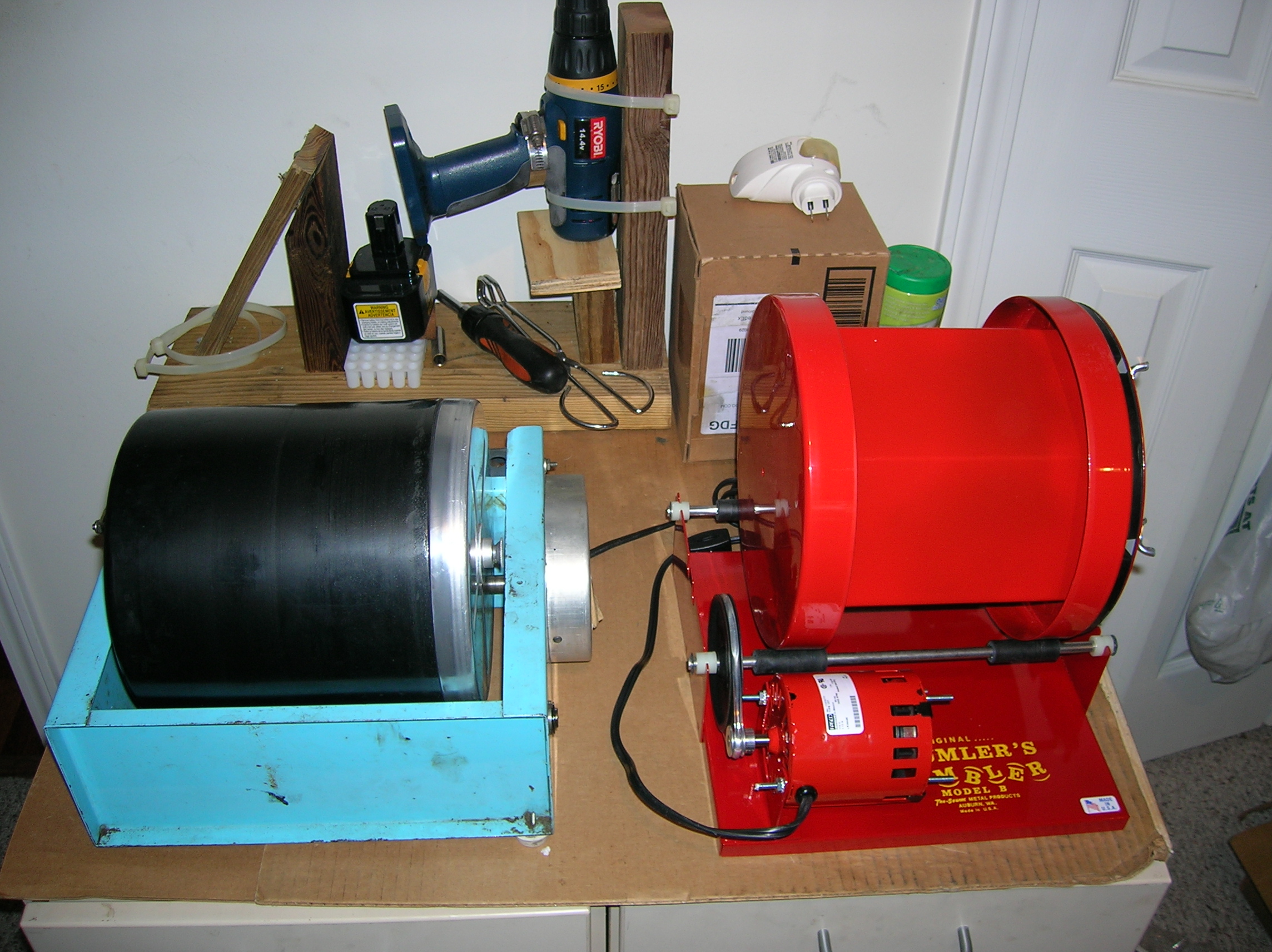
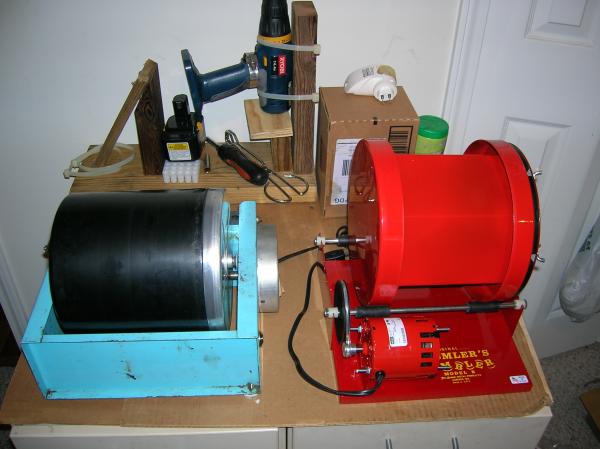
I did around 300+ 9mm last night & the water was a little black . Wonder if the small load the first time was not enough to get the water black . I will be using this Thumblers Tumbler for water & SS media & the Lortone for Dry Media tumbling . I did notice the Motor on the TT never gets hot like the Lortone when water & SS tumbling , after three hours of water& ss tumbling with the Lortone , you cant touch the Motor , the TT, It barely gets warm . 5.56 Brass next . Yes we kinda don't follow protocol for Christmas Day opening of presents , the wife has been riding her new Christmas Bike present for about a week now .
-
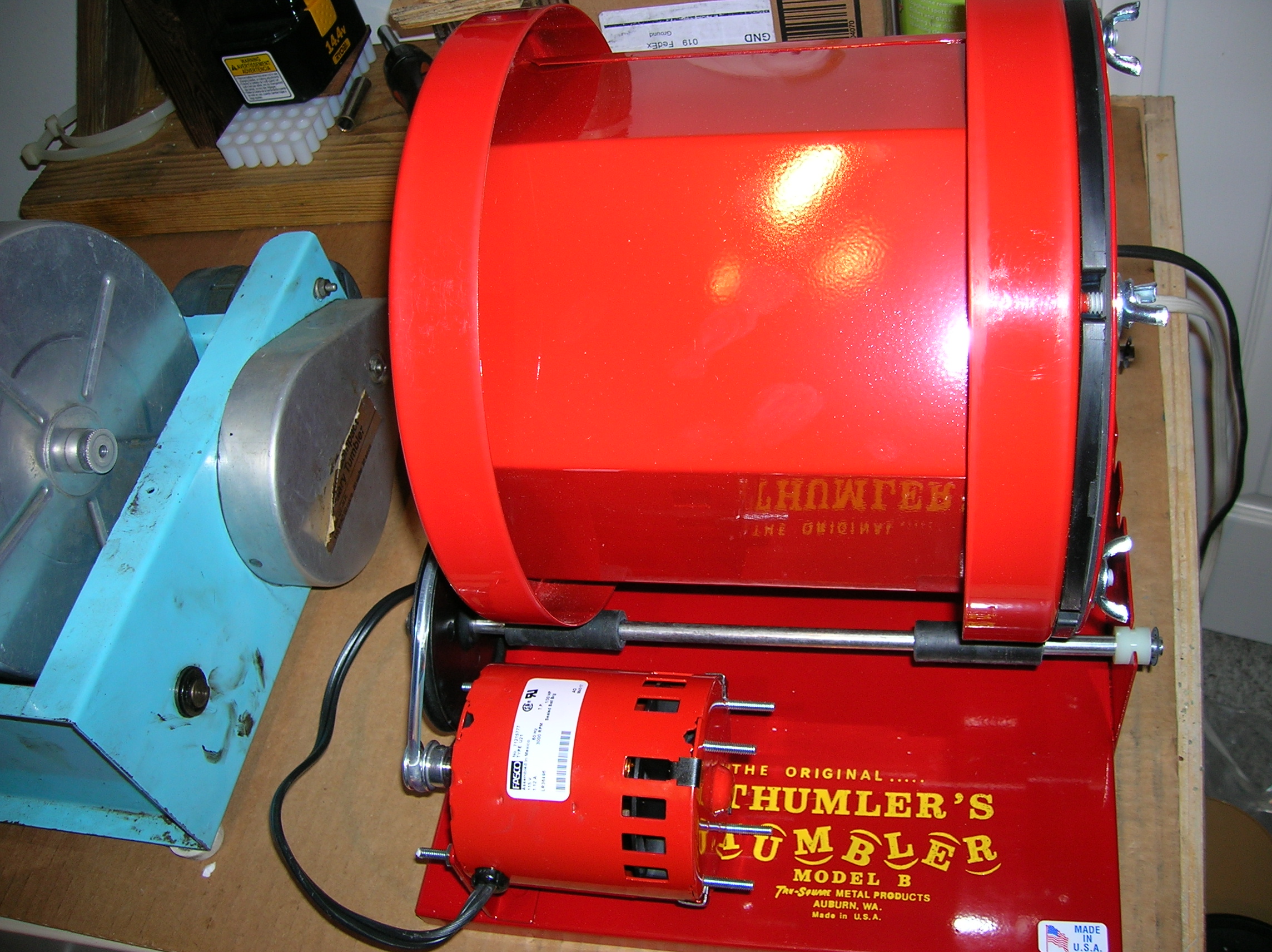
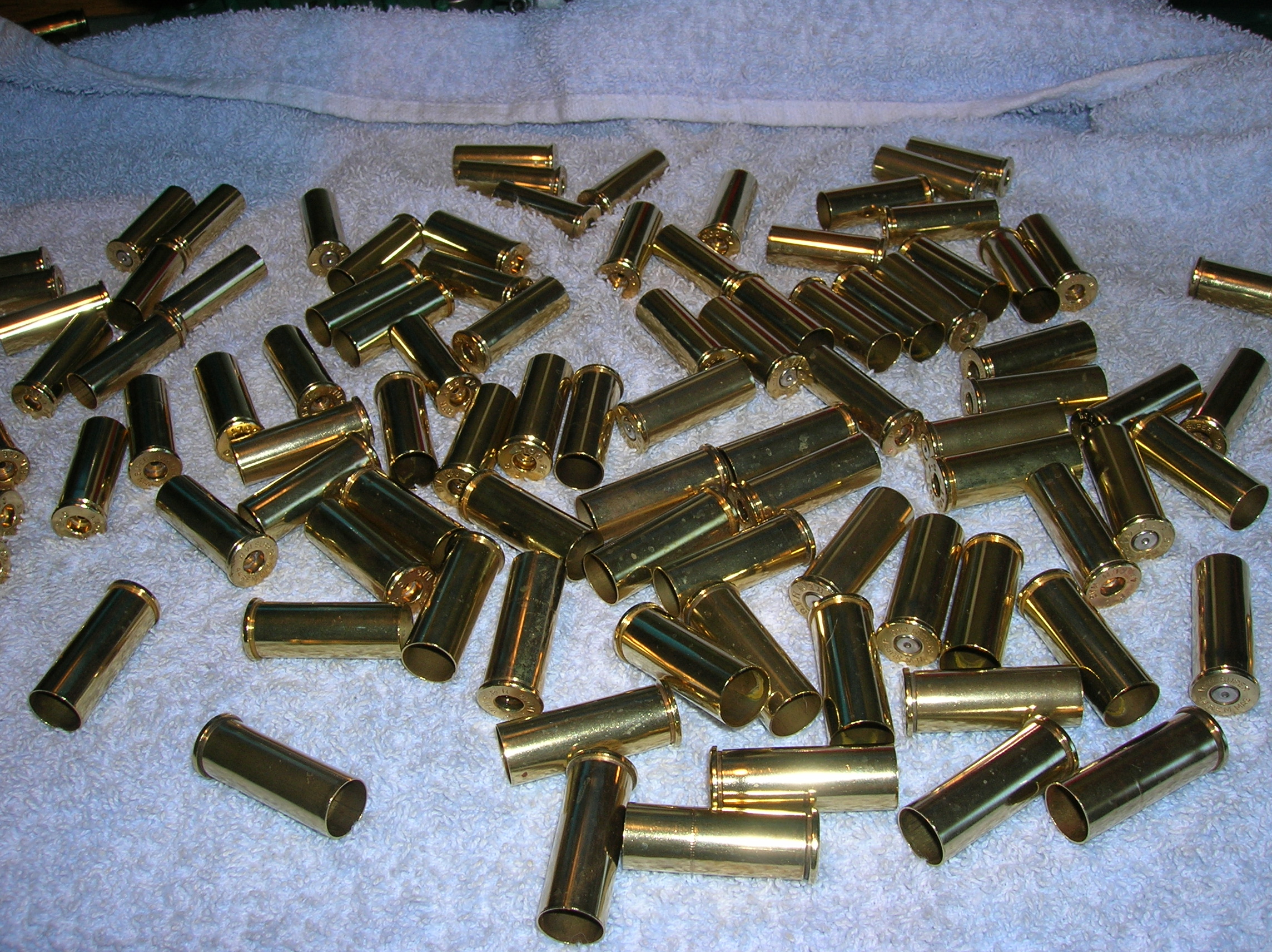
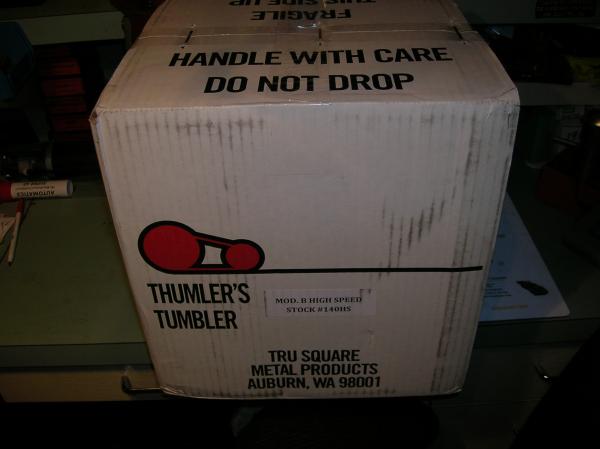
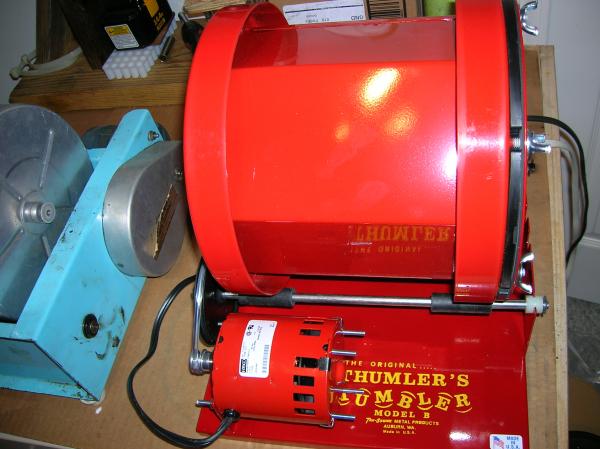
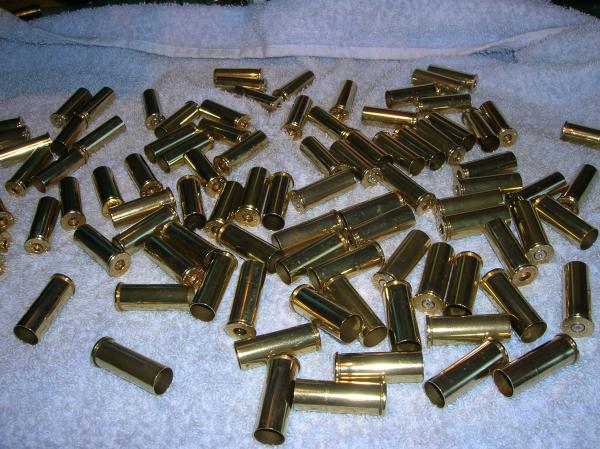
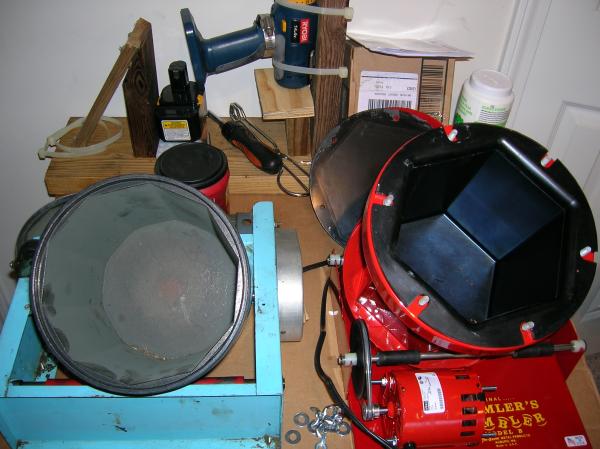
This is a real nice Tumbler , the capacity is about the same as my Lortone , but shaped much differently . My first batch of wet tumbled 44mag & 45 Colt brass came out stunning , no black water , which I though you always get , may have something to do with my older tumbler Barrel breaking down . Water after three hours was slightly reddish in color & murky , but the Brass was Beautiful . The six wing nuts are different to me , my Lortone only has a single nut or knob to tighten & seal the Drum . Makes more noise then my Lortone , but not much more , I think its the more aggressive flats on the inside of the Drum . Except for the six win nuts , its great !
-

DPMS G2 Recon - Bad Ammo?
survivalshop replied to ImpliedConsent's topic in DPMS Panther Arms LR-308 | Bushmaster 308
Tweaking the Buffer system is one good idea , if its a Timing issue . If its a Bolt or Chamber , the Buffer system will have little effect .Could also have too large of Gas Port in the Barrel . -
-
This is a nice Tumbler , it came today , had to do some assembly , but it was no biggie . I have 44 mag & 45 Colt in the SS media right now , about to look at it . This thing runs a little faster then my Lortone , & I here the brass tumbling , much more then my Lortone , but that could be because its speed .
-
DPMS G2 Recon - Bad Ammo?
survivalshop replied to ImpliedConsent's topic in DPMS Panther Arms LR-308 | Bushmaster 308
Well , they seem to have no idea what they are talking about , you should be able to shoot 7.62x51 or 308 , with any of the normal weight Bullets , the real light ones could be an issue , but normal 308 loads should be fine . . There are many of these GII rifles out there working fine, with happy owners . The one wanting to look at your Bolt Face , at least is getting somewhere . Keep at them . The " Multi Cal " means the Receivers can be used in other calibers . -
Keeping the Barrel Clean
survivalshop replied to survivalshop's topic in Cleaning ,Maintenance and Tools
Several different topics , just putting them all in Parts may be read by all . I wasn't sure if spreading them all out they would be seen & read , just wasn't sure where to put them , I guess the Head Spacing one could go to ,what you need to know ,in the 308 section . I posted three from their latest News Letter . Head Spacing , Chrome lined or Nitrate & this one , all in the General Section & maybe a good place to Post them , your call , you the man , they are pretty interesting reads. There is also some Videos from them around here some where , that I posted also , might be nice to keep them all together , they do push their Barrels in them And you know I'm a fan ! -
Bushnell 4.5x18x40 scope sale at Natchez
survivalshop replied to survivalshop's topic in Sales and Coupons
I just ordered one of those 4.5x18 x40 Scopes , but in .223 BDC , so we will see how it works . I see the 223 is priced higher then the 308 BDC version , but both are going for a hair under $ 100 . -
Another from the Criterion Barrels News letter ., maybe some of these should be Pinned in a proper Section . The Dirty Barrel Trend or: How I Learned To Stop Worrying and Love the Cleaning Rod Posted on:2017-11-01 4922 4918 2 1 “I don’t clean my barrel until group sizes start opening up.” This line is becoming more and more prevalent in the precision rifle community. Theories fly about the internet on why shooters don’t clean their barrels. Common arguments include the importance of eliminating the need for fouling shots, disrupting the “bore uniformity” offered by copper fouling (spoiler alert: copper fouling buildup does not increase bore uniformity in hand lapped match grade barrels), fear of diminished barrel life due to overcleaning, and a general feeling of pride that their rifle has functioned reliably for x number of rounds without maintenance. While I have always striven to keep my firearms well maintained and serviceable, an opportunity recently presented itself to compare barrel maintenance procedures between two nearly identical precision rifle barrels. Earlier this summer one of my coworkers (Mike Ross) and I both constructed rifle builds of similar design. My rifle was built off a Tikka T3 action, while Mike’s rifle was built off a Surgeon 591. Both were mounted in Kinetic Research Group Whiskey 3 chassis and featured 22” salt bath nitrided 6.5 Creedmoor Criterion pre-fit barrels. For a period of three months we put a fair amount of time behind our respective rifle builds (by our standards at least). We utilized the same ammunition (PRIME Ammunition 130gr. OTM) at a similar rate of fire. These rifles were used for industry demo shoots, local PRS matches, and general target practice (often fired side by side). The only significant difference between these two rifle builds was how the barrels were maintained. Mike’s rifle was properly broken in, cleaned reliably after each use. Other than the barrel, my rifle was cleaned and lubricated, the action, bolt, and exterior components lightly oiled after each use. The interior of the barrel was not. Instead of taking care of the barrel as I normally do, I decided to put the new “dirty barrel trend” to the test, with no break-in period or regular maintenance. I figured with the salt bath nitride finish and its added corrosion resistance would render the internal finish virtually impenetrable to rust. Drinking from the Kool-Aid of widespread keyboard commando lore, describing countless well-functioning but poorly maintained rifles, it would likely be thousands of rounds before I would notice group sizes opening up from excessive fouling, much less a failure in rifle function. I was dead wrong. It took three months and 700 rounds until I encountered my first failure to extract. A few weeks after my last range trip, I fired round #701 and placed the bullet exactly where it should have been zeroed. I then rotated the bolt knob and attempted to extract the round rearward. Nothing happened. I then applied some additional rearward pressure. Nothing. I yanked the bolt back on the third attempt with an extreme amount of force. The case popped out of the ejection port, landing a few feet away. Investigating the cause of this extremely sticky bolt, I inspected the brass. Could it be a high-pressure round? The brass looked good. There was no cratering or flattening of the primer. There was also no ejector mark or any other signs of overpressure. During my inspection I did notice some slight variation in case body finish and texture, but didn’t think much of it at the time. I decided to try firing another round. The bolt ran smoothly into battery, feeding the round easily. The second round fired. The steel target let out a satisfying ping. Through my scope I could see the second round impacted almost directly on top of the previous one. The bolt required a Herculean effort to pull to the rear once again. Something was clearly wrong with this rifle. After inspecting the second round (Which also featured no pressure signs) I pulled the bolt out and inspected the extractor and ejector. Everything appeared to be well maintained and functioning properly with the bolt assembly. As a former SAW gunner in the Marine Corps, I decided to try the classic field remedy for a non-functioning firearm. If all else fails, lubricate the hell out of it and try firing it again. Grabbing a bottle of CLP out of my range bag, I liberally lubricated the bolt, the action raceway, and the lug engagement surface. I fired the rifle once more. The bolt was stuck once again. Now convinced that the ammunition, receiver, and bolt assembly were not at fault, the barrel remained as the last variable in the equation. My forever unclean rifle barrel must have been the culprit. The following day I brought my rifle back to the shop for a bore scope inspection. What I found during my first look down the bore simultaneously impressed and horrified me. As I inserted the borescope into the base of the chamber it looked like the surface of Mars. Bright orange, craggy, and extremely uneven. As the saying goes, guns only have two enemies: rust and politicians. It was fairly clear that my barrel had been fighting a prolonged battle with the former. But how could this be? I had never fired this rifle in the rain, although I had taken it out on a few humid afternoon range trips. The rifle was stored indoors in a climate controlled building between range trips, and had not fired any corrosive ammunition over the course of its life. While the rifle had been stored a few days in a Pelican case over the course of its use, it had spent the overwhelming majority of its service life stored muzzle up in a gun safe. Even with the level of care taken to ensure the rifle wouldn’t rust, the humidity level inside the chamber must have been sufficient at one point to cause condensation, which eventually led to oxidation of the steel. A few lightly oiled patches run down the barrel after each range trip would likely have been sufficient to protect the internal surface of the chamber, but the “no cleaning” approach dictated that this was not to be the case. I had also taken the added precaution of having the barrel salt bath nitrided to further protect it from rust and corrosion. Curious to confirm what effect salt bath nitriding has on the corrosion resistance of 416R stainless steel, I gave H&M Blacknitride a call to discuss this point further. Their Quality Manager confirmed my suspicions that the salt bath nitriding process does indeed serve to slightly improve the corrosion resistance of 416R stainless steel, as well as greatly improve corrosion resistance of 4150 chrome moly vanadium steel. I can only imagine how much additional rusting would have occurred had I left the steel of this barrel “in the white” and untreated. Dismayed by the appearance of the chamber, I worked my way up the barrel to the shoulder, neck, throat, and rifling. I was surprised to discover that although the base of the chamber had rusted significantly, there was remarkably little fouling anywhere else. This was further verified by running a pair of patches with Sweets 7.62 bore solvent (one a few minutes after the other), which left no blue or green residue on either patch. Another pair of patches of Rem-Oil (applied to neutralize the Sweets) left the patches a very light grey with minimal carbon fouling. One final dry patch was run through the bore upon completion of the initial cleaning session. Copper and carbon fouling is normally minimal with Criterion salt bath nitrided barrels. This is partially due to the hand lapped finish of the bore, which is enhanced by the polished surface of the chamber and rifling. This serves to further reduce the friction coefficient offered by the salt bath nitride finish. In order to alleviate future rusting and once again enable functionality of the rifle, I proceeded to polish the chamber aggressively. While some minor pitting remained, the rifle now cycles consistently and continues to produce tight groups. The rifle was taken to the range later that same afternoon, with the cold bore shot and subsequent five round group placing rounds directly on top of the rifle’s previous zero. We had Mike bring his barrel in to verify that this rusting was indeed caused by improper cleaning procedures. As was expected, the inside of his chamber and rifling was bright and clean, with no fouling or corrosion found throughout the full length of the barrel. Shooters that follow the no cleaning approach to barrel maintenance will likely continue to claim that lightly cleaning the barrel after each use leads to premature wear and causes fliers before the barrel is “properly fouled” once again. After my firsthand experience attempting this approach I’m inclined to respectfully disagree. I’ve learned my lesson to take the words of “social media precision rifle gurus” with a much larger grain of salt, and to stick to cleaning my firearm after each match or range session. A dirty rifle will function well until it doesn’t. I feel much more comfortable knowing my equipment will operate as intended with each and every round fired, so from here on out I’ll be making a point to dedicate additional time toward regularly cleaning my firearms in order to cut down on corrosion and ensure proper function. If you have any feedback or suggestions on this subject feel free to share it in the below comment section. We always welcome input, and would love to gain some additional knowledge from experienced shooters! Edit: Some readers have expressed interest in simply cleaning and very lightly oiling the chamber after each use while leaving the rifling uncleaned. As there was no discernible rust or corrosion in the rifling this may be an interesting experiment to test on a later date.
-
From Criterion Barrels , What is Headspace and Why Should it be Checked? Posted on:2017-12-05 1227 677 0 0 Few tolerances found on a firearm are of more importantance than headspace. Not only is headspace essential to rifle accuracy, but it is a major safety factor to consider when assembling a firearm. Improper headspace can cause case head separation, unsafe chamber pressure levels, or failure to function. What is headspace? Headspace is the distance measured from the bolt face to the portion of the chamber restricting the cartridge from further forward movement. For most modern rimless centerfire rifle cartridges this datum point is found on the shoulder of the chamber. For most rimmed rifle cartridges headspace is set off of the forward portion of the case rim itself. Belted magnums typically headspace off the front most portion of the belt, while non-rimmed straight walled pistol cartridges will headspace on the case mouth. What happens if headspace is too short? If headspace is left too short it is most likely that a cartridge will fail to feed into battery properly. With most modern rifle designs this will render the firearm inoperable (not all designs require a firearm to go all the way into battery before allowing the firing pin to release and strike the primer). If enough force is exerted while forcing a round into a short chamber the case neck will be jammed forward into the throat. This deformation of the cartridge could result in excessive chamber pressures during the discharge of the round. What happens if headspace is too long? A number of undesirable consequences can occur if headspace is set too long. Aside from increased variation in feed angle and bullet alignment (and a subsequent decrease in accuracy potential), unwanted deformation will occur to the cartridge case and primer. One good indicator that a chamber/bolt combination is experiencing excessive headspace is a protruding primer after discharge (with proper headspace the primer should remain flush with the base of the case). Excessive headspace may cause bulged cases, cracks in the case body, or splits in the case neck. In extreme instances of excessive headspace complete case head separation can occur. This may result in damage to the firearm as well as possible injury to the shooter. While injury to the shooter is unlikely with many modern platforms such as direct impingment AR-15's, there are a number of other rifle platforms where these additional safety features are not inherent in the design of the firearm. It is for this reason that we recommend shooters check their headspace on all rifle builds when purchasing their bolt or barrel from different suppliers. While Criterion may have control over the headspace tolerances of our barrels, we cannot guarantee that bolt manufacturers will hold their products to the exact same specifications. Standards such as those laid out by SAAMI and corresponding military specifications may help with some rifle patterns, but it is still highly recommended that headspace is checked with each and every new bolt/barrel combination used. What factors can lead to improper headspace? A number of factors may be responsible for improper headspace. Some of these include the following: Bolt Wear Some of these discrepancies may simply be caused by normal wear and tear of different components. Well-worn bolt lugs will likely feature a different headspace specification when compared to a new-in-box bolt. Some bolts may even be sold slightly oversized with the intent to have the installing armorer lap the bolt lugs to the receiver for proper fitment (as is often the case with M14 bolts). Unique Manufacturer Tolerances While some platforms like the AR-15 are held to a certain “mil-spec” tolerance. Other rifle platforms (including most .308 AR’s) do not share a uniform tolerance across the firearm industry. While Criterion has sought to set our tolerance specification to be cross compatible with most major manufacturers of DPMS pattern .308 AR’s (DPMS, Fulton Armory, JP Enterprises, Midwest Industries, American Defense MFG, etc.) there are some brands that hold their own unique tolerance that may not be directly cross-compatible with our barrels. Bolt Coatings & Finishes While many manufacturers will undersize their bolts to accommodate the additional material thickness of a coating or layer of additional surface material, some manufacturers may simply apply the coating to a normally sized bolt, leading to potential tolerance stacking and headspace issues. Variance in Barrel Tolerances While multiple layers of quality control and inspection processes are incorporated into the production of Criterion barrels, other barrel manufacturers may not be as concerned with holding tolerance as precise as those held by Criterion. A barrel may improperly headspace if a chamber is reamed too deeply or too shallow, if the shoulder of the barrel is improperly set or timed, if the barrel extension is improperly sized, or if the barrel extension comes loose after the salt bath nitriding process (an affliction normally encountered with improperly treated budget barrels). What is a Short Chambered Barrel? Many Criterion barrel models are sold with an intentionally short chamber. This allows the gunsmith a certain level of flexibility in finish reaming the barrel to accommodate bolt dimensions of varying size. This feature is most commonly found in our vintage military rifle barrels, ranging from the Krag Jorgensen to the M14. Normally each of these barrels is short chambered by .010. With most short-chambered barrel models this means additional material will need to be removed from the chamber to allow the barrel to headspace properly. With rimmed cartridges (.30-40 Krag, .303 British, etc.) Criterion has added an elevated rim around the base of the breech face where the breech face engages with the case rim. Gunsmiths will typically need to remove some of this material to ensure that the chamber is properly headspaced. It is worth noting that while most Criterion vintage military replacement barrels will need to be finish reamed, select models are sold with a finished chamber. This typically includes all chrome lined barrel models. Any attempt to ream out a chrome lined barrel post-production will serve to damage the chamber finish and is not recommended. Due to the large variance in bolt tolerances typically found in vintage military rifles, the armorer may want to have multiple bolts on hand when attempting to install a chrome lined replacement barrel. If the original bolt will not headspace properly with a new replacement barrel (most likely due to excessive wear to the bolt lugs), then a second bolt will likely prove to be serviceable. Questions? If you have any questions regarding the tooling requirements and process of checking headspace with each unique rifle design, feel free to give us a call at (262) 628-8749 or via email at contact@criterionbarrels.com. We would be more than happy to walk you through each step of the process to help get your rifle build up and running!
-
From Criterion Barrels . Chrome Lining vs. Salt Bath Nitriding: Which Barrel Finish Is Better? Posted on:2017-12-11 1102 791 0 0 One of the most frequently asked questions we are asked by shooters pertains to our chrome lined and salt bath nitrided barrel offerings. Customers looking for a durable, reliable, and accurate barrel configuration are presented with both of these options and want to make an educated decision that will suit their individual build requirements. While either of these finish options can provide match grade accuracy, exceptional reliability, and extreme durability; both options incorporate their own unique traits and benefits. Chrome Lining Chrome lining technology has existed for decades and has proven itself in battle in some of the most extreme climates and conditions found across the planet. There is no question of why a multitude of national militaries choose this method of bore and chamber treatment for their primary service rifles. Chrome lined barrels have long held an undeserved reputation for being inherently less accurate than barrels utilizing different finish techniques (or no finish at all). This is due to the traditional production methods typically utilized by manufacturers that greatly limits bore uniformity and finish. Traditional methods for chrome lining involve chemically pre-treating the bore, eroding the internal surface material to ensure adherence of the chrome lining. This method leaves much to be desired as it creates uneven material thickness and variance in bore dimensions throughout the full length of the barrel. Criterion chrome lined barrels utilize an entirely different method of chrome lining. Our proprietary approach serves to ensure optimal bore uniformity throughout the chrome lining process. Each chrome lined Criterion barrel is hand lapped and held to the same finish and uniformity requirements as our match grade stainless steel barrels. This chrome lining process produces a barrel that significantly increases durability through the more consistent and uniform application of the chrome lining while simultaneously offering national record-setting performance. Capable of generating sub-MOA groups with factory match ammunition and groups in the neighborhood of .5 MOA with handloads tailored to the individual barrel, Criterion is the only manufacturer in existence to offer a match-grade chrome lined AR-15 barrel. While chrome lining offers superior corrosion resistance to various external weather conditions, it also serves to significantly reduce throat erosion, allowing shooters to enjoy sub-MOA accuracy potential for as much as 20,000 rounds of normal use with factory match ammunition. This contrasts significantly with cold hammer forged mil-spec chrome lined rifle barrels, which are typically only required to successfully generate 4.5 MOA groups at 100 yards. Salt Bath Nitriding Although research efforts into nitriding steel have been carried out for nearly a century, its rise in popularity as a barrel finish option has been a relatively recent phenomenon. Ferritic Nitrocarburizing is the thermochemical process that simultaneously diffuses nitrogen and carbon into the surface of ferrous metals. During the process, a two-part surface layer is formed, an outer iron nitride layer with a nitrogen diffusion layer below it. Nitrogen and carbon are absorbed by and diffused into the surface of the metal. Reproducible and uniform layers with a predetermined thickness will be formed on all areas of the metal. This process results in markedly improved surface properties on ferrous metal parts while maintaining dimensional and shape stability. One visible effect of the salt bath nitriding process involves the blackening of the surface material. We typically bead blast our barrels prior to having them nitrided, creating a uniform matte black appearance upon completion. Bore uniformity remains as even and consistent with the salt bath nitriding process as that found with any match-grade stainless steel barrel. Through the nitriding process the material itself is hardened significantly, alleviating the requirement to apply a durable lining or protective finish. As with the chrome lining process, Criterion sought to fine tune this finishing process beyond what is typically found throughout the rest of the firearm industry. While each barrel is lapped prior to the salt bath nitriding process, they are also re-polished after nitriding to ensure a mirror-like internal surface in both the rifling and chamber. Accuracy of Criterion salt-bath nitrided barrels are on par with untreated match grade stainless-steel barrels. Enhanced durability and corrosion resistance also serve to significantly increase overall effective barrel life. When researching salt bath nitrided barrels it is not uncommon to come across a wide variety of reports on the varying level of performance you may see from barrels utilizing this treatment method. This is largely a result of how many manufacturers go about finishing their bore and chamber, as well as how the salt bath nitride process is executed. A number of budget barrel companies may make mistakes regarding when their barrel extensions are torqued into place during the manufacturing process, to what temperature the salt bath is held at during the nitriding process, or to how the internal surfaces are machined prior to the nitriding process. Criterion Barrels takes extreme care in ensuring that various measures are taken to enable consistent and reliable performance from our salt bath nitrided barrels. The salt bath nitriding process features a few benefits over pre-existing chrome lining technology. The nitriding process serves to enhance corrosion resistance on both the interior and exterior of the barrel. Chrome lined barrels are typically phosphate parkerized to protect the exterior steel from rusting, but this exterior finish does not offer the same level of corrosion resistance offered by the salt bath nitriding treatment. Salt bath nitriding can also be applied to individual custom stainless steel pre-fit barrel models, whereas chrome lining is typically limited to higher production volume stock model configurations. Which Option Best Suits Your Needs? The ideal finish option will vary for each individual rifle build depending on the intended purpose and unique application of the rifle. Both treatment methods will serve to increase effective barrel life by many thousands of rounds when compared to their untreated counterparts. Historically the decision between finish options has been dictated by a choice between durability or accuracy potential. Thanks to modern advancements in barrel finish technology offered by Criterion Barrels, picking one or the other will no longer be necessary.
-
I see visions of Tolerance stacking dancing in my head . No BCG , so theres a big price drop , a barreled Upper Receiver for that price is going to give PSA a run for their $$ . I like how they use the Receivers manufacturers, Upper Receiver: Digital Defense Billet Upper Receiver (The largest OEM manufacturer for the US Military), OK , for what ?
-
DPMS G2 Recon - Bad Ammo?
survivalshop replied to ImpliedConsent's topic in DPMS Panther Arms LR-308 | Bushmaster 308
Good read here , https://www.shootingillustrated.com/articles/2012/2/16/problems-with-primers/ Personally , I believe its a dangerous condition & don't think it has anything to do with the Ammo , As said above , DPMS knows there is an issue with the Chamber or Bolt ( its a new design of theirs ) I would set it up with DPMS to send it back for them to go over & I would send some fired brass with it . -
Military Firearms available again
survivalshop replied to survivalshop's topic in Firearm Industry News and Gossip
Updated rules or procedures for ordering a 1911 from the CMP. Lotta Hoops to go through . CMP 1911 Information The CMP Board of Directors has discussed at length how the sales of 1911s would be handled, if the CMP were to ever receive them from the United States Army. Some preliminary decisions further clarified updated 12/12/2017: CMP will have an all-new 1911 order form, 1911 purchasing instructions, a 1911 page on our web site, a dedicated 1911 FFL fax number and email address for the FFL holder to send their FFL with customer's name attached. The customer will have to send in a complete new order packet with all new qualifying criteria included. Everyone will be a new customer, everyone starts with no advantage or disadvantage. CMP 1911 is an FFL governed operation and is a separate entity from CMP and has to have its own record keeping operation with no ties to the old CMP records. Decisions concerning the grade and pricing of the 1911s will not be made until inspection has occurred of a substantial quantity which will take an estimated 150 days post receipt. CMP will price at fair market value in accordance with CMP's enabling legislation. Potential purchasers will have to provide to CMP a new set of documents exhibiting: 1) proof of U.S. Citizenship, 2) proof of membership in a CMP affiliated club, 3) proof of participation in a marksmanship activity, 4) a new form 2A with notary, 5) a signed copy of the 01, 02, 07 Federal Firearms License in which the 1911 will be transferred to. These are "store front" FFLs. A NICS background check will be performed by CMP on the customer to assure the customer is eligible to purchase prior to shipment to the "store front" FFL licensed dealer. The customer must receive a "proceed" from NICS prior to shipment of the pistol to the FFL licensed dealer. The CMP customer will be required to complete a form 4473 in person at the FFL dealers place of business, successfully passing a NICS check, in which the information is provided by the FFL holder to NICS, before the pistol can be transferred. This is a second NICS check performed on the customer. Qualified CMP customer will only be allowed to purchase one 1911 per calendar year. No 1911s available in the CMP stores, or on line, only mail order sales. All 1911 orders will come in via USPS, UPS, Fed EX, etc. CMP will set the date in which it will accept orders for the 1911s. The date will be posted to the world. Orders will only be accepted via mail order delivery, USPS, UPS, Fed Ex, etc. Orders will only be accepted post marked on the date or after, no early orders. Once CMP receives 10,000 orders, customer names will be loaded into the Random Number Generator. The Random Number Generator will provide a list of names in sequence order through a random picking process to CMP. Customers will be contacted in the sequence provided by the Random Number Generator. When the customer is contacted a list of 1911 grades and pricing options that are available will be offered for selection of one 1911 type pistol. As CMP proceeds down the sequenced list less grades and pricing options will be available. Note: 1911 type pistols purchased from CMP cannot be transferred to 03 FFL (curio and relic) license. BATF and the United States Army prefer the second background check be performed by a "store front" FFL dealer. Each customer purchasing a 1911 type pistol from CMP will be subjected to two NICS background checks, one the information provided by CMP to NICS and the second the information will be provided to NICS by the FFL dealer in which the pistol is shipped. Ordering Information: CMP will have an all-new 1911 order form, 1911 purchasing instructions, a 1911 page on our web site, a dedicated 1911 FFL fax number and email address for the FFL holder to send their FFL with customer name attached. The customer will have to send in a complete new order packet with all new qualifying criteria included. Everyone will be a new customer, everyone starts with no advantage or disadvantage. CMP 1911 is an FFL governed operation and is a separate entity from CMP and has to have its own record keeping operation with no ties to the old CMP records. Concerning sale price of the 1911s: CMP has been selling M1 Garands, M1 Carbines, 1903s, .22s, etc. for 21+ years and we have never taken advantage of anyone. CMP is not going to start price gouging people now with the 1911s. The 1911s will be priced at fair market value just like our M1 Garands. The CMP's enabling legislation directs sales of items at fair market value. Mark Johnson Chief Operating Officer Civilian Marksmanship Program www.thecmp.org www.TheCMP.org JOIN OUR EMAIL LIST -
I would of liked to see a body shot . He probably missed or came as close as he could , just to show what the 50 could do .
-
Here's an interesting article on what to use for a Firearm . http://www.grantcunningham.com/2006/05/lubrication-101/
-
Well , the Boy Scout Hunters would say thats inhumane shot ! It just cracks me up , he missed ! Sure was a lot of fur blowing off for a miss
-
And where did you read this , because I live here & never heard of this incident , though i dont put anything past anyone , sounds like fake news . Here is what may be the real story & its slightly different .http://www.nydailynews.com/news/national/thieves-snort-cremated-human-animal-remains-believing-ashes-cocaine-article-1.149915
-
DPMS G2 Recon - Bad Ammo?
survivalshop replied to ImpliedConsent's topic in DPMS Panther Arms LR-308 | Bushmaster 308
Remember some posting here about Cratered Primers with the GII , probably due to the fit of the Firing Pin & its Hole in the Bolt . So , maybe some Primers on these Rifles are popping out because of the Rifles Chamber & or Bolt design. So there may be issues with certain types of Ammo in these Rifles , they did put it in red . I have had Primers find their way under the Disconnector & stop the rifle from firing , never had one under the Bolt Stop though . -
Too late ,I told her I knew Even if I didn't know , the package was addressed to me & I would have to open it to see what I had back ordered
-
Good job , expensive Bullets , but looks like they work .
-
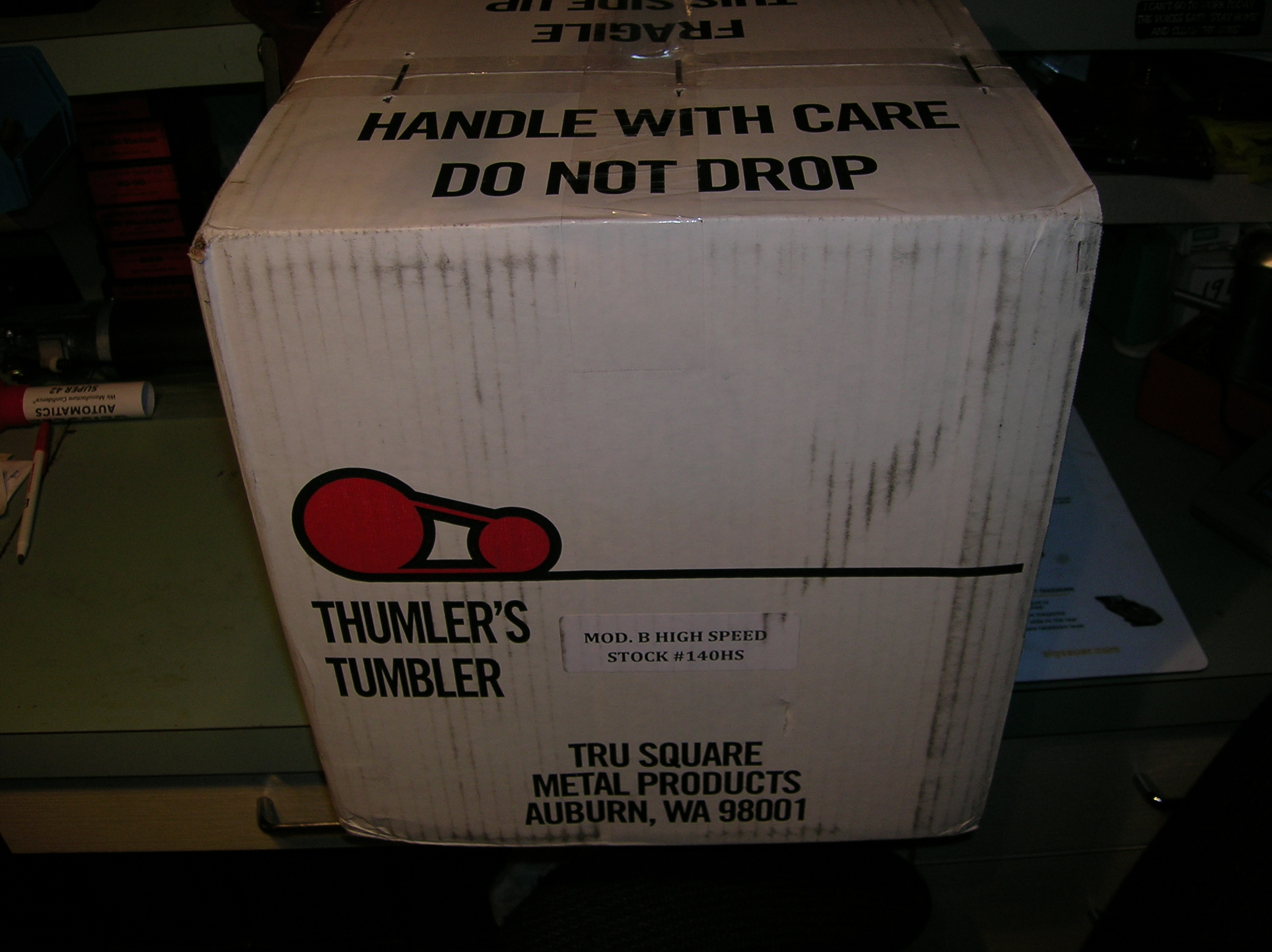
I'm getting a Thumblers Tumbler "B " model from the wife for Christmas , how do I know this , she made the Order to Midway & since she ordered a Trail Camera last year from them from my account ,some how she went right into my account with this order & I got a shipping notice in my email & had to see what was , to my surprise its a new Tumbler . I first thought it was a back ordered item I forgot about , didn't think it was a back ordered item from the wife . My Lortone QT-12 Rotary Rock Tumbler, is about forty years young & still humming along , only issue I have had with it was a broken belt , don't remember how long ago that was replaced , but it still serves me well , same motor & Drum , Frame . I will review it when it gets here next week .
-
I have a Bog Pod RLD 2 , adj. Bipod sticks , I use them for both Rifle /Slug gun & Revolver for Hunting . I carry them strapped to my Back Pak , because I'm not always hunting from a Tree stand that has a Rifle rest on them . I like hunting from the Ground & the Sticks really help for study shots & once you get used to them & how they are used , they are very fast to bare . My off had , be it with a long gun or Revolver holds the Sticks & Firearm together & I adj. the Sticks when I first set up , for the best all around height & make minor adj. to my Body to make the shot .
-
Just think what you would be if you stayed at a Holiday Inn CO, Your getting some real good advice on this Thread , you have a lot to digest .