Sisco
-
Posts
6,623 -
Joined
-
Last visited
Content Type
Profiles
Forums
Downloads
Gallery
Store
Everything posted by Sisco
-
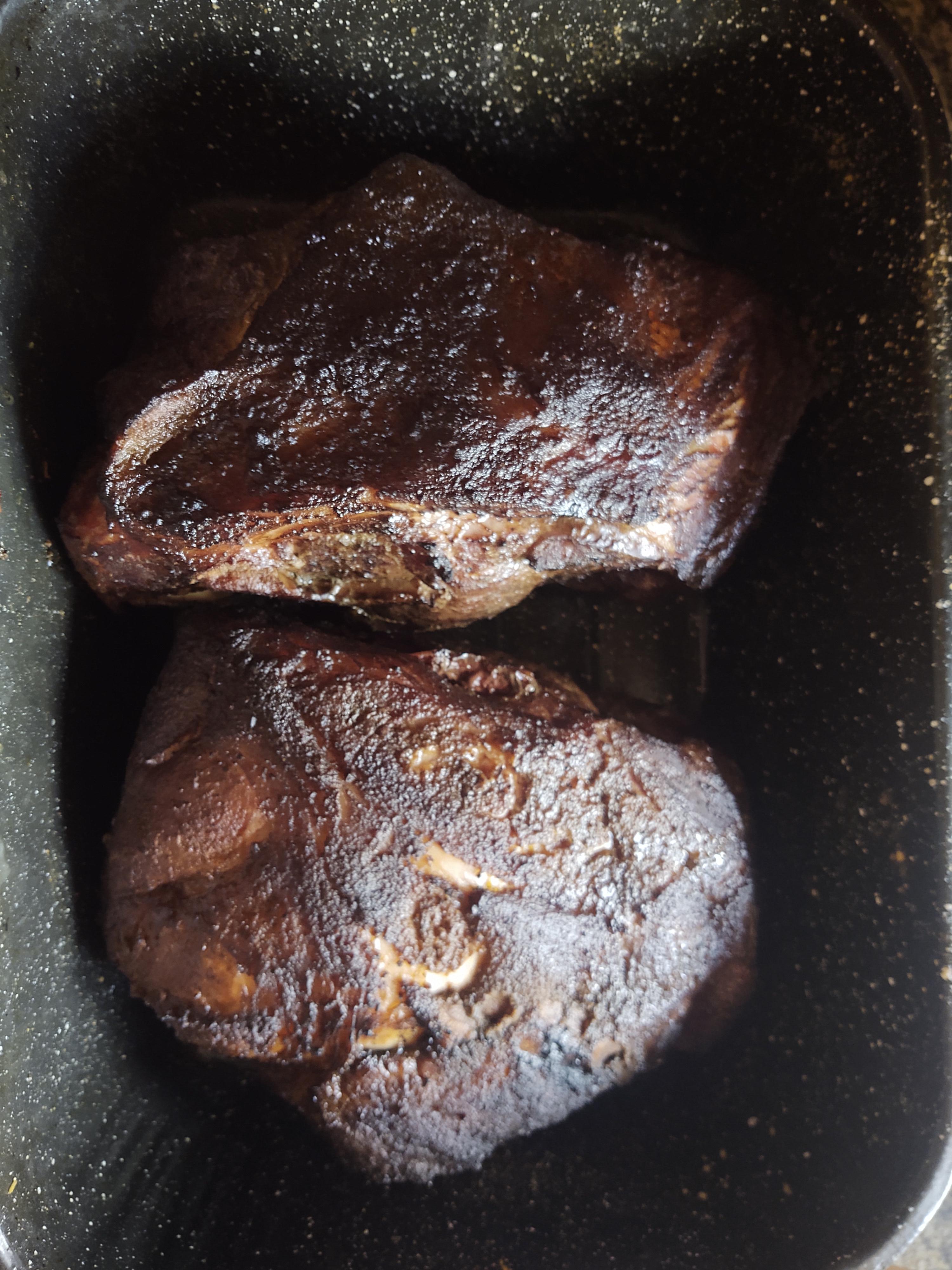
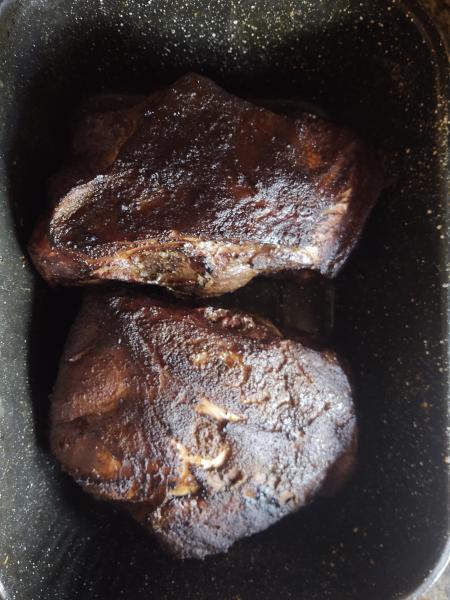
Christmas dinner out of the smoker.
-
I was waiting for you to weigh in Mike! Great advice.
-
The FIRST part of winter survival is what you wear…period. Then you go on to water, shelter, food, and mobility. I have never been in a situation in winter where I had to find food. I have hunted rabbits in the winter, I have ice fished a lot, but never in a situation where I needed it to keep from starving. For water, obviously if you have a lake or stream and an axe you can do okay. If you rely on eating snow, you are going to get dehydrated unless you take the time to melt it and condense it to water. Snow is mostly air molecules and in the mountains powder snow has even less moisture. When we trekked across the BWCA and went out to Yellowstone, we carried plastic boda bags inside our clothing under our arms. When we stopped we always crammed as much snow as possible in it to allow it to melt by our body heat. Even starting in the morning with a full bag of water, we could barely keep up with the demands for water we had. We were on skis and exerting ourselves, however. When we stopped to set up camp water replenishment, from streams or a lake was the first thing we took care of. With the problem of giardia, and tape worm eggs, we always ran stream and Lake Water through a Katadyn water filter of not more then 5 microns. Rabbits, by the way, have very little fat. They work for short term survival, but dietary fat is what you need for long term winter survival. Snaring a beaver or a porcupine would be a big pay day as they both have a high amount of fat. The beaver tail is incredibly high in fat. . The other thing, is that things that work in one place won’t necessarily work in another. If you are on the north end of Vancouver Island, or South Eastern Alaska, your problem is going to be too much water and your shelter needs will have to protect you from that. If you are above the Arctic circle, until the spring thaw, water isn’t much of an issue, but wind and brutal cold are.
-
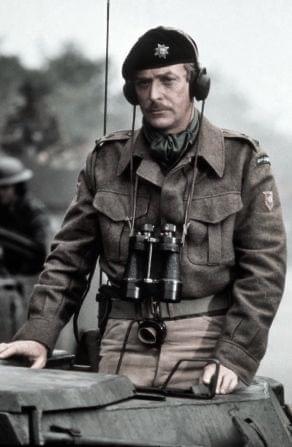
Korean war hero Maurice Micklewhite Jr. Maurice Micklewhite Jr., the future Academy Award winner AKA Sir Michael Caine was drafted into the British Army in May 1951. In August 1952, he arrived in Korea as a member of the 1st Battalion Royal Fusiliers. Stationed on the front lines along the Samichon River, Caine saw extensive combat and participated in dangerous nighttime patrols into no man’s land. Mickelwhite was sent to the front along the Samichon River Valley, where he fought the Chinese and North Koreans in raids and patrols, often at night. In 1953, he would contract malaria and get sent home. Three years later, he earned his first acting credit playing a British Army private in Korea under the stage name Michael Caine. Military service wasn't a foreign concept to the young actor. His father served during World War II and, like many Britishers, Caine and his family felt the war every day. Even though the family fled London to escape the German Luftwaffe during the Blitz, Caine would return to work odd jobs for the film industry at age 16. In 1951, he was called up to serve in the British Army. After a quick stint in the forces occupying Germany, he was sent to combat training in Japan and eventually landed in Korea. Caine and the 1st Fusiliers operated near what is today the border between North and South Korea. He was just 19 years old. His experience gives him a lot of sympathy for today's soldiers fighting in Iraq and Afghanistan, he wrote in his 2010 memoir, "The Elephant to Hollywood." "I know what it feels like to be sent off to fight an unpopular war that no one at home really understands or cares about," he wrote. "And then to come back and meet a complete lack of understanding. Or worse, indifference." Caine didn't know anything about Korea or the war or why the two sides were fighting. His entire experience in the military before training to go to Korea had been at the firing range with an obsolete Lee-Enfield .303 rifle. Nothing, he says, could have prepared him for what happened during his first watch on guard duty during the absolute darkness of the Korean night. From his trench, the night was split open by enemy flares lighting up the battlefield and by the hordes of the enemy charging towards him. The first time he heard a Chinese trumpet break the stillness, he barely had time to ask his buddy what that was before hundreds of trumpets joined in. "There in front of us, a terrifying tableau was illuminated," he recalls. "Thousands of Chinese advancing toward our positions, led by troops of demonic trumpet players. The artillery opened up but they still came on, marching toward our machine guns and certain death." Caine describes the minefield they'd constructed to defend themselves from such a human wave as "suddenly irrelevant." Wave after wave of Chinese infantry committed suicide, throwing themselves onto barbed wire so their bodies could be used as a bridge. "They were eventually beaten off," the actor says of the Chinese soldiers. "But they were insanely brave." After getting sent to war so early in his life, Caine came to believe that war ages kids well beyond their years. He and his mates were approaching 20 years old when they went to the front lines of Korea. On the way back, they encountered the units who would be replacing them. "They were 19-year-olds, as we had been when we went in," Caine says. "I looked at them and I looked at us, and we looked 10 years older than they did." The actor recalls the closest he came to death during the war, on a night time patrol in no man's land. It was a moment that he says still haunts him to this day. Three British troops covered themselves in mud and mosquito repellant in order to make their way deeper into the valley, an area they had been fighting to take for weeks. They were headed for the Chinese lines to try and gather information. On their way back to their own lines, they suddenly smelled garlic in the air. "The Chinese ate garlic like chewing gum," Caine says. "We realized we were being followed." The fusiliers threw themselves on the ground as a unit of Chinese pursuers began searching the brush for them. Rather than die in the weeds, the trio decided to charge the enemy, guns blazing. This incident comes back to the actor when others try to attack him or bring him down. He thinks about what happened on that hill in Korea, and realizes that no one could ever make him feel hopeless again. "I just think, as I did on that Korean hillside, 'You cannot frighten me or do anything to me and if you try, I'll take as much or as many of you with me as I can.'" Photo of Caine from the movie, "A Bridge Too Far." Story by Blake Stilwell
-
Viking is good stuff. Got my wife a Viking ski jacket when we went to Whistler/Blackcomb north of Vancouver in the 80’s. Stay away from waterproofing sprays. They are full of PFAS carginocens. Wish I had known that in the 80’s. Check out Gostwear’s web site, it is pretty complete.
-
-
I really like Gostwear in Canada, also Big Bill out of Canada. Got BB Merino wool pants as well as one of their Merino wool bow hunting jackets. Really good quality for a decent price. Gostwear has some of the best outdoor construction gear I have seen.
-
Your in the best place to weather the storm. It is going to happen sooner or later whatever the causative factor will be.
-
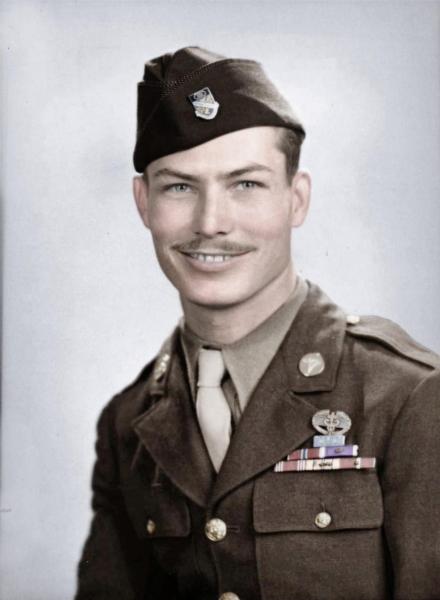
The movie “Hacksaw Ridge” was based on Doss’s story: The incredible story of American Hero Private First Class Desmond T. Doss Doss was born in Lynchburg, Virginia on February 7, 1919, and was a strict Seventh-Day Adventist and attended a school of the same faith until the eighth grade when he left school to go to work to help his family during the Depression. At the outbreak of World War II, Doss had a job in the Newport News shipbuilding yards and was offered a deferment But he turned it down and enlisted in the army on April 1, 1942, hoping to be a medic due to his refusal to carry a weapon because of his religious convictions. His fellow troops considered him a coward, a misfit and he was bullied during his training with the newly reformed 77th Infantry Division. He further angered the military when he asked for a pass on Saturdays to observe his Sabbath His unit’s officers tried to threaten, cajole and harass him into carrying a weapon. But he remained steadfast in his beliefs. They even tried to court-martial Doss for refusing to obey a direct order to carry a rifle. But despite all of it, Doss remained true to his upbringing and never held a grudge against his fellow troops who bullied him. Whenever one would need treatment for their injuries or ailments during their training, Doss was always there for them. Little did they know how much. During the invasion of Okinawa, the 77th Division was assigned the task of taking the Maeda Escarpment. The Japanese plan was to let the Americans climb up and once they reached the top to annihilate them with concentrated machine gun and mortar fire. The Americans reached the top and initially took the bloody ground called Hacksaw Ridge but the Japanese counter-attacked and forced the Americans off the top with horrendous casualties. The Americans were forced to order a retreat. Everyone except Desmond Doss. Doss disobeyed orders and remained behind for 12 hours, slowly making his way from one wounded man to another, treating their wounds and then carrying them to the edge of the escarpment and slowly lowered them down to other Americans waiting to take them to a field hospital. Doss stayed on the escarpment and kept praying to God to allow him to “save one more” and he did until there was no more left to save. In an incredible brave episode with Japanese soldiers constantly trying to pick him off, Doss miraculously not only survived but saved 75 men during the night. Finally, he came down covered with the blood of his comrades but able to soldier on another day. Two weeks later, while his unit was continuing the fight, he was in a foxhole with two other American soldiers, a Japanese soldier lobbed a grenade into the hole. Doss attempted to kick the grenade out of the hole but it exploded and severely wounded him in both legs. He treated his own wounds but had to wait nearly five hours for a stretcher bearer to carry him to safety. But as soon as they arrived, Doss noticed a more severely wounded soldier and rolled off the stretcher and told the bearers to carry the other soldier to safety. While awaiting another one, a Japanese sniper shot him in the arm, shattering the bones in his upper left arm. Doss then crawled 300 yards to the field first aid station. When reaching there he discovered he lost his bible. His commanding officer told Doss that he’d be the first conscientious objector to be awarded the Medal of Honor. When he met President Truman at the White House, Truman shook his hand and held onto it while the citation was being read. Truman told him, “You really deserve this. I consider this a greater honor than being president.” At the ceremony, Doss received an even greater gift. His commanding officer presented him a slightly charred, waterlogged bible. After he was wounded, every man in the company combed thru the battlefield after the battle until they found it. The man who had been bullied, threatened and harassed for his religious convictions had earned the undying respect of his fellow soldiers after all. Doss died in 2006 and is buried at the National Cemetery in Chattanooga, Tennessee. Medal of Honor Citation: Citation: Private First Class Desmond T. Doss, United States Army, Medical Detachment, 307th Infantry, 77th Infantry Division. Near Urasoe-Mura, Okinawa, Ryukyu Islands, 29 April – 21 May 1945. PFC Doss was a company aid man when the 1st Battalion assaulted a jagged escarpment 400 feet high. As our troops gained the summit, a heavy concentration of artillery, mortar and machine-gun fire crashed into them, inflicting approximately 75 casualties and driving the others back. Private First Class Doss refused to seek cover and remained in the fire-swept area with the many stricken, carrying them one by one to the edge of the escarpment and there lowering them on a rope-supported litter down the face of a cliff to friendly hands. On May 2, he exposed himself to heavy rifle and mortar fire in rescuing a wounded man 200 yards forward of the lines on the same escarpment; and two days later he treated four men who had been cut down while assaulting a strongly defended cave, advancing through a shower of grenades to within eight yards of enemy forces in a cave’s mouth, where he dressed his comrades’ wounds before making four separate trips under fire to evacuate them to safety. On May 5, PFC Doss unhesitatingly braved enemy shelling and small arms fire to assist an artillery officer. He applied bandages, moved his patient to a spot that offered protection from small-arms fire and, while artillery and mortar shells fell close by, painstakingly administered plasma. Later that day, when an American was severely wounded by fire from a cave, Private First Class Doss crawled to him where he had fallen 25 feet from the enemy position, rendered aid, and carried him 100 yards to safety while continually exposed to enemy fire. On May 21, in a night attack on high ground near Shuri, PFC Doss remained in exposed territory while the rest of his company took cover, fearlessly risking the chance that he would be mistaken for an infiltrating Japanese and giving aid to the injured until he was himself seriously wounded in the legs by the explosion of a grenade. Rather than call another aid man from cover, he cared for his own injuries and waited five hours before litter bearers reached him and started carrying him to cover. The trio was caught in an enemy tank attack and Private First Class Doss, seeing a more critically wounded man nearby, crawled off the litter and directed the bearers to give their first attention to the other man. Awaiting the litter bearers’ return, he was again struck, this time suffering a compound fracture of one arm. With magnificent fortitude, he bound a rifle stock to his shattered arm as a splint and then crawled 300 yards over rough terrain to the aid station. Through his outstanding bravery and unflinching determination in the face of desperately dangerous conditions, Private First Class Doss saved the lives of many soldiers. His name became a symbol throughout the 77th Infantry Division for outstanding gallantry far above and beyond the call of duty. Story source Medal of Honor Archives & Steve Balestrieri SOFREP
-
Get that sailboat training brother!
-
Yeah brother, that carhartt stuff is good. I met a guy who did contract labor at the South Pole Antarctica station, and they were issued insulated Carhartt coveralls for outside use.
-
Only got an inch, it was all south of us. St. Paul MN got 21 inches.
-
December? WTF?
-
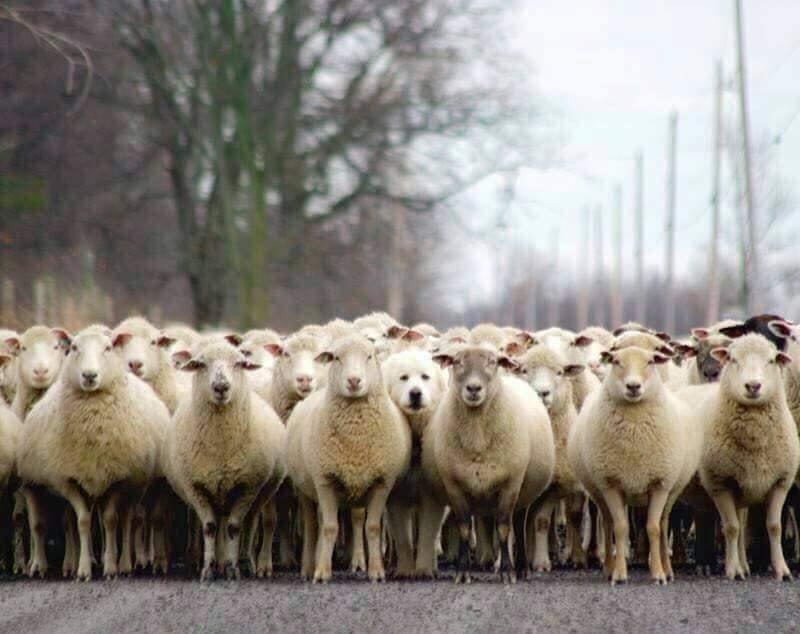
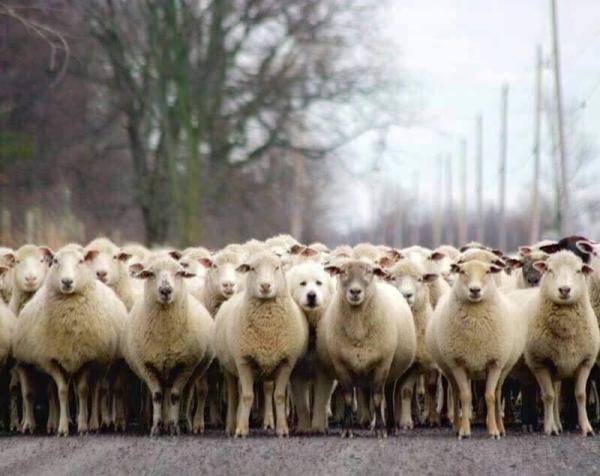
In Life, you are either a sheep, a predator, …….or a Sheep Dog.
-
yeah XXXL Tall is still pretty big shrunk up.
-
Been there, done that!
-
-
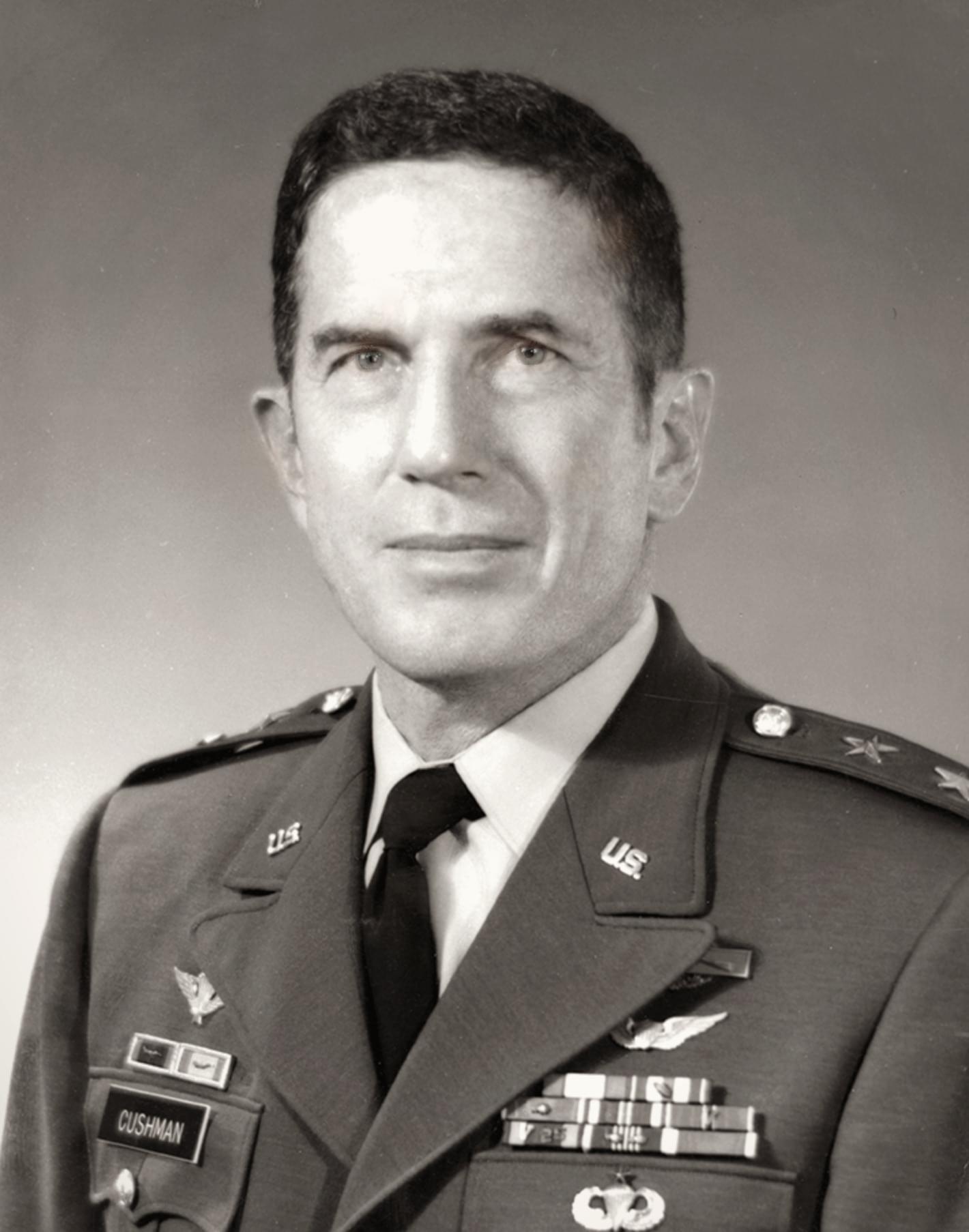
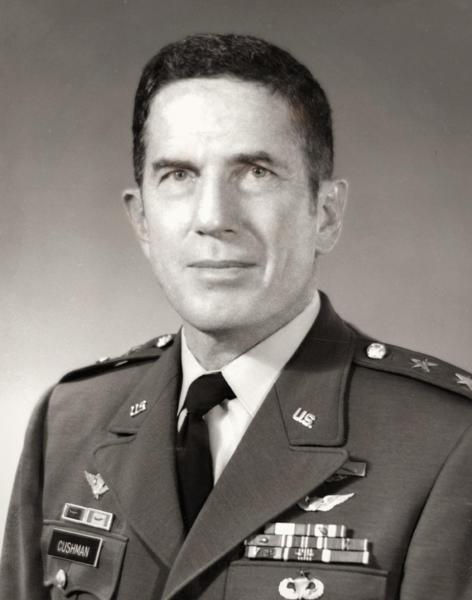
Flaherty’s Colonel, later commanded the 101st Airborne. 101st Airborne Divisions General John H. Cushman was credited by the Army with leading at least 10 operations that led to the deaths of 820 North Vietnamese troops and the capture of 200 more. During his second tour in Vietnam 1967 and 1968, General Cushman, then a colonel, took part in some of the fiercest fighting of the war. After North Vietnamese launched the Tet Offensive in January 1968, General Cushman often oversaw field maneuvers from the air, sitting in the jump seat of an unarmed command helicopter. He sometimes surprised his troops by flying through heavy fire to assist at the front lines. He received the Air Medal after one mission, the Bronze Star Medal after another, and the Distinguished Flying Cross after a third. His citations noted that at times he airlifted soldiers to front lines and helped transport the dead and wounded. On March 16, 1968, General Cushman saw that the soldiers in an advance unit under his command had been cut down by machine-gun fire from a hidden bunker. After disembarking from his helicopter, he ‘‘moved forward to join the lead riflemen of the platoon’’ and helped coordinate a rocket attack, according to a citation accompanying his award of the Silver Star. ‘‘Exposing himself to hostile fire at close range,’’ the citation continued, General Cushman ‘‘remained with the artillery forward observer near the enemy positions until the rocket attack was successfully completed.’’ Years later, a staff sergeant wrote to General Cushman, describing conditions on the ground. ‘‘I tossed over a dozen hand grenades and fired about 200 rounds from my M-16,’’ the sergeant wrote. ‘‘We were almost out of ammo and I gave the command to fix bayonets.’’ At that desperate point in the battle, General Cushman’s helicopter could be seen returning to the front lines, hauling fresh supplies of ammunition. ‘‘I saw your chopper come in on the other side of the small river — you were getting a lot of fire . . . and I thought that they were going to shoot you down,’’ the sergeant wrote. ‘‘I tried to wave you off but you kept comming [sic]. I got some of my troops and we crossed the river and retrieved the ammo. You gave us a hand salute. I saluted you back and we held our own. ‘‘If it wasn’t for your bravery probably all of us would have died that day.’’ Two months later, on May 30, 1968, General Cushman spent hours under fire in his helicopter, directing commanders in the field well into the night. His actions resulted in a second Silver Star. Parts of General Cushman's exploits in Vietnam are covered in the book, The Giant Killer. Then Lt. Richard Flaherty believed to be the smallest man to serve in the US military served proudly under Cushman and fought with him side by side during the "Tet Offensive." Cushman took a liking to his little aggressive Lieutenant and nicknamed him, "the One Meter Lieutenant." When we interviewed 95 year old Cushman by phone he laughed, "my One Meter Lieutenant really took it to the enemy." General Cushman passed away at the age 96. RIP sir and soft landings AATW. The Giant Killer book & page honors these incredible war heroes & patriots making sure their stories of valor and sacrifice are never forgotten. God Bless our Vets! Available now on Amazon & Walmart. Story by Matt Schudel
-
Good advice. I like it too. Didn’t realize how much until I spent two winters in Florida. Love the old Sorels when they were Canadian made and owned. Still wear a pair. I haven’t tried them though since Columbia bought them 20 years ago. Kamik and Baffin out of Canada both make good products as well. Sock and glove or liner rotation is a great point. Trench foot was the #1 non combat reason US Europe forces in WW2 were medically inactive. Same in Korea. Synthetics have their place in the mix, no doubt. Just like firearms and boats, cold weather gear is a series of compromises to best fit your needs.
-
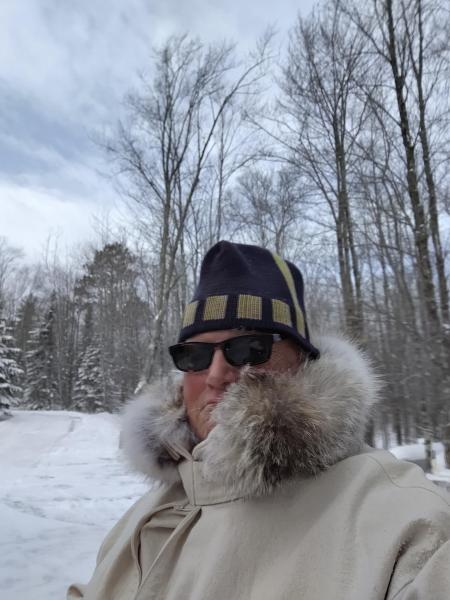
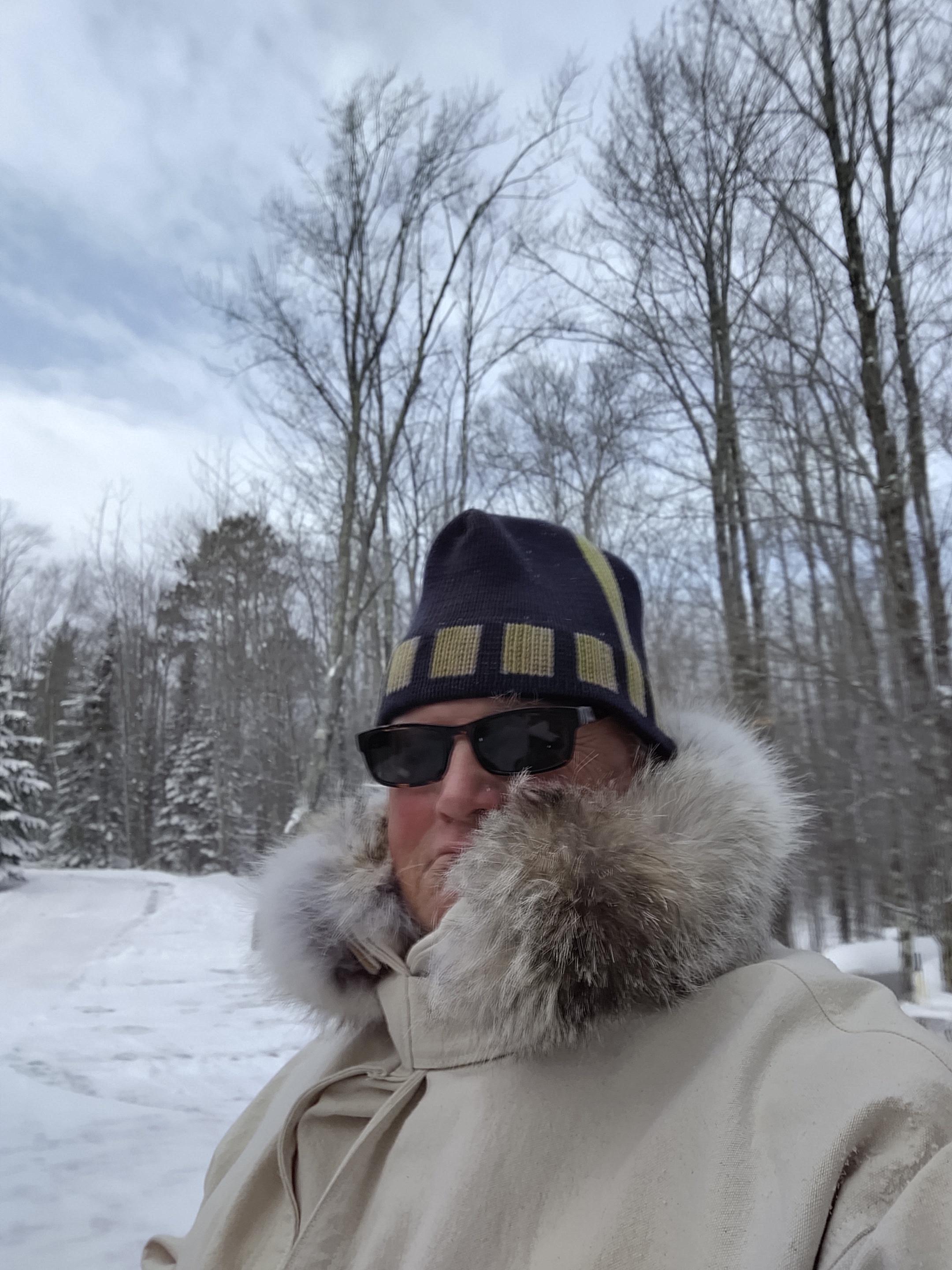
Yeah down for backpacking trips make sense as long as you can keep it dry. Super light, warm, and comfortable. I have used it for that quite a bit. Once you add the threat of getting wet, though it becomes less attractive. Down loses about 85% of it’s insulating value when wet. Hollofill as a representative Synthetic loses about 45%. Wool loses 25%, and will air dry two or three times faster then the other two. Caribou fur essentially loses none as the hairs are hollow and water shedding. That’s why traditional Inuit Anoraks are made of caribou hide tanned and turned inside out. As I don’t have a supply of caribou to make clothing with, for an outer shell I use a Canvas Anorak made of 10oz duck, with as many layers of wool underneath as I need, and a bottom layer of moisture wicking synthetic or silk. Pants wool, or if moisture or water is a problem I replace those with waterproof, insulated bib overalls that have built in flotation. I replace the Anorak in wet conditions with an outer gore-tex shell which is not as breathable as the anorak, but still lets a fair proportion of water vapor generated by perspiration to escape. One thing, in ultra cold conditions, that coyote or lynx fur ruff on the Anorak is amazing in how it protects your face and sets up a warm area around your head when the hood is up.
-
Amen🇺🇸🙏🏼
-
Winter survival in a wet climate with temperatures between 25 and 40 can be just as tough. Nothing more dangerous then wet cold.
-
sound advice. The only thing you want tight is your base layer if it is moisture wicking, otherwise that should be a little loose too. All the dead air spaces in loose clothing provide warmth as well. Avoid cotton as it retains moisture. Move half speed to avoid sweating. Layers you can shed to regulate temperature are better then one big heavy coat. That is the weakness of big heavy down coats. Leave those for when you are in interior Alaska or Baffin Island. I wear mine maybe twice a year.
-
He has been around for a long time. Nice plug for Wilson Combat. Which is very good no question.
-
I am rekindling an interest in this, more to educate my son, who like me in my youth, is getting into winter camping in his 20's. In my youth I would head to the BWCA, or Yellowstone for the subzero challenges. I am past that now, but still like to get out on days like today, 8F with a 40mph wind. =-12F windchill. Recently I picked up a Inuit styke anorak, but in canvas from a source in Canada. Just got back from wearing it on my 3 mile dog walk. Coupled with a seriously heavy wool jacket underneath, gotta say it puts my Eddie Bauer down filled superior polar parka to shame. More comfortable, lighter, and just as warm if not warmer. It also beats my Stryker ice fishing coat hands down, but that has the advantage of floating if you go through the ice, which does happen. So keeping it for ice fishing. For all the new fabrics, I think wool is still my go to in winter. In fact it seems all the space age synthetics are best when mixed with traditional fibers for cold weather use. I have pretty much relegated down to the back of the closet except for short term use in non extreme situations like a trip to the grocery store. I do use Under Armor’s synthetic base layer because I sweat a lot, even in winter, then layer Merino wool sweater and tight woven merino wool pants over that, followed by a heavy wool jacket and the Anorak if needed for the wind. The Anorak is needed as wool for all it’s pluses just doesn’t cut the-wind at all.That gets me down to minus 25F, maybe more. Any one else have winter gear tid bits, post em!