Sisco
-
Posts
6,623 -
Joined
-
Last visited
Content Type
Profiles
Forums
Downloads
Gallery
Store
Everything posted by Sisco
-
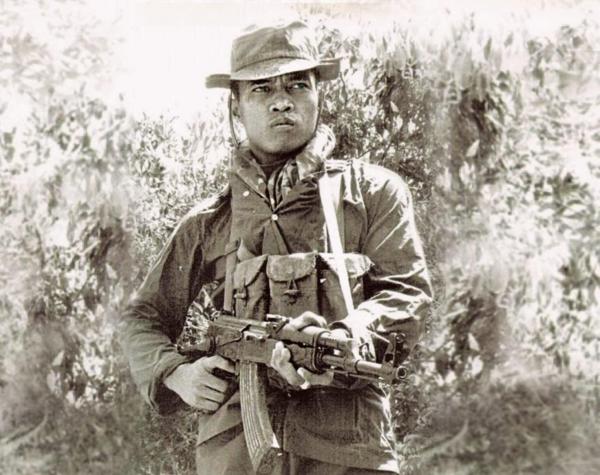
More on Mr. Flaherty: Maybe the most unconventional man to ever serve in the unconventional world of Special Forces! Richard J. Flaherty, born with a rare blood disease only grew to the size of 4' 9" 97lbs, but he had big dreams and wanted to fight for his country. All the military branches turned him down but that didn't deter Flaherty. He spent three years writing letters until the Army finally allowed him in but no one ever believed he would make it through basic training. Flaherty exceeded all expectations by becoming a Paratrooper and Officer. In December of 1967, he was sent to Vietnam with the 101st Airborne Division. One of his first tests as a Platoon Leader was during the "Tet Offensive. After his first tour he then went on to do the impossible by becoming a Special Forces Green Beret Captain and war hero - Silver Star, 2 Bronze Stars, & 2 Purple Hearts. After the war due to the Reduction in Force, Flaherty was recruited into the shadowy world of military contract work: Rhodesian military, CIA and the ATF. In 2015, two weeks before he was killed, Flaherty confessed his life story to his friend Miami police officer, David Yuzuk. Yuzuk would then embark on a three-year investigative journey dragging him down the rabbit hole of black ops and CIA conspiracies from the bloody jungles of Vietnam to the dangerous streets of Iraq & Venezuela, all in search of the peripatetic Captain Richard J. Flaherty. Flaherty Military Bio: In December of 1967, he was sent to Vietnam with the 101st Airborne Division. One of his first tests as a Platoon Leader was during the "Tet Offensive." He served as a Platoon Leader with companies B, C, and D and as a Recon Platoon Leader with Echo company. In January of 1969, he returned to CONUS and attended the Special Forces School at Fort Bragg and was then assigned to the 3rd Special Forces Group. Later that year he returned to South East Asia with the 46th Special Forces Company A-110 in Camp Pawai, Lopburi Thailand. Captain Flaherty also earned the Air Medal, Gallantry Cross W/Silver Star, Army Commendation Medal, Combat Infantryman’s Badge, 3 Overseas Bars, Sharpshooter Badge W/Rifle Bar, Air Medal, Parachutist Badge, Vietnam Service badge. To learn more about Richard J. Flaherty please check out the book, "The Giant Killer" available on Amazon as a Hardcover, Paperback, eBook, & Audiobook or the award winning documentary, "The Giant Killer Finding Flaherty" available to watch on Amazon, YouTube, Google Play, Tubi, Plex, VUDU, Roku, and iTunes. Free on Tubi & US Amazon Prime.
-
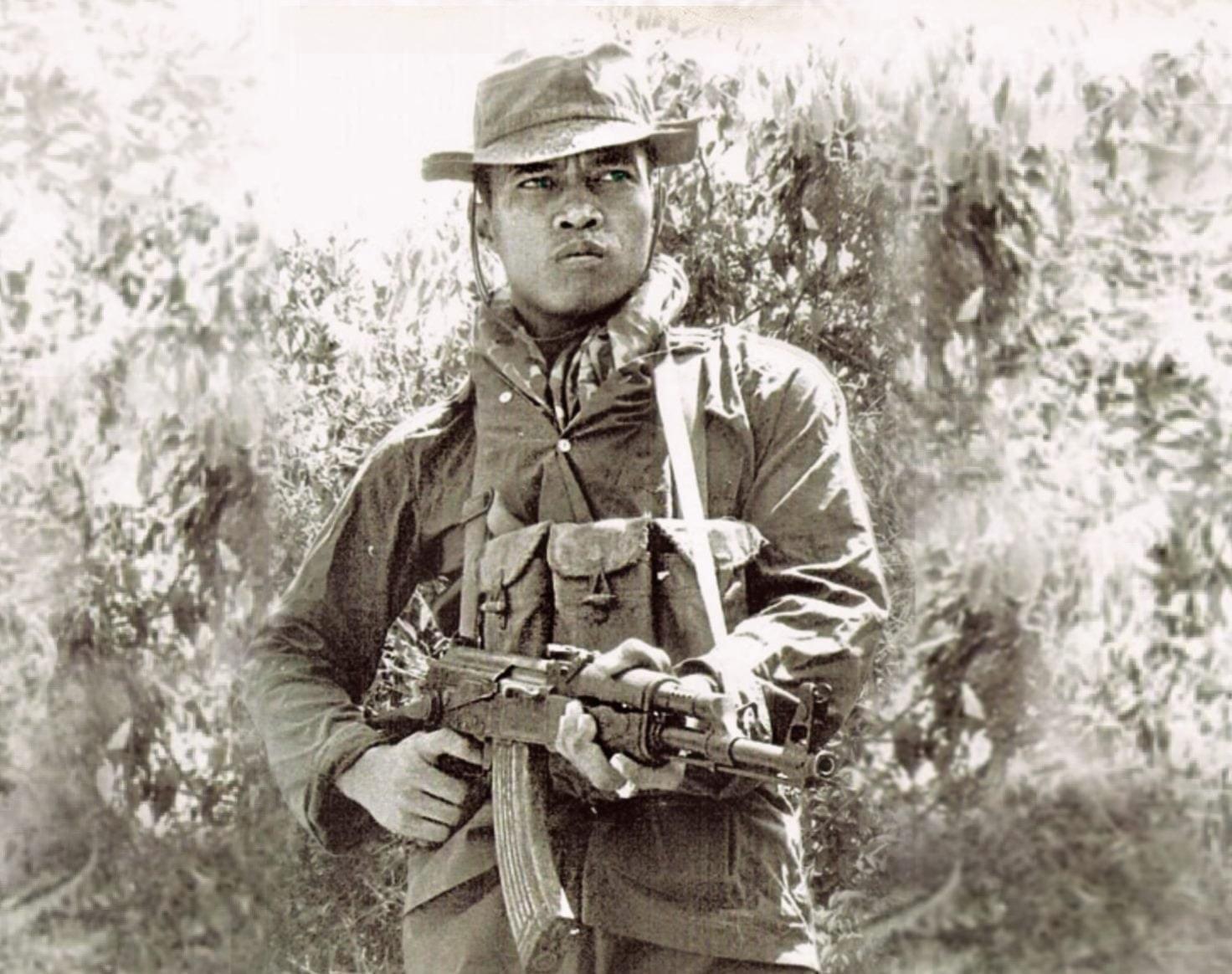
The longest serving Ranger. 2 Silver Stars, 10 Bronze Stars... Army Ranger Patrick Gavin Tadina is pictured here in an undated photo wearing North Vietnamese Army fatigues and carrying an AK-47. A 30-year Army veteran who was the longest continuously serving Ranger in Vietnam and one of the war's most decorated enlisted soldier. Patrick Gavin Tadina served in Vietnam for over five years straight between 1965 and 1970, leading long range reconnaissance patrols deep into enemy territory -- often dressed in black pajamas and sandals, and carrying an AK-47. A native of Hawaii, Tadina earned two Silver Stars, 10 Bronze Stars -- seven with valor -- three Vietnamese Crosses of Gallantry, four Army Commendation Medals, including two for valor, and three Purple Hearts. His small stature and dark complexion helped him pass for a Viet Cong soldier on patrols deep into the Central Highlands, during which he preferred to be in the point position. His citations describe him walking to within feet of enemies he knew to be lying in wait for him and leading a pursuing enemy patrol into an ambush set by his team. In Vietnam he served with the 173rd Airborne Brigade Long Range Reconnaissance Patrol, 74th Infantry Detachment Long Range Patrol and Company N (Ranger), 75th Infantry. Tadina joined the Army in 1962 and served in the Dominican Republic before going to Southeast Asia. He also served with the 82nd Airborne Division in Grenada during Operation Urgent Fury in 1983 and with the 1st Infantry Division during Operation Desert Storm in 1991. A 1995 inductee into the Ranger Hall of Fame, he served with "extreme valor," never losing a man during his years as a team leader in Vietnam, a hall of fame profile at Fort Benning said. Some 200 men had served under him without "so much as a scratch," said a newspaper clipping his daughter shared, published while Tadina was serving at Landing Zone English in Vietnam's Binh Dinh province, likely in 1969. Tadina himself was shot three times and his only brother was also killed in combat in Vietnam, Stars and Stripes later reported. The last time he was shot was during an enemy ambush in which he earned his second Silver Star, and the wounds nearly forced him to be evacuated from the country, the LZ English story said. As the point man, Tadina was already inside the kill zone when he sensed something was wrong, but the enemy did not fire on him, apparently confused about who he was, the article stated. After spotting the enemy, Tadina opened fire and called out the ambush to his teammates before falling to the ground and being shot in both calves. He refused medical aid and continued to command until the enemy retreated, stated another clipping, quoting from his Silver Star citation. "When you're out there in the deep stuff, there's an unspoken understanding," he told Tate in 1985. "It's caring about troops." After retiring from the Army in 1992, he continued working security jobs until 2013, Poeschl said, including stints in Iraq, Afghanistan and Pakistan. Story Source Military .com
-
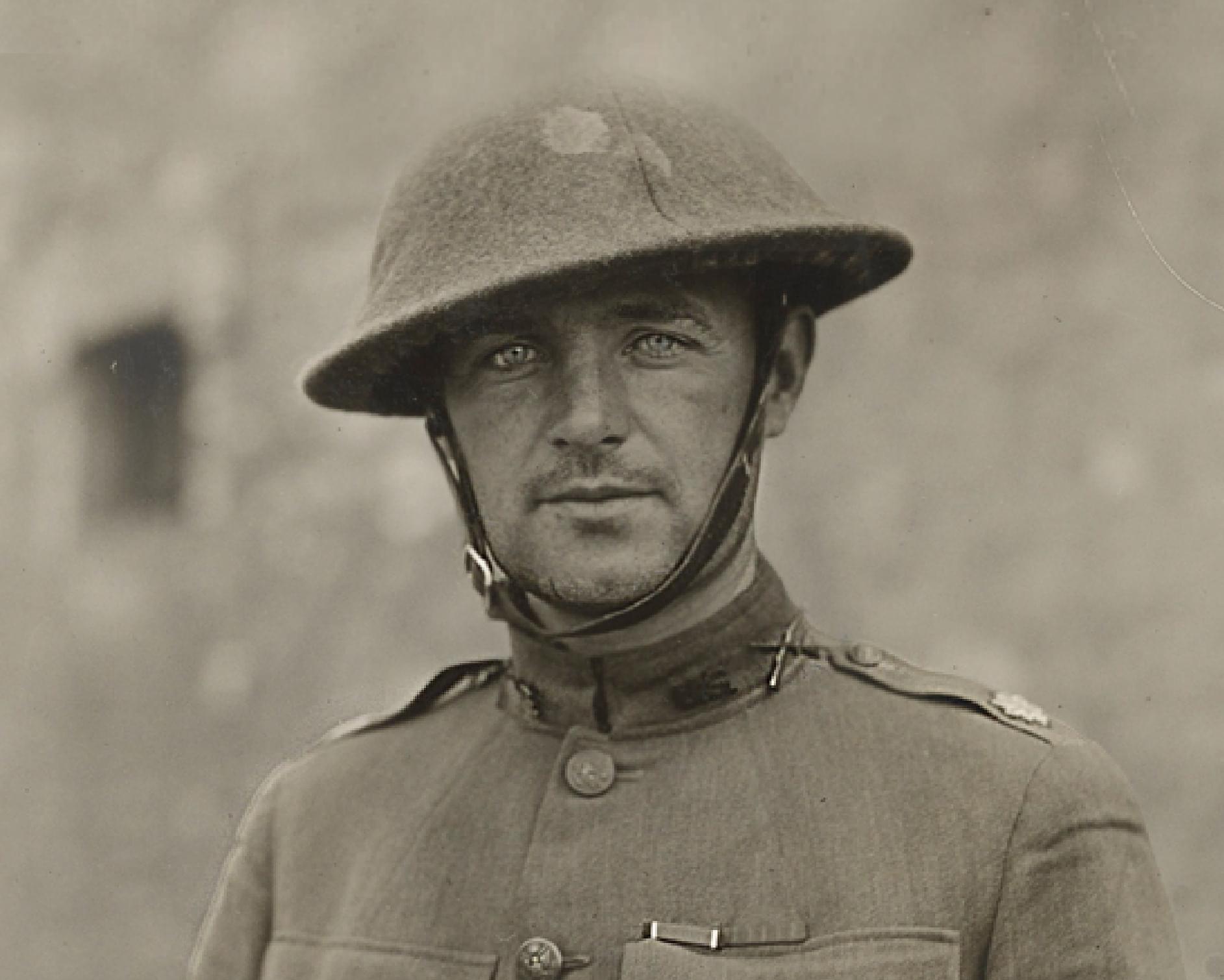
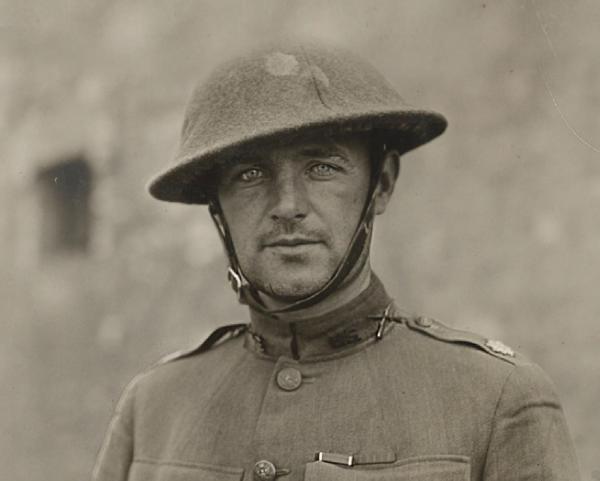
Good story on Flaherty. This guy was an American legend: “Wild Bill” Donovan: Irish-American War Hero and Superspy: “Wild Bill“ Donovan had many fascinating friends, including Ian Fleming, creator of James Bond – the fictional, globe-trotting superspy. Donovan’s real-life feats, however, surpassed even Bond’s wildest exploits. Perhaps no other Irish American served his country more daringly, yet Donovan’s largely clandestine service to America is still greatly under-appreciated. Born in 1883 into poverty, the son of a County Cork-born railroad superintendent in Buffalo, New York, William Joseph Donovan combined rakish good looks with a first-rate intelligence. Rare amongst Irish-Americans of his generation, Donovan inherited his father’s allegiance to the Republican party. Excelling in his local Catholic school, Donovan first went to a local Catholic college before transferring to Columbia University, where he starred as the football team’s quarterback. Admitted to its law school in 1905, Donovan was a classmate of his future boss, Franklin Delano Roosevelt, but the two were not friendly. Donovan, though, was too restless just to practice law. Eager for military service, he and his Saturn Club friends formed a National Guard cavalry troop, known as the Silk Stocking Boys, which was soon dispatched to Mexico, chasing Pancho Villa in vain across the hot and dusty Mexican landscape. When America entered the Great War in 1917, Donovan was commissioned as a major in “the Fighting 69th,” a regiment of poor Irish toughs who, despite their heroism in the Civil War, were notorious for their fist-fighting and hard drinking. Donovan weeded out the troublemakers, putting his imprint on the unit by hand-picking 2,000 smart, athletic, and agile men. Becoming infamous for his demanding physical training of the recruits, in which he also took part, Donovan once asked his exhausted men what the hell was wrong with them. One of them replied, “We are not as wild as you are, Major Donovan,” and the name stuck. Donovan befriended the 69th’s famous Canadian-born chaplain Father Duffy, whose statue still graces New York’s Times Square. Duffy admired Donovan’s fearlessness in battle. Donovan wore his medals in battle to encourage his men, even though they made him a target for snipers. On July 27, 1918, Donovan proved his valor while leading his men across the Ourcq River. Hemmed in by machine guns on three sides, Donovan refused to cower, even though the 69th lost 600 of 1,000 men, including three-quarters of the officers. For his bravery, Donovan won the Distinguished Service Cross, the nation’s second-highest award. Soon, Donovan again displayed his courage, fighting in the thick of battle on October 14 and famously shouting, “They can’t hit me and they won’t hit you!” Wounded the next morning, Donovan refused to be evacuated and continued commanding his men, even after American tanks retreated from the withering German fire. Awarded the Medal of Honor, Donovan’s letters about the engagement, published by newspapers, made him a national hero. Upon being awarded the Medal of Honor, Donovan became the most decorated soldier in U.S. history, winning, amongst other orders, the Silver Star, the Purple Heart, and several foreign awards. The Fighting 69th, or what was left of it, returned to a hero’s welcome and a ticker-tape parade up Fifth Avenue. Using his newly found fame, Donovan, along with Teddy Roosevelt, Jr., started the American Legion, which quickly evolved from a group of war veterans into the most influential American veteran group, with over a million members and local posts across the country. Donovan became a hero with a national following. Returning to Buffalo to practice law, Donovan soon grew bored of private practice and won appointment as a U.S. attorney in Buffalo. Prohibition laws then existed, but his Saturn Club openly flouted them; nevertheless, Donovan declared the “law is the law,” and ordered a raid on the club by sledgehammer-wielding federal agents. Damned by the influential club members, Donovan was effectively driven from Buffalo, much to the consternation of his wife’s WASP family. Moving first to Washington, D.C., in 1924, he became assistant attorney general at the Justice Department, but his career was blocked by anti-Catholic discrimination. Donovan then came to New York in 1929 to start his own lucrative Wall Street law firm, which made him a millionaire. Ever restless, he ran unsuccessfully for governor of New York in 1932, surprisingly proving to be a poor stump speaker who drew resentment from many Irish voters for looking and acting like the rich Republican he was. Spending lavishly, Donovan was always on the move, shuttling between his Washington mansion, his duplex on New York’s Beekman Place, his summer home on Cape Cod, and his Virginia country home. His wanderlust increasingly took him to Europe and Asia, where he wrote reports for clients on the investment climate. In 1939, he met Spain’s Generalissimo Franco on the front lines of the Spanish Civil War, where he observed Nazi Germany’s frightening use of its weapons and warplanes. He also visited Italy’s Mussolini, who was impressed by Donovan’s war heroics. Ostensibly traveling for business, Donovan in fact gathered intelligence for a secretive private organization known as the Room, a group of international businessmen and lawyers who traded tips on the increasingly ominous European situation. Amazingly, before World War II, the U.S. government had no foreign spy agency, leaving it unprepared for the upcoming world war. In 1939, with Britain facing war, its foreign intelligence service MI6 began looking for American allies and spotted one in Donovan who, despite his Irish background, was an anglophile. In July 1940, Donovan flew to London to meet Colonel Stewart Menzies, the chief of MI6, and Winston Churchill, whom Donovan greatly impressed. Returning to Washington as the Battle of Britain raged, the pro-British Donovan told Roosevelt that Britain could survive only with America’s help. In January 1940, Donovan sat in a radio studio plugging The Fighting 69th, a new Hollywood movie. The film, starring James Cagney, Pat O’Brien, and George Brent as Donovan, put him back in the spotlight just when President Roosevelt needed someone with Donovan’s European experience. Roosevelt liked Donovan and trusted his intelligence, even though Donovan was a Republican. In July 1941, FDR established the Office of the Coordination of Information (C.O.I.), naming Donovan its director. After Pearl Harbor, Roosevelt again turned to Donovan, adopting Donovan’s blueprint for a secret American intelligence service based on the British model and appointing him to run the agency, called the O.S.S.: the Office of Strategic Services. Quickly, Donovan created a massive spy network fighting a worldwide, clandestine war. Occupying the rank of two-star general, Donovan slept little, continually flying abroad on secret missions. Ever the soldier, Donovan even defied orders, landing at Normandy on D-Day while barely avoiding capture by German soldiers. Donovan’s O.S.S. nevertheless played a huge behind-the-scenes role in winning the war for the Allies. At the end of the war, America was in transition. Donovan and the American Legion pushed the GI Bill, the most far-reaching education program in American history, through Congress, allowing millions of veterans a college education. America also knew it needed a foreign intelligence agency and Donovan hoped to be named by FDR’s successor Harry Truman to head the newly created Central Intelligence Agency, the CIA. However, Truman, a loyal Democrat, did not share FDR’s high opinion of Donovan, instead naming one of Donovan’s spies, Allen Dulles, to run the CIA. Deeply disappointed, Donovan went to Nuremberg, where he played an important role in providing evidence in the prosecution of former Nazis. For the remainder of his life, Donovan longed to run the CIA, but President Eisenhower also denied him the job, instead naming him ambassador to Thailand, where Donovan first began to show signs of the dementia that quickly grew worse. Hospitalized in 1957, Donovan suffered hallucinations, imagining the Red Army coming over the 59th Street Bridge, while often wandering onto the street in his pajamas. In his last days, Donovan received a hospital visit from Eisenhower, who called Donovan “the last hero.” When Donovan died on February 8, 1959, the CIA cabled its station chiefs around the world: “The man more responsible than any other for the existence of the Central Intelligence Agency has passed away.” Today, Donovan’s statue stands in the lobby of the CIA’s headquarters in Langley, Virginia, a tribute to the Irish-American war hero who single-handedly created America’s foreign intelligence capability. The Giant Killer book & page honors these incredible war heroes making sure their stories of valor and sacrifice are never forgotten. God Bless our Vets!🇺🇸🇺🇸🇺🇸 Story by Geoffrey Cobb
-
Hate to say it with all the steaks I have cooked on the grill, lately I have come to prefer the reverse sear method. It performs miracles with Chuck roasts and other chewy pieces of meat. I use the propane griddle to sear it after I pull the steak from the oven. Sizzle some butter on the griddle and put her on!
-
Took Alternate 14A in the 1970’s from Sheridan West to Yellowstone East entrance. Three mistakes: 1. Did not gas up in Sheridan, thought I had enough. 2. Left Sheridan at 10pm. 3. Took alt 14 rather then 14. Scariest road I have ever been on. No open gas stations in Graybull. Ran on fumes into Coty, fortunately one 24 hour gas station. Pushed on into the Park. The Scout broke down by the Rainbow Bridge. Crashed in it for a couple of hours. We were woke up by a Ranger who said we had to move, they were hunting a grizzly that had killed a camper the night before in Rainbow Bridge campground. Got the Scout started and pushed on into West Yellowstone.
-
I like the bored dog.
-
Yeah spending is out of control. The US spends 10 times what China does on defense yet the Pentagon is all bent out of shape because the Chinese have a lead in hypersonic missiles and anti ship missiles. Why? We get a lot less for all the money that is spent. Time to clean that up.
-
Yep. Except for those who don’t pay taxes at all because they can afford armies of accountants to figure out how to avoid it. I am in favor of a simple flat rate tax that everybody pays the same rate. Period. Then it is over.
-
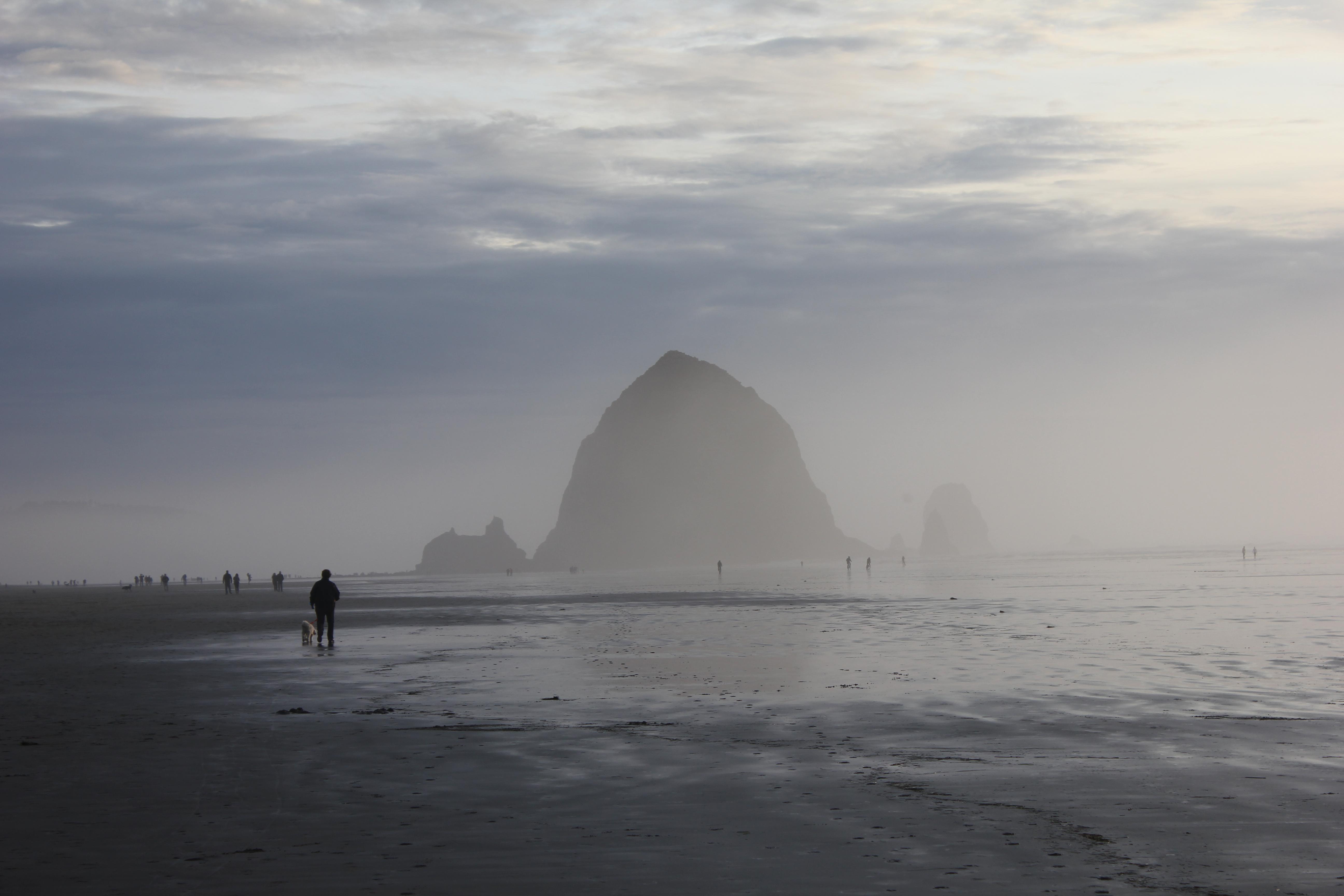
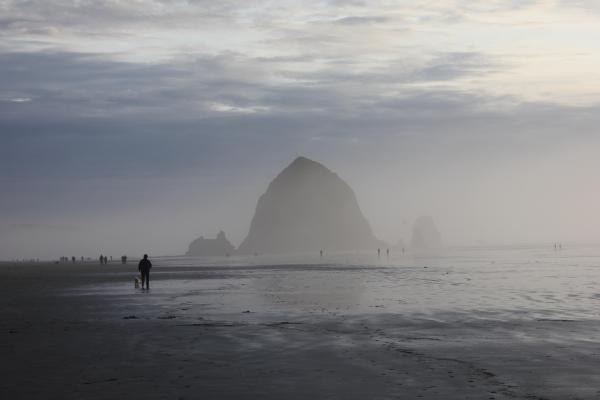
Great Pics! So you saw the haystack at Cannon Beach! Been there a few times. Love the PNW.
-
Being left handed, my question is: Why get a left hand upper? It is not really necessary. Outfit your 308 AR with an ambidextrous safety and maybe an ambidextrous magazine release and you will find a standard right side ejection upper will work just fine. Then get an Aero upper and save yourself fitment problems.
-
Probably the smartest thing you have said since joining the forum. Of course you haven’t set the bar very high so far.
-
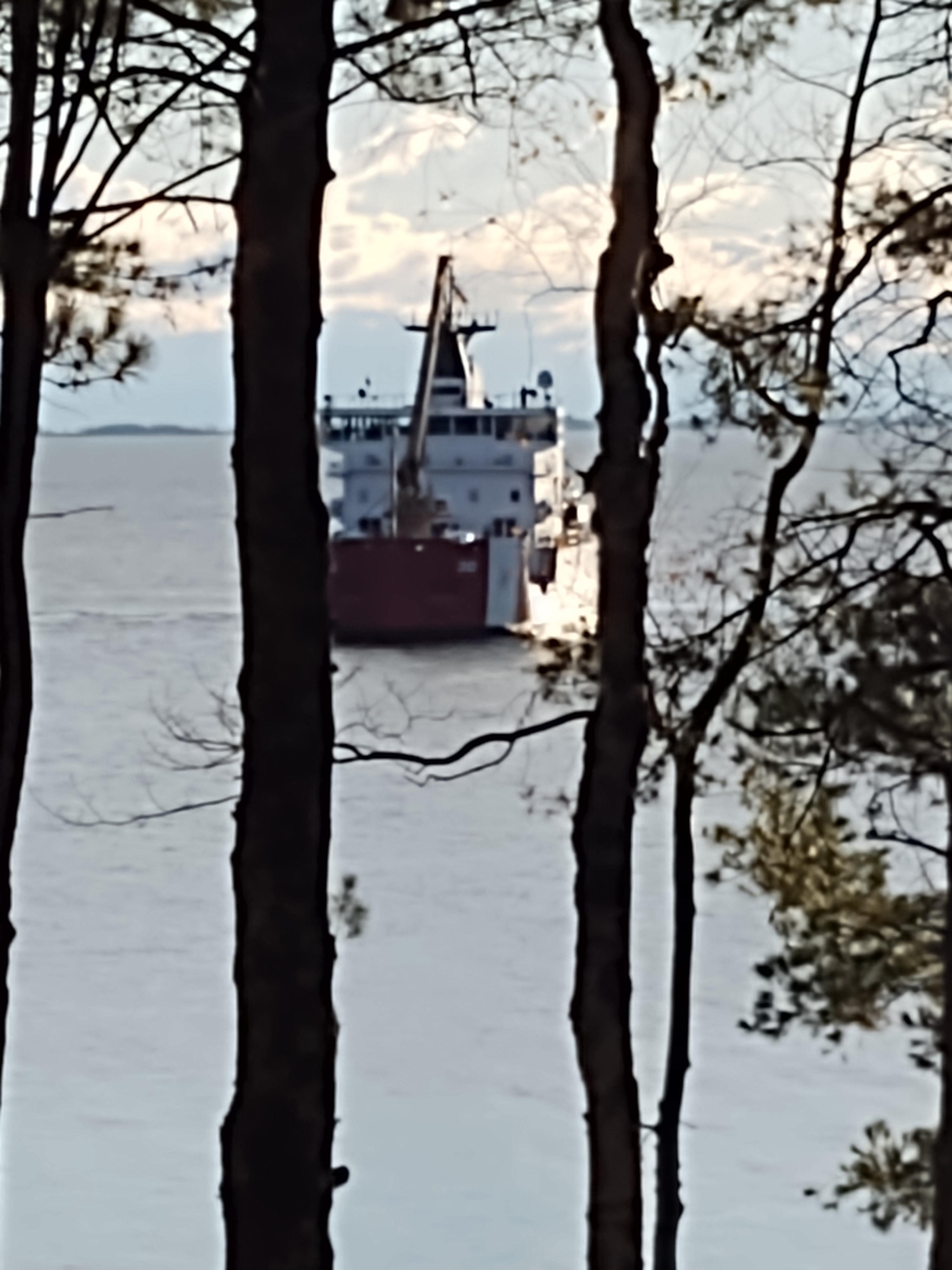
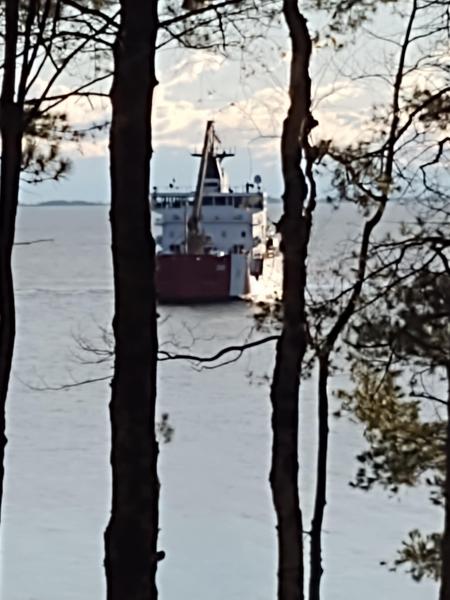
Real time: The ice breaker Mackinac pulling the buoy this morning.
-
Mike I know the burden, did it myself for my Dad. You won’t regret doing it. But I know you already know that. Enjoy his company in what time he has left. Then it is gone.
-
I will.but it comes with the territory
-
Thanks, Pfizer didn’t do nearly as well, but it wasn’t a loss.
-
Late one for you Ron, thought you might like this. Happy Birthday.
-
The Kenai in Alaska had a 98 pounder back in the 80’s. Sadly I hear that run is really down.
-
Nice ride Hemi. A really handsome Cuda.
-
You guys may be morally against this one, but last November I bought Moderna at $89 and sold it this late summer at $329. Worked for me.
-
Welcome from Wisconsin!
-
Colin Powells 13 rules: 1. It Ain’t as Bad as You Think! It Will Look Better in the Morning. Leaving the office at night with a winning attitude affects more than you alone; it conveys that attitude to your followers. 2. Get Mad Then Get Over It. Instead of letting anger destroy you, use it to make constructive change. 3. Avoid Having Your Ego so Close to your Position that When Your Position Falls, Your Ego Goes With It. Keep your ego in check, and know that you can lead from wherever you are. 4. It Can be Done. Leaders make things happen. If one approach doesn’t work, find another. 5. Be Careful What You Choose. You May Get It. Your team will have to live with your choices, so don’t rush. 6. Don’t Let Adverse Facts Stand in the Way of a Good Decision. Superb leadership is often a matter of superb instinct. When faced with a tough decision, use the time available to gather information that will inform your instinct. 7. You Can’t Make Someone Else’s Choices. You Shouldn’t Let Someone Else Make Yours. While good leaders listen and consider all perspectives, they ultimately make their own decisions. Accept your good decisions. Learn from your mistakes. 8. Check Small Things. Followers live in the world of small things. Find ways to get visibility into that world. 9. Share Credit. People need recognition and a sense of worth as much as they need food and water. 10. Remain calm. Be kind. Few people make sound or sustainable decisions in an atmosphere of chaos. Establish a calm zone while maintaining a sense of urgency. 11. Have a Vision. Be Demanding. Followers need to know where their leaders are taking them and for what purpose. To achieve the purpose, set demanding standards and make sure they are met. 12. Don’t take counsel of your fears or naysayers. Successful organizations are not built by cowards or cynics. 13. Perpetual optimism is a force multiplier. If you believe and have prepared your followers, your followers will believe.
-
He was suffering from multiple myelomas and immunosuppressed, though he didn't make it common knowledge. Guy served his country to the best of his ability. I will leave the caustic uninformed comments to other people and just give him my respect.
-
https://www.msn.com/en-us/news/us/colin-powell-dies-of-complications-from-covid-19-at-84/ar-AAPF465?ocid=uxbndlbing
-
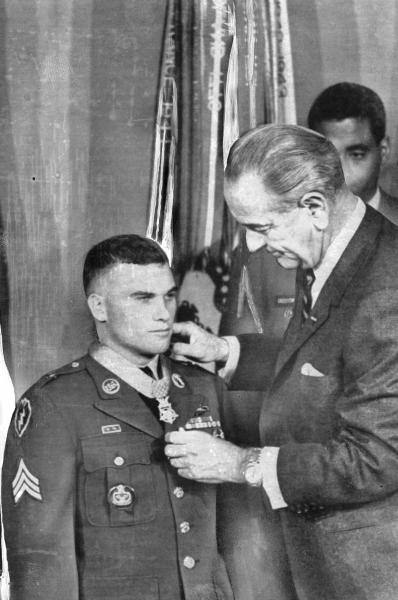
Another good one. At 5' 2" 105 lbs, Medal of Honor recipient, Sgt. John F. Baker Jr. certainly qualifies as a Giant Killer. He was also the recipient of the Silver Star, Bronze Star, and Purple Heart. Sgt. Baker made up for his diminutive stature by building up his physique. Inspired by his father’s work as a circus trapeze artist, he joined a gymnastics squad in high school and trained on the rings, learning to execute a perfect iron cross. Accepted by the Army during the Vietnam War — the Marine Corps said he was an inch too short — Sgt. Baker’s impressive strength helped him save the lives of his fellow soldiers. On Nov. 5, 1966, Sgt. Baker’s unit was tasked with reinforcing a group of American soldiers pinned down near Dau Tieng, close to the Cambodian border. About 3,000 Vietnamese had taken positions in the surrounding jungle, hiding in underground bunkers and roping themselves to tree branches. As the U.S. soldiers advanced, the lead scout was shot in the face. The jungle erupted in enemy fire. Camouflaged machine gun positions spit bullets that whizzed by Sgt. Baker’s head. Mortar rounds thumped the ground. Snipers in the trees picked off Americans hiding on the ground. Sgt. Baker ran toward the front with another soldier and helped destroy two enemy bunkers. During the attack, the other soldier was mortally wounded. Sgt. Baker killed four enemy snipers before carrying his comrade away from the ambush. Returning to the battle, Sgt. Baker was blown off his feet by an enemy grenade but recovered to make repeated trips through withering fire to evacuate wounded American soldiers much larger than himself. By the end of the two-hour conflict, Sgt. Baker’s uniform was soaked in the blood of his comrades. In all, Sgt. Baker was credited with recovering eight fallen U.S. soldiers, destroying six bunkers and killing at least 10 enemies. As his Medal of Honor nomination was considered, Sgt. Baker spent the rest of his tour as a “tunnel rat.” Armed with a flashlight and pistol, he explored the spider- and scorpion-infested subterranean network used by Viet Cong guerillas. During one mission, he discovered a full-scale hospital complete with surgical suites buried three stories below ground. Returning home in August 1967, Sgt. Baker served as a drill instructor. One day, he was told he had an urgent phone call. It was President Lyndon B. Johnson on the line, inviting him to the White House to be awarded the Medal of Honor, the military’s highest decoration for valor. According to his citation, “Sgt. Baker’s selfless heroism, indomitable fighting spirit, and extraordinary gallantry were directly responsible for saving the lives of several of his comrades, and inflicting serious damage on the enemy.” Joining Sgt. Baker at the ceremony in the East Room was his company commander, then-Capt. Robert F. Foley, who also was awarded the Medal of Honor for bravery during the same battle that November day in 1966. Foley, who retired from the Army as a lieutenant general in 2000, stood 6-foot-7 and played basketball at the U.S. Military Academy at West Point. Noticing the soldiers’ disparate heights, Johnson told Sgt. Baker and Foley that they reminded him of the cartoon characters Mutt and Jeff. John Franklin Baker Jr. was born Oct. 30, 1945, in Davenport, Iowa, and was raised in Moline, Ill. After being awarded the Medal of Honor, Sgt. Baker traveled the country as a recruiter. His repeated requests to be sent back to Vietnam for combat duty were denied. He retired from the military in 1989 and later worked at a Department of Veterans Affairs hospital in Columbia, S.C. The Giant Killer book & page honors these incredible war heroes making sure their stories of valor and sacrifice are never forgotten. God Bless our Vets!🇺🇸
-
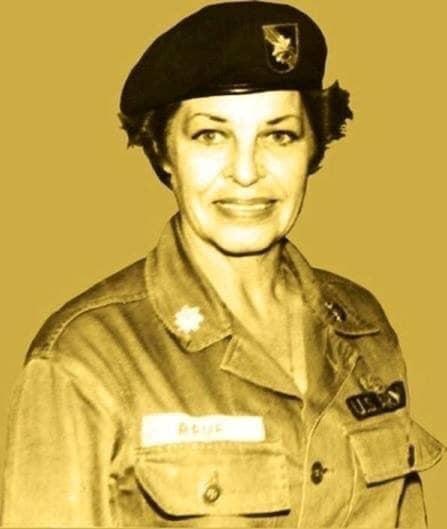
It was well recognized that Martha Raye endured less comfort and more danger than most Vietnam entertainers. The following is from an Army Aviator: "It was just before Thanksgiving '67 and we were ferrying dead and wounded from a large GRF west of Pleiku. We had run out of body bags by noon, so the Hook (CH-47 CHINOOK) was pretty rough in the back. All of a sudden, we heard a 'take-charge' woman's voice in the rear. There was the singer and actress, Martha Raye, with a SF (Special Forces) beret and jungle fatigues, with subdued markings, helping the wounded into the Chinook, and carrying the dead aboard. ‘Maggie' had been visiting her SF 'heroes' out 'west'. We took off, short of fuel, and headed to the USAF hospital pad at Pleiku. As we all started unloading our sad pax's, a 'Smart Mouth' USAF Captain said to Martha, “Ms Ray, with all these dead and wounded to process, there would not be time for your show!" To all of our surprise, she pulled on her right collar and said, “Captain, see this eagle? I am a full 'Bird' in the US Army Reserve, and on this is a 'Caduceus' which means I am a Nurse, with a surgical specialty, now, take me to your wounded!" He said, "Yes ma'am. follow me." Several times at the Army Field Hospital in Pleiku, she would 'cover' a surgical shift, giving a nurse a well-deserved break. Martha is the only woman buried in the SF (Special Forces) cemetery at Ft Bragg.