Jump to content
308AR.com Community
  • Visit Aero Precision
  • Visit Brownells
  • Visit EuroOptic
  • Visit Site
  • Visit Beachin Tactical
  • Visit Rainier Arms
  • Visit Ballistic Advantage
  • Visit Palmetto State Armory
  • Visit Cabelas
  • Visit Sportsmans Guide

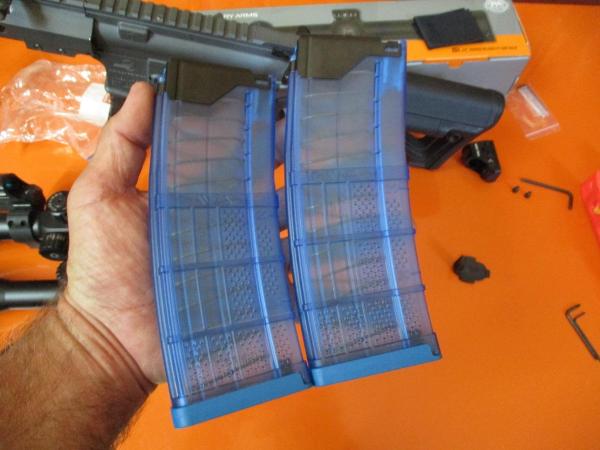
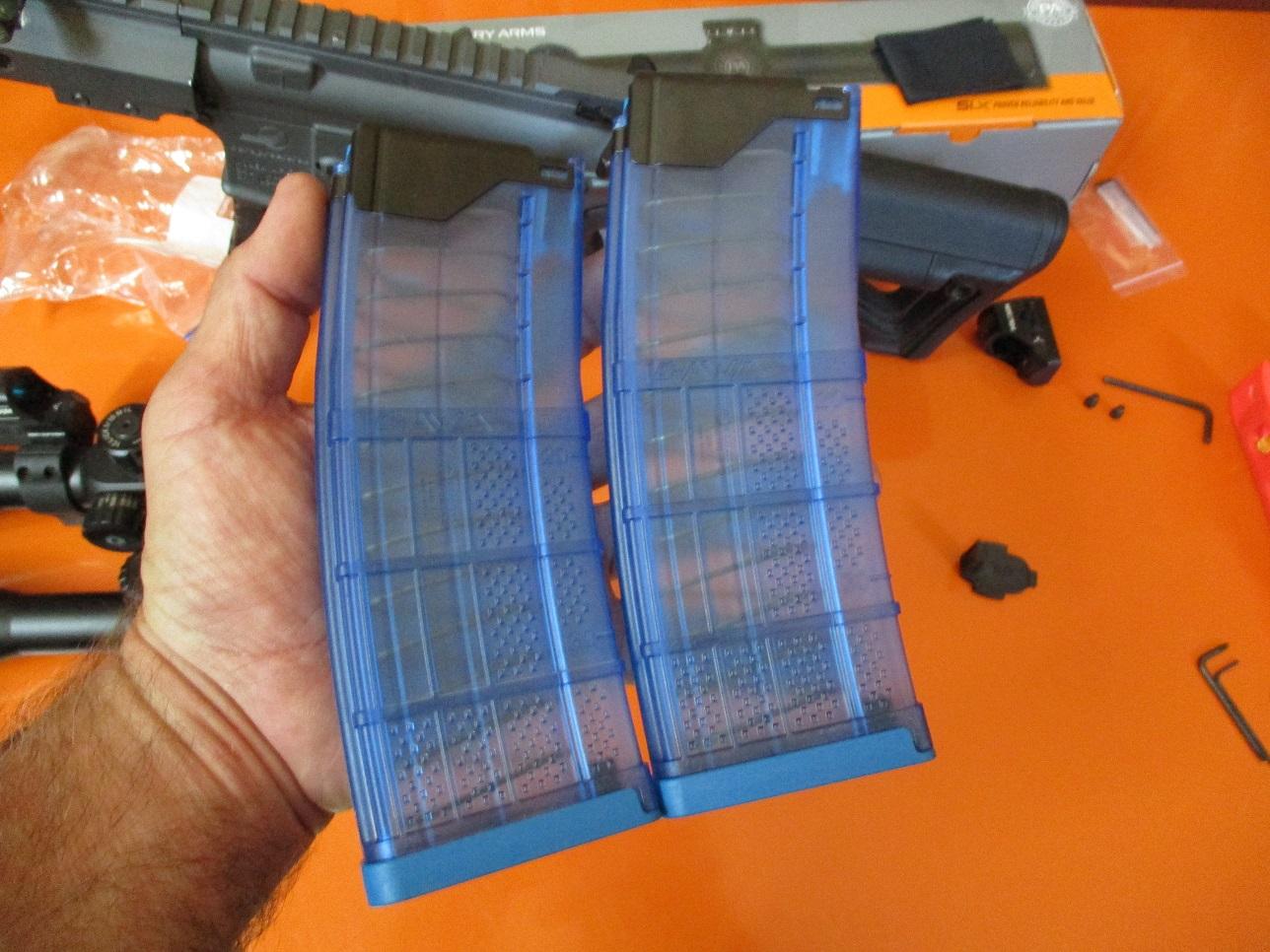
98Z5V

Specialist
  • Posts

    39,333
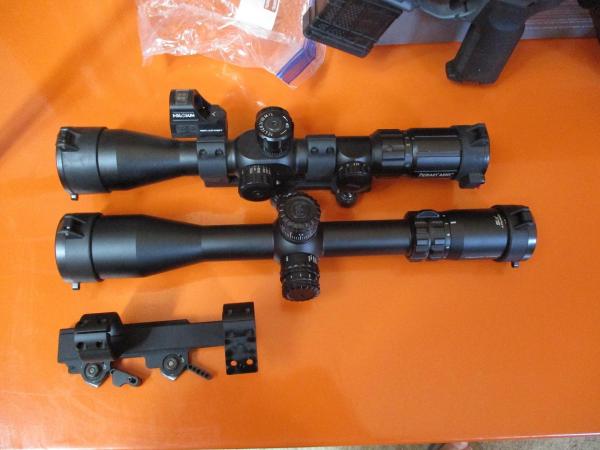
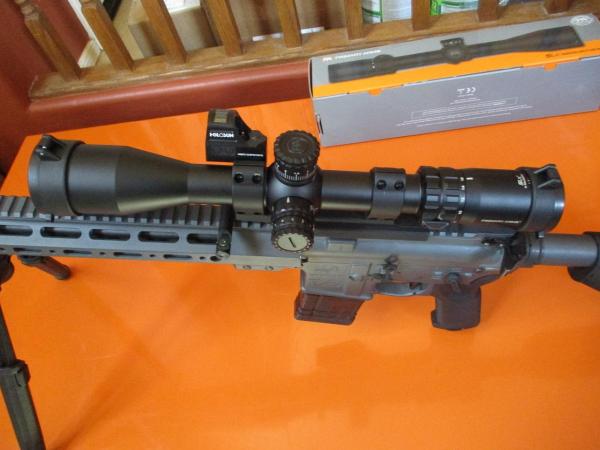
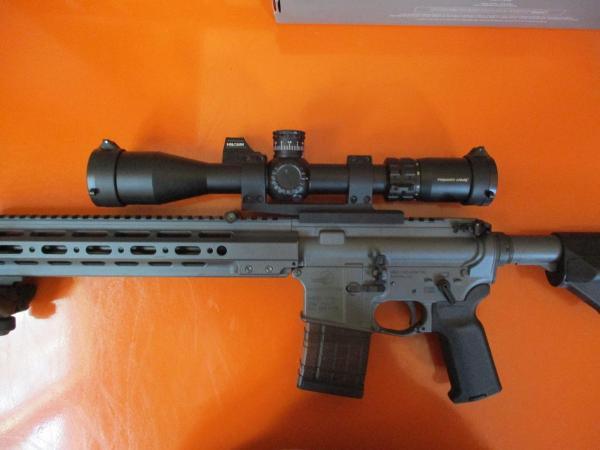
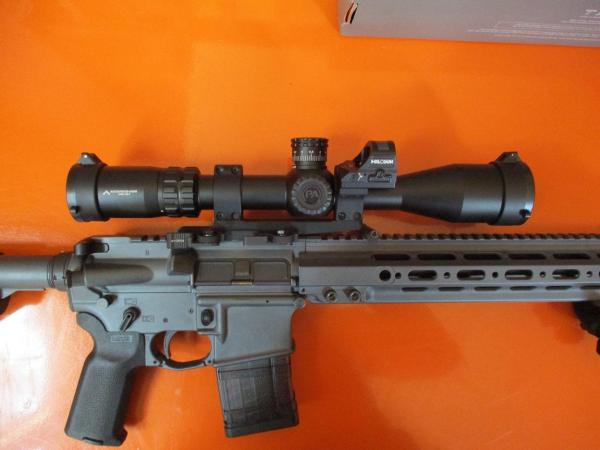
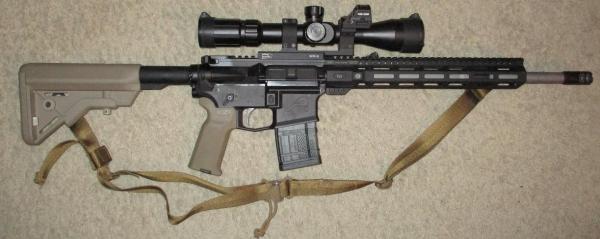
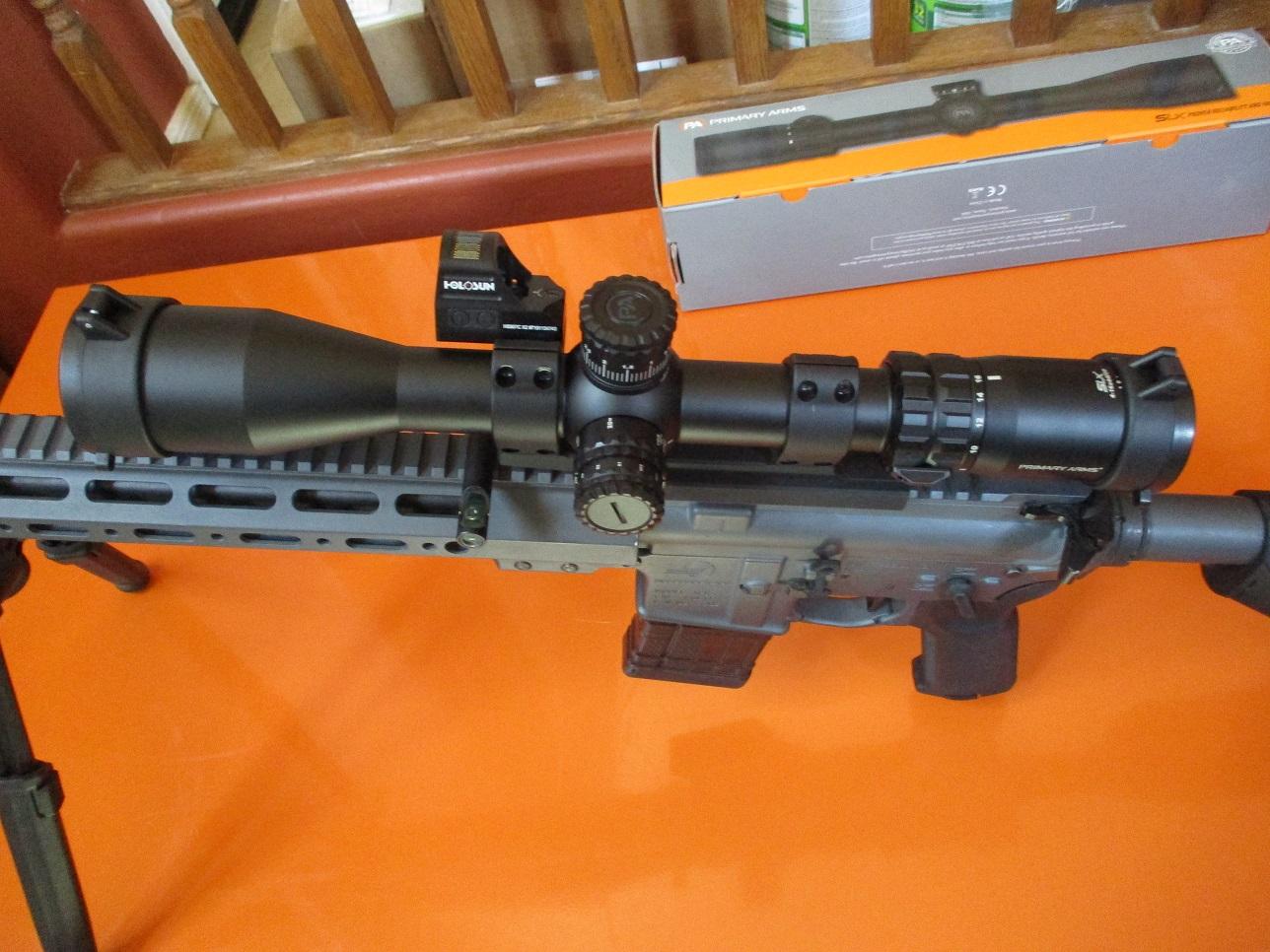
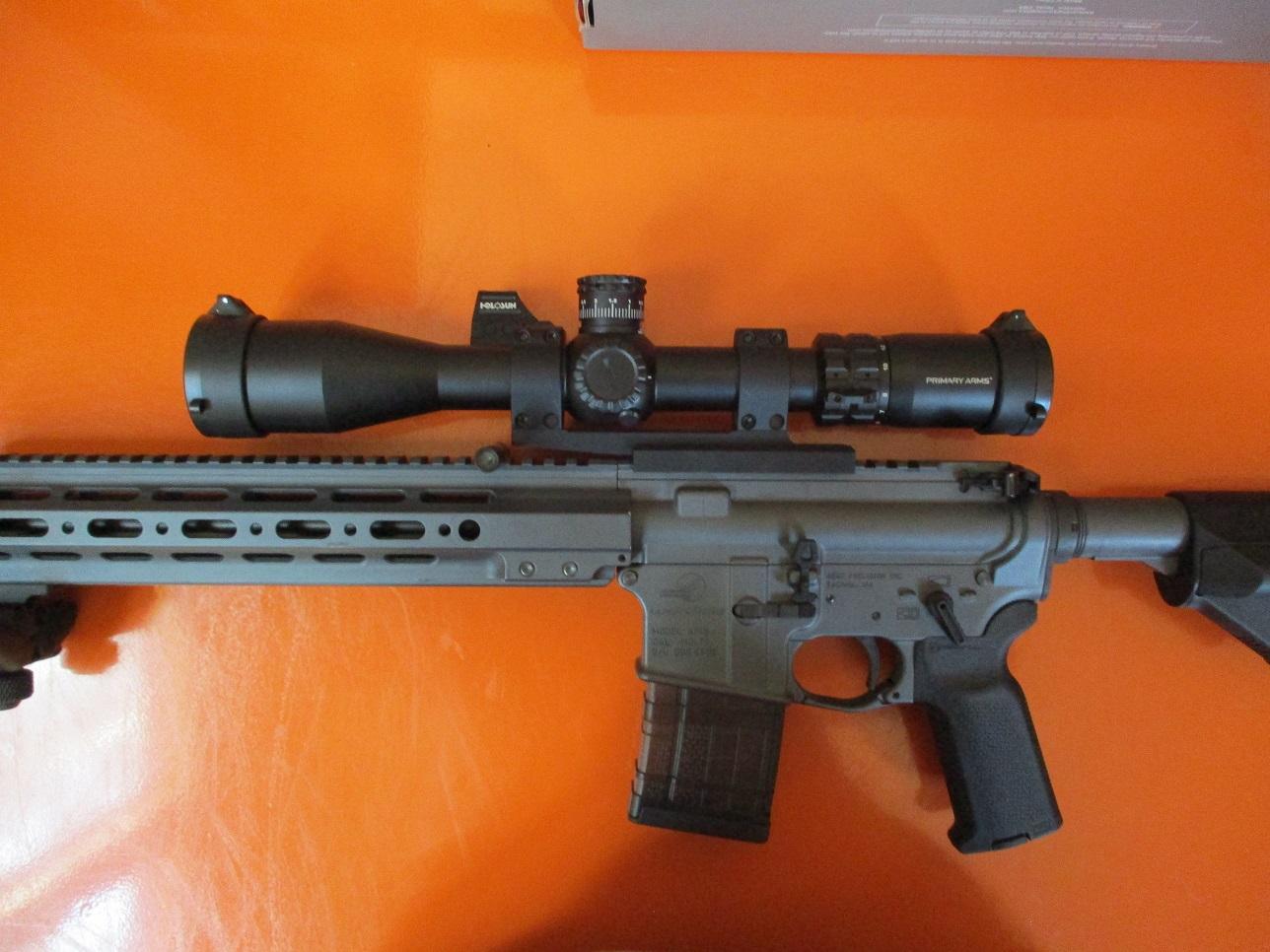
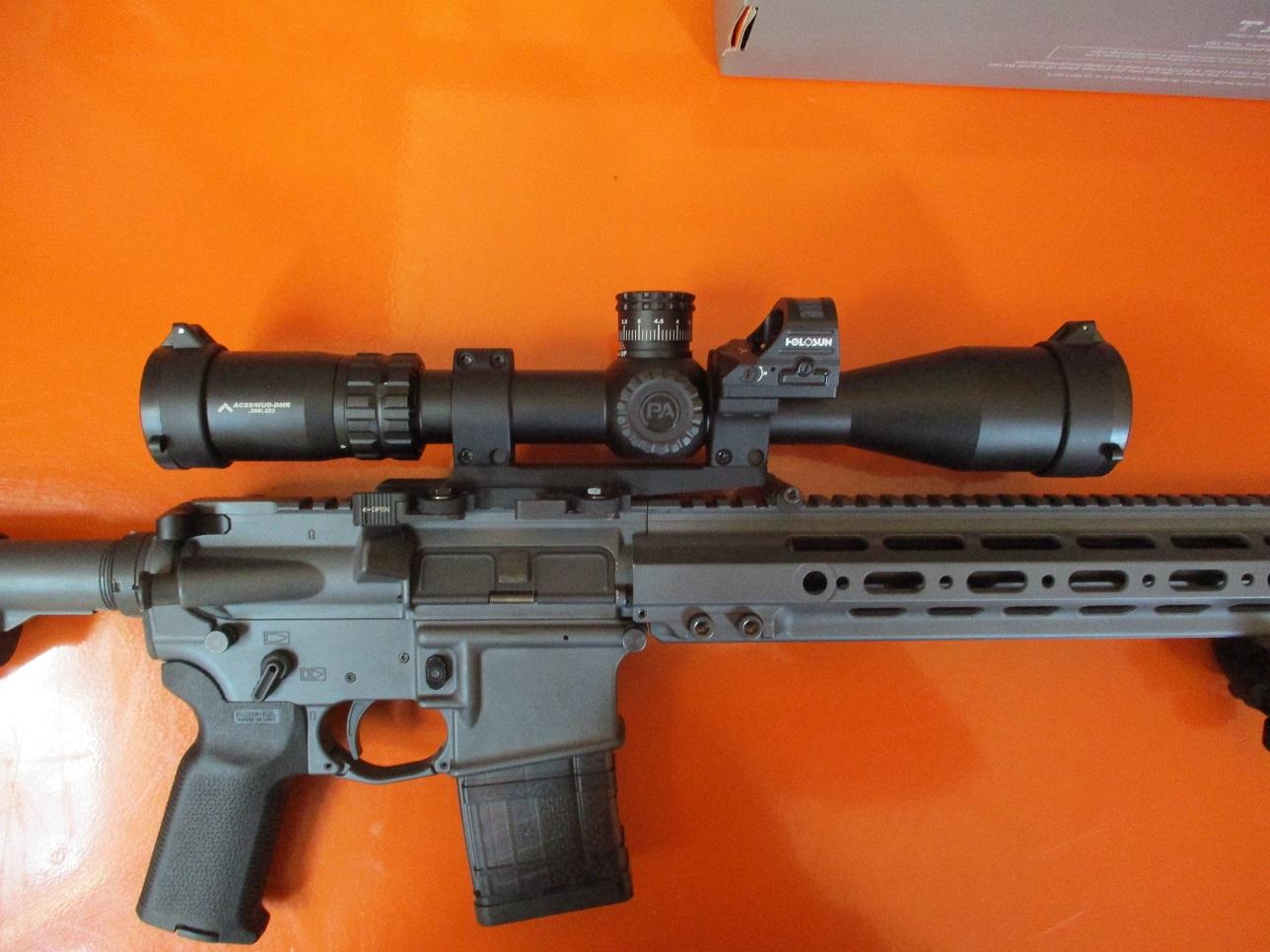
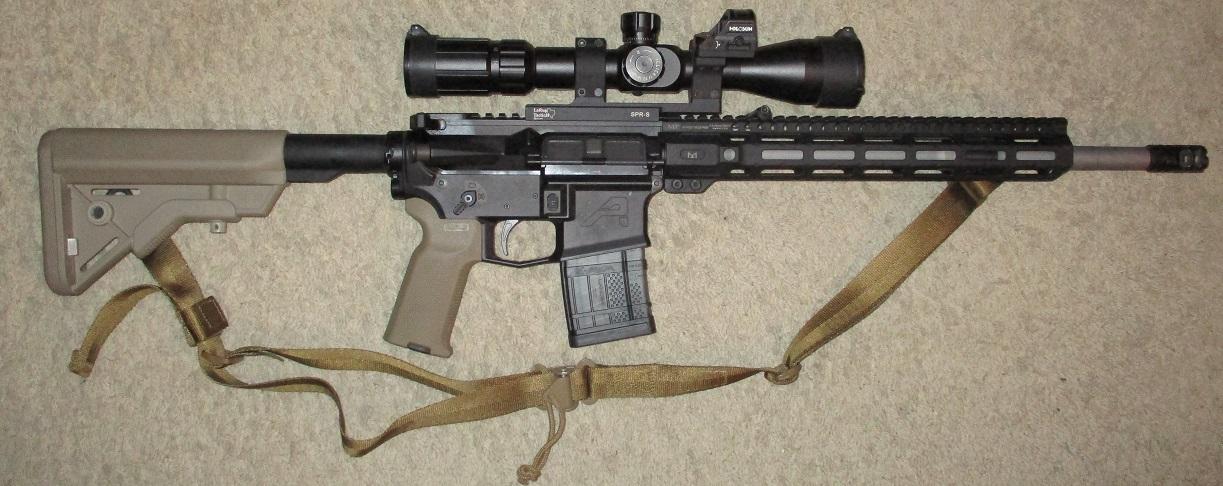
  • Joined

  • Last visited

Everything posted by 98Z5V

  1. This is a FUKKIN TRICK QUESTION!!! This is like a woman asking you "Does this dress make my ass look fat?..." No, baby - your ASS makes your ass look fat!" But, we don't say that... We KNOW what will happen. I'm not answering you, brother. Your shirt is fine - looks damn good on you, too. Congrats again, brother - tell Mida I'm calling tomorrow...
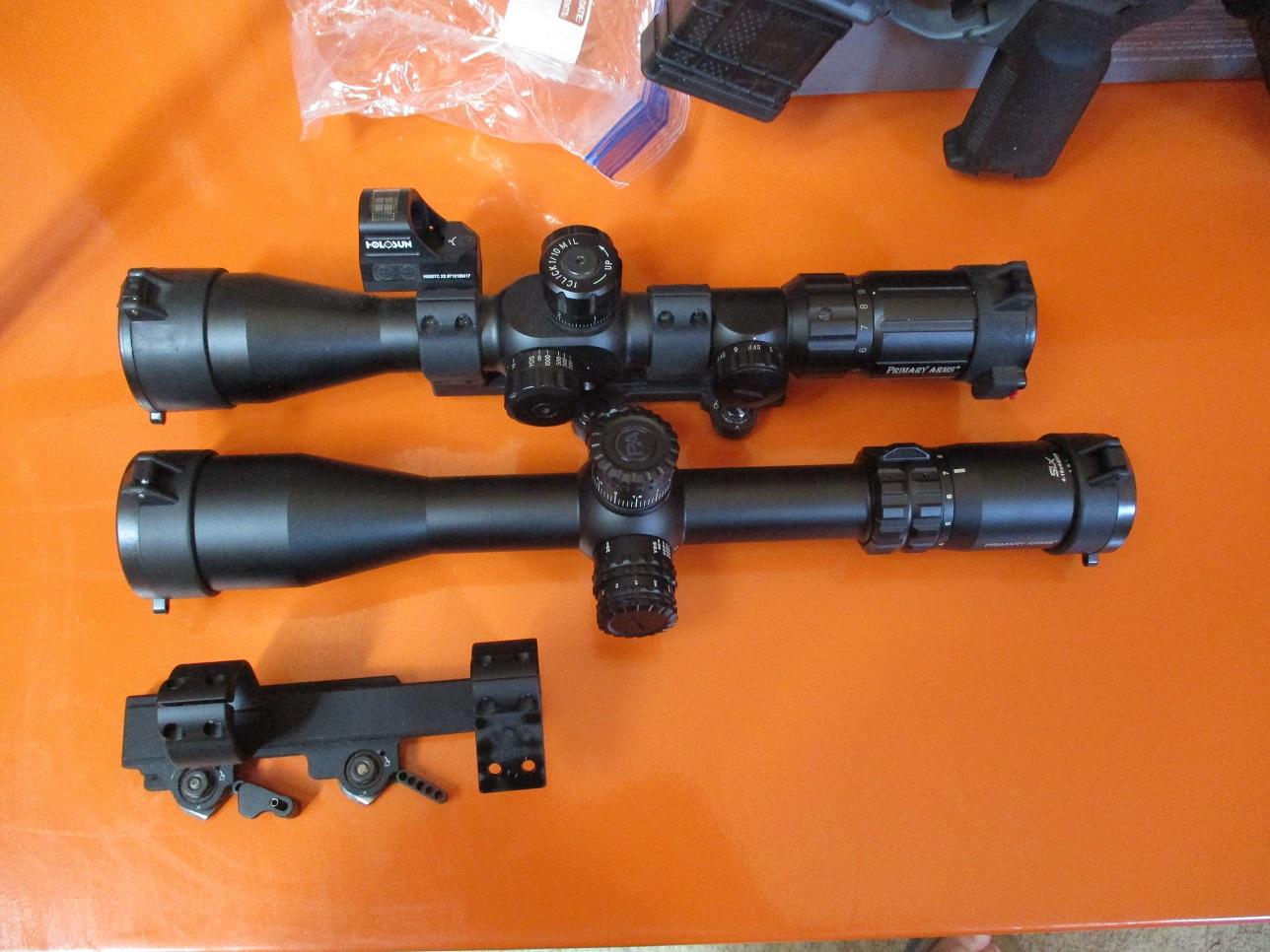
  2. Which is directly an issue with over-gassing (not very common), or the recoil system is too light, and not up to par (under-recoiled - VERY common). More often than not, what we see here after getting ALL the info on someone's gun problem - the gun was made by a company that wanted to save money. They made a gas port too small, and a gas tube too short, because money drives the recoil system. Weak gas system is needed because they wanted to save money on recoil parts - and tungsten ain't cheap. Doing it right ain't cheap. Buffers that are too light - are cheaper than buffers that are the appropriate weight. Springs... AR15 springs are not .308AR springs - but it's easier to toss an AR15 spring in there... Receiver extensions are another story...
  3. Tell Reddit to stop giving out gun dianosis information - they don't know what the fuk they're talking about.
  4. New York done went and out-did California. Watch the idiot-race take off now... They banned body armor. Here's an announcement from AR500 Armor - which is meant to generate NY sales, for sure - but the information is in there. New_York_Body_Armor_Ban_|_Armored_Republic (ar500armor.com) New York Bans Body Armor By AR500 Armor, Jun 8, 2022 For years, politicians have talked about banning body armor. One of them finally went and did it. On Monday, June 6, 2022, New York Governor Kathy Hochul signed Senate Bill S9407B, banning the sale of body armor to the general public, as well as several other infringements on your God-given rights as free men. What Does This Mean to You, Our Customer? After July 5th, 2022, you will no longer be able to legally purchase and we will no longer be able to ship soft body armor to anyone in the state of New York, except (of course) the usual law enforcement exceptions. The law “grandfathers” in “body vests” (what NY calls soft body armor) purchased or possessed before the cut-off date. To our current customers in NY who have ordered (or will be placing them in the next 30 days), we will be prioritizing your orders to ensure you get your order within the timeframe of the law. It Won't Work Anyone thinking banning body armor will do anything to reduce crime is delusional. As has been demonstrated time and again, these laws only affect the law-abiding citizen. Criminals have, do, and will continue to ignore laws. Oh…and it’s already illegal to use body armor in the commission of a crime in New York: Body armor is strictly a DEFENSIVE item and harms no one. Body armor is the most passive form of self-defense available. Its sole purpose is to act as a safety barrier between your body and any bullets fired at an area covered by it. When used within its design envelope, body armor is a life-saving device. Period. Tyrannical Government Just how innocuous is it? Did you know it’s perfectly legal (at the time of this publication), to transport body armor on a commercial flight as a carry-on item? The TSA has ruled that body armor is no more of a threat to travelers’ safety than laptops or books. If it’s safe enough to take on a plane, why is the state of New York banning it? Why would the state want to take away your ability to defend yourself, your family, and your children? The law is clearly unconstitutional. We have always held that the 2nd Amendment is to prevent the government from infringing on the bearing of arms AND armor. Remember, gun control isn’t about safety, it’s about control. To that end, it is our intention to sue the State of New York on the grounds the new law violates God-given rights AND the Constitution. Remember, the only thing necessary for the triumph of evil is that good men should do nothing. We will continue to post updates on any developments. What Can You Do? If you are a citizen of New York, your best course of action is to flood Gov Kathy Hutchel’s inbox with emails demanding the repeal of the new law. Further, you should support any effort to recall state senators Brian Kavanagh and Timothy M. Kennedy for writing and pushing through this unconstitutional legislation. You can email her here: https://www.governor.ny.gov/content/governor-contact-form Call: 1-518-474-8390 | Office hours: 9:00am to 5:00pm Or contact her by Mail: Kathy Hochul NYS State Capitol Building Albany, NY 12224
  5. I'll fix that as soon as I get back... Remember... you asked for that...
  6. Make sure you understand what the two different parts do - the extractor holds onto the spent case, and pulls it out of the chamber. The ejector is what kicks the spent case out of the upper receiver. If you're referencing the marks on the base of the brass - those little circular marks around the base, on the headstamp - those are ejector marks, exactly like @shooterrex stated. Taking o-rings off your extractor spring, or adding 10 more, isn't going to affect ejector marks one bit. If you're worrying about the marks on the base, on the headstamp, focus on this right here first:
  7. Well, you can check it out if you wanna see it yourself...
  8. Put some pics of the extractor marks in here so we can look at them.
  9. Shows as April 2 on my computer - and in your quote...
  10. Nice - they seem to come in there, right around that, loaded up and ready to go.
  11. Found an incredible video about Eugene Morrison Stoner - worth a watch.
  12. You running 30 round magazines? 20 round mags fully loaded weigh 2 lbs.
  13. ^^^ I've read his history before, and have been shocked that I never heard that about him, when I found it out then. Never would you imagine, watching Star Trek as a kid. Impressive.
  14. Received this today, wish it would have come in yesterday. Great article! This Day in History: Heroes of the D-Day Invasion – The Infidel Co Jun 06 , 2022 This Day in History: Heroes of the D-Day Invasion On this 78th anniversary of the D-Day invasion of Normandy, we should take time to remember some of the many heroes of the various battles that took place as the Allies stormed their way into France during World War II. Here are some who received the Medal of Honor for their bravery and selflessness. Jimmie W. Monteith Lieutenant Jimmie W. Monteith of the U.S. Army was a member of the 1st Division (The Big Red One) that fought in Algeria and Italy before transferring to England to prepare for D-Day. During the assault on Omaha Beach in Normandy, his unit was left open when the accompanying tanks became bogged in sand and sea water. Monteith led his 51 men into the water to storm the beach, but half were shot or drowned before reaching the shore. Pinned down by Erwin Rommel’s forces, Monteith ran to each of the survivors' hiding places under fire to rally the troops. He led an assault over open terrain, leading tanks (that were able to land after the tide came in) through a minefield on foot, eventually capturing an advantageous hill. Monteith’s unit continued ahead until they were completely surrounded by the enemy. There, Monteith was shot and killed. He was one month shy of his 27th birthday. Monteith received a posthumous Medal of Honor and Purple Heart. The U.S. military base Camp Monteith in Kosovo was named in his honor, and Monteith Hall at Virginia Tech (which he was attending when drafted in 1941) was built in 1949. Other edifices and streets were also named after the D-Day hero. John J. Pinder, Jr. John J. Pinder, Jr. was a professional baseball player when the U.S. entered World War II. He played for several teams, ultimately with the Greenville (Alabama) Lions when he was drafted in 1942. Pinder’s younger brother Harold joined the Army Air Force and was shot down in January of 1944, eventually captured, and spent the rest of the war as a POW. John Pinder, meanwhile, fought in Africa with The Big Red One and then traveled to England to prepare for D-Day. By then, Pinder was a Technician 5th Grade, in charge of communications for his unit. Landing on Omaha Beach on June 6, Pinder was carrying heavy radio equipment and was shot as he waded ashore. Refusing medical attention, he continued to carry the equipment to shore to deliver the radio. Then he went back into the water three times to collect and salvage other communications equipment. He was shot again on the last trip off shore. Still refusing medical attention, he set up a radio communication station on the beach. Pinder was then shot a third time, this time fatally. June 6, 1944, was his 32nd birthday. Theodore Roosevelt, Jr. Brigadier General Theodore Roosevelt, Jr. had already fought in World War I and served as Governor of Puerto Rico and Governor General of the Philippines before serving in World War II. He was the oldest son of President Theodore Roosevelt. Returning to the Army in 1940, he was promoted to Brigadier General and was second in command of the 1st Infantry Division in North Africa. General Patton did not like his easy ways with the troops, and pulled him from command, leaving Roosevelt to serve in various capacities in Italy. Assigned to help lead the Normandy Invasion, he petitioned to invade with the troops. After several denials, he was allowed to lead the landing of the U.S. 4th Infantry Division's 8th Infantry Regiment and 70th Tank Battalion at Utah Beach. Meanwhile, his son Quentin Roosevelt landed at Omaha Beach. General Roosevelt was 56 years old, and the only general to storm the beach at Normandy with the first wave of soldiers. Roosevelt greeted the troops as they reached the shore. Although the unit was a mile from their landing target, they still met enemy fire. Instead of trying to move to the original landing area, Roosevelt modified the unit’s plans and moved inland in order to engage the enemy from the rear. Roosevelt’s calm under fire inspired the troops and contributed greatly to the success of their mission. Roosevelt died of a heart attack in France a month later. He was recommended for a Distinguished Service Cross, which was upgraded to the Medal of Honor, awarded posthumously in September of 1944. The Medal was one of many Roosevelt had earned through two World Wars. Roosevelt was portrayed by Henry Fonda in the 1962 film The Longest Day. Carlton W. Barrett Pvt. Carlton W. Barrett joined the Army in 1940 and served with the 18th Infantry, 1st Infantry Division. On D-Day, he landed on the beach near St. Laurent-sur-Mer, France. Private Barret’s Medal of Honor citation says he waded ashore in neck-deep water under enemy fire, but returned to the water time and again to rescue other soldiers who were in danger of drowning. He also carried wounded comrades to an evacuation boat. He remained calm under fire and other soldiers turned to him for guidance during the confusion of battle. Barrett survived the war and served until 1963, when he retired with the rank of Staff Sergeant. Robert G. Cole Lieutenant Colonel Robert G. Cole was born at Fort Sam Houston, the son of an army colonel. He joined the Army in 1934 and went on to West Point. As the commander of the 3rd Battalion of the 502nd Parachute Infantry Regiment, Cole was the first to parachute into enemy territory on June 6, 1944. His unit captured an enemy position and welcomed Allied troops advancing from the beaches. On June 10, Cole led his men down an exposed road between marshes and they were attacked. With little alternative, Cole led a bayonet charge under cover of smoke against the enemy, causing them to flee. His unit took heavy casualties, but they gained ground. They managed to call in reinforcements before the Germans returned for a counterattack. Lt. Col. Cole was recommended for a Medal of Honor, but was killed by a sniper in the Netherlands in September before he received it. Walter Ehlers Staff Sergeant Walter Ehlers joined the Army in 1940 and served in North Africa and Sicily. He was called to England to train troop replacements and prepare for D-Day. On June 6, he led his squad onto the shores west of Omaha Beach. While half of the first wave of troops were killed or wounded, Ehlers got all 12 of his men into the trenches safely. On June 9, the squad was near Goville, France. Coming under fire, Ehlers led his men to neutralize several enemy machine gun and mortar positions, killing several Germans himself while under fire. Ehlers was wounded, but continued on, even carrying one wounded soldier to safety. He refused evacuation, preferring to stay and lead his unit. Several months later, while recovering from yet another wound, Ehlers read about his Medal of Honor in the military newspaper Stars and Stripes. He also received three Purple Hearts, the Silver Star, the Bronze Star, and a promotion to 2nd Lieutenant. After the war, Ehlers worked for the Veterans Administration for 29 years. Before Ehlers died this past February at age 92, he was the last living Medal of Honor recipient from the D-Day Invasion. Charles N. DeGlopper PFC Charles N. DeGlopper was a member of the 82nd Airborne Division and went overseas in 1943 to serve in North Africa, Italy, and France. DeGlopper entered France on June 7, 1944, behind enemy lines by glider. On June 9, C Company 1st Battalion was cut off from the rest of the battalion while attacking the La Fière Bridge on the Merderet River at La Fiere, France. Under fire, Pvt. DeGlopper stood up and starting shooting Germans to suppress their fire. He was shot twice, but continued firing, giving his comrades enough cover to rejoin the rest of the battalion. DeGlopper was killed by the third shot, but managed to kill many of the enemy. He received the Medal of Honor posthumously, the only member of the 82nd Airborne Division to receive the medal in the Normandy Invasion. John E. Butts 2nd Lieutenant John E. Butts was one of five brothers to serve in World War II. He went to Normandy with the 60th Infantry, 9th Infantry Division. Butts was wounded on the 14th of June and then again on the 16th, both times refusing medical evacuation to stay with his platoon. On June 23rd, he led his unit against the enemy for a strategic hill and was critically wounded by machine gun fire. Butts commanded his men to attack from the side while he alone charged directly to the front, drawing fire away from his men so they could take the hill. He was shot again, twice. Butts was less than ten yards from the machine gunner when he fell for the last time. His unit, taking advantage of Butts’ distraction, managed to take the hill. He received the Medal of Honor posthumously. Matt Urban Lieutenant Colonel Matt Urban was a graduate of Cornell University when he joined the Army in 1941 as a commissioned officer. He served with the 60th Infantry Regiment, 9th Infantry Division in North Africa. Urban also fought in Sicily, France, and Belgium. He broke a leg during the landing on the beach at Normandy, but still managed to mount a tank and lead an assault. On June 14, he personally destroyed two enemy tanks with a bazooka. He was wounded twice that day. In July, Urban left the hospital where he was recovering and joined his unit at St. Lo, France, for Operation Cobra. There, Urban single-handedly drove an abandoned American tank into a German unit, leading his men to victory. Urban was wounded seven or eight times during the war. The final time, he was shot in the neck and was not expected to survive. Yet he did. Urban’s recommendation for a Medal of Honor was lost when his commanding officer was killed in action. It was not found until 1979. Urban finally received his Medal of Honor in 1980 from President Jimmy Carter. Other recipients of the Medal of Honor for actions in the Normandy Invasion include: Ray Perez Carlos C. Ogden John D. Kelly Arthur F. DeFranzo Frank D. Peregory Joe Gandara Leon Vance
  15. Brownell's. They make a good one that's right on par with a Geissele Reaction Rod.
  16. Well, that's damn near perfect, right there. If it was mine, I'd get the scope a little further forward, so the end of the eyepiece is about even with the end of the receivers - but that's just me. Give that a try, because that will change the eye relief, in reference to where you have to position your body (your head) in relation to the end of the stock. Other than that, LaRue makes a mount that will be about as low as you can go - the LT-158 mount is for 1" or 30mm tubes, 1.46" height-above-borecenter, and has 10MOA built into it. I run a bunch of those specific mounts.
  17. This made my day, Mack.
  18. That's very often the most resistance in a brand new .308AR BCG. When you hear of "breaking in a BCG", that's the only internal thing that "needs broken in" - the seating and sealing of the gas rings, just like piston rings on a new engine build. Also, firing the weapon is much, much different than hand-cycling it. We, as humans, cannot replicate the force required to cycle the weapon, simply by hand. We can manipulate the weapon, but we can't replicate the cyclic operation.
  19. That is OUTSTANDING! RLTW!
  20. Post a pic of it, so we can see the scope in rings, on the gun. You'll be better off running a one-piece extended mount, to get the scope placement right.
  21. Did you lube the gas rings on the bolt?
  22. It's a combination of all the things that were going wrong, plus you'll need to shoot it and get it broken in. Solve the other issues (the rest of the issues) first, then run it awhile, then see how it's doing, and give a range report...
  23. Each quarter is 0.069" thick. You won't need 2 quarters, 1 will do the trick. Don't do that - yet. Keep the extension you have, keep the buffer you have, BUT!... try using the Sprinco Orange recoil spring first, before you buy more parts that you might not need.
  24. Receiver extension internal depth is okay. Buffer is good. I don't know about the spring - just no experience with it. The Sprinco Orange spring is specifically made for those recoil system parts, though. I do know what, and have used them, and can verify that they work.
  25. I love aviation info -good find.
×
×
  • Create New...