
Sisco
-
Posts
6,631 -
Joined
-
Last visited
Content Type
Profiles
Forums
Downloads
Gallery
Store
Everything posted by Sisco
-
Good advice. I like it too. Didn’t realize how much until I spent two winters in Florida. Love the old Sorels when they were Canadian made and owned. Still wear a pair. I haven’t tried them though since Columbia bought them 20 years ago. Kamik and Baffin out of Canada both make good products as well. Sock and glove or liner rotation is a great point. Trench foot was the #1 non combat reason US Europe forces in WW2 were medically inactive. Same in Korea. Synthetics have their place in the mix, no doubt. Just like firearms and boats, cold weather gear is a series of compromises to best fit your needs.
-
Yeah down for backpacking trips make sense as long as you can keep it dry. Super light, warm, and comfortable. I have used it for that quite a bit. Once you add the threat of getting wet, though it becomes less attractive. Down loses about 85% of it’s insulating value when wet. Hollofill as a representative Synthetic loses about 45%. Wool loses 25%, and will air dry two or three times faster then the other two. Caribou fur essentially loses none as the hairs are hollow and water shedding. That’s why traditional Inuit Anoraks are made of caribou hide tanned and turned inside out. As I don’t have a supply of caribou to make clothing with, for an outer shell I use a Canvas Anorak made of 10oz duck, with as many layers of wool underneath as I need, and a bottom layer of moisture wicking synthetic or silk. Pants wool, or if moisture or water is a problem I replace those with waterproof, insulated bib overalls that have built in flotation. I replace the Anorak in wet conditions with an outer gore-tex shell which is not as breathable as the anorak, but still lets a fair proportion of water vapor generated by perspiration to escape. One thing, in ultra cold conditions, that coyote or lynx fur ruff on the Anorak is amazing in how it protects your face and sets up a warm area around your head when the hood is up.
-
Amen🇺🇸🙏🏼
-
Winter survival in a wet climate with temperatures between 25 and 40 can be just as tough. Nothing more dangerous then wet cold.
-
sound advice. The only thing you want tight is your base layer if it is moisture wicking, otherwise that should be a little loose too. All the dead air spaces in loose clothing provide warmth as well. Avoid cotton as it retains moisture. Move half speed to avoid sweating. Layers you can shed to regulate temperature are better then one big heavy coat. That is the weakness of big heavy down coats. Leave those for when you are in interior Alaska or Baffin Island. I wear mine maybe twice a year.
-
He has been around for a long time. Nice plug for Wilson Combat. Which is very good no question.
-
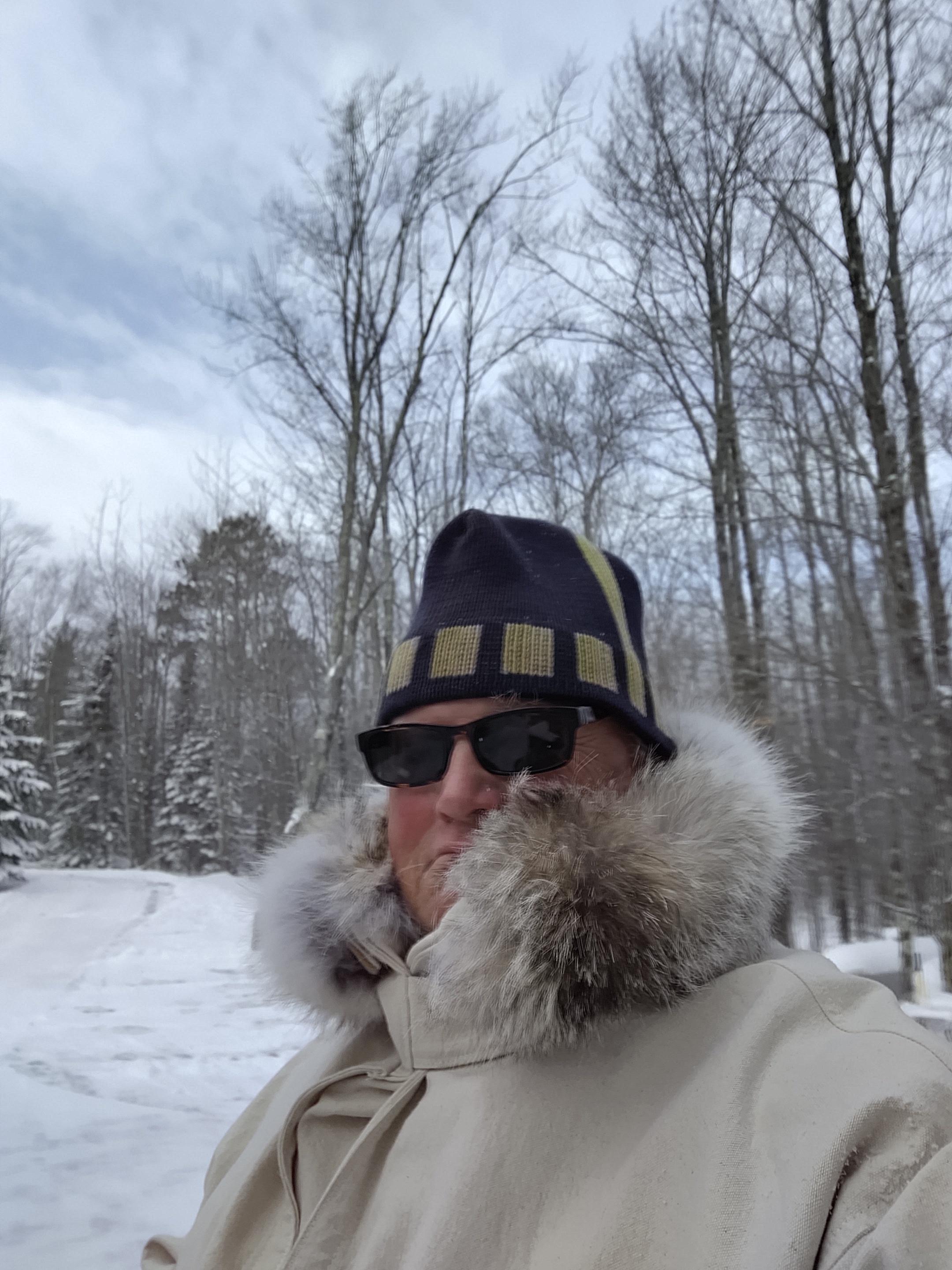
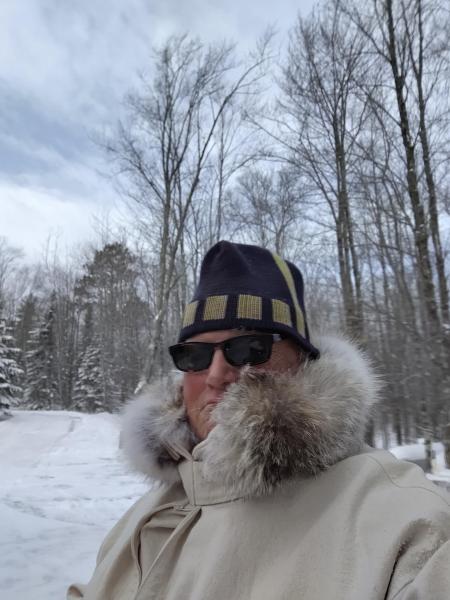
I am rekindling an interest in this, more to educate my son, who like me in my youth, is getting into winter camping in his 20's. In my youth I would head to the BWCA, or Yellowstone for the subzero challenges. I am past that now, but still like to get out on days like today, 8F with a 40mph wind. =-12F windchill. Recently I picked up a Inuit styke anorak, but in canvas from a source in Canada. Just got back from wearing it on my 3 mile dog walk. Coupled with a seriously heavy wool jacket underneath, gotta say it puts my Eddie Bauer down filled superior polar parka to shame. More comfortable, lighter, and just as warm if not warmer. It also beats my Stryker ice fishing coat hands down, but that has the advantage of floating if you go through the ice, which does happen. So keeping it for ice fishing. For all the new fabrics, I think wool is still my go to in winter. In fact it seems all the space age synthetics are best when mixed with traditional fibers for cold weather use. I have pretty much relegated down to the back of the closet except for short term use in non extreme situations like a trip to the grocery store. I do use Under Armor’s synthetic base layer because I sweat a lot, even in winter, then layer Merino wool sweater and tight woven merino wool pants over that, followed by a heavy wool jacket and the Anorak if needed for the wind. The Anorak is needed as wool for all it’s pluses just doesn’t cut the-wind at all.That gets me down to minus 25F, maybe more. Any one else have winter gear tid bits, post em!
-
I may do that.
-
You drink a,bottle, you go blind while holding your nuts.😫
-
Passed on deer hunting this year. Our local County Deer Committee is running our deer population into the ground, because the county forestry and conservation officials want to knock the deer herd down to nothing to keep the loggers happy so they don’t eat young trees. So they have been giving out 8,000 doe permits per year for the county the last five years! At that level of harvest the population is rock bottom. That and the overpopulation of bear harvesting fawns every spring are decimating our population. The WDNR have found bears, coyotes and bobcats are actually killing more deer, mostly fawns, then wolves. The wolves take some, mostly adults. Fukked up deal.
-
Trooper:
-
Did some Jeep trips in my International Scout in the Absarokas and Beartooths between Montana and Wyoming in the 70’s. Unforgettable.
-
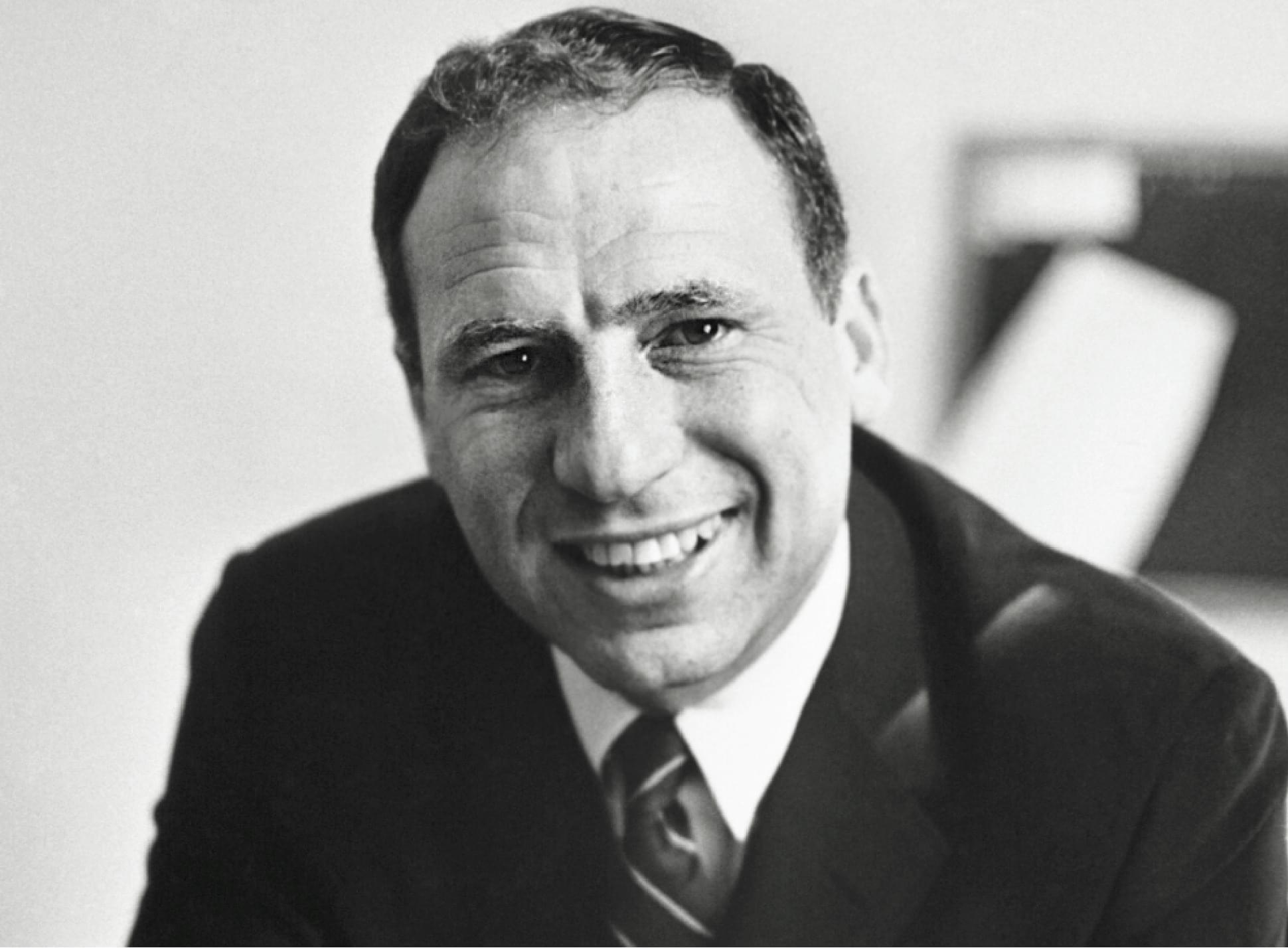
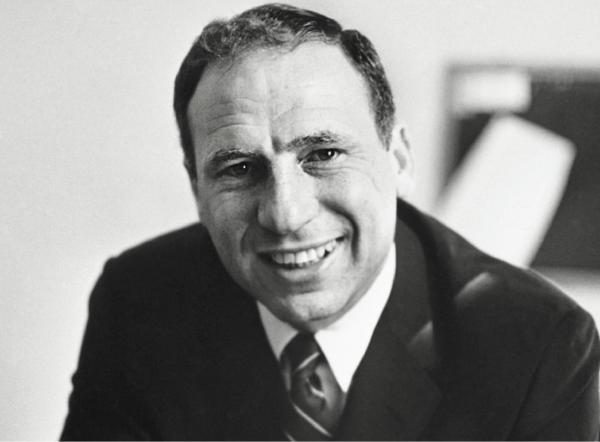
God Bless Melvin James Kaminsky AKA Mel Brooks and his three brothers for their service to our country during WWII. Mel Brooks, the Brooklyn-born funnyman best known for directing side splitting comedies such as Spaceballs, Blazing Saddles, The Producers, is not somebody most people would associate with life and death type of dangerous work. Yet, that is precisely what Mel Brooks during the Second World War, when he fought the Nazis as a combat engineer clearing minefields under enemy fire, and was in the thick of in the Battle of the Bulge. As he put it: “I was a combat engineer. Isn’t that ridiculous? The two things I hate most in the world are combat and engineering“. Born Melvin James Kaminsky in 1926, Brooks was raised in poverty after his father’s untimely death when the future comedian was only two years old. Understandably, growing up without a father was rough, and it left its mark on Brooks, as a child and into his adulthood. As he put it decades later: “There’s an outrage there. I may be angry at God, or at the world for that. And I’m sure a lot of my comedy is based on anger and hostility“. Growing up small and sickly in a borderline slum in Brooklyn, Brooks developed a sense of humor and a precocious comedic talent early on. Brooks graduated high school in 1944, with nebulous plans to go to college and study psychology, but then decided to enlist in the US Army. As he described his decision: “I enlisted to go to college, not to be in, you know, foxholes and shot at. But listen, that’s what happens in a war. Being a kid of seventeen, eighteen, I was a peacenik, I was against war, but I knew what Hitler was doing to Jews. So, I really did feel this was a proper and just war, and a war that should be fought. My mother had four stars in her window. I think the limit was three if you had children in the army – that is, I think I could have gotten out of it, but I was gung ho at being a soldier“. Mel Brooks, the Warrior Like many Americans, Brooks was extra fired up to fight the Nazis, but was also well aware of the extra risks faced by Jews if captured by the enemy. As he put it: “My brother Lenny was an engineer gunner in a B-17, and in his 35th or 36th mission, his Flying Fortress B-17 was hit, and they all bailed out, and they landed in Austria. He knew he had on his dog tags, for Hebrew and he had heard rumors that the Germans were taking Jewish troops and sending them to concentration camps. So in his way down, while still in his parachute, he ripped [his dog tags] off. ” Sent to Europe in 1944, Brooks’ qualifications that got him into ASTP marked him out as a soldier of high intelligence. So his first assignment was as a forward artillery observer – a job that requires quick thinking on the fly. He was then assigned to a combat engineer unit, the 1104th Engineer Combat Battalion (ECB), attached to the 78th Infantry Division. Combat engineers often went out ahead of the main assaults, to clear out obstacles for follow on troops. Brooks’ unit used demolitions to blast a way clear for the main forces, repaired bridges destroyed by the Germans in a bid to slow the Allied advance, built bridges from scratch, helped lay out and construct field fortifications, and otherwise offered whatever support they could. The combat engineers often did their work under the enemy’s noses, while subjected to artillery raining down on them, and German snipers doing their best to pick them off. The 1104th ECB became the first unit to throw a bridge across the Roer River, and later on, it built bridges across the Rhine. Brooks’ tasks included clearing minefields and defusing land mines. It was a hairy job, that was made even hairier when he had to do it while exposed to enemy fire. As Brooks described it to Conan O’Brien on his show: “You take a bayonet, and you look for mines – planted mines. And they could blow a tank, I mean they’re big. You find them, unearth them if it could blow up a tank, it could certainly take away a Jew in no time“. On at least five occasions, Brooks’ unit had to down their tools and pick up rifles to fight as infantrymen, and took casualties while doing so. He also fought in the Battle of the Bulge during the winter of 1944-1945. Mel Brooks, the Veteran In recalling his WWII experience decades later, Brooks observed that: “War isn’t hell. War is loud. Much too noisy. All those shells and bombs going off all around you. Never mind death. A man could lose his hearing“. He distilled his wartime experience to its essence when asked what he thought during the war about saving Europe and the world: “You thought about how you were going to stay warm that night. How you were going to get from one hedgerow to another without a German sniper taking you out. You didn’t worry about tomorrow“. Aware of the jarring contrast between his comedic persona and his serious wartime experiences, Brooks once mused to reporters: “I was a combat engineer. Isn’t that ridiculous? The two things I hate most in the world are combat and engineering“. The end of the war in Europe came while Brooks and the 1104th were carrying out a reconnaissance in the Harz Mountains of northern Germany. Brooks, by then promoted to corporal, had survived the war, healthy and hale, and had grown up and matured real fast from the teenager who’d enlisted just a year earlier. He closed his days in Europe by taking part in organizing shows and entertainments for American soldiers, as well as for Germans. Finally, the time came for Brooks to return to civilian life, and resume his quest to become a professional funnyman. After the war, Brooks was discharged from the Army, and he went back to entertainment. Like most WWII veterans, Brooks never viewed himself as a hero, and went out of his way to downplay his wartime experience. He simply saw himself as one of the many millions from his generation who had answered their country’s call, donned uniform and did their part, then returned home, happy to be alive. The Giant Killer book & page honors these incredible war heroes making sure their stories of valor and sacrifice are never forgotten. God Bless our Vets! Story source Khalid Elhassan
-
Yep
-
Fago de Chao? It’s death by meat.
-
Great story!
-
I believe that. I would need a bigger SUV and a bigger truck!
-
Spoke to him. He is doing good, but extremely busy.
-
Not really. She did as a puppy, though. Her fur is amazingly self cleaning. She will be covered with dirt and it is gone an housr later. She is. She is the definition of a “sheep dog” My wife is walking for her rehab on the driveway, she gets on a boulder for overwatch and watches her until she is done. Four times a day she does a circumference patrol around our house. Last one right before we go to bed. I am really impressed with this breed. Thought about a second one that is up for rehoming at the local animal shelter, but we really like our relationship with this one and a second one might upset that apple cart, so we are going to stick with just her. Just gotta watch the balls in the drain.
-
Just a guess until her next vet visit, but maybe 100 pounds. 9 1/2 months

-
He reminds me of someone.
-
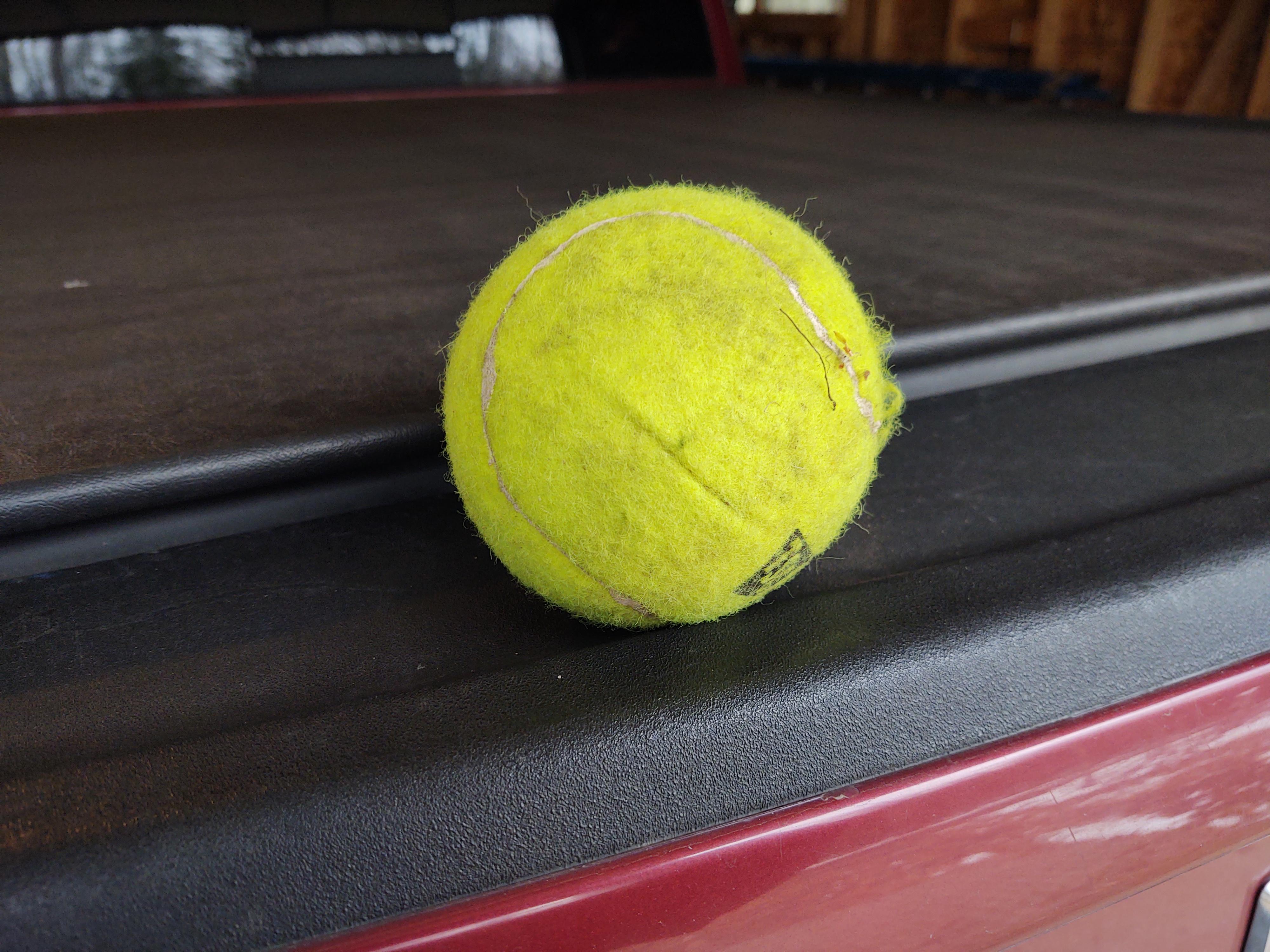
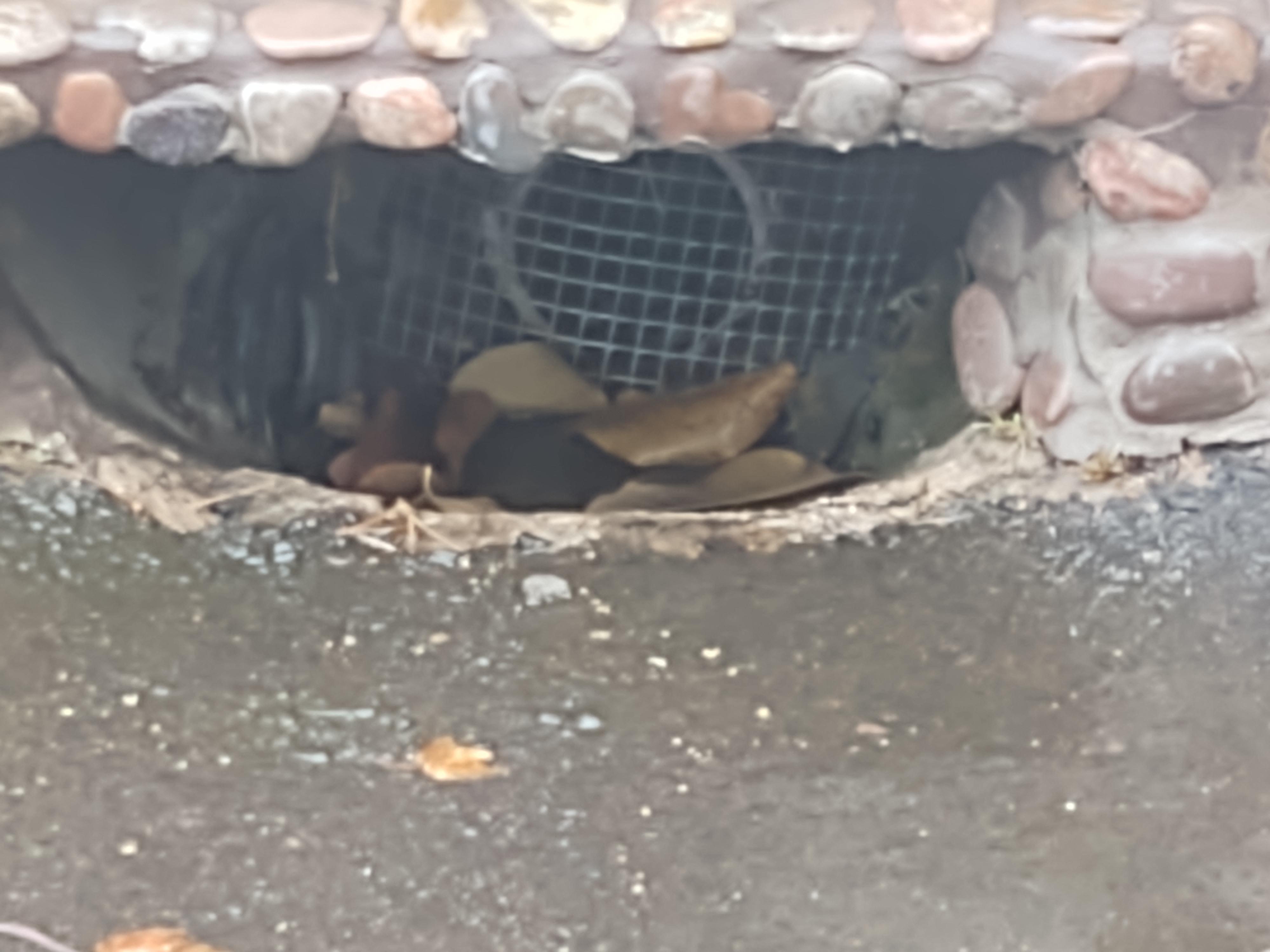
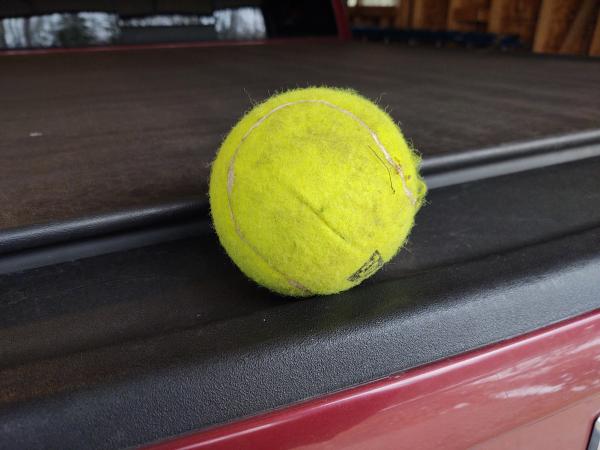
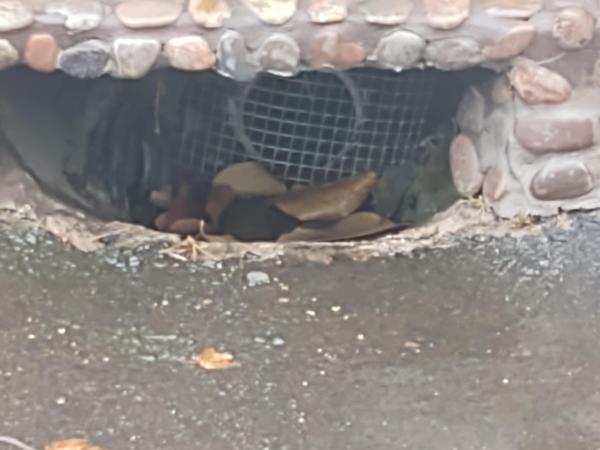
Well Man's best friend struck again. My pooch loves balls and loves to crunch and shred them.A baseball takes 10 minutes. So I got her a couple of heavy duty 4 inch gum rubber balls with a cover from Tractor Supply. I checked to see if they would go down the storm drain under our house. Nope too big. All was good, right? Yes, until she learned to tear the cover off one and drop it down the drain. With the cover off it is precisely 3 and 7/8 in diameter. Just the size you need to completely plug a 4 " PVC drain pipe. It rolled down about 6 feet in and settled there. No amount of suction, grappling or leverage could dislodge it. With reports of up to 1 inch of rain coming last week I had visions of a flooded driveway and possibly house. Fortunately our plumber brought over a heavy duty roto for tree roots that was able to shred it up in about half an hour. Nothing came out the bottom end but pieces of rubber. You will notice in the picture of the drain a screen in there now. Lesson learned.
-
Thank you.
-
I eat two a day, along with preservative free sausage and bacon for breakfast. No carbs except for a little from the bacon sugar cure. I feel good and my A1C is back to normal.
-
Interesting! The good news is we still don’t know everything, because I would hate to live in a world if we did. There are already enough know it alls, we need more know it lesses